Wool Blend Uncombed Lining Fabric
CN → US| HS Code | Tariff Rate | Origin | Destination | Doc |
|---|---|---|---|---|
| 5112303000 | 60.0% | CN | US | Official Doc |
| 5112909010 | 60.0% | CN | US | Official Doc |
| 5111209000 | 60.0% | CN | US | Official Doc |
| 5111309000 | 60.0% | CN | US | Official Doc |
| 5515130510 | 60.0% | CN | US | Official Doc |
Product Images
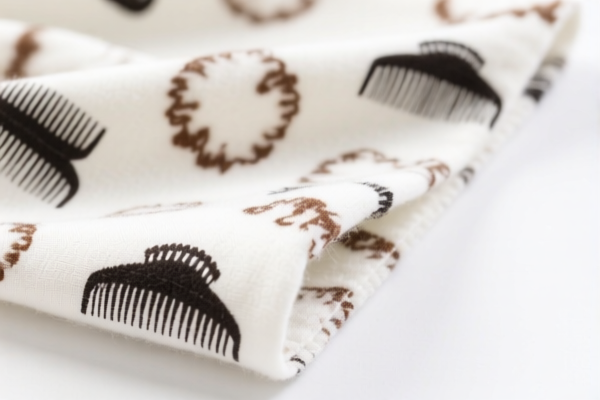
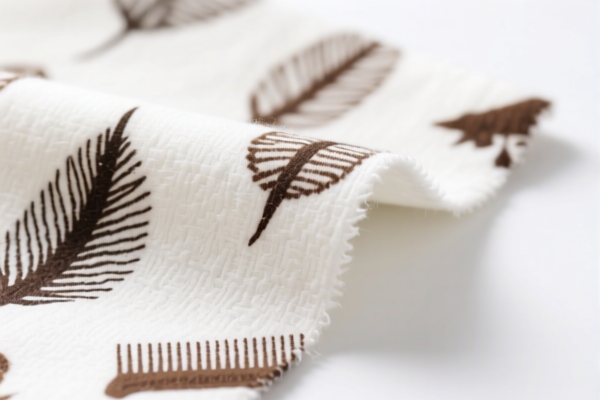
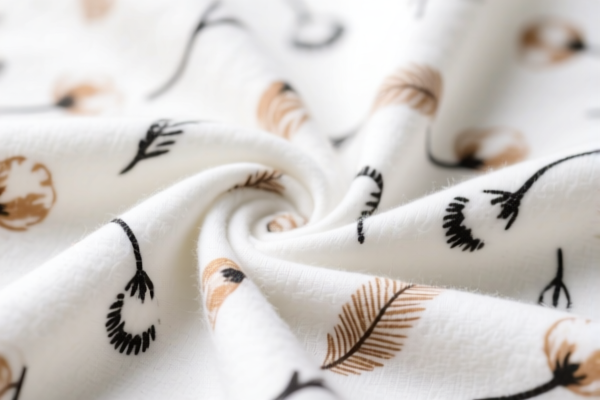
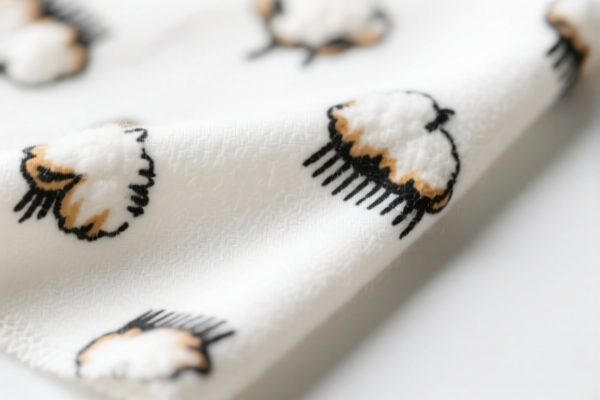
AI Analysis
🧶 Wool Blend Uncombed Lining Fabric: HS Code Guide & 2026 Tax Strategy
🌐 HS Code Reference & Customs Clearance Guide | 2026 Latest Tariff Analysis | Professional Clearance Strategy
📌 一、Product Definition & Classification: Do You Understand "Wool Blend Uncombed Lining Fabric"?
Wool blend lining fabric is a textile material used in garment manufacturing, primarily for the inner layer of suits, coats, and jackets. In international trade, it is classified based on its preparation method (combed vs. uncombed) and composition (100% wool vs. blended with other fibers).
Key Classification Criteria: * "Uncombed" (No梳/粗梳): Refers to wool fibers that have been cleaned and carded but not drawn out into parallel alignment (which is "combed"). This results in a coarser, more rustic texture compared to worsted fabrics. * "Wool Blend" (羊毛混纺): Contains wool mixed with other fibers (e.g., polyester, acrylic, cotton). * "Lining Fabric" (里料): Specifically designed for the interior of garments.
⚠️ Critical Distinction Point: - If the fabric is made of carded wool/wild silk (no combed process), it falls under heading 5111 or 5112. - If it is a blend where wool is not the sole fiber, specific subheadings apply based on the weave and weight. - Misclassification Risk: Declaring "combed" fabric as "uncombed" (or vice versa) can lead to significant customs disputes because the technical definitions differ strictly in G.N. (General Rules of Interpretation).
📦 二、HS Code Classification Details (2026 Latest Tariff Authority Comparison)
Based on the provided data, the product "Wool Blend Uncombed Lining Fabric" is primarily classified under the following HS Codes. All listed codes carry the same total tax rate of 60%.
| HS Code | Product Description (Summary) | Key Characteristics |
|---|---|---|
| 5112.30.30.00 | Wool Blend Fabric, meets characteristics of carded wool or carded fine animal hair woven fabric. | ✅ Uncombed/Carded (No梳) ✅ Wool Blend ✅ Woven |
| 5112.90.90.10 | Wool Blend Fabric, meets characteristics of carded wool or carded fine animal hair woven fabric. | ✅ Uncombed/Carded (No梳) ✅ Wool Blend ✅ Woven (Other specific blend) |
| 5111.20.90.00 | Wool Blend Fabric, meets characteristics of carded wool woven fabric. | ✅ Uncombed/Carded (No梳) ✅ Carded Wool Focus |
| 5111.30.90.00 | Wool Blend Fabric, meets characteristics of carded wool or fine animal hair woven fabric. | ✅ Uncombed/Carded (No梳) ✅ Includes Fine Animal Hair |
| 5515.13.05.10 | Wool Blend Fabric, meets characteristics of wool or fine animal hair blended woven fabric. | ✅ Blend Specific ✅ Focus on the blending ratio |
🔍 Key Reminder: - All these codes share the identical tax structure: 25% Base + 25% Reciprocal/Section 301 + 10% Section 122 = 60% Total. - The choice between these HS codes depends on the exact fiber composition ratio and the specific manufacturing process details (e.g., weight per square meter, weave type). - "Uncombed" (No梳/粗梳) is the critical keyword. Do NOT use "Combed" (精梳) codes (which are typically under 5113 or different 5111/5112 subheads) as they have different technical definitions.
💰 三、2026 Latest Tariff Rate Breakdown (Including Additional Taxes & Policy Surcharges)
✅ Applicable Country: United States (US) ✅ Country of Origin: China (CN) ✅ Effective Date: Ongoing (Includes imports from 2025 onwards)
🎯 1. 5112.30.30.00 —— Wool Blend Carded Fabric (Uncombed)
| Item | Content |
|---|---|
| Base Tariff Rate | 25.0% (Most Favored Nation / General Rate) |
| Section 301 Reciprocal Tariff | 25.0% (Additional tariff for Chinese goods) |
| Section 122 Tariff | 10.0% (Additional tariff under specific trade remedies) |
| Total Tariff Rate | 60.0% |
| Tax Calculation | CIF Value × 60% |
| De Minimis Eligibility | ❌ No (Not eligible for $800 de minimis exemption) |
| Legal Basis Path | HTSUS:5112.30.30.00 → Section 301 List 4 → Section 122 Statutory Authority |
📌 Explanation: - 25% Base: Standard WTO/MFN rate for wool blends. - 25% Reciprocal: Part of the Section 301 tariffs imposed on Chinese imports. - 10% Section 122: Additional duty levied under specific trade laws targeting textile imports. - Total 60%: This is a very high tariff burden. Profit margins must account for this fully.
🎯 2. 5112.90.90.10 —— Other Wool Blend Carded Fabric (Uncombed)
| Item | Content |
|---|---|
| Base Tariff Rate | 25.0% |
| Section 301 Reciprocal Tariff | 25.0% |
| Section 122 Tariff | 10.0% |
| Total Tariff Rate | 60.0% |
| Tax Calculation | CIF Value × 60% |
| De Minimis Eligibility | ❌ No |
| Legal Basis Path | HTSUS:5112.90.90.10 → Section 301 List 4 → Section 122 Statutory Authority |
📌 Note: - Same tax structure as above. - Use this code if the fabric does not fit the specific criteria of 5112.30.30.00 but still meets the "carded wool blend" definition.
🎯 3. 5111.20.90.00 & 5111.30.90.00 —— Carded Wool/Wool Blend Woven Fabric
| Item | Content |
|---|---|
| Base Tariff Rate | 25.0% |
| Section 301 Reciprocal Tariff | 25.0% |
| Section 122 Tariff | 10.0% |
| Total Tariff Rate | 60.0% |
| Tax Calculation | CIF Value × 60% |
| De Minimis Eligibility | ❌ No |
| Legal Basis Path | HTSUS:5111.xx.xx.xx → Section 301 List 4 → Section 122 Statutory Authority |
📌 Note: - These codes focus on carded (uncombed) wool or fine animal hair. - If your fabric is 100% wool (not blended), these codes might be more appropriate depending on the weight and weave. - Tax rate remains 60%.
🎯 4. 5515.13.05.10 —— Wool/Animal Hair Blended Woven Fabric
| Item | Content |
|---|---|
| Base Tariff Rate | 25.0% |
| Section 301 Reciprocal Tariff | 25.0% |
| Section 122 Tariff | 10.0% |
| Total Tariff Rate | 60.0% |
| Tax Calculation | CIF Value × 60% |
| De Minimis Eligibility | ❌ No |
| Legal Basis Path | HTSUS:5515.13.05.10 → Section 301 List 4 → Section 122 Statutory Authority |
📌 Note: - This code is used when the fabric is a blend (e.g., wool + polyester) and does not fall under the pure wool headings (5111/5112). - Ensure the blend ratio is correctly declared.
🛠️ 四、Customs Clearance Practical Advice (Actionable Pitfall Avoidance Guide)
✅ 1. Required Documentation Checklist (Non-Negotiable)
| Document | Must Provide | Explanation |
|---|---|---|
| ✅ Fiber Composition Report | ✔️ | Must detail % of wool, fine animal hair, and other fibers. Critical for distinguishing between 5111, 5112, and 5515. |
| ✅ Weave & Weight Specification | ✔️ | GSM (grams per square meter), weave type (plain, twill, satin), and thread count. |
| ✅ Processing Method Statement | ✔️ | Explicitly state "CARDING ONLY (Uncombed)" or "NO COMBING PROCESS". Do not use "Worsted" or "Combed". |
| ✅ Product Photos (Label & Texture) | ✔️ | Show the fabric texture (fuzzy/napped vs. smooth/combed). |
| ✅ Commercial Invoice | ✔️ | Must match the HS Code exactly. Include "Wool Blend Uncombed Lining Fabric" in description. |
| ✅ Packing List | ✔️ | Detail net/gross weight, number of rolls, dimensions. |
✅ 2. Declaration Tips (Key Mantra)
🔥 "Carded Not Combed, Blend Ratio Clear, No De Minimis, 60% is Real!"
| Scenario | Correct Declaration | Wrong Practice |
|---|---|---|
| Fabric is Uncombed/Carded | Use 5111 or 5112 series with "Carded" note | Using "Worsted" (Combed) codes → Potential penalty |
| Fabric is a Blend | Use 5515.13.05.10 or 5112.90.90.10 based on wool content | Using "100% Wool" codes → Customs holds for reclassification |
| Small Sample Shipment | Cannot use De Minimis ($800 exemption) | Trying to ship under $800 → Still subject to 60% tax + entry fee |
| Lining vs. Outer Fabric | Clearly state "Lining" | If declared as "Outer Fabric", may face different usage rules |
✅ 3. Special Situation Handling
| Situation | Handling Advice |
|---|---|
| OEM Custom Fabric | Provide original design specs. If the blend ratio changes mid-order, update invoices immediately. |
| "Mixed" Shipment (Wool + Cotton) | Must declare as Wool Blend. If wool content < 10%, it might not be "wool blend" under HTSUS. Check threshold. |
| Pre-shipment Inspection | Recommended to verify GSM and fiber content before shipping to avoid customs delays. |
| Origin Marking | Ensure all rolls are marked "Made in China" as required for Section 301 goods. |
🌍 五、Global Market Comparison (2026 Latest)
| Country/Region | Recommended HS Code | Tariff Rate (China Origin) | Certification Requirement | Notes |
|---|---|---|---|---|
| 🇺🇸 USA | 5112.30.30.00 / 5515.13.05.10 |
60% (25% Base + 25% Sec 301 + 10% Sec 122) | None specific for textiles | Highest Tariff Market |
| 🇨🇳 China | 5112.30.30.00 |
~5-10% | CCC (if applicable) | Low tariff, high production base |
| 🇪🇺 EU | 5112.30.30.00 |
0-12% (Varies by blend) | REACH, OEKO-TEX | No Section 301/122 equivalents |
| 🇬🇧 UK | 5112.30.30.00 |
0-12% | UK REACH | Post-Brexit rules apply |
| 🇯🇵 Japan | 5112.30.30.00 |
0-8% | FSC (if forest-related) | No major trade war tariffs |
📌 Conclusion: - USA is the most challenging market for wool blend fabrics from China due to the 60% total tariff. - EU, UK, and Japan offer significantly lower tariff burdens. - Consider supply chain diversification (e.g., sourcing from Vietnam, India, or Turkey) to avoid US tariffs if exporting to the US.
📌 六、Common Mistakes & Pitfall Guide (Lessons Learned)
❌ Mistake 1: Declaring "Uncombed" fabric as "Worsted" (Combed)
👉 Consequence: Customs reclassification → Delays + Potential Penalties. The physical texture is different, and HS codes are strictly defined.
❌ Mistake 2: Ignoring the 60% Total Tax in Pricing
👉 Consequence: Profit erosion. 60% is a massive cost. Do not calculate margins based on base tariff alone.
❌ Mistake 3: Assuming Small Shipments are Tax-Free (De Minimis)
👉 Consequence: Seizure or Retroactive Billing. Section 301 and Section 122 tariffs apply to all shipments from China, regardless of value. No $800 exemption.
❌ Mistake 4: Vague Description "Wool Fabric"
👉 Consequence: Customs exam → Hold for inspection. Always specify "Wool Blend, Uncombed/Card, Lining, GSM, Blend %".
✅ Correct Practice:
"Wool Blend Carded (Uncombed) Lining Fabric, 60% Wool/40% Polyester, 180 GSM, Plain Weave, For Garment Lining, Made in China"
🎯 七、Conclusion: Professional Declaration for Cost Efficiency
🎯 Remember the Mantra:
🔹 "Uncombed = Carded, Blend = 5515 or 5112, Tax = 60%, No De Minimis."
🔹 "HS Code is Life, 60% is Real, Declare Accurately or Pay the Price!"
📌 Tips: - If your wool content is very low (<10%), consider if the product is classified as "Synthetic Blend" under Chapter 54/55, which may have different tariffs (but likely still subject to Section 301). - Apply for Advance Ruling if you have a large, consistent order. This provides legal certainty on the HS code.
📣 Immediate Action:
📞 Contact a licensed customs broker + Provide Fiber Composition Report + Apply for Pre-Ruling if high volume.
🚀 Ensure your Landed Cost includes the full 60% tax to maintain profitability.
✨ Professional Customs Clearance Starts with Accurate Classification!
💼 Every Percent of Tariff Counts!
Customer Reviews
About HS Code Classification
The Harmonized System (HS) is an internationally standardized nomenclature developed by the World Customs Organization (WCO) to classify traded products. Over 200 countries use the HS system as the basis for customs tariffs, trade statistics, and import/export regulations.
Each HS code follows a hierarchical structure:
- Chapter (2 digits) — Broad category of goods (e.g., Chapter 84: Machinery and Mechanical Appliances)
- Heading (4 digits) — More specific grouping within the chapter
- Subheading (6 digits) — Internationally standardized breakdown, used by all WCO member countries
- National subdivisions (8-10 digits) — Country-specific extensions for further classification, such as US HTSUS 10-digit codes
Correct HS code classification is essential for smooth customs clearance, accurate duty payment, and compliance with trade regulations. Misclassification can lead to customs delays, overpayment of duties, or penalties.
When importing from CN to US, the applicable tariff rates may include:
- Most-Favored-Nation (MFN) rate — The standard duty rate applied to WTO members
- General rate — Applied to countries without trade agreements
- Trade remedy duties — Additional tariffs such as Section 301 (anti-dumping), Section 232 (national security), or countervailing duties
The information provided on this page is for reference purposes only. For official classification, please consult with your local customs authority or a licensed customs broker.