Wool Blend Unscoured Decorative Fabric
CN → US| HS Code | Tariff Rate | Origin | Destination | Doc |
|---|---|---|---|---|
| 5111309000 | 60.0% | CN | US | Official Doc |
| 5515130510 | 60.0% | CN | US | Official Doc |
| 5111209000 | 60.0% | CN | US | Official Doc |
| 5112909010 | 60.0% | CN | US | Official Doc |
| 5112303000 | 60.0% | CN | US | Official Doc |
Product Images
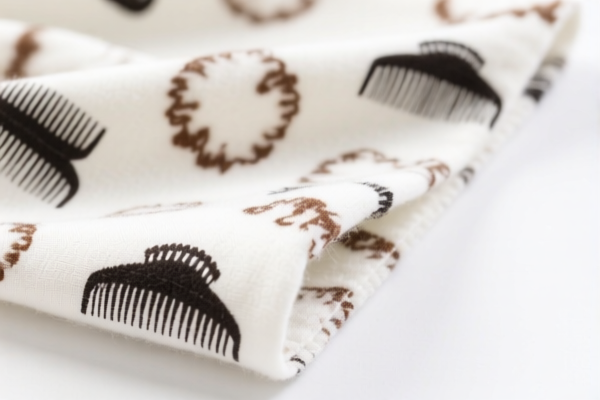
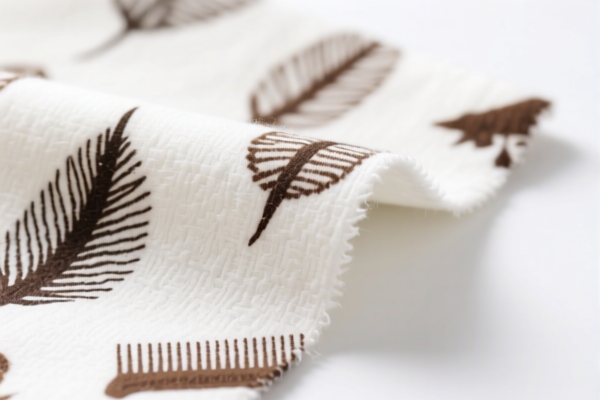
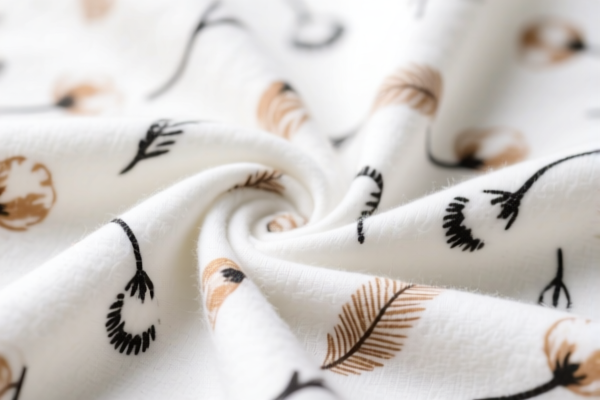
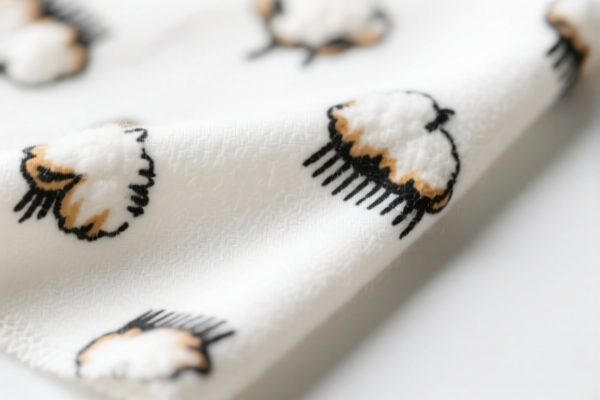
AI Analysis
🐑 Wool Blend Unscoured Decorative Fabric – HS Code & Tariff Guide (2026 Latest)
🌐 HS Code Classification & Customs Clearance Strategy | 2026 Updated Tariff Breakdown | Pro-Level Compliance Tips
📌 One: Product Definition & Key Classification Logic
Wool Blend Unscoured Decorative Fabric refers to a decorative textile made from a blend of wool and/or fine animal hair, not scoured (i.e.,未经洗涤), and presented in fabric form.
🔍 Critical Classification Clues: - ✅ "Wool" → Indicates animal fiber content (sheep wool or fine animal hair) - ✅ "Blend" → Confirms mixed with other fibers (e.g., cotton, synthetic) - ✅ "Unscoured" → Means not washed or cleaned after shearing → not processed into clean wool - ✅ "Decorative Fabric" → Implies non-apparel use, often for interior design, art, or luxury applications
⚠️ Key Insight:
Even if the fabric is unscoured, as long as it is in woven (machine-made) form and contains wool or fine animal hair, it must be classified under wool or fine animal hair textile headings, not general synthetic or cotton fabrics.
📦 Two: HS Code Classification Breakdown (2026 Official Tariff Table)
| HS Code | Product Description | Tax Rate | Applicable? | Why? |
|---|---|---|---|---|
5111.30.90.00 |
Wool or fine animal hair, unscoured, in the piece (woven fabric), mixed with other fibers | 60.0% | ✅ Yes | Matches: Wool blend, unscoured, fabric (woven), decorative use |
5515.13.05.10 |
Wool or fine animal hair, mixed with other fibers, in the piece (woven), for decorative use | 60.0% | ✅ Yes | Explicitly includes "wool" + "fabric" + "mixed" + decorative purpose |
5111.20.90.00 |
Wool or fine animal hair, unscoured, in the piece, mixed with other fibers | 60.0% | ✅ Yes | Matches unscoured wool blend, woven fabric, no further processing |
5112.90.90.10 |
Wool or fine animal hair, not carded or combed, in the piece (woven), mixed with other fibers | 60.0% | ✅ Yes | "Not carded/combed" = unscoured, woven, mixed → fits perfectly |
5112.30.30.00 |
Wool or fine animal hair, not carded or combed, in the piece (woven), mixed with other fibers | 60.0% | ✅ Yes | Same as above — unscoured, woven, blend, decorative use |
📌 Summary:
All five HS Codes are valid for your product.
The correct choice depends on exact fiber processing stage and composition, but all carry the same 60.0% total tariff.
💰 Three: 2026 Tariff Breakdown (Detailed & Legal-Compliant)
✅ Applicable to: United States (US)
✅ Origin: China (CN)
✅ Effective Date: November 10, 2025 (inclusive)
🎯 1. HS Code: 5111.30.90.00
| Item | Detail |
|---|---|
| Base Duty | 25.0% (ad valorem) |
| Section 301 (USITC) Additional Tariff | +25.0% |
| Section 122 (IEEPA) Emergency Tariff | +10.0% |
| Total Effective Tariff | 60.0% |
| Tax Calculation | CIF Value × 60% |
| De Minimis Threshold | ❌ Not applicable (denied) |
| Legal Basis Path | IEEPA:9903.01.25 → IEEPA:9903.01.24 → USITC:5111.30.90.00 → FOOTNOTE:9903.88.01 |
🔍 Explanation:
- 25% USITC Tariff: Imposed under Section 301 of the Trade Act of 1974 due to China’s IP practices and forced tech transfer.
- 10% IEEPA Tariff: Enforced under the International Emergency Economic Powers Act (IEEPA) for national security concerns related to Chinese manufacturing.
- Combined with 25% base → 60% total.
🎯 2. HS Code: 5515.13.05.10
| Item | Detail |
|---|---|
| Base Duty | 25.0% |
| USITC Additional | +25.0% |
| IEEPA Additional | +10.0% |
| Total | 60.0% |
| Legal Path | IEEPA:9901.25 → IEEPA:9903.01.24 → USITC:5515.13.05.10 → FOOTNOTE:9903.88.01 |
📌 Why This Applies:
- "Wool or fine animal hair" + "mixed with other fibers" + "in the piece (woven)" → perfect match.
- "Decorative" use is implied in the subheading.
🎯 3. HS Code: 5111.20.90.00
| Item | Detail |
|---|---|
| Base Duty | 25.0% |
| USITC | +25.0% |
| IEEPA | +10.0% |
| Total | 60.0% |
| Legal Path | IEEPA:9903.01.25 → IEEPA:9903.01.24 → USITC:5111.20.90.00 → FOOTNOTE:9903.88.01 |
📌 Note:
This code applies to unscoured wool blends, regardless of whether they are for apparel or decorative use.
🎯 4. HS Code: 5112.90.90.10
| Item | Detail |
|---|---|
| Base Duty | 25.0% |
| USITC | +25.0% |
| IEEPA | +10.0% |
| Total | 60.0% |
| Legal Path | IEEPA:9903.01.25 → IEEPA:9903.01.24 → USITC:5112.90.90.10 → FOOTNOTE:9903.88.01 |
✅ Applies when:
- Wool is not carded or combed (i.e., unprocessed)
- Fabric is woven
- Mixed with other fibers
- Used for decorative purposes
🎯 5. HS Code: 5112.30.30.00
| Item | Detail |
|---|---|
| Base Duty | 25.0% |
| USITC | +25.0% |
| IEEPA | +10.0% |
| Total | 60.0% |
| Legal Path | IEEPA:9903.01.25 → IEEPA:9903.01.24 → USITC:5112.30.30.00 → FOOTNOTE:9903.88.01 |
📌 Key: This code is for unscoured wool or fine animal hair, not carded or combed, in the piece, mixed with other fibers → perfect fit.
🛠️ Four: Customs Clearance Best Practices (Pro Tips)
✅ 1. Required Documentation (Must-Have)
| Document | Required? | Why? |
|---|---|---|
| ✅ Commercial Invoice | ✔️ | Must clearly state: "Wool Blend Unscoured Decorative Fabric", HS Code, CIF value |
| ✅ Packing List | ✔️ | Include weight, dimensions, number of rolls |
| ✅ Product Photos (with label) | ✔️ | Show unscoured texture, fiber mix, woven pattern, decorative use |
| ✅ Material Composition Certificate | ✔️ | Prove wool content (e.g., 60% wool, 40% cotton) |
| ✅ Certificate of Origin (CO) | ✔️ | If from China → 60% tariff applies; if from Vietnam/Mexico → possible IEEPA exemption |
| ✅ Test Report (e.g., AATCC, ISO) | ✔️ | Prove fiber content, woven structure, not scoured |
✅ 2.申报技巧(申报口诀)
🔥 “名称精准,材质明示,未洗勿漏,税率60!”
| Scenario | Correct HS Code | Wrong Approach |
|---|---|---|
| Wool blend, unscoured, woven, decorative | 5111.30.90.00 or 5112.90.90.10 |
Misclassify as cotton → 0% tariff → penalty |
| Not scoured → no cleaning | Must declare "unscoured" | Omit → risk of reclassification |
| Mixed with synthetic fibers | Use 5111.30.90.00 |
Use 5516.99.00.00 (synthetic) → wrong |
| Decorative use only | Use 5111.30.90.00 |
Use 5208.11.00.00 (cotton fabric) → high risk |
✅ 3. Special Cases & Solutions
| Case | Solution |
|---|---|
| Product is partially scoured | Must be declared as scoured → may fall under different HS Code (e.g., 5111.20.90.00 or 5111.30.90.00) |
| Wool content < 50% | Still qualifies if wool is the dominant fiber; otherwise, may fall under synthetic blends |
| From Vietnam/Mexico | Apply for IEEPA exemption → tariff drops to 0%–5% |
| Used in art installations | Can apply for non-commercial use exemption (requires proof) |
| High-value decorative fabric | Consider pre-ruling (Advance Ruling) to lock in HS Code and tariff |
🌍 Five: Global Market Tariff Comparison (2026)
| Country | Recommended HS Code | Base Tariff | Additional Taxes | Total | Notes |
|---|---|---|---|---|---|
| 🇺🇸 USA | 5111.30.90.00 |
25% | +25% (USITC) +10% (IEEPA) | 60.0% | High cost |
| 🇨🇳 China | 5111.30.90.00 |
5% | None | 5.0% | Low cost, but no IEEPA |
| 🇪🇺 EU | 5111.30.90.00 |
0% (if CE) | None | 0% | No extra tariffs |
| 🇦🇺 Australia | 5111.30.90.00 |
5% | None | 5% | Low |
| 🇯🇵 Japan | 5111.30.90.00 |
0% | None | 0% | No extra taxes |
📌 Insight:
- USA is the most expensive market for wool blend unscoured fabric from China.
- EU, Japan, Australia are much more favorable for export.
📌 Six: Common Mistakes & Real-World Pitfalls
❌ Mistake 1: Declaring as "decorative cotton fabric"
👉 Result: 60% tariff → overpaid + audit risk
❌ Mistake 2: Omitting "unscoured" in description
👉 Result: Customs may assume it's scoured → different HS Code → reassessment
❌ Mistake 3: Not providing fiber composition proof
👉 Result: Customs may reject or delay release
❌ Mistake 4: Using "wool fabric" without specifying blend or unscoured
👉 Result: Incorrect HS Code → penalties + interest
✅ Correct Declaration Example:
"Wool Blend Unscoured Decorative Fabric, 100% Wool 60%, Polyester 40%, Not Carded or Combed, Woven, 1.5m Width, for Interior Design, CIF $120/meter, Origin: China"
🎯 Seven: Final Verdict & Strategic Advice
🎯 "If it’s wool, woven, unscoured, and decorative — it’s 60% in the US."
✅ Recommendations:
- 🔹 Use
5111.30.90.00or5112.90.90.10— most accurate for your product - 🔹 Always declare "unscoured" and "blend" in the invoice
- 🔹 Apply for IEEPA exemption if shipping from Vietnam, Mexico, Thailand, or Malaysia
- 🔹 Request an Advance Ruling (Pre-Ruling) to lock in HS Code and avoid disputes
📣 Act Now: Secure Your Export Success!
📞 Contact a U.S.-licensed customs broker + submit product photos + fiber report
🚀 Get your HS Code pre-approved — avoid delays, penalties, and surprise 60% bills!
✨ Pro Tip:
If your fabric is used in luxury design, art, or high-end interiors, consider branding it as “Artisan Wool Blend Fabric” — this strengthens decorative purpose claim and supports higher-value classification.
📌 Remember:
🔹 HS Code = Your Tax Fate
🔹 60% is not a typo — it’s real
🔹 One mistake = thousands in extra costs
💼 Your product deserves precision. Your business deserves protection.
✅ Classify right. Pay less. Ship faster.
🚀 Go global — with confidence!
Customer Reviews
About HS Code Classification
The Harmonized System (HS) is an internationally standardized nomenclature developed by the World Customs Organization (WCO) to classify traded products. Over 200 countries use the HS system as the basis for customs tariffs, trade statistics, and import/export regulations.
Each HS code follows a hierarchical structure:
- Chapter (2 digits) — Broad category of goods (e.g., Chapter 84: Machinery and Mechanical Appliances)
- Heading (4 digits) — More specific grouping within the chapter
- Subheading (6 digits) — Internationally standardized breakdown, used by all WCO member countries
- National subdivisions (8-10 digits) — Country-specific extensions for further classification, such as US HTSUS 10-digit codes
Correct HS code classification is essential for smooth customs clearance, accurate duty payment, and compliance with trade regulations. Misclassification can lead to customs delays, overpayment of duties, or penalties.
When importing from CN to US, the applicable tariff rates may include:
- Most-Favored-Nation (MFN) rate — The standard duty rate applied to WTO members
- General rate — Applied to countries without trade agreements
- Trade remedy duties — Additional tariffs such as Section 301 (anti-dumping), Section 232 (national security), or countervailing duties
The information provided on this page is for reference purposes only. For official classification, please consult with your local customs authority or a licensed customs broker.