Wool Blended Yarn
CN → US| HS Code | Tariff Rate | Origin | Destination | Doc |
|---|---|---|---|---|
| 5107106000 | 41.0% | CN | US | Official Doc |
| 5107103000 | 41.0% | CN | US | Official Doc |
| 5106100090 | 41.0% | CN | US | Official Doc |
| 5112909010 | 60.0% | CN | US | Official Doc |
| 5515220510 | 55.1% | CN | US | Official Doc |
Product Images
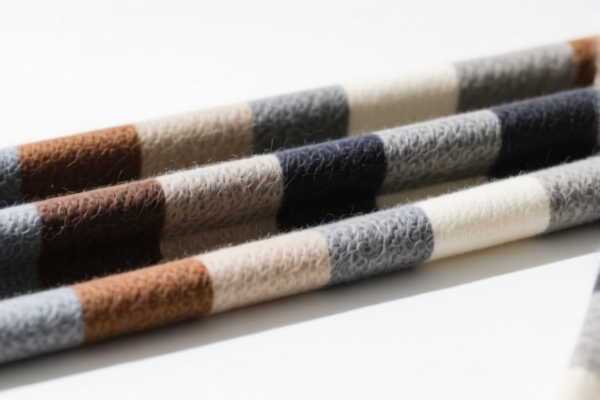
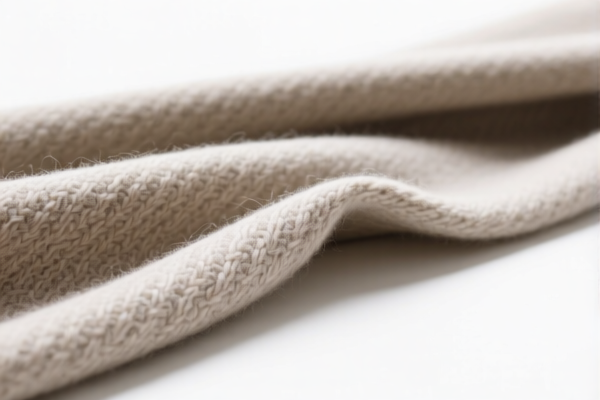
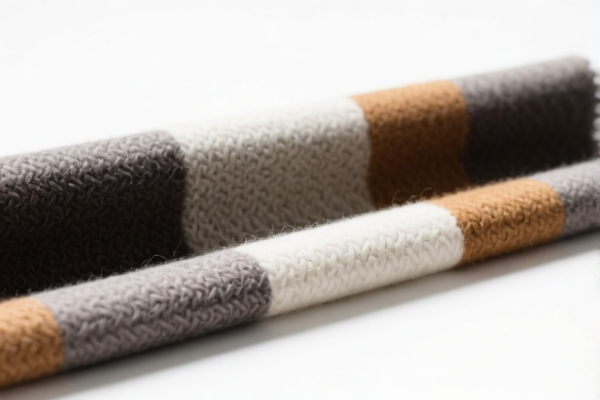
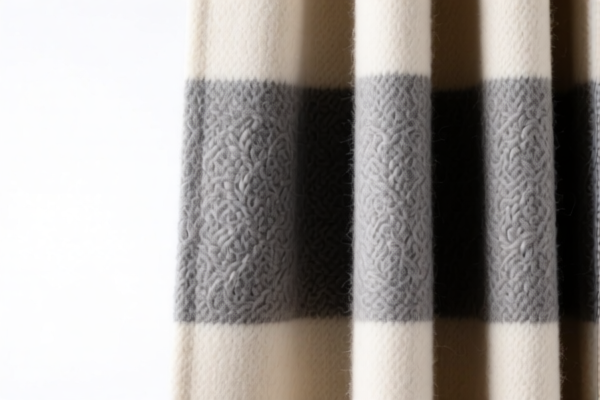
AI Analysis
🧶 Wool Blended Yarn (Textiles of Wool/Fine Animal Hair)
🌐 HS Code Reference & Customs Clearance Guide | 2026 Latest Tariff Full Analysis | Professional Clearance Strategy
📌 I. Product Definition & Classification: Do You Truly Understand "Wool Blended Yarn"?
Wool blended yarn is a crucial raw material in the textile industry, formed by blending wool (sheep or fine animal hair) with other fibers (such as synthetic fibers or other natural fibers) and twisting them into a continuous strand. In international trade, precise classification depends on the specific wool content, processing method (carded/combed), and twisting status.
Key Distinction Points:
- Wool vs. Wool Blended: If the product is 100% wool, it falls under Chapter 51 headings for "Wool"; if blended, it may fall under specific blended yarn categories or general wool yarn categories depending on the dominant fiber.
- Carded vs. Combed: Combed yarns (smoother, higher quality) have different HS codes than carded yarns.
- Knitting Yarn vs. Weaving Yarn: While the end use affects duty rates in some countries, the HS classification primarily relies on material composition and processing.
⚠️ Critical Note for This Data:
The provided data suggests high tariffs (41% - 60%), indicating this is likely imported into the United States from China. The presence of "Section 122" and "Additional Tariffs" confirms the 301/IEEPA trade war context. Do not assume standard MFN rates apply.
📦 II. HS Code Classification Details (Based on Provided DATA)
| HS Code | Product Description | Key Characteristics | Total Tariff | Tax Breakdown |
|---|---|---|---|---|
5107.10.60.00 |
Wool Knitting Yarn (Carded/Combed Specific) |
Material: Wool Form: Yarn Classification: Matches Combed Wool Yarn category. |
41.0% | Base: 6.0% + Addl: 25.0% + Sec 122: 10% |
5107.10.30.00 |
Wool Knitting Yarn (Carded Specific) |
Material: Wool Form: Yarn Classification: Matches Carded Wool Yarn category. |
41.0% | Base: 6.0% + Addl: 25.0% + Sec 122: 10% |
5106.10.00.90 |
Wool Yarn (Other/General) |
Material: Wool Form: Yarn Classification: Other Wool Yarn (not specifically carded/combed knitting yarn under 5107). |
41.0% | Base: 6.0% + Addl: 25.0% + Sec 122: 10% |
5112.90.90.10 |
Wool Blended Fabric (Woven) |
Material: Wool Blend Form: Fabric Classification: Woolen Spun Wool Woven Fabric characteristics. |
60.0% | Base: 25.0% + Addl: 25.0% + Sec 122: 10% |
5515.22.05.10 |
Wool Blended Fabric (Woven) |
Material: Wool Blend Form: Woven Classification: Wool Blend specific category. |
55.1% | Base: 20.1% + Addl: 25.0% + Sec 122: 10% |
🔍 Important Clarification:
Although the user input is "Wool Blended Yarn," the provided DATA includes both Yarn (5106/5107) and Fabric (5112/5515).
- If your product is YARN, focus on5107or5106.
- If your product is FABRIC (often confused with yarn in broad terms), focus on5112or5515.
Do not mix yarn and fabric classifications. Yarn is Chapter 51 (Yarn), Fabric is also Chapter 51 but different headings (5112/5515).
💰 III. 2026 Latest Tariff Rate Breakdown (Including Additional Taxes)
✅ Applicable Country: United States (US)
✅ Origin: China (CN) (Inferred from "Section 122" and "Additional Tariffs" structure)
✅ Effective Time: Current (Post-2025 Trade Policies)
🎯 1. Wool Yarn Categories (5107.10.60.00, 5107.10.30.00, 5106.10.00.90)
| Item | Content |
|---|---|
| Base MFN Rate | 6.0% (Standard for many wool yarns) |
| Section 301 Additional Tariff | +25.0% (Imposed on Chinese imports) |
| Section 122 Tariff | +10.0% (Specific trade remedy/legislation cited) |
| Total Effective Rate | 41.0% |
| Calculation Basis | CIF Value × 41% |
| De Minimis Exemption? | ❌ No (Section 301 and Section 122 tariffs typically exclude de minimis relief for small packages) |
| Legal Basis Chain | HTSUS:5107/5106 → USITC Footnote 301 (25%) → IEEPA/Section 122 (10%) |
📌 Explanation:
- Base 6%: The standard Most-Favored-Nation (MFN) duty for wool yarn under US HTSUS.
- 25% Additional: Under the Section 301 Trade Act, many textiles from China face a 25% surcharge.
- 10% Section 122: A specific tariff provision mentioned in the data, likely related to recent trade enforcement or bilateral agreements.
- Total 41%: This is a very high effective duty rate. Profit margins must be carefully calculated.
🎯 2. Wool Blended Fabric Categories (5112.90.90.10, 5515.22.05.10)
| Item | Content |
|---|---|
| Base MFN Rate | 20.1% - 25.0% (Higher for blended fabrics) |
| Section 301 Additional Tariff | +25.0% |
| Section 122 Tariff | +10.0% |
| Total Effective Rate | 55.1% - 60.0% |
| Calculation Basis | CIF Value × Total Rate |
| De Minimis Exemption? | ❌ No |
| Legal Basis Chain | HTSUS:5112/5515 → USITC Footnote 301 (25%) → IEEPA/Section 122 (10%) |
📌 Note:
- Fabric tariffs are significantly higher than yarn tariffs in this dataset.
-5112.90.90.10(60% total) is the most expensive, due to a higher base rate (25%) combined with the standard 25% + 10% surcharges.
-5515.22.05.10(55.1% total) has a slightly lower base rate (20.1%).
🛠️ IV. Customs Clearance Practical Advice (Pitfall Avoidance Guide)
✅ 1. Essential Documentation Checklist (Missing Items = Delays)
| Document | Required | Purpose |
|---|---|---|
| ✅ Commercial Invoice | ✔️ | Must clearly state "Wool Blended Yarn/Fabric," HS Code, and Country of Origin (China). |
| ✅ Packing List | ✔️ | Detail weight, dimensions, and number of packages. |
| ✅ Certificate of Origin (CO) | ✔️ | Crucial for proving origin. If not China, may avoid Section 301/122. |
| ✅ Fiber Content Label | ✔️ | Must specify exact % of wool and blend fibers (e.g., "60% Wool, 40% Polyester"). |
| ✅ Manufacturer’s Declaration | ✔️ | Confirm no prohibited substances (e.g., certain azo dyes). |
| ✅ Bill of Lading/Air Waybill | ✔️ | Standard shipping docs. |
✅ 2. Declaration Tips (Key Mantras)
🔥 “Accuracy is Key: Misclassification Leads to 41-60% Cost Surge!”
| Scenario | Correct Declaration | Incorrect Practice | Consequence |
|---|---|---|---|
| Product is Yarn | Declare as 5107.xxxx or 5106.10.00 |
Declare as Fabric (5112) |
Higher Tax (60%) if under-declared, or penalty if over-declared. |
| Product is Fabric | Declare as 5112.90.90 or 5515.22.05 |
Declare as Yarn (5107) |
Penalty for Misclassification. |
| Origin is China | Declare Origin: China | Hide Origin | Severe Penalties, Seizure, Fraud Charges. |
| Blended Content | Specify Exact % (e.g., 80% Wool) | Vague Label "Wool Blend" | Customs may re-classify to highest possible duty or demand full disclosure. |
✅ 3. Special Case Handling
| Situation | Handling Advice |
|---|---|
| OEM/Custom Yarn | Provide design specs and fiber composition test reports. |
| Small Samples | Still subject to 41-60% duty! No de minimis exemption for Section 301/122 goods. |
| Transshipment | If shipped from Vietnam/Malaysia but made in China, DO NOT try to mislabel origin. CBP has strict traceability rules. |
| High-Value Yarn | Consider Advance Ruling from US CBP to confirm HS code before shipment. |
🌍 V. Global Market Comparison (2026)
| Country/Region | Recommended HS Code | Estimated Duty (China Origin) | Certifications | Notes |
|---|---|---|---|---|
| 🇺🇸 USA | 5107.10.60.00 / 5112.90.90 |
41% - 60% | None specific (but fiber content must be labeled) | Highest Cost due to 301/122 tariffs. |
| 🇨🇳 China | 5107.10.60.00 |
Low/Moderate (Import Duty) | CCC (if applicable) | For export from China, duty is not relevant; focus on export controls. |
| 🇪🇺 EU | 5107.21.00 (Example) |
0% - 12% | REACH, OEKO-TEX | No 301/122 equivalent. Much lower duty than US. |
| 🇬🇧 UK | 5107.21.00 |
0% - 12% | UK CA | Post-Brexit, similar to EU but separate regime. |
| 🇯🇵 Japan | 5107.21.00 |
0% - 8% | JIS Standards | Low duty, strong trade ties. |
📌 Conclusion:
- USA is the most expensive market for wool blends from China due to additional tariffs.
- Consider supply chain diversification (e.g., sourcing from India, Peru, or New Zealand) if targeting the US market to avoid 301/122 tariffs.
- EU/UK/Japan offer significantly lower duty rates (often 0-12%) for wool products.
📌 VI. Common Errors & Pitfalls (Lessons Learned)
❌ Error 1: Classifying Wool Fabric as Wool Yarn to save tax.
👉 Consequence: CBP audits will reclassify, leading to back duties + interest + penalties.
❌ Error 2: Assuming De Minimis ($800 threshold) applies.
👉 Consequence: Incorrect. Section 301 and Section 122 tariffs apply regardless of value. Small shipments are NOT exempt.
❌ Error 3: Vague Description: "Wool Yarn."
👉 Consequence: Customs may ask for clarification, causing 1-4 week delays. Use: "100% Wool Carded Yarn, 2/20 Nep, for Knitting, Made in China."
✅ Correct Practice:
Product Name: Wool Blended Knitting Yarn
Composition: 80% Wool, 20% Acrylic
Form: Spooled Yarn
HS Code:5107.10.60.00(if combed) or5107.10.30.00(if carded)
Origin: China
Declared Value: CIF $10,000
Estimated Duty: $4,100 (41%)
🎯 VII. Conclusion: Professional Classification Saves Money!
🎯 Remember the Mantra:
🔹 "Yarn vs. Fabric: Choose Correctly!"
🔹 "China Origin: Expect 41-60% Total Duty!"
🔹 "No De Minimis Exemption for Section 301/122!"
📌 Pro Tip:
If your wool blended yarn/fabric is not made in China (e.g., Made in India, Peru, or Italy), you may avoid the 25% Section 301 and 10% Section 122 tariffs entirely, potentially reducing duties to 6-12%.
Always verify Country of Origin before shipping.
📣 Immediate Action:
📞 Consult a Customs Broker to file a Pre-Ruling if unsure about HS Code.
📊 Calculate Landed Cost: Include 41-60% duty in your pricing model.
🚀 Consider Alternative Markets: EU/UK may be more profitable for Chinese wool blends.
✨ Professional Clearance Starts with Accurate Classification!
💼 Every Percent of Duty Saved is Pure Profit!
Customer Reviews
About HS Code Classification
The Harmonized System (HS) is an internationally standardized nomenclature developed by the World Customs Organization (WCO) to classify traded products. Over 200 countries use the HS system as the basis for customs tariffs, trade statistics, and import/export regulations.
Each HS code follows a hierarchical structure:
- Chapter (2 digits) — Broad category of goods (e.g., Chapter 84: Machinery and Mechanical Appliances)
- Heading (4 digits) — More specific grouping within the chapter
- Subheading (6 digits) — Internationally standardized breakdown, used by all WCO member countries
- National subdivisions (8-10 digits) — Country-specific extensions for further classification, such as US HTSUS 10-digit codes
Correct HS code classification is essential for smooth customs clearance, accurate duty payment, and compliance with trade regulations. Misclassification can lead to customs delays, overpayment of duties, or penalties.
When importing from CN to US, the applicable tariff rates may include:
- Most-Favored-Nation (MFN) rate — The standard duty rate applied to WTO members
- General rate — Applied to countries without trade agreements
- Trade remedy duties — Additional tariffs such as Section 301 (anti-dumping), Section 232 (national security), or countervailing duties
The information provided on this page is for reference purposes only. For official classification, please consult with your local customs authority or a licensed customs broker.