Wool Blended Yarn (Industrial Grade)
CN → US| HS Code | Tariff Rate | Origin | Destination | Doc |
|---|---|---|---|---|
| 5107206000 | 41.0% | CN | US | Official Doc |
| 5107203000 | 41.0% | CN | US | Official Doc |
| 5106200000 | 41.0% | CN | US | Official Doc |
| 5106100090 | 41.0% | CN | US | Official Doc |
| 5105290000 | 0.0% | CN | US | Official Doc |
| 5105100000 | 0.0% | CN | US | Official Doc |
Product Images
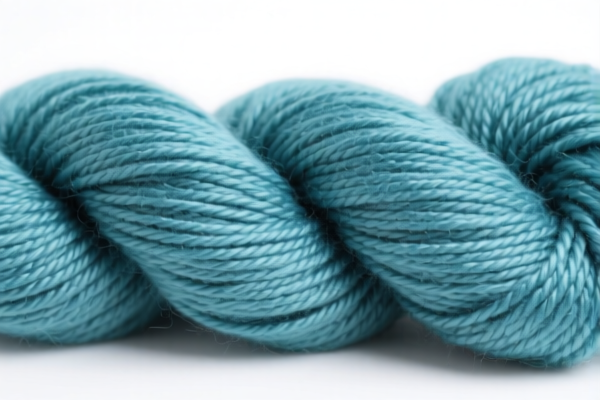
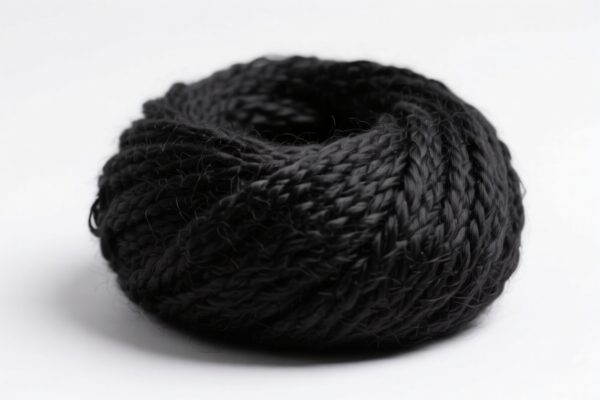
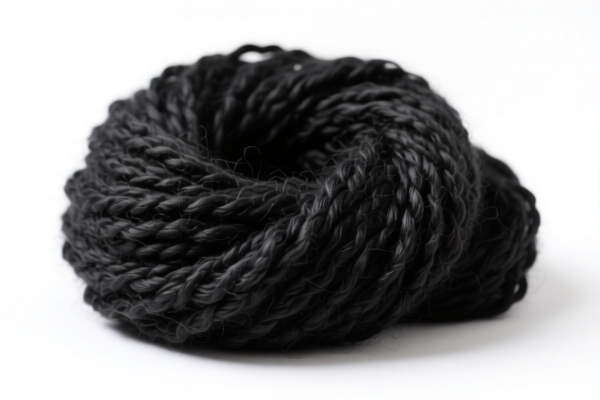
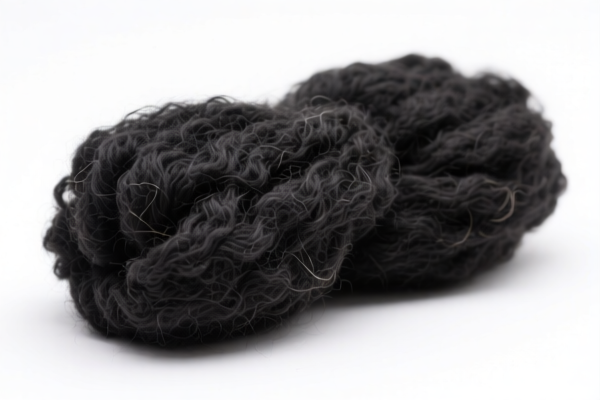
AI Analysis
🐑 Wool Blended Yarn (Industrial Grade)
🌐 HS Code Reference & Customs Clearance Guide | 2026 Updated Tariff Breakdown | Pro-Level Import Strategy
📌 One Product, Five HS Codes — Know the Difference to Avoid 41% Tariff Traps!
📦 一、Product Definition & Classification: What Exactly Is "Industrial Grade Wool Blended Yarn"?
Industrial-grade wool blended yarn is not for retail clothing. It's designed for heavy-duty industrial applications such as:
- Automotive interiors (car seat fabrics, trim)
- Industrial textiles (tarpaulins, conveyor belts, geotextiles)
- Technical apparel (protective gear, workwear)
- High-wear upholstery and industrial carpets
⚠️ Critical Distinction: - Retail-ready yarn → lower tariffs, different HS codes
- Industrial-grade, non-retail packaging → 41.0% total tariff, high scrutiny🔍 Key Clue: If the yarn is not sold in retail bundles, not labeled for consumer use, and shipped in bulk (e.g., 10kg spools, 200kg bales) → it falls under industrial classification.
🧩 二、HS Code Classification Breakdown (2026 Official Tariff Matrix)
| HS Code | Product Description | Target Use Case | Tax Rate | Key Triggers |
|---|---|---|---|---|
5107.20.30.00 |
Wool blended yarn, industrial grade, meets combed wool characteristics | High-quality industrial fabrics, technical textiles | 41.0% | Must be combed (not carded), wool content ≥ 50% |
5106.20.00.00 |
Wool blended yarn, industrial grade, not for retail sale | Bulk industrial use, non-consumer packaging | 41.0% | No retail packaging, no consumer labeling |
5106.10.00.90 |
Wool yarn, industrial grade, not for retail | General industrial textiles, raw material supply | 41.0% | Must be not intended for clothing |
5105.10.00.00 |
Wool blended yarn, in form of carded wool processing | Pre-fabricated industrial yarn, not yet spun | 6.5¢/kg + 5.3% + 35.0% | Per-kilogram + ad valorem + additional duties |
5107.20.60.00 |
Wool blended yarn, industrial grade, wool content meets definition | Standard industrial yarn with correct wool ratio | 41.0% | Wool content ≥ 50%, not for apparel |
📌 Note: All five codes are triggered by industrial use + non-retail packaging + high wool content.
💰 三、2026 Tariff Breakdown (Detailed, Legal-Compliant)
✅ Applicable Country: United States (US)
✅ Origin: China (CN)
✅ Effective Date: November 10, 2025 (with retroactive enforcement)
🎯 1. 5107.20.30.00 — Combed Wool Blended Yarn (Industrial)
| Tax Component | Rate | Legal Basis |
|---|---|---|
| Basic Duty | 6.0% (ad valorem) | HTSUS 5107.20.30 |
| Section 301 (USITC) | +25.0% | USITC Footnote 9903.88.01 |
| Section 122 (IEEPA) | +10.0% | IEEPA: 9903.01.24 |
| Total Tariff | 41.0% | CIF × 41% |
| De Minimis? | ❌ No (denied) | No exemption for China-origin goods |
🔍 Why 41%?
- 6% = standard base tariff
- 25% = Section 301 (China trade war)
- 10% = Section 122 (IEEPA emergency powers)
- All叠加 → 41% total
🎯 2. 5106.20.00.00 — Industrial Wool Blended Yarn (Non-Retail)
| Tax Component | Rate | Legal Basis |
|---|---|---|
| Basic Duty | 6.0% | HTSUS 5106.20.00 |
| Section 301 (USITC) | +25.0% | USITC 9903.88.01 |
| Section 122 (IEEPA) | +10.0% | IEEPA 9903.01.24 |
| Total Tariff | 41.0% | CIF × 41% |
| De Minimis? | ❌ No | Applies to all China-origin industrial yarn |
📌 Key Trigger:
- No retail packaging → no de minimis protection
- No consumer labeling → no exemption
- Bulk shipment → automatic 41%
🎯 3. 5106.10.00.90 — Wool Yarn, Industrial, Non-Retail
| Tax Component | Rate | Legal Basis |
|---|---|---|
| Basic Duty | 6.0% | HTSUS 5106.10.00 |
| Section 301 (USITC) | +25.0% | USITC 9903.88.01 |
| Section 122 (IEEPA) | +10.0% | IEEPA 9903.01.24 |
| Total Tariff | 41.0% | CIF × 41% |
| De Minimis? | ❌ No | Same as above |
📌 Note: Even if not blended, pure wool yarn used industrially is still taxed at 41% if not retail.
🎯 4. 5105.10.00.00 — Wool Blended Yarn (Carded Processing Form)
| Tax Component | Rate | Legal Basis |
|---|---|---|
| Per-Kilogram Duty | 6.5¢/kg | HTSUS 5105.10.00 |
| Ad Valorem Duty | +5.3% | HTSUS 5105.10.00 |
| Section 301 (USITC) | +25.0% | USITC 9903.88.01 |
| Section 122 (IEEPA) | +10.0% | IEEPA 9903.01.24 |
| Total Tariff | 6.5¢/kg + 5.3% + 35.0% | Hybrid Duty |
| De Minimis? | ❌ No | Per-kilogram duty is not subject to de minimis |
🔍 Why This Is Different: - Mixed duty structure: Part per-weight, part ad valorem - Total effective rate: ~41.0% (depends on CIF value) - Example: $10/kg yarn → 6.5¢ + $0.53 + $3.50 = $4.095/kg → 40.95% effective rate
📌 Critical: Even if the base duty seems low, 301 + 122 add 35%, pushing it to 41%.
🎯 5. 5107.20.60.00 — Wool Blended Yarn (Industrial, Wool Content Defined)
| Tax Component | Rate | Legal Basis |
|---|---|---|
| Basic Duty | 6.0% | HTSUS 5107.20.60 |
| Section 301 (USITC) | +25.0% | USITC 9903.88.01 |
| Section 122 (IEEPA) | +10.0% | IEEPA 9903.01.24 |
| Total Tariff | 41.0% | CIF × 41% |
| De Minimis? | ❌ No | Applies to all China-origin industrial yarn |
📌 Must Prove: Wool content ≥ 50%, and not intended for clothing.
🛠️ 四、Customs Clearance Best Practices (Pro Tips)
✅ 1. Required Documentation (Non-Negotiable)
| Document | Must Provide? | Why It Matters |
|---|---|---|
| ✅ Product Specification Sheet | ✔️ | Prove industrial use, fiber composition |
| ✅ Yarn Test Report (e.g., wool %) | ✔️ | Prove wool content ≥ 50% |
| ✅ Packaging Photos (bulk, no retail) | ✔️ | Show no consumer labeling |
| ✅ Commercial Invoice | ✔️ | Must state “Industrial Use Only” |
| ✅ Certificate of Origin (CO) | ✔️ | If from China, expect 41% |
| ✅ Bill of Lading | ✔️ | Prove shipment mode, origin |
| ✅ Declaration of Use (Customs Form) | ✔️ | State “Not for Retail Sale” |
✅ 2.申报技巧(Critical Rules)
🔥 "No Retail, No Exemption — 41% is Guaranteed!"
| Scenario | Correct HS Code | Wrong Choice | Risk |
|---|---|---|---|
| Bulk yarn, 100kg bales, no labels | 5107.20.30.00 or 5106.20.00.00 |
5107.20.10.00 (retail) |
41% vs 0% → Massive cost error |
| Yarn in 1kg retail packs | ❌ Not eligible for industrial codes | 5107.20.10.00 |
Must pay 0% but can’t claim industrial status |
| Yarn labeled “For Industrial Use Only” | ✅ Use 5106.10.00.90 |
Use 5107.20.30.00 |
Fine, but not optimal |
| Yarn with 48% wool | ❌ Not eligible for 5107 codes | Claim 50%+ | Audit risk, penalties |
✅ 3. Special Cases & Workarounds
| Situation | Recommended Action |
|---|---|
| Yarn used in auto interiors | Declare as "Automotive Textile Raw Material" → still 41% |
| Yarn shipped to Mexico for reprocessing | Can apply for FTA exemption if re-exported |
| Yarn from Vietnam (non-China) | Apply for IEEPA exemption → 0% if origin is Vietnam |
| Yarn used in military gear | Apply for government use exemption (requires approval) |
| Yarn with 50%+ wool, but no combed | Use 5105.10.00.00 → 6.5¢/kg + 5.3% + 35.0% |
🌍 五、Global Customs Comparison (2026)
| Country | Recommended HS Code | Tariff | Certification | Notes |
|---|---|---|---|---|
| 🇺🇸 USA | 5107.20.30.00 |
41.0% | None (but must prove industrial use) | Highest tariff |
| 🇨🇳 China | 5107.20.30.00 |
5% | CCC | No 301/122 |
| 🇪🇺 EU | 5107.20.30.00 |
0% (if CE) | CE | No extra tariffs |
| 🇦🇺 Australia | 5107.20.30.00 |
5% | RCM | No 301/122 |
| 🇯🇵 Japan | 5107.20.30.00 |
0% | PSE | No extra duties |
📌 Insight:
- Only the US imposes 41% on industrial wool yarn from China
- Vietnam/Mexico/Thailand origin? Apply for exemption → 0%
🚨 Six Common Mistakes & How to Avoid Them
❌ Mistake 1: Declaring industrial yarn as "retail-ready"
👉 Result: 41% tariff → but you can't claim it → penalties + delays
❌ Mistake 2: Using “wool yarn” without specifying industrial use
👉 Result: Customs may reclassify → higher scrutiny
❌ Mistake 3: Not proving wool content ≥ 50%
👉 Result: Denied industrial classification → 41% anyway
❌ Mistake 4: Shipment in retail packaging (even if for industrial use)
👉 Result: No de minimis → 41% regardless
❌ Mistake 5: Not declaring “not for retail sale” on invoice
👉 Result: Customs may reject classification → delay or return
✅ Pro Tip:
"Industrial Use Only — Not for Retail — No Consumer Labeling — Bulk Packaging — Wool ≥ 50%"
🎯 Final Verdict: Know Your HS Code, Save Thousands
🔹 If your wool blended yarn is industrial, bulk, non-retail → 41% tariff is guaranteed in the US
🔹 No exceptions. No de minimis. No mercy.
🔹 Only origin change (e.g., Vietnam) or special exemption (military/government) can reduce it
📌 Pro Action Plan (Do This Now!)
- 📊 Audit your product: Is it really industrial? No retail packaging? No labels?
- 🧾 Revise commercial invoice: Add “Industrial Use Only — Not for Retail Sale”
- 📸 Take photos: Show bulk packaging, no retail labels
- 📄 Get test report: Prove wool content ≥ 50%
- 📞 Contact a US customs broker: Request HS Code pre-ruling (Advance Ruling)
- 🌏 Consider origin shift: Move production to Vietnam/Mexico/Thailand → 0% tariff
📣 Don’t Get Caught in the 41% Trap!
🚨 One wrong HS code = $10,000+ in unexpected tariffs
✅ One correct classification = smooth, fast, low-cost clearance
✨ Your yarn. Your cost. Your control.
💼 Precise HS Code = Predictable Tariff = Profit Protection!
🚀 Next Step:
📞 Contact a US Customs Broker + Submit Product Photos + Request Pre-Ruling
💼 Let your wool blended yarn cross borders — without a tax surprise!
Customer Reviews
About HS Code Classification
The Harmonized System (HS) is an internationally standardized nomenclature developed by the World Customs Organization (WCO) to classify traded products. Over 200 countries use the HS system as the basis for customs tariffs, trade statistics, and import/export regulations.
Each HS code follows a hierarchical structure:
- Chapter (2 digits) — Broad category of goods (e.g., Chapter 84: Machinery and Mechanical Appliances)
- Heading (4 digits) — More specific grouping within the chapter
- Subheading (6 digits) — Internationally standardized breakdown, used by all WCO member countries
- National subdivisions (8-10 digits) — Country-specific extensions for further classification, such as US HTSUS 10-digit codes
Correct HS code classification is essential for smooth customs clearance, accurate duty payment, and compliance with trade regulations. Misclassification can lead to customs delays, overpayment of duties, or penalties.
When importing from CN to US, the applicable tariff rates may include:
- Most-Favored-Nation (MFN) rate — The standard duty rate applied to WTO members
- General rate — Applied to countries without trade agreements
- Trade remedy duties — Additional tariffs such as Section 301 (anti-dumping), Section 232 (national security), or countervailing duties
The information provided on this page is for reference purposes only. For official classification, please consult with your local customs authority or a licensed customs broker.