Wool blended uncombed lining fabric
CN → US| HS Code | Tariff Rate | Origin | Destination | Doc |
|---|---|---|---|---|
| 5112303000 | 60.0% | CN | US | Official Doc |
| 5112909010 | 60.0% | CN | US | Official Doc |
| 5111209000 | 60.0% | CN | US | Official Doc |
| 5111309000 | 60.0% | CN | US | Official Doc |
| 5515130510 | 60.0% | CN | US | Official Doc |
Product Images
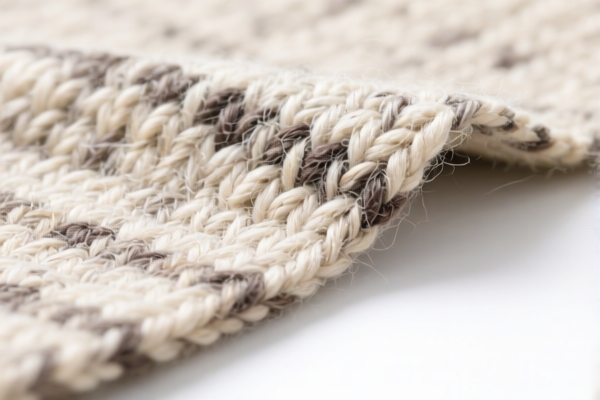
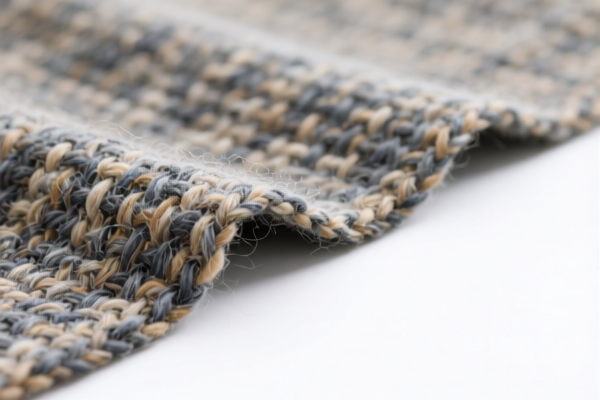
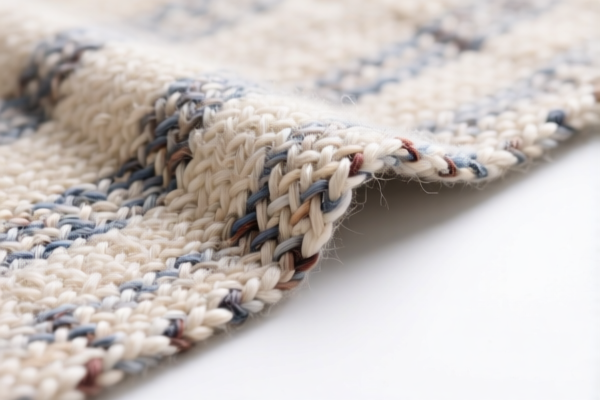
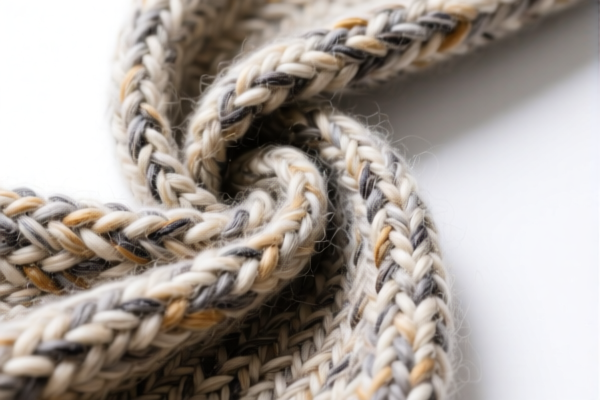
AI Analysis
🧶 Wool Blended Uncombed Lining Fabric (The "Raw" Wool Look)
🌐 HS Code Reference & Customs Clearance Guide | 2026 Latest Tariff Analysis | Professional Compliance Strategy
📌 I. Product Definition & Classification: Do You Understand "Uncombed" Wool?
"Wool Blended Uncombed Lining Fabric" refers to textiles made from wool or fine animal hair that has been processed via carding (brushing) rather than combing. Unlike combed wool, which produces smooth, parallel fibers ideal for fine suitings, uncombed wool retains the natural alignment and slight felting potential of the fibers, often resulting in a slightly rougher texture, higher bulk, and specific drape characteristics.
In international trade, this distinction is critical because the processing method (carded vs. combed) dictates the HS Code chapter and subheading.
⚠️ Key Distinction Point:
- "Uncombed" (Carded): Fibers are not aligned perfectly parallel. Often used for coats, linings, felt, or heavy suiting. → HS 5111 Series (Carded)
- "Combed": Fibers are aligned, smoother, finer. → HS 5112/5113 Series
- "Blended": Contains other fibers (e.g., polyester, nylon) but wool content is significant. → Specific HS Codes based on blend type
📦 II. HS Code Classification Details (2026 Latest Tariff Authority)
Based on your input, the following HS Codes apply to "Wool Blended Uncombed Lining Fabric". All items listed below incur a Total Tax Rate of 60.0% due to US trade restrictions on Chinese-origin wool textiles.
| HS Code | Product Description | Application Scenario | Key Characteristic |
|---|---|---|---|
5112.30.30.00 |
Wool Blended Fabric, Carded (Combed Animal Hair) | Uncombed wool blends with fine animal hair (e.g., cashmere/mohair). | Compliant with "Carded Wool or Carded Fine Animal Hair" weave. |
5112.90.90.10 |
Wool Blended Fabric, Other Carded | Other uncombed wool blends not specified elsewhere. | Compliant with general "Carded Wool/Fine Animal Hair" weave. |
5111.20.90.00 |
Wool Blended Fabric, Carded (Wool Only/Primary) | Blends where wool is the primary fiber, carded process. | Compliant with "Carded Wool" weave. |
5111.30.90.00 |
Wool Blended Fabric, Carded (Wool + Fine Hair) | Blends of carded wool and fine animal hair. | Compliant with "Carded Wool or Fine Animal Hair" weave. |
5515.13.05.10 |
Wool Blended Fabric (Synthetic Blend) | Wool blended with synthetic fibers (e.g., polyester). | Compliant with "Wool/Fine Animal Hair with Synthetics" weave. |
🔍 Critical Reminder:
- The term "Uncombed" is legally interpreted as "Carded" in US Customs terminology.
- All listed codes above carry a 60% Total Tax Rate.
- Do NOT classify these under "Combed" (e.g., 5112.10-5112.20) as this is a factual error that will lead to penalties.
💰 III. 2026 Latest Tariff Rate Breakdown (Including Surtaxes & Policy Add-ons)
✅ Applicable Country: United States (US)
✅ Country of Origin: China (CN)
✅ Effective Date: 2025 November 10 onwards (Includes all future imports)
🎯 Universal Tax Structure for All 5 HS Codes
For all the HS Codes listed in Section II (5112.30.30.00, 5112.90.90.10, 5111.20.90.00, 5111.30.90.00, 5515.13.05.10), the tariff structure is identical:
| Item | Content |
|---|---|
| Base Tariff (MFN) | 25.0% (Standard US duty for wool textiles) |
| Section 301 Surcharge | 25.0% (From USITC Footnote under Section 301) |
| Section 122 Tariff | 10.0% (Specific legislative add-on for certain textiles/apparel) |
| Total Tax Rate | 60.0% |
| Tax Calculation | CIF Value × 60% |
| De Minimis Exemption? | ❌ NOT ELIGIBLE (Section 321 De Minimis does not apply to Section 301 or 122 goods) |
| Legal Basis Path | USITC: [HS Code] → FOOTNOTE: 301 + IEEPA: 122 Clause |
📌 Explanation:
- "Base Tariff 25%": Standard Most Favored Nation (MFN) rate for wool fabrics.
- "Section 301 Surcharge 25%": Imposed on Chinese-origin goods under Trade Act of 1974, Section 301.
- "Section 122 Tariff 10%": A specific legislative provision often applied to certain textile/apparel imports to protect domestic production.
- Total 60%: This is a very high effective tariff rate. It significantly impacts profitability.
- No De Minimis: Unlike low-value shipments (< $800), these goods are excluded from de minimis treatment, meaning every single item is subject to full customs duty and surcharges.
🛠️ IV. Customs Clearance Operational Advice (Practical Pitfall Avoidance)
✅ 1. Documentation Checklist (Mandatory)
| Document | Required? | Notes |
|---|---|---|
| ✅ Commercial Invoice | ✔️ | Must clearly state: "Wool Blended Fabric, Carded/Uncombed", HS Code, Country of Origin: China. |
| ✅ Packing List | ✔️ | Detail weight, dimensions, number of rolls/bales. |
| ✅ Fiber Content Statement | ✔️ | Must specify % of Wool, % of Fine Animal Hair, % of Synthetic Fibers. |
| ✅ Process Description | ✔️ | Explicitly state: "Carded Process (Uncombed)" to justify HS Code 5111/5112 series. |
| ✅ Origin Certificate | ✔️ | Proof of Chinese origin is critical for applying the correct surcharges. |
| ✅ Photos of Fabric | ✔️ | Show texture, label, and composition tag. |
⚠️ Risk: If the invoice says "Combed" but the fabric is "Uncombed", Customs may reclassify and impose penalties. Be precise.
✅ 2. Classification Strategy (Key Tips)
| Scenario | Correct HS Code | Incorrect Code | Consequence |
|---|---|---|---|
| Uncombed/Carded Wool Blend | 5111.xxxx or 5112.30/90 |
5112.10 (Combed) |
Penalty for misclassification. |
| Wool + Polyester Blend | 5515.13.05.10 |
5111.xxxx |
Wrong chapter, potential audit. |
| Wool + Mohair Blend (Uncombed) | 5112.30.30.00 |
5112.90.90.10 |
Minor rate difference, but accuracy matters. |
🔥 Golden Rule:
"Uncombed = Carded". Always use the term "Carded" in your technical descriptions to align with US Customs terminology. "Uncombed" is the physical state, but "Carded" is the legal classification term.
✅ 3. Special Circumstances
| Situation | Handling Advice |
|---|---|
| Small Samples (< $800) | ❌ NOT ELIGIBLE for De Minimis. You must file formal entry and pay 60% tax. Do not attempt to ship as "gift" or "sample" to avoid duty. |
| Mixed Containers | If mixed with non-subject goods, all wool items are subject to 60%. Do not try to under-declare value. |
| Re-export/Transshipment | If shipped via Mexico/Canada, ensure no substantial transformation occurs. US Customs will still look through to Chinese origin if rules of origin are not met. |
🌍 V. Global Market Comparison (2026)
| Country/Region | Recommended HS Code | Tariff (China Origin) | Notes |
|---|---|---|---|
| 🇺🇸 USA | 5111.20.90.00 etc. |
60% | Includes Base 25% + 301 25% + 122 10%. |
| 🇨🇳 China | 5111.20.90.00 |
~10-15% | Import duty for domestic use. |
| 🇪🇺 EU | 5111.20.90.00 |
~10-12% | No Section 301 or 122. |
| 🇬🇧 UK | 5111.20.90.00 |
~12-14% | Post-Brexit tariffs. |
📌 Conclusion:
- USA is the most expensive market due to the unique combination of Base + 301 + 122 tariffs.
- Alternative Strategy: Consider sourcing from Vietnam or Bangladesh (if wool is not of Chinese origin) to avoid the 25% Section 301 surcharge. However, the 10% Section 122 may still apply depending on specific legislative updates.
📌 VI. Common Errors & Pitfalls (Blood Lessons)
❌ Error 1: Using "Combed" HS Codes for "Uncombed" Fabric
👉 Result: Misclassification, potential penalties, and duty underpayment notices.
❌ Error 2: Assuming De Minimis Applies
👉 Result: Package seized by CBP, fines, and mandatory payment of 60% + storage fees.
❌ Error 3: Vague Description "Wool Fabric"
👉 Result: Customs cannot determine if it's Carded or Combed, leading to examination delays and potential audit.
❌ Error 4: Ignoring Section 122
👉 Result: Underpaying by 10%, leading to retroactive tax + interest.
✅ Correct Practice:
"Wool Blended Fabric, Carded Process, 60% Wool, 40% Polyester, Uncombed Structure, HS 5111.20.90.00, Origin: China"
🎯 VII. Conclusion: Professional Clearance, Cost Control
🎯 Key Takeaway:
🔹 "Uncombed = Carded": Use the correct legal term.
🔹 "60% Total Tax": No surprises. Budget accordingly.
🔹 "No De Minimis": Even small shipments pay full duty.
📌 Tips:
- If volume is high, consider Section 321 exemption planning (though currently not available for these HS codes).
- Advance Ruling: Request a US Customs and Border Protection (CBP) Advance Ruling before shipment to confirm the HS Code and tax rate. This provides legal certainty.
📣 Immediate Action:
📞 Contact your freight forwarder.
📄 Prepare detailed fiber and process documentation.
📉 Calculate landed cost including 60% duty.
🚀 Plan for formal customs entry for every shipment, regardless of value.
✨ Professional clearance starts with accurate classification!
💼 Every percent of tax saved is pure profit lost if not planned!
Customer Reviews
About HS Code Classification
The Harmonized System (HS) is an internationally standardized nomenclature developed by the World Customs Organization (WCO) to classify traded products. Over 200 countries use the HS system as the basis for customs tariffs, trade statistics, and import/export regulations.
Each HS code follows a hierarchical structure:
- Chapter (2 digits) — Broad category of goods (e.g., Chapter 84: Machinery and Mechanical Appliances)
- Heading (4 digits) — More specific grouping within the chapter
- Subheading (6 digits) — Internationally standardized breakdown, used by all WCO member countries
- National subdivisions (8-10 digits) — Country-specific extensions for further classification, such as US HTSUS 10-digit codes
Correct HS code classification is essential for smooth customs clearance, accurate duty payment, and compliance with trade regulations. Misclassification can lead to customs delays, overpayment of duties, or penalties.
When importing from CN to US, the applicable tariff rates may include:
- Most-Favored-Nation (MFN) rate — The standard duty rate applied to WTO members
- General rate — Applied to countries without trade agreements
- Trade remedy duties — Additional tariffs such as Section 301 (anti-dumping), Section 232 (national security), or countervailing duties
The information provided on this page is for reference purposes only. For official classification, please consult with your local customs authority or a licensed customs broker.