Wool fleece and shoddy
CN → US| HS Code | Tariff Rate | Origin | Destination | Doc |
|---|---|---|---|---|
| 5102200000 | 35.0% | CN | US | Official Doc |
| 5102199000 | 0.0% | CN | US | Official Doc |
Product Images
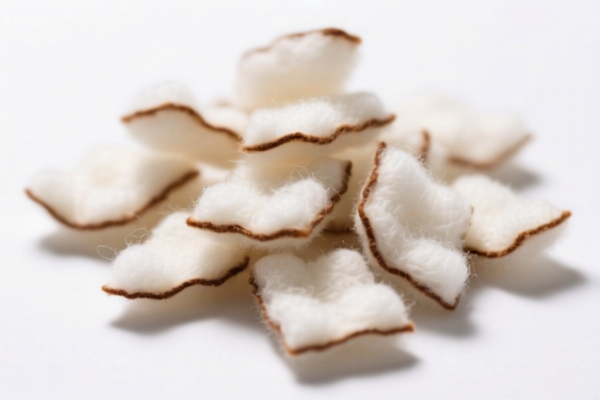
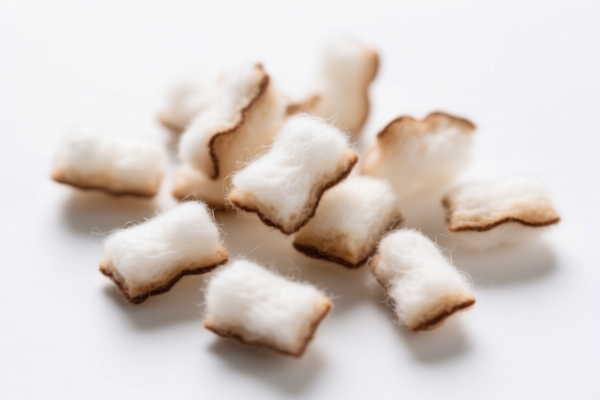
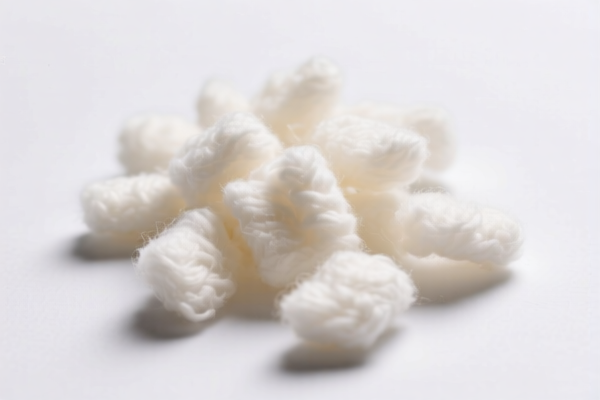
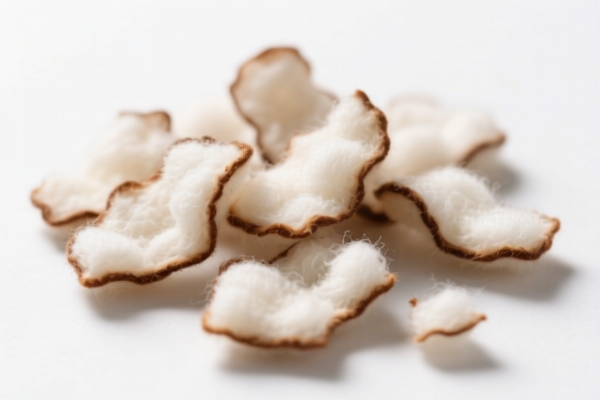
AI Analysis
🐑 Wool Fleece and Shoddy (Raw Animal Hair)
🌐 HS Code Reference & Customs Clearance Guide | 2026 Latest Tariff Analysis | Professional Clearance Strategy
📌 I. Product Definition: Do You Truly Understand "Wool Fleece" and "Shoddy"?
Wool fleece and shoddy, under international trade classification, refer primarily to animal hair in its raw, unprocessed, or minimally processed state. The critical distinction lies in the fiber diameter and processing state:
Coarse Animal Hair (e.g., Horsehair, Yak hair, Goat hair for carpets): Often referred to as "Fleece" in a broad sense, but technically classified under Coarse Animal Hair if the fiber diameter is large and stiff.
Fine Animal Hair (e.g., Cashmere, Mohair, Alpaca, Sheep Wool for garments): Known as "Fine Animal Hair," used for high-end textiles.
Shoddy: Reclaimed wool or other animal fibers obtained by raking or tearing up woven, knitted, or felted waste. Note: The provided DATA focuses on raw hair (not carded/combed). Reclaimed fibers (Shoddy) often fall under different sub-headings (e.g., Ch. 55 or 60), but if the input specifically points to "Wool Fleece and Shoddy" in the context of raw hair imports, we must analyze the raw hair aspect first as per the provided HS Codes.
⚠️ Key Distinction Point:
- If the material is Coarse Animal Hair (thick, stiff, used for brushes, felt, carpets) → Classified under 5102.20.00.00
- If the material is Fine Animal Hair (soft, used for garments) → Classified under 5102.19.90.00
- Crucial: "Shoddy" (reclaimed fiber) is generally not "raw hair not carded/combed." However, if the user input implies raw wool/fleece vs. processed waste, the provided data strictly covers Raw Hair. We will analyze based on the two HS Codes provided in the DATA.
📦 II. HS Code Classification Details (2026 Latest Tariff Authority Comparison)
| HS Code | Product Description | Application Scenario | Processing State | Fiber Type |
|---|---|---|---|---|
5102.20.00.00 |
Coarse animal hair, not carded or combed | Horsehair, Yak hair, Coarse goat hair, Carpets, Brushes | Raw, unprocessed | Coarse |
5102.19.90.00 |
Fine animal hair, not carded or combed: Other | Cashmere, Mohair, Alpaca, Fine Sheep Wool | Raw, unprocessed | Fine |
🔍 Key Reminder:
- "Not Carded or Combed": This is the critical legal definition. If the hair has been carded or combed, it falls under 5101 or 5103, not 5102.
- "Shoddy" vs. "Raw Hair": True "Shoddy" (reclaimed fiber) is typically waste material. If the import is raw fleece, it is 5102. If it is reclaimed shoddy, it may fall under 5505 or 5104. However, based strictly on the provided DATA, we only have classifications for Raw Hair. Therefore, we assume the user is importing Raw Wool/Fleece or Raw Coarse Hair.
💰 III. 2026 Latest Tariff Rate Details (Including Additional Taxes)
✅ Applicable Country: United States (US)
✅ Origin: China (CN) (Assumed based on typical trade context for "Shoddy/Fleece" analysis in US-China trade)
✅ Effective Time: Current 2026 Tariff Schedule
🎯 1. 5102.20.00.00 —— Coarse Animal Hair (Not Carded/Combed)
| Item | Content |
|---|---|
| Base Tariff Rate | 0% (ad valorem) |
| Additional Tariff (Section 301/Trade War) | +25.0% |
| Total Tariff Rate | 25.0% |
| Tax Calculation | CIF Value × 25% |
| De Minimis Exemption | ❌ Not Eligible (Section 301 goods are excluded from de minimis) |
| Legal Basis Path | USITC:5102.20.00.00 → FOOTNOTE:301.88.01 (Section 301) |
📌 Explanation:
- Coarse animal hair (such as horsehair or coarse goat hair) is subject to a 25% additional tariff under US Section 301 measures if originating from China.
- The base rate is 0%, but the 25% penalty tax makes the total cost significant.
- Note: If the coarse hair is from a country with a Free Trade Agreement (e.g., Australia, Canada), the rate may be 0%. But for China, it is 25%.
🎯 2. 5102.19.90.00 —— Fine Animal Hair (Not Carded/Combed)
| Item | Content |
|---|---|
| Base Tariff Rate | 0% (ad valorem) |
| Additional Tariff (Section 301/Trade War) | 0.0% |
| Total Tariff Rate | 0.0% |
| Tax Calculation | CIF Value × 0% = $0 |
| De Minimis Exemption | ✅ Eligible (If under $800, may qualify for Section 321 de minimis, check specific policy updates) |
| Legal Basis Path | USITC:5102.19.90.00 → No Section 301 Footnote |
📌 Note:
- Fine animal hair (like Cashmere, Mohair, Fine Wool) is NOT subject to the 25% Section 301 additional tariff.
- This makes Fine Animal Hair a much more cost-effective import category from China compared to Coarse Animal Hair.
- Ensure the fiber quality is verified as "Fine" (typically < 30 microns for wool, < 19 microns for cashmere) to avoid misclassification.
🛠️ IV. Customs Clearance Practical Advice (Real-World Pitfall Guide)
✅ 1. Preparation Material Checklist (None Can Be Omitted)
| Material | Must Provide | Description |
|---|---|---|
| ✅ Fiber Analysis Report | ✔️ | Critical: Third-party lab report confirming fiber diameter (microns) and fiber type (Wool vs. Hair vs. Shoddy). |
| ✅ Processing State Declaration | ✔️ | Must explicitly state: "Not Carded or Combed" (Raw state). If carded, HS Code changes to 5101/5103. |
| ✅ Product Photos | ✔️ | Clear images of the raw bale, showing texture and lack of spinning/weaving. |
| ✅ Commercial Invoice | ✔️ | Must specify "Raw Animal Hair" or "Wool Fleece," not "Clothing" or "Textiles." |
| ✅ Certificate of Origin | ✔️ | Required to determine applicability of Section 301 tariffs. |
✅ 2. Declaration Skills (Key Mantra)
🔥 "Raw Hair? Say 'Not Carded/Combed'! Fine Hair? 0% Tax! Coarse? Watch Out!"
| Scenario | Correct Declaration | Wrong Practice |
|---|---|---|
| Raw Cashmere/Mohair | 5102.19.90.00 |
Misdeclare as Coarse → 25% Tax |
| Raw Horsehair/Yak Hair | 5102.20.00.00 |
Misdeclare as Fine → Risk of Penalty + Back Tax |
| Carded/Combed Wool | 5101.xxxx or 5102.xxxx |
Declare as Raw → Customs Rejection |
| Reclaimed Shoddy | 5505.xxxx or 6002.xxxx |
Declare as Raw Hair → HS Code Error |
📌 Warning:
- "Shoddy" (reclaimed fiber) is NOT "Raw Hair." If you are importing Shoddy, do NOT use 5102. Use 5505 (Waste of wool) or relevant textile waste codes.
- If the DATA is strict, assume "Wool Fleece" = Raw Hair. If "Shoddy" is mentioned, clarify: Is it raw waste or reclaimed fiber?
- For Raw Fleece: Ensure the description says "Raw, Not Carded, Not Combed."
✅ 3. Special Case Handling
| Situation | Handling Advice |
|---|---|
| Mixed Fibers | If fine and coarse hair are mixed, the major component determines the HS Code. Provide a composition breakdown. |
| Dirty Raw Wool | If not scoured, declare as "Raw." If scoured, it may fall under 5101 or 5105. Check processing level. |
| Origin: China | Coarse Hair: 25% Additional Tax. Fine Hair: 0% Additional Tax. Plan supply chain accordingly. |
| Origin: Non-China | If from Australia, Canada, etc., verify if Section 301 applies (usually no for these countries). |
🌍 V. Global Market Clearance Comparison (2026 Latest)
| Country/Region | Recommended HS Code | Tariff (China Origin) | Certification | Notes |
|---|---|---|---|---|
| 🇺🇸 USA | 5102.19.90.00 (Fine) |
0% | None | Best for Fine Hair |
| 🇺🇸 USA | 5102.20.00.00 (Coarse) |
25% | None | High Cost for Coarse Hair |
| 🇪🇺 EU | 5102 Series |
0% | None | No additional tariffs |
| 🇨🇳 China | 5102 Series |
0% | None | Low import duty |
| 🇯🇵 Japan | 5102 Series |
0% | None | Low import duty |
📌 Conclusion:
- USA is the only market with a significant tariff difference between Fine (0%) and Coarse (25%) hair from China.
- Strategic Advice: If possible, source or classify your product as Fine Animal Hair to save 25% in tariff costs.
- Shoddy Warning: If you are importing Shoddy (reclaimed), do NOT use 5102. Use 5505.10 (Waste of wool) or similar. Tariffs for Shoddy may vary.
📌 VI. Common Mistakes & Pitfall Guide (Blood Lessons)
❌ Mistake 1: Declaring "Carded/Combed Wool" as "Raw Hair" (5102)
👉 Consequence: Customs rejects entry. HS Code should be 5101/5103. Delay and penalty.
❌ Mistake 2: Declaring "Coarse Hair" as "Fine Hair" to avoid 25% tax
👉 Consequence: Customs lab test shows fiber diameter > 30 microns. Back Tax + 25% Penalty + Fraud Investigation.
❌ Mistake 3: Confusing "Shoddy" (Reclaimed) with "Raw Fleece"
👉 Consequence: Shoddy is waste/reclaimed. Raw Fleece is raw. Different HS Codes. Misclassification leads to customs hold.
❌ Mistake 4: Ignoring the "Not Carded/Combed" Requirement
👉 Consequence: If processed, even slightly, it moves to Chapter 51 other sub-headings. Ensure the product is truly raw.
✅ Correct Practice:
"Raw Animal Hair, Not Carded or Combed, Fine Fiber (Cashmere), Origin: China, Not Suitable for Direct Use Without Processing"
🎯 VII. Conclusion: Professional Declaration, Save Money, Avoid Risks!
🎯 Remember the Mantra:
🔹 "Raw? Say 'Not Carded/Combed'! Fine Hair? 0% Tax! Coarse? 25% Pain!"
🔹 "Shoddy is Not Raw! Use Correct Waste Code!"
🔹 "Fiber Diameter is King! Lab Report is Queen!"
📌 Tips:
- If you are importing Fine Animal Hair (Cashmere, Mohair) from China to the US, enjoy 0% additional tariff.
- If you are importing Coarse Animal Hair (Horsehair, Coarse Wool) from China to the US, budget for 25% additional tariff.
- Shoddy: Do not use HS Code 5102. Use 5505 (Waste of Wool) or 6002 (Knitted Waste). Consult a customs broker for reclaimed fiber classification.
📣 Immediate Action:
📞 Contact a licensed customs broker.
📤 Provide a Fiber Analysis Report.
📝 Declare: "Raw, Not Carded, Not Combed, [Fine/Coarse] Animal Hair."
🚀 Ensure smooth clearance and cost optimization!
✨ Professional Customs Clearance Starts with Accurate Classification!
💼 Every Dollar Saved is a Dollar Earned!
Customer Reviews
About HS Code Classification
The Harmonized System (HS) is an internationally standardized nomenclature developed by the World Customs Organization (WCO) to classify traded products. Over 200 countries use the HS system as the basis for customs tariffs, trade statistics, and import/export regulations.
Each HS code follows a hierarchical structure:
- Chapter (2 digits) — Broad category of goods (e.g., Chapter 84: Machinery and Mechanical Appliances)
- Heading (4 digits) — More specific grouping within the chapter
- Subheading (6 digits) — Internationally standardized breakdown, used by all WCO member countries
- National subdivisions (8-10 digits) — Country-specific extensions for further classification, such as US HTSUS 10-digit codes
Correct HS code classification is essential for smooth customs clearance, accurate duty payment, and compliance with trade regulations. Misclassification can lead to customs delays, overpayment of duties, or penalties.
When importing from CN to US, the applicable tariff rates may include:
- Most-Favored-Nation (MFN) rate — The standard duty rate applied to WTO members
- General rate — Applied to countries without trade agreements
- Trade remedy duties — Additional tariffs such as Section 301 (anti-dumping), Section 232 (national security), or countervailing duties
The information provided on this page is for reference purposes only. For official classification, please consult with your local customs authority or a licensed customs broker.