Wool or Fine Animal Hair Tufted Woven Fabric
CN → USProduct Images
AI Analysis
🧶 Wool or Fine Animal Hair Tufted Woven Fabric
🌐 HS Code Reference & Customs Clearance Guide | 2026 Latest Tariff Analysis | Professional Entry Strategies
📌 I. Product Definition & Classification: Do You Really Know "Tufted Woven Fabric"?
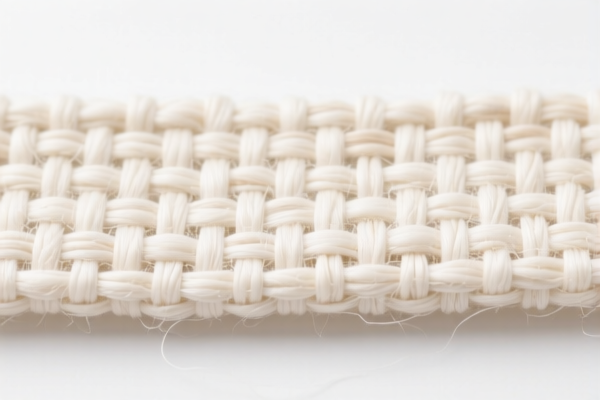
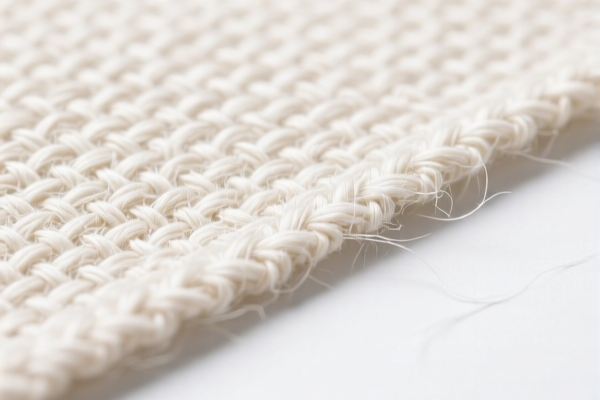
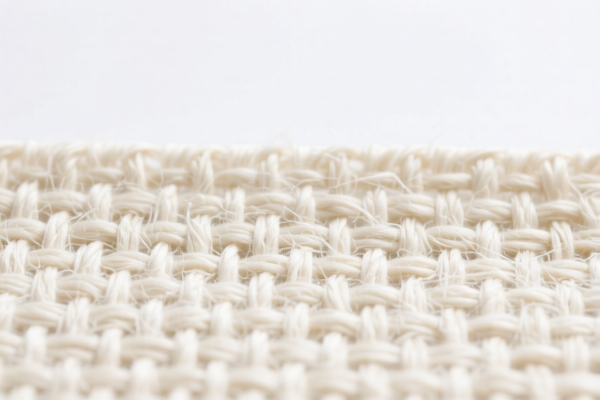
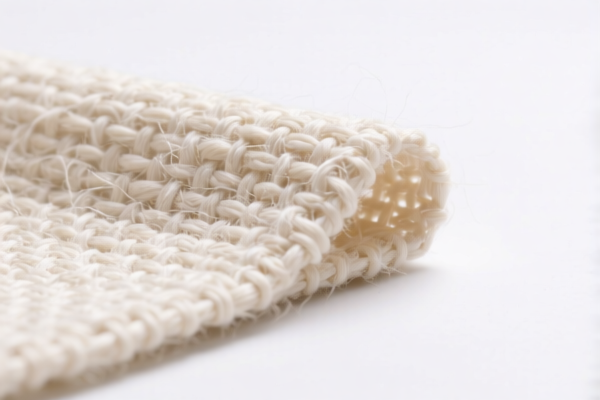
"Wool or Fine Animal Hair Tufted Woven Fabric" refers to textiles made primarily from wool or fine animal hair (such as cashmere, mohair, or alpaca), where the pile is created by tufting techniques into a woven base. In international trade, this category is distinct from plain woven woolens or knitted garments. The classification depends heavily on the specific construction method and the finishing treatment (e.g., whether it is "raised" or "napped" vs. "plain").
⚠️ Key Distinction Points:
- If the fabric is raised/nappe (surface fibers are pulled up) and falls under specific subheadings → Classified under 5111.11.30.00 / 5111.19.60.80;
- If the fabric consists of knitted or crocheted sweater parts/components made of wool → Classified under 6117.90.10.10 / 6117.90.90.05.
- Note: "Tufted" often implies a pile structure. If the product is actually a knitted component of a sweater rather than a raw woven fabric, it must be declared under Chapter 61, not Chapter 51.
📦 II. HS Code Classification Details (2026 Latest Tariff Authority Cross-Reference)
| HS Code | Product Description | Applicable Scenario | Pile/Structure Type |
|---|---|---|---|
5111.11.30.00 |
Woven pile fabric of wool, incl. "Acrylic" types (specific subheading) | Specific raised wool fabrics, high-pile textiles | ✅ Raised/Napped |
5111.19.60.80 |
Other woven pile fabrics of wool | General raised/napped wool fabrics not covered by 5111.11 | ✅ Raised/Napped |
6117.90.10.10 |
Knitted or crocheted sweater parts/components of wool | Semi-finished sweater pieces (sleeves, panels) | ❌ Knitted/Crocheted |
6117.90.90.05 |
Other knitted/crocheted clothing accessories of wool | Other wool knitted components | ❌ Knitted/Crocheted |
🔍 Critical Reminder:
- If the product is raw woven fabric with a raised surface (tufted/nappe), it belongs to Chapter 51 (Wool Fabrics);
- If the product is a semi-finished garment part (e.g., a cut piece ready for sewing into a sweater), it belongs to Chapter 61 (Knitted/Crocheted Articles);
- Misclassification Risk: Declaring a knitted sweater part as woven fabric (Chapter 51) leads to significant duty discrepancies and customs delays.
💰 III. 2026 Latest Tariff Rate Breakdown (Including Surtaxes & Policy Surcharges)
✅ Applicable Country: United States (US)
✅ Origin: China (CN)
✅ Effective Date: From November 10, 2025 (and subsequent imports)
🎯 1. 5111.11.30.00 —— Woven Pile Fabric of Wool (Specific Subheading)
| Item | Content |
|---|---|
| Base Duty Rate | 10.0% (Ad Valorem) |
| Surtax (Section 301) | +25.0% |
| 122-Clause Tariff | +10.0% |
| Total Tax Rate | 45.0% |
| Tax Calculation | CIF Value × 45% |
| De Minimis Eligibility | ❌ Not Eligible (deny_de_minimis) |
| Legal Basis Path | Base Tariff: 10.0% + Surtax: 25.0% + 122-Clause: 10.0% |
📌 Explanation:
- "Base Duty 10%": Standard MFN rate for woven wool pile fabrics;
- "Surtax 25%": Applied under Section 301 Trade Action against China;
- "122-Clause 10%": Additional surcharge based on specific trade provisions;
- Total 45%: High tax burden, requiring careful cost planning.
🎯 2. 5111.19.60.80 —— Other Woven Pile Fabrics of Wool
| Item | Content |
|---|---|
| Base Duty Rate | 25.0% (Ad Valorem) |
| Surtax (Section 301) | +25.0% |
| 122-Clause Tariff | +10.0% |
| Total Tax Rate | 60.0% |
| Tax Calculation | CIF Value × 60% |
| De Minimis Eligibility | ❌ Not Eligible (deny_de_minimis) |
| Legal Basis Path | Base Tariff: 25.0% + Surtax: 25.0% + 122-Clause: 10.0% |
📌 Note:
- This code applies to wool pile fabrics not classified under 5111.11;
- Higher Base Duty (25%) makes this category significantly more expensive than 5111.11.30.00;
- Total 60%: The highest tax bracket among wool fabrics, strongly impacting profitability.
🎯 3. 6117.90.10.10 —— Knitted/Crocheted Sweater Parts of Wool
| Item | Content |
|---|---|
| Base Duty Rate | 2.3% (Ad Valorem) |
| Surtax (Section 301) | +7.5% |
| 122-Clause Tariff | +10.0% |
| Total Tax Rate | 19.8% |
| Tax Calculation | CIF Value × 19.8% |
| De Minimis Eligibility | ❌ Not Eligible (deny_de_minimis) |
| Legal Basis Path | Base Tariff: 2.3% + Surtax: 7.5% + 122-Clause: 10.0% |
📌 Explanation:
- "Base Duty 2.3%": Low base rate for knitted components;
- "Surtax 7.5%": Lower surtax compared to woven fabrics;
- Total 19.8%: Significantly lower than Chapter 51, if correctly classified as knitted parts.
🎯 4. 6117.90.90.05 —— Other Knitted/Crocheted Wool Accessories
| Item | Content |
|---|---|
| Base Duty Rate | 14.6% (Ad Valorem) |
| Surtax (Section 301) | +7.5% |
| 122-Clause Tariff | +10.0% |
| Total Tax Rate | 32.1% |
| Tax Calculation | CIF Value × 32.1% |
| De Minimis Eligibility | ❌ Not Eligible (deny_de_minimis) |
| Legal Basis Path | Base Tariff: 14.6% + Surtax: 7.5% + 122-Clause: 10.0% |
📌 Note:
- Applies to other wool knitted accessories not covered by 6117.90.10.10;
- Total 32.1%: Moderate tax rate, still lower than woven pile fabrics.
🛠️ IV. Customs Clearance Practical Advice (Battle-Tested Pitfall Guide)
✅ 1. Documentation Checklist (All Required)
| Document | Required | Description |
|---|---|---|
| ✅ Product Specification Sheet | ✔️ | Must detail fiber content (Wool %), pile height, weave type |
| ✅ Technical Drawing/Photo | ✔️ | Show texture (raised vs. flat) and edge finishing |
| ✅ Certificate of Origin (CO) | ✔️ | For China-origin goods, subject to surtaxes |
| ✅ Commercial Invoice | ✔️ | Clearly state "Woven Pile Fabric" or "Knitted Sweater Parts" |
| ✅ Packing List | ✔️ | Detailed weight and dimensions |
| ✅ Test Report | ✔️ | Fiber content analysis (to prove Wool/Fine Animal Hair) |
✅ 2. Declaration Tips (Key Mantras)
🔥 "Woven Pile = High Tax, Knitted Parts = Lower Tax, Describe Precisely!"
| Scenario | Correct Declaration | Incorrect Practice |
|---|---|---|
| Raised/Napped Wool Fabric | 5111.11.30.00 or 5111.19.60.80 |
Misdeclare as "Knitted" → Risk of 32-60% + Penalties |
| Knitted Sweater Component | 6117.90.10.10 |
Misdeclare as "Woven Fabric" → Risk of 45-60% + Penalties |
| Mixed Fabric (Wool + Acrylic) | Check Wool Content > 50% | Incorrect fiber declaration → Fraud risk |
✅ 3. Special Handling
| Situation | Handling Advice |
|---|---|
| OEM Custom Fabric | Provide sample + buyer’s spec sheet to prove "Tufted/Raised" nature |
| Partial Knit, Partial Weave | Declare main component; if mixed, use "Essential Character" rule |
| Wool Content < 50% | May fall under other chapters (e.g., synthetic fibers), re-evaluate HS Code |
| High Value/High Volume | Consider Advance Ruling from US CBP to confirm classification |
🌍 V. Global Market Comparison (2026 Latest)
| Country/Region | Recommended HS Code | Tariff (China Origin) | Certification | Notes |
|---|---|---|---|---|
| 🇺🇸 USA | 5111.11.30.00 / 6117.90.10.10 |
19.8% - 60.0% | None Specific | High surtaxes apply; strict classification |
| 🇨🇳 China | 5111.11.30.00 |
5.0% - 10.0% | N/A | No Section 301 surtaxes |
| 🇪🇺 EU | 5111.11.30.00 |
0.0% - 9.0% | REACH | No "122-Clause" equivalent; stable rates |
| 🇦🇺 Australia | 5111.11.30.00 |
5.0% | None | FTAA may apply if Australia-China FTA is updated |
| 🇯🇵 Japan | 5111.11.30.00 |
0.0% - 8.0% | JIS | No Section 301 surtaxes |
📌 Conclusion:
- USA imposes the highest total tax burden due to combined Base Duty + Section 301 + 122-Clause tariffs;
- EU and Japan are more favorable for wool textiles, with no additional punitive surtaxes;
- Strategic Tip: If exporting to the US, ensure accurate classification between Woven (Ch 51) and Knitted (Ch 61) to save up to 30-40% in duties.
📌 VI. Common Errors & Pitfall Guide (Blood-Tears Lessons)
❌ Error 1: Calling "Knitted Sweater Parts" "Woven Fabric"
👉 Consequence: Tax jumps from 19.8% to 45%+ → Overpayment!
❌ Error 2: Calling "Raised Woven Fabric" "Knitted"
👉 Consequence: Tax drops from 60% to 19.8%, but if audited, leads to Fines + Retroactive Duties → Heavy Penalty!
❌ Error 3: Ignoring Fiber Content (Wool vs. Synthetic)
👉 Consequence: Wrong HS Code → Customs Detention → Shipment Delay
❌ Error 4: Not Specifying "Tufted/Raised" in Description
👉 Consequence: Customs may classify under general woven wool (lower tax) but request evidence → Audit Risk
✅ Correct Approach:
"Wool Pile Woven Fabric, Raised Surface, 100% Wool, for Upholstery, Model XYZ"
OR
"Knitted Wool Sweater Sleeve Component, Pre-Cut, for Assembly"
🎯 VII. Conclusion: Professional Declaration, Cost Savings, Efficient Clearance!
🎯 Remember the Mantra:
🔹 "Woven Pile = 45-60%, Knitted Parts = 20-32%, Accuracy Saves Money!"
🔹 "HS Code Determines Destiny, Tax Difference 30%, Misclassification Costs Thousands!"
📌 Pro Tip:
If your wool fabric is originated from Vietnam, India, or Bangladesh, you may avoid Section 301 surtaxes, reducing total tax to Base Duty Only.
建议 Apply for Advance Ruling to confirm classification before shipment.
📣 Take Action Now:
📞 Contact Professional Customs Broker + Provide Product Photos + Apply for HS Code Advance Ruling
🚀 Let your wool products Clear Customs Smoothly, Export Efficiently, Boost Profits!
✨ Professional Clearance Starts with Accurate Classification!
💼 Every Penny of Cost Deserves Precise Calculation!
Customer Reviews
About HS Code Classification
The Harmonized System (HS) is an internationally standardized nomenclature developed by the World Customs Organization (WCO) to classify traded products. Over 200 countries use the HS system as the basis for customs tariffs, trade statistics, and import/export regulations.
Each HS code follows a hierarchical structure:
- Chapter (2 digits) — Broad category of goods (e.g., Chapter 84: Machinery and Mechanical Appliances)
- Heading (4 digits) — More specific grouping within the chapter
- Subheading (6 digits) — Internationally standardized breakdown, used by all WCO member countries
- National subdivisions (8-10 digits) — Country-specific extensions for further classification, such as US HTSUS 10-digit codes
Correct HS code classification is essential for smooth customs clearance, accurate duty payment, and compliance with trade regulations. Misclassification can lead to customs delays, overpayment of duties, or penalties.
When importing from CN to US, the applicable tariff rates may include:
- Most-Favored-Nation (MFN) rate — The standard duty rate applied to WTO members
- General rate — Applied to countries without trade agreements
- Trade remedy duties — Additional tariffs such as Section 301 (anti-dumping), Section 232 (national security), or countervailing duties
The information provided on this page is for reference purposes only. For official classification, please consult with your local customs authority or a licensed customs broker.