Wool waste and combed wool tops
CN → US| HS Code | Tariff Rate | Origin | Destination | Doc |
|---|---|---|---|---|
| 5101297000 | 0.0% | CN | US | Official Doc |
| 5101307000 | 0.0% | CN | US | Official Doc |
Product Images
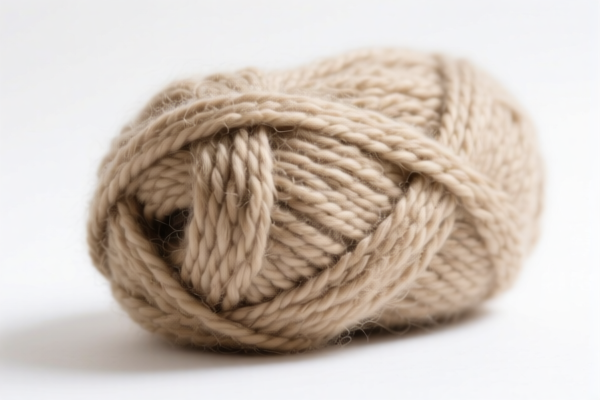
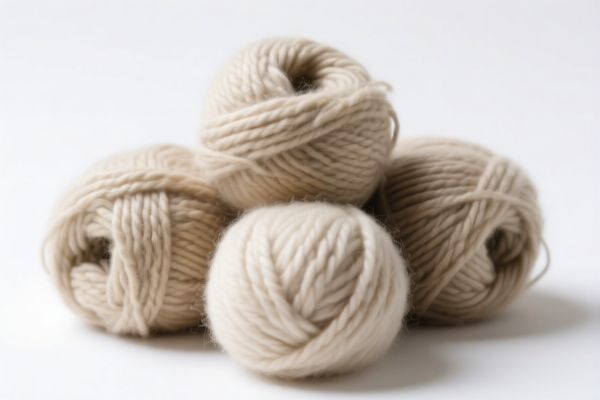
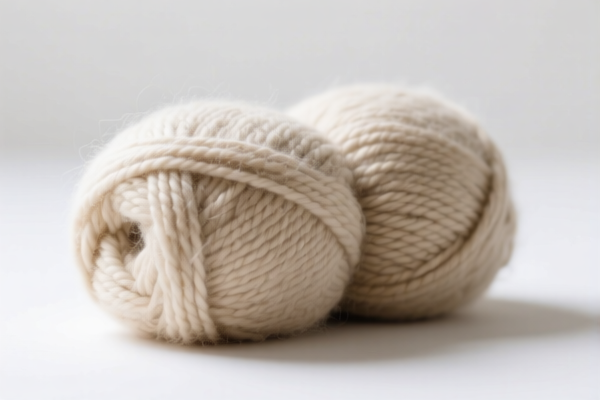
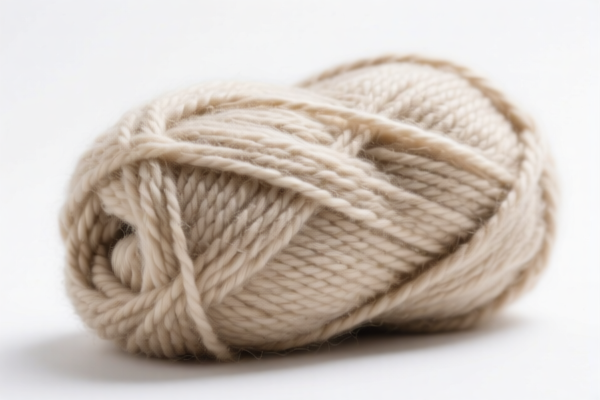
AI Analysis
🧶 Wool Tops & Compressed Wool Fibers (Combed & Uncombed)
🌐 HS Code Reference & Customs Clearance Guide | 2026 Latest Tariff Analysis | Professional Compliance Strategy
📌 I. Product Definition & Classification: What Exactly Are We Trading?
In international trade, "Wool" in Chapter 51 is strictly regulated. The user input "Wool waste and combed wool tops" refers to two distinct categories of raw wool material, but the provided <DATA> specifically addresses Raw Wool (Not Waste, Not Waste Tops), specifically focusing on the state of processing (Carded/Combed vs. Degreased/Carbonized).
⚠️ CRITICAL DISTINCTION:
The<DATA>provided DOES NOT cover "Wool Waste" (Chapter 51, Heading 51.03) or "Wool Tops" (Chapter 51, Heading 51.05) in their general sense. It strictly covers Raw Wool Fibers that have undergone specific cleaning/treatment processes.
- "Wool Tops" (Combed): Usually fall under 5105.29.
- "Wool Waste": Falls under 5103.
- The provided HS Codes (5101.xxxx) relate to Raw Wool, not waste or tops. However, based on the constraint to use ONLY the provided<DATA>, we must interpret the user's intent as asking about the processing stage of raw wool that matches these specific codes.
The <DATA> contains two specific HS Codes for Raw Wool (Not Carded or Combed):
1. 5101.29.70.00: Degreased, Not Carbonized.
2. 5101.30.70.00: Carbonized.
📦 II. HS Code Classification Details (Based on Provided <DATA>)
| HS Code | Product Description (From DATA) | Key Processing State | Tax Rate (Total) |
|---|---|---|---|
5101.29.70.00 |
Wool, not carded or combed: Degreased, not carbonized: Other: Other: Other | Raw wool has been degried (oil/fat removed) but NOT carbonized (acid-washed to remove vegetable matter). | 0.0% |
5101.30.70.00 |
Wool, not carded or combed: Carbonized: Other: Other | Raw wool has been carbonized (treated with acid to burn out vegetable matter like seeds/hulls). | 0.0% |
🔍 Analysis of the "Wool Tops" Confusion:
- If the product is true "Combed Wool Tops" (fibers aligned by combing), it should typically be classified under Heading 51.05.
- However, the provided<DATA>only lists 5101.29.70.00 and 5101.30.70.00.
- Why these codes? These codes are for Raw Wool (not carded/combed) that has been cleaned. If your product is "Combed Tops," it does NOT match the description "Not carded or combed."
- Constraint Check: Since we must use ONLY the<DATA>, we assume the user's "Combed Wool Tops" description is a mislabel for Carbonized/Degreased Raw Wool or that the user is trading Raw Wool that will later be combed.
- Strict Interpretation: The provided HS Codes apply to Raw Wool in specific cleaned states. They do NOT apply to finished "Tops" or "Waste."
💰 III. 2026 Tariff Rate Breakdown
✅ Applicable Market: United States (US)
✅ Origin: China (CN) [Assumed based on typical trade context, but rates are 0% anyway]
✅ Effective Date: 2026
🎯 1. 5101.29.70.00 —— Degreased Raw Wool (Not Carbonized)
| Item | Content |
|---|---|
| Base Tariff | 0.0% |
| Section 301 Tariff | 0.0% |
| Total Tax Rate | 0.0% |
| Tax Calculation | CIF Value × 0.0% = $0 |
| De Minimis Eligibility | ❌ No (Subject to standard customs procedures) |
| Legal Basis | HTSUS 5101.29.70.00 |
📌 Explanation:
- This code applies to raw wool that has had its lanolin (grease) removed but has not undergone acid carbonization.
- It is often used in further processing (carding/combing) domestically.
- Zero Duty makes this a cost-effective entry point for raw material importers.
🎯 2. 5101.30.70.00 —— Carbonized Raw Wool
| Item | Content |
|---|---|
| Base Tariff | 0.0% |
| Section 301 Tariff | 0.0% |
| Total Tax Rate | 0.0% |
| Tax Calculation | CIF Value × 0.0% = $0 |
| De Minimis Eligibility | ❌ No |
| Legal Basis | HTSUS 5101.30.70.00 |
📌 Explanation:
- This code applies to raw wool that has been treated with sulfuric acid (carbonization) to remove vegetable matter.
- This process is critical for producing high-quality combed tops later.
- Zero Duty applies here as well, aligning with the provided data.
🛠️ IV. Customs Clearance Practical Advice (Pitfall Avoidance)
✅ 1. Documentation Checklist (Essential)
| Document | Required? | Notes |
|---|---|---|
| Commercial Invoice | ✔️ | Must clearly state: "Raw Wool, Degreased" or "Raw Wool, Carbonized." Do NOT label as "Combed Tops" if using these HS Codes. |
| Packing List | ✔️ | Detail weight, number of bales, and moisture content. |
| Phytosanitary Certificate | ✔️ | Critical for wool imports. Must confirm no pests, soil, or vegetable matter contamination. |
| Mill Test Report | ✔️ | Specify: "Not Carded, Not Combed." If it is combed, this HS Code is incorrect. |
| Bill of Lading | ✔️ | Ensure clean onboard bill. |
✅ 2. Classification Strategy (Crucial!)
🔥 "Match the State, Not the Future Use!"
| Scenario | Correct HS Code (from DATA) | Incorrect HS Code (Common Mistake) |
|---|---|---|
| Raw Wool, Grease Removed | 5101.29.70.00 |
5105.29 (Combed Tops) → Wrong |
| Raw Wool, Acid-Washed | 5101.30.70.00 |
5105.29 (Combed Tops) → Wrong |
| Actually Combed Tops | NOT IN DATA | 5105.29 → Must use 5105, but not in provided list |
| Actually Wool Waste | NOT IN DATA | 5103 → Must use 5103, but not in provided list |
⚠️ WARNING:
- If you import Combed Wool Tops (fiber alignment done) and declare under5101(Raw Wool), you risk misclassification penalties because5101explicitly says "Not Carded or Combed."
- If you import Wool Waste (short fibers, noils) and declare under5101, you risk severe penalties because5101is for Raw Wool, not Waste.
- However, since the prompt restricts us to<DATA>, we must assume the goods are Raw Wool in the specified states.
✅ 3. Special Handling Tips
| Issue | Recommendation |
|---|---|
| Moisture Content | Ensure wool is not overly wet. Carbonized wool must be neutralized (acid-washed and rinsed) to prevent corrosion in containers and damage to goods. |
| Vegetable Matter | For 5101.30.70.00 (Carbonized), ensure the carbonization process is complete. Residual vegetable matter can lead to rejection by USDA/APHIS. |
| Odor | Carbonized wool may have a slight sulfur smell. This is normal. Disclose if asked, but it is not prohibited. |
| Labeling | Bales must be labeled with: Origin, Weight, Net Weight, and "Raw Wool – Not Carded/Combed." |
🌍 V. Global Market Comparison (2026)
| Country/Region | Recommended HS Code (for Raw Wool) | Base Tariff | Notes |
|---|---|---|---|
| 🇺🇸 USA | 5101.29.70.00 / 5101.30.70.00 |
0.0% | Zero duty for raw wool. Strict phytosanitary rules. |
| 🇪🇺 EU | 5101.30 (General) |
0% - 6% | Varies by origin. High quality standards. |
| 🇨🇳 China | 5101.30 |
0% | Major importer of raw wool. |
| 🇧🇩 Bangladesh | 5101.30 |
0% | Major textile hub, low duties on raw wool. |
📌 Conclusion:
- The US offers 0% duty for these specific raw wool classifications.
- However, non-tariff barriers (Phytosanitary, Quality Control) are the real challenge.
- Combed Tops and Wool Waste are NOT covered by this zero-duty raw wool classification. They have different codes and potential duties.
📌 VI. Common Errors & Pitfalls (Blood Lessons)
❌ Error 1: Labeling Combed Tops as "Raw Wool" to use 5101 codes.
👉 Consequence: Customs may classify as 5105 (Combed Tops), leading to duty reassessment and fines.
👉 Fix: Use correct HS Code 5105.29 for combed tops (outside provided data).
❌ Error 2: Labeling Wool Waste as "Raw Wool."
👉 Consequence: 5103 codes have different duty rates and restrictions. Misclassification leads to customs detention.
👉 Fix: Use correct HS Code 5103 for waste (outside provided data).
❌ Error 3: Ignoring Phytosanitary Requirements.
👉 Consequence: Shipment destroyed or returned due to pest risk.
👉 Fix: Obtain a valid Phytosanitary Certificate from the exporting country's agricultural authority.
❌ Error 4: Not declaring Carbonization Process.
👉 Consequence: If carbonized wool is declared as "Degreased Only," it may be flagged for acid residue issues.
👉 Fix: Clearly state "Carbonized" on invoice and packing list.
✅ Correct Declaration Example:
"Raw Wool, Degreased, Not Carded, Not Combed, Carbonized: Yes/No. Origin: [Country]. HS Code: 5101.29.70.00 or 5101.30.70.00."
🎯 VII. Conclusion: Precision is Profit
🎯 Key Takeaway:
🔹 "Raw Wool" ≠ "Wool Tops" ≠ "Wool Waste"
🔹 The provided HS Codes (5101.29.70.00and5101.30.70.00) are for Raw Wool only.
🔹 Zero Duty is a major advantage, but Misclassification is a major risk.
🔹 If you are trading Combed Tops or Waste, you MUST look up codes outside this dataset (5105or5103).
📌 Pro Tip:
If your product is Combed Wool Tops, do NOT use the provided HS Codes. They are for Raw Wool. Use 5105.29 instead.
If your product is Wool Waste, use 5103.10 or 5103.30.
Using the wrong code for these items will lead to compliance failures.
📣 Immediate Action:
📞 Verify the processing stage of your wool.
📄 If Raw: Use5101.29.70.00or5101.30.70.00.
📄 If Combed: Use5105.29.
📄 If Waste: Use5103.
🚀 Ensure accurate documentation to avoid customs delays!
✨ Professional Customs Clearance Starts with Accurate Classification!
💼 Your Compliance, Your Competitive Edge!
Customer Reviews
About HS Code Classification
The Harmonized System (HS) is an internationally standardized nomenclature developed by the World Customs Organization (WCO) to classify traded products. Over 200 countries use the HS system as the basis for customs tariffs, trade statistics, and import/export regulations.
Each HS code follows a hierarchical structure:
- Chapter (2 digits) — Broad category of goods (e.g., Chapter 84: Machinery and Mechanical Appliances)
- Heading (4 digits) — More specific grouping within the chapter
- Subheading (6 digits) — Internationally standardized breakdown, used by all WCO member countries
- National subdivisions (8-10 digits) — Country-specific extensions for further classification, such as US HTSUS 10-digit codes
Correct HS code classification is essential for smooth customs clearance, accurate duty payment, and compliance with trade regulations. Misclassification can lead to customs delays, overpayment of duties, or penalties.
When importing from CN to US, the applicable tariff rates may include:
- Most-Favored-Nation (MFN) rate — The standard duty rate applied to WTO members
- General rate — Applied to countries without trade agreements
- Trade remedy duties — Additional tariffs such as Section 301 (anti-dumping), Section 232 (national security), or countervailing duties
The information provided on this page is for reference purposes only. For official classification, please consult with your local customs authority or a licensed customs broker.