Wool yarn
CN → US| HS Code | Tariff Rate | Origin | Destination | Doc |
|---|---|---|---|---|
| 5107103000 | 41.0% | CN | US | Official Doc |
| 5107106000 | 41.0% | CN | US | Official Doc |
| 5106100090 | 41.0% | CN | US | Official Doc |
Product Images
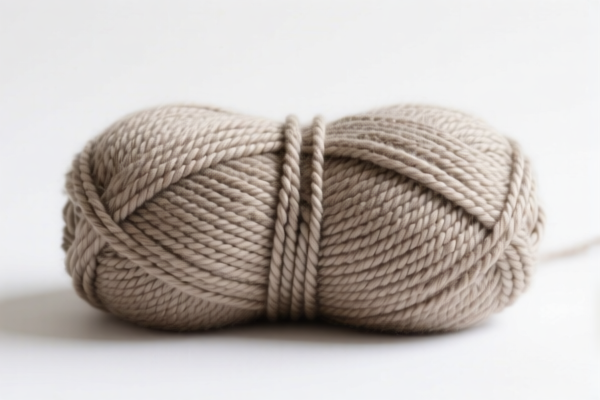
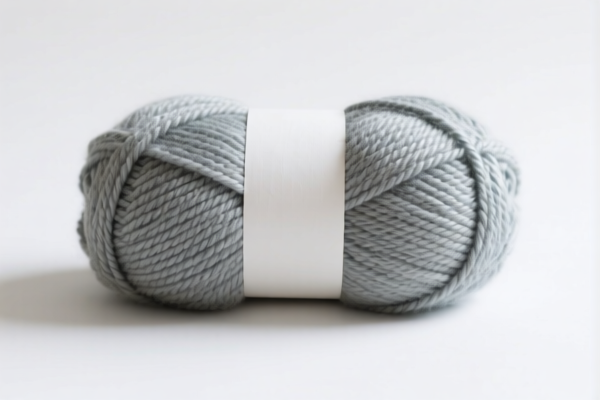
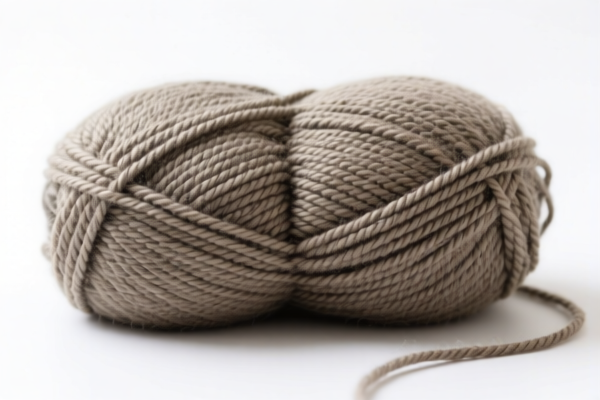
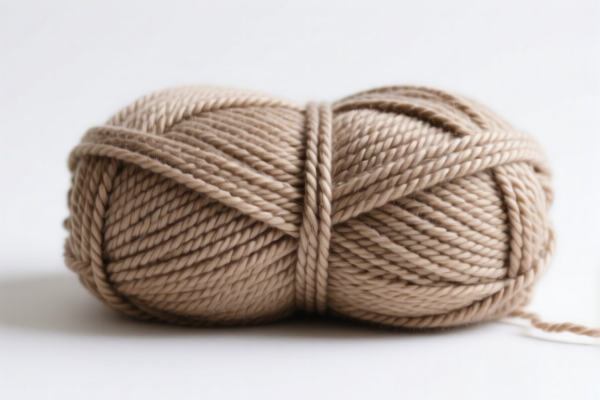
AI Analysis
🧶 Wool Yarn (羊毛纱线)
🌐 HS Code Reference & Customs Clearance Guide | 2026 Latest Tariff Analysis | Professional Clearance Strategy
📌 I. Product Definition & Classification: Do You Truly Understand "Wool Yarn"?
Wool yarn is a fundamental textile raw material used in knitting, weaving, and manufacturing apparel or home textiles. In international trade, its classification depends heavily on processing technology (combed vs. non-combed) and specific fiber characteristics.
Based on the provided data, wool yarn is primarily classified under Heading 5106 and 5107, with critical distinctions in preparation methods:
- Combed Wool Yarn (5107): Processed through combing to remove short fibers, resulting in smoother, stronger, and more uniform yarn.
- Non-Combed/Other Wool Yarn (5106): Includes carded wool yarn or wool yarn that does not meet specific combing or diameter criteria for other subheadings.
⚠️ Key Distinction Point:
- If the wool has undergone combing (精梳) →归入 5107.10.30.00 or 5107.10.60.00
- If the wool is not explicitly combed or fails to meet specific diameter/fineness criteria → 归入 5106.10.00.90
📦 II. HS Code Classification Details (Latest Tariff Authority Comparison)
| HS Code | Product Description | Application Scenario | Processing Status |
|---|---|---|---|
5107.10.30.00 |
Wool yarn, combed, specifically classified under this subheading | High-quality knitwear, fine garments, pre-combed yarn | ✅ Combed (精梳) |
5107.10.60.00 |
Wool yarn, combed, categorized under "Other" within 5107.10 | Combed wool yarn not specified in 5107.10.30; high consistency with target code | ✅ Combed (未明确精梳但高度一致) |
5106.10.00.90 |
Other wool yarn, not complying with specific diameter/fineness criteria | General wool yarn, carded wool, or unknown fiber diameter | ❌ Non-combed / Other |
🔍 Critical Reminder:
- The determination between 5106 and 5107 hinges on whether the wool is combed (精梳).
- If the product description lacks specific fiber diameter data, it defaults to the broader category under 5106.10.90.
- Both 5107 codes imply a higher level of processing (combing) compared to 5106.
💰 III. 2026 Latest Tariff Rate Breakdown (Including Surtaxes & Policy Add-ons)
✅ Applicable Country: United States (US)
✅ Origin: China (CN)
✅ Effective Date: Current rates apply for imports from China.
🎯 1. 5107.10.30.00 —— Combed Wool Yarn (Specific Subheading)
| Item | Content |
|---|---|
| Basic Tariff | 6.0% (Ad Valorem) |
| Section 301 Surtax | 25.0% (Trade Remedies) |
| Section 122 Surtax | 10.0% (Specific China-related provision) |
| Total Tariff Rate | 41.0% |
| Tax Calculation | CIF Value × 41% |
| De Minimis Exemption | ❌ Not Applicable (High-risk commodity) |
| Legal Basis Path | USITC:5107.10.30.00 → Section 301: 25% → Section 122: 10% |
📌 Explanation:
- The 6% base rate is the standard Most Favored Nation (MFN) rate for combed wool yarn.
- The 25% Section 301 tariff is imposed on goods from China to address unfair trade practices.
- The 10% Section 122 tariff is an additional levy specifically targeting certain Chinese imports.
- Total: 41%, which is a very high cost. Accurate classification is crucial to avoid overpayment or misdeclaration penalties.
🎯 2. 5107.10.60.00 —— Other Combed Wool Yarn
| Item | Content |
|---|---|
| Basic Tariff | 6.0% |
| Section 301 Surtax | 25.0% |
| Section 122 Surtax | 10.0% |
| Total Tariff Rate | 41.0% |
| Tax Calculation | CIF Value × 41% |
| De Minimis Exemption | ❌ Not Applicable |
| Legal Basis Path | USITC:5107.10.60.00 → Section 301: 25% → Section 122: 10% |
📌 Note:
- Although this code is for "Other" combed wool, the tariff structure is identical to 5107.10.30.00.
- This code is used when the yarn is combed but does not fit into the more specific 5107.10.30.00 category.
- Classification accuracy here depends on confirming the combing process occurred.
🎯 3. 5106.10.00.90 —— Other Wool Yarn (Non-Combed/General)
| Item | Content |
|---|---|
| Basic Tariff | 6.0% |
| Section 301 Surtax | 25.0% |
| Section 122 Surtax | 10.0% |
| Total Tariff Rate | 41.0% |
| Tax Calculation | CIF Value × 41% |
| De Minimis Exemption | ❌ Not Applicable |
| Legal Basis Path | USITC:5106.10.00.90 → Section 301: 25% → Section 122: 10% |
📌 Note:
- This code applies to wool yarn that is not combed or does not meet specific technical criteria for other subheadings.
- It is often used when fiber diameter data is missing or when the yarn is carded.
- Despite the different HS code, the total tax burden is identical (41%). Therefore, the cost difference is negligible, but compliance risk varies by documentation.
🛠️ IV. Practical Clearance Advice (Real-World Pitfall Avoidance)
✅ 1. Required Documentation Checklist (Essential for Clearance)
| Document | Required | Explanation |
|---|---|---|
| ✅ Product Specification Sheet | ✔️ | Must state: Material (100% Wool), Form (Yarn), Processing (Combed/Carded), Fiber Diameter (if available). |
| ✅ Processing Certificate | ✔️ | Proof of combing process for 5107 codes. |
| ✅ Commercial Invoice | ✔️ | Clearly describe as "Wool Yarn, Combed" or "Wool Yarn, Uncard". |
| ✅ Packing List | ✔️ | Detail net/gross weight, number of spools/bobbins. |
| ✅ Fiber Content Test Report | ✔️ | Third-party lab report confirming wool content and diameter (if claiming specific subheading). |
| ✅ Certificate of Origin | ✔️ | Mandatory for origin determination and tariff application. |
✅ 2. Declaration Tips (Key Mnemonics)
🔥 “Combed vs. Carded: Know the Process, Avoid Misclassification!”
| Scenario | Correct Declaration | Error Practice |
|---|---|---|
| Combed Wool Yarn | 5107.10.30.00 or 5107.10.60.00 |
Declare as 5106 → Potential penalty for misclassification |
| Non-Combed/Carded Wool | 5106.10.00.90 |
Declare as 5107 → Requires proof of combing, otherwise rejected |
| Unknown/Unspecified Wool | 5106.10.00.90 (Safest Default) |
Guessing 5107 without evidence → High risk of audit |
| Mixed Fiber Yarn | Not covered in current data | Declare as wool → Violation if mixed |
✅ 3. Special Cases Handling
| Situation | Handling Advice |
|---|---|
| Lack of Diameter Data | Default to 5106.10.00.90. Do not guess 5107 without proof of combing. |
| OEM Custom Yarn | Provide customer specifications proving combing if claiming 5107. |
| Small Batches (De Minimis) | ❌ No Exemption: Wool yarn is excluded from de minimis thresholds. All shipments are subject to full duty. |
| Origin Fraud | Ensure Certificate of Origin matches actual manufacturing country. China-origin goods face 41% total tariff. |
🌍 V. Global Market Comparison (2026 Update)
| Country/Region | Recommended HS Code | Total Tariff (China Origin) | Certification | Remarks |
|---|---|---|---|---|
| 🇺🇸 USA | 5107.10.30.00 / 5106.10.00.90 |
41% | None specific for yarn | High tariff burden due to 301 & 122 clauses |
| 🇨🇳 China | 5107.10 / 5106.10 |
6% (MFN) | None | Lower cost for domestic production |
| 🇪🇺 EU | 5107.10 / 5106.10 |
6% - 9.6% | OEKO-TEX (Voluntary) | No Section 301/122 equivalents |
| 🇬🇧 UK | 5107.10 / 5106.10 |
6% - 9.6% | None | Post-Brexit tariffs similar to EU pre-2021 |
| 🇦🇺 Australia | 5107.10 / 5106.10 |
5% | None | Lower tariffs, no major surtaxes |
📌 Conclusion:
- USA has the highest effective tariff rate (41%) for wool yarn from China.
- EU, UK, and Australia offer significantly lower tariff rates (6-10%).
- Supply Chain Strategy: Consider sourcing from non-China origins (e.g., New Zealand, Australia, EU) to avoid the 35% surtax burden in the US market.
📌 VI. Common Mistakes & Pitfall Guide (Lessons Learned)
❌ Mistake 1: Declaring non-combed wool as "Combed" to fit a different aesthetic description.
👉 Consequence: Customs audit, rejection of documents, potential fraud penalties.
❌ Mistake 2: Ignoring fiber diameter data.
👉 Consequence: If diameter is specified and meets high-fineness criteria, it might belong to a different subheading (not covered in this data, but critical for compliance).
❌ Mistake 3: Assuming de minimis exemption applies.
👉 Consequence: Small shipments are still taxed at 41%, leading to unexpected costs for B2B buyers.
❌ Mistake 4: Vague product description ("Wool Thread").
👉 Consequence: Customs may classify it incorrectly or request additional information, causing delays.
✅ Correct Practice:
"100% Wool Yarn, Combed, Ne 2/20, Spooled, Model XYZ, Made in China"
🎯 VII. Conclusion: Precision in Classification Saves Costs!
🎯 Remember This Mantra:
🔹 "Combed is 5107, Non-Combed is 5106. No Matter Which, US Tariff is 41%!"
🔹 "Documentation is Key: Proof of Combing Avoids Penalties!"
📌 Pro Tip:
If you are importing wool yarn into the USA, the 41% total tariff significantly impacts profit margins.
- Strategy: Explore FTA (Free Trade Agreement) opportunities with non-China origins.
- Action: Apply for a Pre-Ruling (Prelinary Ruling) from US Customs to confirm the correct HS code and avoid post-clearance audits.
📣 Immediate Action Required:
📞 Consult with a licensed customs broker.
📄 Prepare precise product specifications and processing certificates.
🚀 Optimize your supply chain to mitigate high tariff impacts.
✨ Professional clearance starts with accurate classification!
💼 Every percentage point of duty matters!
Customer Reviews
About HS Code Classification
The Harmonized System (HS) is an internationally standardized nomenclature developed by the World Customs Organization (WCO) to classify traded products. Over 200 countries use the HS system as the basis for customs tariffs, trade statistics, and import/export regulations.
Each HS code follows a hierarchical structure:
- Chapter (2 digits) — Broad category of goods (e.g., Chapter 84: Machinery and Mechanical Appliances)
- Heading (4 digits) — More specific grouping within the chapter
- Subheading (6 digits) — Internationally standardized breakdown, used by all WCO member countries
- National subdivisions (8-10 digits) — Country-specific extensions for further classification, such as US HTSUS 10-digit codes
Correct HS code classification is essential for smooth customs clearance, accurate duty payment, and compliance with trade regulations. Misclassification can lead to customs delays, overpayment of duties, or penalties.
When importing from CN to US, the applicable tariff rates may include:
- Most-Favored-Nation (MFN) rate — The standard duty rate applied to WTO members
- General rate — Applied to countries without trade agreements
- Trade remedy duties — Additional tariffs such as Section 301 (anti-dumping), Section 232 (national security), or countervailing duties
The information provided on this page is for reference purposes only. For official classification, please consult with your local customs authority or a licensed customs broker.