Work Stool
CN → US| HS Code | Tariff Rate | Origin | Destination | Doc |
|---|---|---|---|---|
| 9401698011 | 35.0% | CN | US | Official Doc |
| 9401698090 | 35.0% | CN | US | Official Doc |
| 7326908688 | 87.9% | CN | US | Official Doc |
| 9403200050 | 85.0% | CN | US | Official Doc |
| 3926909930 | 22.8% | CN | US | Official Doc |
Product Images
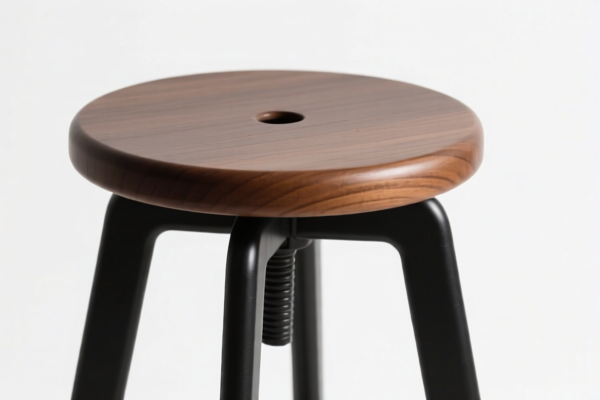
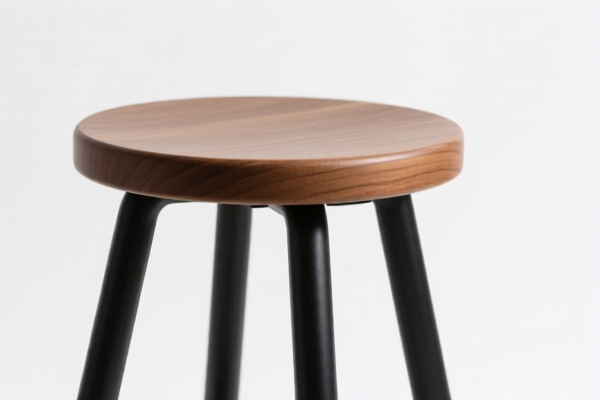
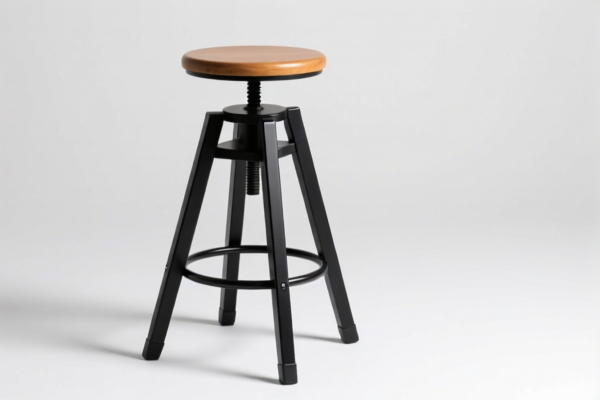
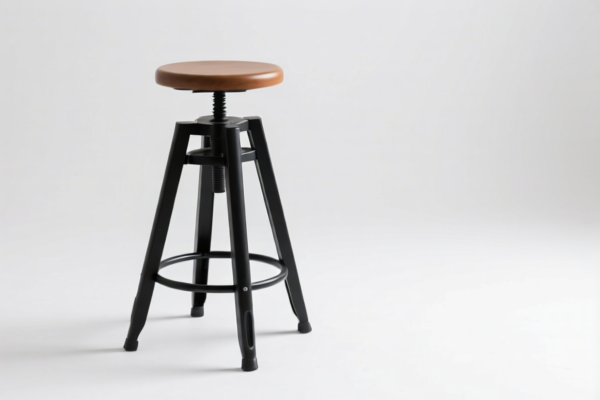
AI Analysis
🪑 Work Stool (Industrial & Utility Seating)
🌐 HS Code Reference & Customs Clearance Guide | 2026 Latest Tariff Analysis | Professional Clearance Strategy
📌 I. Product Definition & Classification: Do You Really Know a "Work Stool"?
A "Work Stool" is a broad term encompassing various types of seating designed for industrial, workshop, laboratory, or domestic utility use. Unlike standard furniture, work stools are defined by their function (supporting weight during tasks) and material composition (metal, wood, plastic). In international trade, classification is strictly determined by the primary material and structural features. Misclassification leads to severe tariff penalties (up to 87.9% vs. 22.8%).
⚠️ Critical Distinction:
- Wooden Frame with Upholstery/Seat → Falls under Chapter 94 (Furniture):9401.69.80series.
- Metal Frame (Iron/Steel) → Falls under Chapter 94 (Metal Furniture) OR Chapter 73 (Articles of Iron/Steel) depending on structural complexity.
- Plastic/Molded Body → Falls under Chapter 39 (Plastics) or Chapter 94 if considered furniture.
- Adjustable Height/Industrial Grade → Often triggers higher "Steel/Aluminum" surcharges under9403.20.00.50.
📦 II. HS Code Classification Details (2026 Latest Tariff Authority Comparison)
Based on the provided data, here are the five possible HS Codes for "Work Stool" and their corresponding logical classifications:
| HS Code | Product Description | Primary Material | Key Feature | Total Tax Rate (China Origin) |
|--------|----------|----------|----------------------|
| 9401.69.80.11 | Tools Bench / Seat, classified as other seating | Wood/Mixed | "Tools bench" context, seating category | 35.0% |
| 9401.69.80.90 | Tools Bench / Seat, other wooden framed seats | Wood/Mixed | "Other wooden framed seating" | 35.0% |
| 7326.90.86.88 | Other articles of iron or steel | Iron/Steel | Simple metal制品, not complex furniture | 87.9% |
| 9403.20.00.50 | Adjustable height work stool | Metal | Adjustable, classified as "Other metal furniture" | 85.0% |
| 3926.90.99.30 | Ladder/Stool made of plastic or other materials | Plastic | Plastic construction, ladder/stool category | 22.8% |
🔍 Key Insight:
- Material is King: A stool made of Iron/Steel (7326.90.86.88) or Metal Furniture (9403.20.00.50) incurs massive additional tariffs (up to 50% for steel/aluminum).
- Plastic is Cheapest:3926.90.99.30has the lowest total tax at 22.8%, but only if the product is exclusively plastic/molded and fits the "ladder/stool" definition in Chapter 39.
- Wooden Framed:9401.69.80.xxis moderate at 35.0%, avoiding the highest steel surcharges.
💰 III. 2026 Latest Tariff Rate Breakdown (Including Additional Duties & Policy Surcharges)
✅ Applicable Country: USA (US)
✅ Origin: China (CN)
✅ Effective Date: 2025-11-10 (for subsequent imports)
🎯 1. 9401.69.80.11 & 9401.69.80.90 —— Wooden Framed / Tools Bench Seats
| Item | Content |
|---|---|
| Base Tariff | 0.0% |
| Section 301 Tariff | +25.0% (USITC Footnote 9903.88.01) |
| Section 122 Tariff | +10.0% (China-specific surcharge) |
| Total Rate | 35.0% |
| Calculation Basis | CIF Value × 35% |
| De Minimis Exemption | ❌ Not Eligible (deny_de_minimis) |
| Legal Basis Path | Section 301: 9903.01.25 → Section 122: 9903.01.24 → USITC: 9401.69.80.xx → FOOTNOTE: 9903.88.01 |
📌 Explanation:
- These codes fall under Chapter 94 (Furniture). While the base duty is low, the 35% combined surcharge is significant.
- However, it avoids the extra 50% steel/aluminum surcharge, making it cheaper than metal options.
🎯 2. 7326.90.86.88 —— Iron/Steel Articles (Non-Furniture Classification)
| Item | Content |
|---|---|
| Base Tariff | 2.9% |
| Section 301 Tariff | +25.0% |
| Section 122 Tariff | +10.0% |
| Steel/Aluminum Surcharge | +50.0% (Specific to Steel/Aluminum Products) |
| Total Rate | 87.9% |
| Calculation Basis | CIF Value × 87.9% |
| De Minimis Exemption | ❌ Not Eligible |
| Legal Basis Path | Section 301: 9903.01.25 → Section 122: 9903.01.24 → Steel Surcharge: 50% → USITC: 7326.90.86.88 |
📌 Warning:
- This is the highest risk code. If your stool has a steel frame and is classified as an "article of iron/steel" rather than "metal furniture," you pay 87.9%.
- The 50% surcharge is the killer. Ensure the product is not seen as a simple metal rod/plate structure.
🎯 3. 9403.20.00.50 —— Other Metal Furniture (Adjustable Work Stool)
| Item | Content |
|---|---|
| Base Tariff | 0.0% |
| Section 301 Tariff | +25.0% |
| Section 122 Tariff | +10.0% |
| Steel/Aluminum Surcharge | +50.0% (Specific to Steel/Aluminum Products) |
| Total Rate | 85.0% |
| Calculation Basis | CIF Value × 85.0% |
| De Minimis Exemption | ❌ Not Eligible |
| Legal Basis Path | Section 301: 9903.01.25 → Section 122: 9903.01.24 → Steel Surcharge: 50% → USITC: 9403.20.00.50 |
📌 Note:
- Even though it's classified as "Furniture" (9403), the Steel Surcharge still applies, making it nearly as expensive as the non-furniture steel code.
- Adjustable height features often push customs to view it as "industrial metal equipment," triggering the surcharge.
🎯 4. 3926.90.99.30 —— Plastic/Stool Articles
| Item | Content |
|---|---|
| Base Tariff | 5.3% |
| Section 301 Tariff | +7.5% |
| Section 122 Tariff | +10.0% |
| Total Rate | 22.8% |
| Calculation Basis | CIF Value × 22.8% |
| De Minimis Exemption | ❌ Not Eligible |
| Legal Basis Path | Section 301: 9903.01.25 → Section 122: 9903.01.24 → USITC: 3926.90.99.30 |
📌 Opportunity:
- If your work stool is made of plastic (e.g., molded seat, plastic legs), this is the most cost-effective option at 22.8%.
- No steel surcharge applies. However, ensure it is not misclassified as furniture if it lacks a wooden/metal frame.
🛠️ IV. Customs Clearance Practical Advice (Real-World Pitfall Avoidance)
✅ 1. Documentation Checklist (Non-Negotiable)
| Document | Mandatory? | Description |
|---|---|---|
| ✅ Product Specifications | ✔️ | Must clearly state Material (Wood, Steel, Plastic). |
| ✅ Material Composition Ratio | ✔️ | e.g., "Seat: Steel 90%, Cushion: Foam 10%". |
| ✅ Product Photos | ✔️ | Clear images showing frame material and joint types. |
| ✅ Commercial Invoice | ✔️ | Describe accurately: e.g., "Plastic Work Stool, Model X" vs. "Steel Workbench Seat". |
| ✅ Certificate of Origin | ✔️ | Required for tariff calculation. |
| ✅ Third-Party Test Report | ✔️ | If claimed as "Plastic," ensure material safety reports (RoHS/REACH) are available. |
✅ 2. Declaration Strategy (Critical Mantra)
🔥 "Material Defines Code, Frame Defines Chapter, Surcharge is the Enemy!"
| Scenario | Correct Declaration | Wrong Declaration | Consequence |
|---|---|---|---|
| Steel Frame Stool | 9403.20.00.50 (Metal Furniture) |
7326.90.86.88 (Iron Article) |
85% vs 87.9% (Minor savings, but both high) |
| Plastic Stool | 3926.90.99.30 (Plastic Article) |
9401.69.80.11 (Furniture) |
22.8% vs 35% (Significant savings!) |
| Wooden Frame Stool | 9401.69.80.90 (Wooden Seating) |
7326.90.86.88 (Metal) |
35% vs 87.9% (Avoids steel surcharge) |
| Mixed Material (Wood+Steel) | 9401.69.80.90 (If wood is primary) |
7326.90.86.88 (If steel is seen as primary) |
35% vs 87.9% (Misclassification risk) |
✅ 3. Special Cases & Mitigation
| Case | Handling Advice |
|---|---|
| Adjustable Height Stool | Likely to be classified as 9403.20.00.50 or 7326.90.86.88. Both trigger 50% steel surcharge. Consider if a fixed-height or wooden/plastic alternative is viable. |
| OEM Custom Stool | Provide client design drawings. If the design emphasizes "Furniture" (upholstery, ergonomic shape), argue for 9401 or 9403. If it looks like a "Tool Rack" or "Industrial Platform," expect 7326. |
| Plastic Body with Metal Legs | If metal legs are detachable or minor, argue for 3926 (Plastic). If metal legs are structural, likely 9403.20.00.50 (Steel Surcharge applies). |
| Wooden Frame with Metal Joints | Argue for 9401.69.80.90. Emphasize wooden frame as the primary character. Avoid mentioning "Steel" prominently in the description. |
🌍 V. Global Market Customs Comparison (2026 Latest)
| Country/Region | Recommended HS Code | Tariff (China Origin) | Certification | Note |
|---|---|---|---|---|
| 🇺🇸 USA | 3926.90.99.30 (Plastic) |
22.8% | FCC/RoHS (if electronic) | Cheapest option. Avoid 7326/9403.20 due to 50% steel surcharge. |
| 🇺🇸 USA | 9401.69.80.90 (Wood) |
35.0% | None specific | Moderate cost. Good if product is wood-based. |
| 🇺🇸 USA | 7326.90.86.88 (Steel) |
87.9% | None specific | Avoid if possible. Highest cost. |
| 🇨🇳 China | 9401.69.80.90 |
5% | CCC (if applicable) | Low import duty. No Section 301. |
| 🇪🇺 EU | 9401.69.80.90 |
0% (if CE) | CE/REACH | No additional surcharges. Favorable for wood/plastic. |
📌 Conclusion:
- USA is the most challenging market due to Section 301 + 122 + Steel/Aluminum surcharges.
- Plastic (3926) and Wood (9401) are the only viable options for cost-effective US exports.
- Steel/Metal (7326/9403.20) is prohibitively expensive due to the 50% surcharge.
📌 VI. Common Errors & Pitfall Guide (Blood Lessons)
❌ Error 1: Declaring a Steel Work Stool as 9401.69.80.11 (Wooden Seating)
👉 Consequence: Customs inspection reveals steel frame. Reclassification to 7326 or 9403.20. Penalties + Back Tariffs (35% → 85-87.9%).
❌ Error 2: Declaring a Plastic Stool as 9403.20.00.50 (Metal Furniture)
👉 Consequence: Unnecessary 50% steel surcharge. Overpaying from 22.8% to 85%.
❌ Error 3: Failing to declare Section 122 (10%) and Section 301 (25%) separately
👉 Consequence: Customs system auto-calculates, but if not declared, delays or audits. Always list "China Origin" clearly.
❌ Error 4: Using vague terms like "Work Stool" without material specification
👉 Consequence: Customs will choose the highest applicable tariff based on ambiguous description. Always specify material.
✅ Correct Practice:
"Plastic Work Stool, Molded Seat, Non-Adjustable, Model XYZ, Made of Polypropylene, No Wooden or Metal Frame Components"
🎯 VII. Conclusion: Professional Declaration Saves Money!
🎯 Remember the Mantra:
🔹 "Plastic Wins (22.8%), Wood Ties (35.0%), Steel Loses (85-87.9%)."
🔹 "Steel Surcharge is the Trap. Avoid It at All Costs."
🔹 "HS Code is Life, Tariff is Death. Declare Material Clearly!"
📌 Pro Tip:
If your work stool must be metal, consider if it can be designed with a wooden seat and frame to qualify for 9401.69.80.90 (35%) instead of 9403.20.00.50 (85%). Small design changes can save 50% in tariffs.
📣 Immediate Action:
📞 Contact a licensed customs broker + Provide Material Composition Report + Apply for HS Code Pre-Ruling
🚀 Let your work stool pass customs smoothly, cut costs by 50%, and boost profits!
✨ Professional Clearance Starts with Accurate Classification!
💼 Every Cent of Tax You Save is Profit You Keep!
Customer Reviews
About HS Code Classification
The Harmonized System (HS) is an internationally standardized nomenclature developed by the World Customs Organization (WCO) to classify traded products. Over 200 countries use the HS system as the basis for customs tariffs, trade statistics, and import/export regulations.
Each HS code follows a hierarchical structure:
- Chapter (2 digits) — Broad category of goods (e.g., Chapter 84: Machinery and Mechanical Appliances)
- Heading (4 digits) — More specific grouping within the chapter
- Subheading (6 digits) — Internationally standardized breakdown, used by all WCO member countries
- National subdivisions (8-10 digits) — Country-specific extensions for further classification, such as US HTSUS 10-digit codes
Correct HS code classification is essential for smooth customs clearance, accurate duty payment, and compliance with trade regulations. Misclassification can lead to customs delays, overpayment of duties, or penalties.
When importing from CN to US, the applicable tariff rates may include:
- Most-Favored-Nation (MFN) rate — The standard duty rate applied to WTO members
- General rate — Applied to countries without trade agreements
- Trade remedy duties — Additional tariffs such as Section 301 (anti-dumping), Section 232 (national security), or countervailing duties
The information provided on this page is for reference purposes only. For official classification, please consult with your local customs authority or a licensed customs broker.