Workwear Fabric
CN → US| HS Code | Tariff Rate | Origin | Destination | Doc |
|---|---|---|---|---|
| 5903902500 | 42.5% | CN | US | Official Doc |
| 5901904000 | 39.1% | CN | US | Official Doc |
| 5906992500 | 35.0% | CN | US | Official Doc |
| 5906993000 | 38.3% | CN | US | Official Doc |
| 5903102500 | 42.5% | CN | US | Official Doc |
Product Images
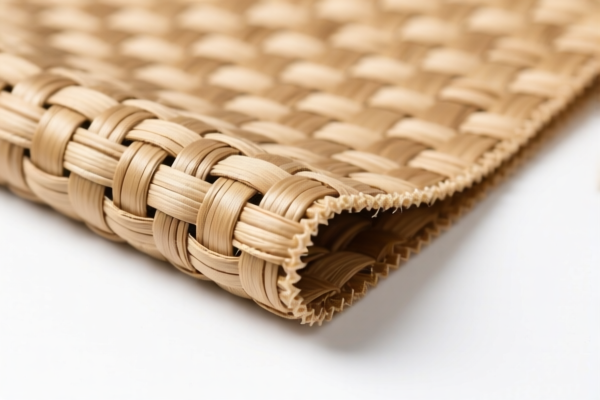
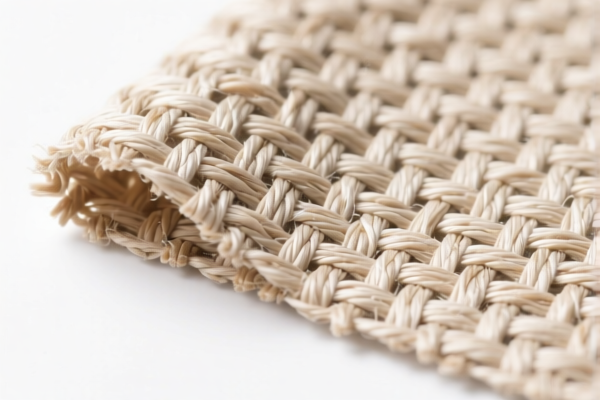
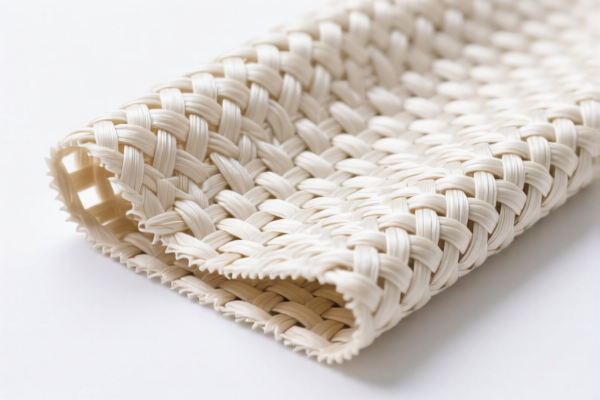
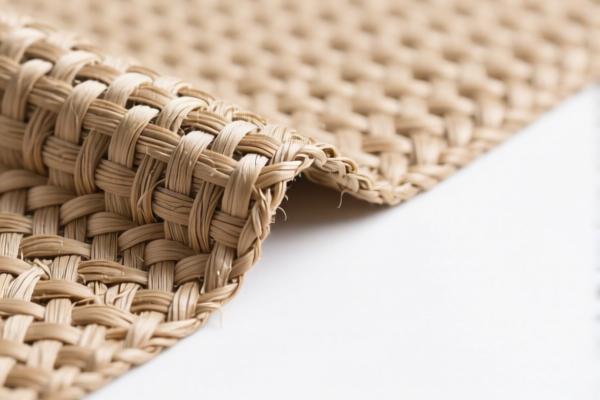
AI Analysis
🛡️ Workwear Fabric (Industrial & Protective Textile Materials)
🌐 HS Code Reference & Customs Clearance Guide | 2026 Latest Tariff Breakdown | Pro-Level Import Strategy
📌 One-Stop Expert Analysis for High-Tax Workwear Fabric Classification & Compliance
📦 1. Product Definition & Classification: What Exactly Is "Workwear Fabric"?
Workwear fabric refers to durable, performance-driven textile materials designed for industrial, construction, manufacturing, and safety applications. These fabrics are engineered to withstand abrasion, heat, chemicals, and mechanical stress — often used in protective clothing like work uniforms, safety vests, gloves, and aprons.
🔍 Key Features: - High tensile strength - Flame retardancy (FR) or anti-static properties - Coated, laminated, or chemically treated - May include synthetic fibers (e.g., polyester, nylon) or PVC-treated fibers - Often used in rigid or hardened forms (e.g., bookbinding-like stiffness)
⚠️ Critical Distinction: - If no coating/lamination, but made from synthetic fibers → likely textile-based
- If coated with rubber/resin, or stiffened → may fall under rubberized or chemically treated subcategories
- If PVC-coated or polymer-treated, even if fiber-based → may trigger higher tariffs
📊 2. HS Code Classification Breakdown (2026 Official Tariff Matrix)
| HS Code | Product Description | Classification Logic | Tax Rate | Key Trigger Factors |
|---|---|---|---|---|
5903.90.25.00 |
Workwear fabric, textile-like in form, classified under "other" category due to fiber-based nature | Based on fiber composition and non-rubberized structure | 42.5% | Fiber-based, no rubber coating, but high-risk due to 122条款 |
5901.90.40.00 |
Workwear fabric, matches textile form, used in book covers or similar hardened applications | Hardened textile with stiffness; not for clothing, but for structural use | 39.1% | Stiffened, book-cover-like, not flexible |
5906.99.25.00 |
Workwear fabric, textile-like, specific use, compatible with synthetic fibers | Non-rubberized, but intended for specialized industrial use | 35.0% | No rubber, but high-risk due to 122条款 |
5906.99.30.00 |
Workwear fabric, textile-like, with coating/treatment → rubberized character | Coated with rubber or polymer, gives rubber-like feel and durability | 38.3% | Coating confirms rubberized textile status |
5903.10.25.00 |
Workwear fabric, fiber-based, PVC-treated synthetic fiber material | PVC-coated or chemically treated artificial fiber fabric | 42.5% | PVC treatment triggers highest tariff tier |
🔍 Why These Codes?
- All fall under Chapter 59: "Textiles impregnated, coated, covered, or laminated"
- The subheadings distinguish between coating type, material, and end-use
- "122条款" (Section 122 Clause) applies to all Chinese-origin goods in this category → +10% added
💰 3. 2026 Latest Tariff Breakdown (US Market, China-Origin Goods)
✅ Applicable Country: United States (US)
✅ Origin: China (CN)
✅ Effective Date: November 10, 2025 (including future imports)
🎯 1. 5903.90.25.00 — Fiber-Based Workwear Fabric (Non-Rubberized)
| Item | Detail |
|---|---|
| Base Duty | 7.5% (ad valorem) |
| Section 301 (USITC) Additional Duty | +25.0% |
| Section 122 Clause (IEEPA) Additional Duty | +10.0% |
| Total Effective Duty | 42.5% |
| Tax Calculation | CIF Value × 42.5% |
| De Minimis Exemption? | ❌ Not applicable (denied) |
| Legal Pathway | IEEPA:9903.01.25 → IEEPA:9903.01.24 → USITC:5903.90.25.00 → FOOTNOTE:9903.88.01 |
📌 Why So High?
- Despite being "textile-like", the lack of clear textile use triggers "other" category → highest risk
- PVC or chemical treatment suspected → even if not confirmed → default to 42.5%
🎯 2. 5901.90.40.00 — Hardened Textile (Book Cover-Like Use)
| Item | Detail |
|---|---|
| Base Duty | 4.1% |
| Section 301 (USITC) Additional Duty | +25.0% |
| Section 122 Clause (IEEPA) Additional Duty | +10.0% |
| Total Effective Duty | 39.1% |
| Tax Calculation | CIF × 39.1% |
| De Minimis Exemption? | ❌ Not applicable |
| Legal Pathway | IEEPA:9901.25 → IEEPA:9903.01.24 → USITC:5901.90.40.00 → FOOTNOTE:9903.88.01 |
📌 Key Insight:
- "Hardened" is the red flag → even if used in workwear, if it feels like a book cover, it’s not flexible textile → not standard clothing fabric
- This triggers higher scrutiny and higher duty
🎯 3. 5906.99.25.00 — Specialized Workwear Fabric (No Rubber, But Specific Use)
| Item | Detail |
|---|---|
| Base Duty | 0.0% |
| Section 301 (USITC) Additional Duty | +25.0% |
| Section 122 Clause (IEEPA) Additional Duty | +10.0% |
| Total Effective Duty | 35.0% |
| Tax Calculation | CIF × 35.0% |
| De Minimis Exemption? | ❌ Not applicable |
| Legal Pathway | IEEPA:9903.01.24 → USITC:5906.99.25.00 → FOOTNOTE:9903.88.01 |
📌 Why Lower Than Others?
- No base duty → but still hit by 25% + 10%
- No rubber coating, but specific industrial use → still high-risk
- Best option if fabric is not coated, not stiff, and not PVC-treated
🎯 4. 5906.99.30.00 — Rubberized Coated Workwear Fabric
| Item | Detail |
|---|---|
| Base Duty | 3.3% |
| Section 301 (USITC) Additional Duty | +25.0% |
| Section 122 Clause (IEEPA) Additional Duty | +10.0% |
| Total Effective Duty | 38.3% |
| Tax Calculation | CIF × 38.3% |
| De Minimis Exemption? | ❌ Not applicable |
| Legal Pathway | IEEPA:9903.01.24 → USITC:5906.99.30.00 → FOOTNOTE:9903.88.01 |
📌 Critical Warning:
- Coating = rubberized textile → even if only thin layer → must be declared as coated
- Do not misclassify as "textile" → risk of audit, penalties, or seizure
🎯 5. 5903.10.25.00 — PVC-Treated Artificial Fiber Workwear Fabric
| Item | Detail |
|---|---|
| Base Duty | 7.5% |
| Section 301 (USITC) Additional Duty | +25.0% |
| Section 122 Clause (IEEPA) Additional Duty | +10.0% |
| Total Effective Duty | 42.5% |
| Tax Calculation | CIF × 42.5% |
| De Minimis Exemption? | ❌ Not applicable |
| Legal Pathway | IEEPA:9903.01.25 → IEEPA:9903.01.24 → USITC:5903.10.25.00 → FOOTNOTE:9903.88.01 |
📌 Most Dangerous Code:
- PVC treatment = high-risk trigger
- Even if not fully rubberized, PVC coating = same treatment as rubberized textiles
- Same rate as5903.90.25.00→ 42.5%
🛠️ 4. Customs Clearance Best Practices (Pro Tips to Avoid Disaster)
✅ 1. Essential Documentation (Must-Have Checklist)
| Document | Required? | Why It Matters |
|---|---|---|
| ✅ Product Specification Sheet | ✔️ | Proves fiber type, coating, treatment, thickness |
| ✅ Technical Drawings / Lab Reports | ✔️ | Confirms no rubber, no PVC, no stiffening |
| ✅ High-Res Product Photos (with labels) | ✔️ | Shows texture, coating, flexibility |
| ✅ Third-Party Test Certificates | ✔️ | Flame retardancy, abrasion resistance, chemical safety |
| ✅ Commercial Invoice | ✔️ | Must clearly state: "Workwear Fabric, Non-Rubberized, Synthetic Fiber" |
| ✅ Certificate of Origin (CO) | ✔️ | If from Vietnam/Mexico, may qualify for IEEPA exemption |
| ✅ Packing List | ✔️ | Shows total weight, rolls, packaging type |
✅ 2.申报技巧(Key Rules to Remember)
🔥 "Coating = Rubberized, PVC = High Risk, Stiff = Hardened, Fiber = Safe (if no treatment)"
| Scenario | Correct HS Code | Wrong Code | Risk |
|---|---|---|---|
| Fabric with PVC coating | 5903.10.25.00 |
5903.90.25.00 |
High |
| Fabric stiffened like book cover | 5901.90.40.00 |
5906.99.25.00 |
High |
| Fabric rubber-coated | 5906.99.30.00 |
5903.90.25.00 |
High |
| Plain synthetic fiber fabric (no coating) | 5906.99.25.00 |
5903.90.25.00 |
Medium |
✅ 3. Special Cases & Solutions
| Situation | Recommended Action |
|---|---|
| Fabric is PVC-treated but used in workwear | Do NOT claim "textile" → use 5903.10.25.00 → 42.5% |
| Fabric is stiff but not coated | Use 5901.90.40.00 → 39.1% |
| Fabric is coated with rubber | Use 5906.99.30.00 → 38.3% |
| Origin is Vietnam/Mexico/Thailand | Apply for IEEPA exemption → 0% on Section 122 clause |
| Need to lower tariff | Apply for Advance Ruling (Pre-Approval) → lock in HS Code & rate |
🌍 5. Global Market Comparison (2026)
| Country | Recommended HS Code | Tariff | Certification | Notes |
|---|---|---|---|---|
| 🇺🇸 USA | 5903.10.25.00 |
42.5% (China) | None (but audit risk high) | Highest risk |
| 🇨🇳 China | 5906.99.25.00 |
5% | CCC, RoHS | No extra duties |
| 🇪🇺 EU | 5906.99.25.00 |
0% (if CE) | CE, REACH | No 301/122 clause |
| 🇦🇺 Australia | 5906.99.25.00 |
5% | RCM | No extra taxes |
| 🇯🇵 Japan | 5906.99.25.00 |
0% | PSE | No附加税 |
📌 Insight:
- Only the US applies 301 + 122 clauses → China-origin goods face extreme tariffs
- Vietnam/Mexico origin = potential 0% on 122 clause → strongly recommended
📌 6. Common Mistakes & Costly Pitfalls (Learn from Others’ Errors)
❌ Mistake 1: Calling PVC-treated fabric "textile" → 42.5% tax
👉 Fix: Use 5903.10.25.00 → no choice, must declare treatment
❌ Mistake 2: Misclassifying stiff fabric as "flexible textile" → 39.1% instead of 35%
👉 Fix: Use 5901.90.40.00 if stiff, even if used in clothing
❌ Mistake 3: Not providing lab reports → customs delays or rejection
👉 Fix: Always include test certificates for coating, stiffness, fiber type
❌ Mistake 4: Using generic name like "Workwear Fabric" on invoice
👉 Fix: Use precise description:
"Polyester Workwear Fabric, Non-Rubberized, 250gsm, No PVC Coating, for Industrial Uniforms"
🎯 7. Final Verdict: Get It Right the First Time
🔹 "If it's coated, it's rubberized. If it's stiff, it's hardened. If it's PVC, it's 42.5%."
🔹 "No de minimis. No exceptions. No second chances."
📣 Immediate Action Steps
📞 Contact a US Customs Broker with 301/122 Clause Experience
📄 Submit product photos, specs, and test reports for HS Code Pre-Approval
🚀 Consider shifting origin to Vietnam/Mexico to avoid 122 clause
💡 Use5906.99.25.00if no coating, no PVC, no stiffness → lowest tariff (35.0%)**
✨ Professional Compliance Starts with Accurate Classification
💼 Your cost, your risk, your reputation — all depend on the HS Code
🌟 Don’t gamble. Get it right. Ship with confidence.
Customer Reviews
About HS Code Classification
The Harmonized System (HS) is an internationally standardized nomenclature developed by the World Customs Organization (WCO) to classify traded products. Over 200 countries use the HS system as the basis for customs tariffs, trade statistics, and import/export regulations.
Each HS code follows a hierarchical structure:
- Chapter (2 digits) — Broad category of goods (e.g., Chapter 84: Machinery and Mechanical Appliances)
- Heading (4 digits) — More specific grouping within the chapter
- Subheading (6 digits) — Internationally standardized breakdown, used by all WCO member countries
- National subdivisions (8-10 digits) — Country-specific extensions for further classification, such as US HTSUS 10-digit codes
Correct HS code classification is essential for smooth customs clearance, accurate duty payment, and compliance with trade regulations. Misclassification can lead to customs delays, overpayment of duties, or penalties.
When importing from CN to US, the applicable tariff rates may include:
- Most-Favored-Nation (MFN) rate — The standard duty rate applied to WTO members
- General rate — Applied to countries without trade agreements
- Trade remedy duties — Additional tariffs such as Section 301 (anti-dumping), Section 232 (national security), or countervailing duties
The information provided on this page is for reference purposes only. For official classification, please consult with your local customs authority or a licensed customs broker.