Woven Bag
CN → US| HS Code | Tariff Rate | Origin | Destination | Doc |
|---|---|---|---|---|
| 4602112100 | 41.2% | CN | US | Official Doc |
| 4202224020 | 42.4% | CN | US | Official Doc |
| 4202228980 | 52.6% | CN | US | Official Doc |
| 4602192920 | 40.3% | CN | US | Official Doc |
| 3926903300 | 16.5% | CN | US | Official Doc |
Product Images
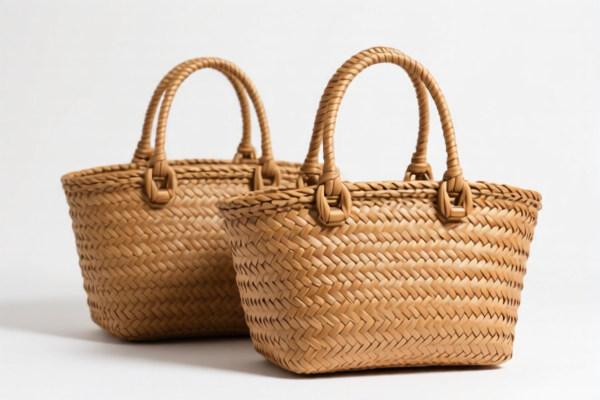

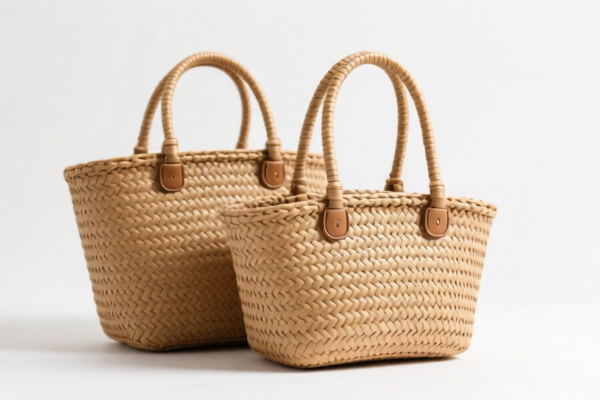
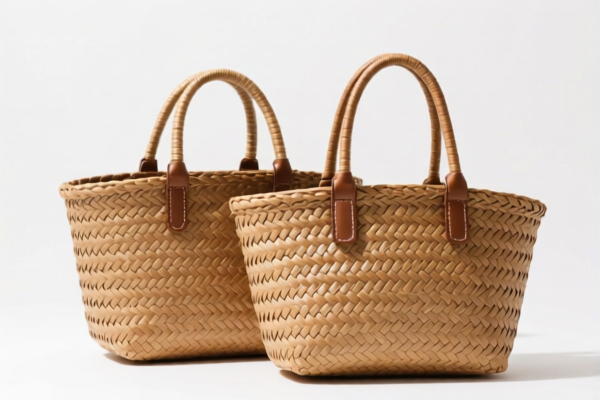
AI Analysis
🎒 Woven Bags & Accessories (Basketware, Handbags & Plastic Parts)
🌐 HS Code Reference & Customs Clearance Guide | 2026 Latest Tariff Analysis | Professional Entry Strategies
📌 I. Product Definition & Classification: Do You Really Understand "Woven Bags"?
"Woven Bags" are not a single category in international trade. They are strictly classified by material composition. A bag made of bamboo is treated completely differently from one made of synthetic fibers or plastic accessories. Misclassification leads to severe tariff penalties (up to 52.6% vs 16.5%).
Key Distinction Logic: 1. Natural Plant Materials (Bamboo/Rattan): Classified under Chapter 46. Low base duty, but subject to additional levies. 2. Textile/Woven Materials (Fabric/Straw-like): Classified under Chapter 42. Higher base duty, subject to additional levies. 3. Plastic Accessories: Classified under Chapter 39. Independent items, not the bag itself.
⚠️ Critical Warning:
- "Woven" does not mean "Textile" in HS Code terms. Plant-based weaving goes to Ch.46; Synthetic/Fabric weaving often goes to Ch.42.
- Accessories (like plastic clasps/handles) are declared separately from the main bag.
📦 II. HS Code Classification Details (2026 Latest Tariff Authority Match)
Based on the provided data, here are the exact HS Codes for "Woven Bags" and their components:
| HS Code | Product Description (Summary) | Material Basis | Chapter |
|---|---|---|---|
4602.11.21.00 |
Woven Handbags, Material: Bamboo, Rattan, etc. | Natural Plant Materials | 46 (Basketware) |
4202.22.40.20 |
Woven Handbags, Material: Woven Materials | Synthetic/Textile Woven | 42 (Articles of Apparel) |
4202.22.89.80 |
Woven Handbags, Material: Other Textile Materials | Other Textiles | 42 (Articles of Apparel) |
4602.19.29.20 |
Woven Handbags, Material: Plant Material Woven Products | Other Plant Fibers | 46 (Basketware) |
3926.90.33.00 |
Woven Bag Accessories, Material: Plastic Products | Plastic Parts | 39 (Plastics) |
🔍 Classification Logic:
- If it’s Bamboo/Rattan → Go to4602.11.21.00or4602.19.29.20.
- If it’s Fabric/Synthetic Woven → Go to4202.22.40.20or4202.22.89.80.
- If it’s a Plastic Buckle/Handle → Go to3926.90.33.00.
💰 III. 2026 Latest Tariff Rate Breakdown (Including Surcharges & Policies)
✅ Applicable Country: United States (US)
✅ Origin: China (CN)
✅ Effective Time: Current (Post-2024 Trade Actions)
🎯 1. 4602.11.21.00 & 4602.19.29.20 —— Plant-Based Woven Bags (Bamboo/Rattan)
| Item | Content |
|---|---|
| Base Duty Rate | 5.3% - 6.2% (Ad Valorem) |
| Section 301 Surtax | +25.0% (China-specific punitive tariff) |
| Section 122 Tariff | +10.0% (Specific China-related surcharge) |
| Total Effective Rate | 40.3% - 41.2% |
| Tax Calculation | CIF Value × Total Rate |
| De Minimis Exemption? | ❌ NO (Section 321 threshold does not apply to these surcharges) |
| Legal Basis Path | HTSUS:4602 → USITC Footnote: Section 301 → IEEPA: Section 122 |
📌 Explanation:
- Base Duty (5.3%-6.2%): Standard MFN rate for basketware.
- +25% (Section 301): High-level punitive tariff on Chinese goods.
- +10% (Section 122): Additional surcharge targeting specific Chinese imports.
- Total ~41%: This is a high-cost category. Profit margins must account for this.
🎯 2. 4202.22.40.20 —— Woven Handbags (Woven Materials)
| Item | Content |
|---|---|
| Base Duty Rate | 7.4% (Ad Valorem) |
| Section 301 Surtax | +25.0% |
| Section 122 Tariff | +10.0% |
| Total Effective Rate | 42.4% |
| Tax Calculation | CIF Value × 42.4% |
| De Minimis Exemption? | ❌ NO |
| Legal Basis Path | HTSUS:4202 → USITC Footnote: Section 301 → IEEPA: Section 122 |
📌 Note:
- Slightly higher base duty than bamboo bags due to textile manufacturing complexity.
- Total 42.4% is among the higher tiers for general consumer goods from China.
🎯 3. 4202.22.89.80 —— Woven Handbags (Other Textile Materials)
| Item | Content |
|---|---|
| Base Duty Rate | 17.6% (Ad Valorem) |
| Section 301 Surtax | +25.0% |
| Section 122 Tariff | +10.0% |
| Total Effective Rate | 52.6% |
| Tax Calculation | CIF Value × 52.6% |
| De Minimis Exemption? | ❌ NO |
| Legal Basis Path | HTSUS:4202 → USITC Footnote: Section 301 → IEEPA: Section 122 |
📌 Warning:
- This is the most expensive category for woven bags.
- "Other textile materials" often include complex synthetic weaves or mixed fabrics, attracting the highest base duty.
- Over 50% total tax makes this product line highly sensitive to price changes.
🎯 4. 3926.90.33.00 —— Plastic Accessories for Woven Bags
| Item | Content |
|---|---|
| Base Duty Rate | 6.5% (Ad Valorem) |
| Section 301 Surtax | +0.0% |
| Section 122 Tariff | +10.0% |
| Total Effective Rate | 16.5% |
| Tax Calculation | CIF Value × 16.5% |
| De Minimis Exemption? | ❌ NO (Still subject to Section 122) |
| Legal Basis Path | HTSUS:3926 → USITC Footnote: No Section 301 → IEEPA: Section 122 |
📌 Strategic Insight:
- Section 301 (25%) does NOT apply to many plastic accessories (depending on specific subheading rulings).
- Only +10% (Section 122) applies.
- Total 16.5% is significantly lower than the bags themselves.
- Optimization Tip: If possible, separate accessories (handles, buckles) from the main bag for declaration to leverage this lower rate, provided they are distinct products.
🛠️ IV. Customs Clearance Practical Advice (Battle-Tested Pitfall Avoidance)
✅ 1. Preparation Checklist (Non-Negotiable)
| Document | Required? | Explanation |
|---|---|---|
| ✅ Product Photos | ✔️ | Must clearly show material texture (bamboo vs. fabric vs. plastic). |
| ✅ Material Composition Statement | ✔️ | Explicitly state: "100% Bamboo Rattan" or "Polyester Woven". |
| ✅ Commercial Invoice | ✔️ | Must list HS Code explicitly. Do not just write "Bag". |
| ✅ Packing List | ✔️ | Separate bags from plastic accessories if declaring separately. |
| ✅ Supply Chain Proof | ✔️ | Proof of Chinese origin to anticipate Section 301/122 duties. |
✅ 2. Declaration Strategy (Key Mantra)
🔥 "Material First, Section 301 Check, Separate Accessories, Save 25%!"
| Scenario | Correct Declaration | Wrong Practice |
|---|---|---|
| Bamboo Rattan Bag | 4602.11.21.00 (Base 6.2%) |
Misdeclare as Fabric Bag → 42.4% |
| Fabric Woven Bag | 4202.22.40.20 (Base 7.4%) |
Misdeclare as Plant Fiber → Audit Risk |
| Mixed Bag (Bag + Plastic Handle) | Declare Bag + Declare Handle Separately | Combine into one line item → Risk of misclassification |
| Plastic Buckle Only | 3926.90.33.00 (Total 16.5%) |
Declare as part of Bag → Lose savings |
✅ 3. Special Handling Cases
| Situation | Advice |
|---|---|
| Mixed Materials (e.g., Bamboo frame + Fabric lining) | Classify based on principal material or essential character. If fabric dominates, use Ch.42 codes (Higher tax!). |
| Section 122 (10%) | This tariff is new/variable. Verify current enforcement status. It applies to all listed items. |
| De Minimis (800 USD) | ❌ DO NOT Rely on Section 321. Section 301 and Section 122 duties bypass the de minimis exemption for Chinese goods. |
| OEM/ODM Brands | Provide design specs to prove material composition. Customs may inspect for "substantial transformation" if sourcing from third countries. |
🌍 V. Global Market Comparison (2026)
| Country/Region | Recommended HS Code | Est. Total Duty (CN Origin) | Key Certifications | Notes |
|---|---|---|---|---|
| 🇺🇸 USA | 4602.11.21.00 / 4202.22.40.20 |
40.3% - 52.6% | None specific, but proof of origin needed | High barriers due to 301+122 tariffs. |
| 🇨🇳 China | 4602.11.21.00 / 4202.22.40.20 |
5% - 7% | None | Domestic consumption, low duty. |
| 🇪🇺 EU | 4602.19 / 4202.22 |
4% - 6% | CE (if electronic), EPR (packaging) | No Section 301/122. Much cheaper than US. |
| 🇬🇧 UK | 4602.19 / 4202.22 |
6% | UKCA (if applicable) | Post-Brexit rules apply, but no punitive tariffs. |
📌 Strategic Conclusion:
- USA Market: High risk, high cost. Optimization is critical. Consider separating plastic accessories (3926.90.33.00) to save 25% on those parts.
- EU/UK Market: Significantly more favorable for woven bags from China.
- Recommendation: If targeting the US, ensure precise material declaration to avoid being reclassified into the highest bracket (4202.22.89.80at 52.6%).
📌 VI. Common Mistakes & Pitfalls (Lessons Learned)
❌ Mistake 1: Declaring a Fabric Bag as Bamboo to avoid higher base duty.
👉 Consequence: Customs inspection reveals fabric fibers → Reclassification + Penalties + Back Taxes.
❌ Mistake 2: Ignoring Section 122 (10%).
👉 Consequence: Underpayment of 10% on all items → Interest and fines.
❌ Mistake 3: Combining Plastic Accessories into the bag declaration.
👉 Consequence: You pay Section 301 (25%) on the plastic parts, which could have been taxed at 0% Section 301 (only 10% Section 122). Loss of 15% on accessories.
✅ Correct Approach:
"Woven Bamboo Handbag, Model XYZ, 100% Natural Rattan, With Plastic Clasp (Declared Separately as Plastic Accessory)."
🎯 VII. Conclusion: Precision Saves Profits!
🎯 Remember the Mantra:
🔹 "Plant Fiber = Ch.46, Fabric = Ch.42, Plastic = Ch.39."
🔹 "Section 301 (+25%) is the killer, Section 122 (+10%) is the tax."
🔹 "Separate plastic parts to save 25%!"
📌 Pro Tip:
If your woven bags contain more than 10% synthetic lining, customs may reclassify them under Ch.42 (Textiles), jumping your tax from 41.2% to 42.4% or 52.6%. Keep material purity high or declare accurately to avoid surprise reclassification.
📣 Immediate Action:
📞 Review your BOM (Bill of Materials).
🚀 Separate Plastic Accessories (3926.90.33.00) from Bags in your Commercial Invoice.
💰 Calculate the 16.5% vs 40%+ differential. This simple change can save ~25% tax on accessory costs.
✨ Professional Customs Clearance Starts with Accurate Classification!
💼 Every percentage point of tariff is money in your pocket—if managed correctly!
Customer Reviews
About HS Code Classification
The Harmonized System (HS) is an internationally standardized nomenclature developed by the World Customs Organization (WCO) to classify traded products. Over 200 countries use the HS system as the basis for customs tariffs, trade statistics, and import/export regulations.
Each HS code follows a hierarchical structure:
- Chapter (2 digits) — Broad category of goods (e.g., Chapter 84: Machinery and Mechanical Appliances)
- Heading (4 digits) — More specific grouping within the chapter
- Subheading (6 digits) — Internationally standardized breakdown, used by all WCO member countries
- National subdivisions (8-10 digits) — Country-specific extensions for further classification, such as US HTSUS 10-digit codes
Correct HS code classification is essential for smooth customs clearance, accurate duty payment, and compliance with trade regulations. Misclassification can lead to customs delays, overpayment of duties, or penalties.
When importing from CN to US, the applicable tariff rates may include:
- Most-Favored-Nation (MFN) rate — The standard duty rate applied to WTO members
- General rate — Applied to countries without trade agreements
- Trade remedy duties — Additional tariffs such as Section 301 (anti-dumping), Section 232 (national security), or countervailing duties
The information provided on this page is for reference purposes only. For official classification, please consult with your local customs authority or a licensed customs broker.