Woven Basket
CN → US| HS Code | Tariff Rate | Origin | Destination | Doc |
|---|---|---|---|---|
| 4602110700 | 35.0% | CN | US | Official Doc |
| 4602110900 | 45.0% | CN | US | Official Doc |
| 4601920500 | 37.7% | CN | US | Official Doc |
| 3926909989 | 22.8% | CN | US | Official Doc |
Product Images
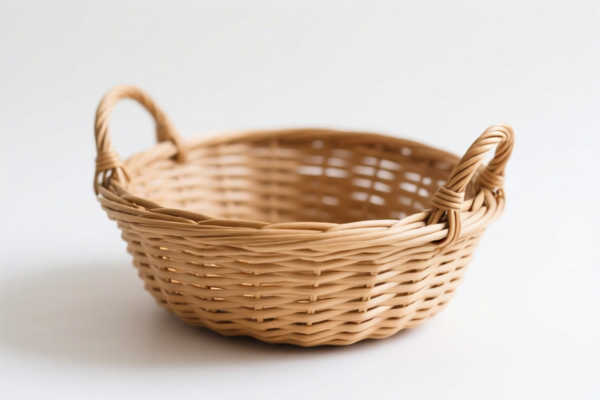
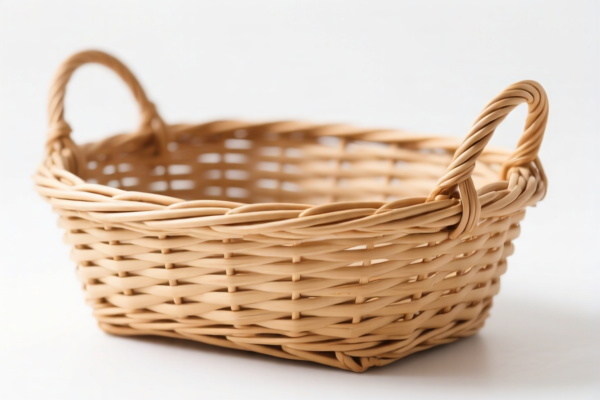
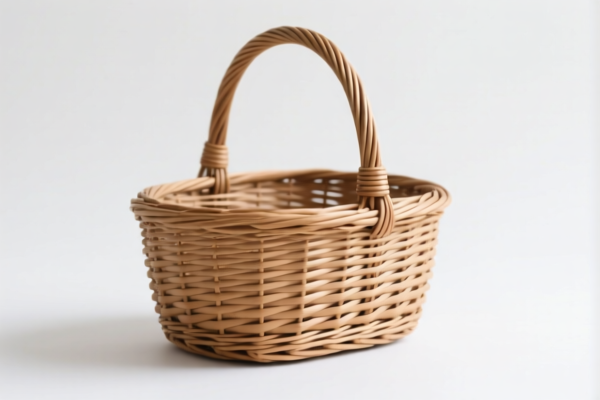
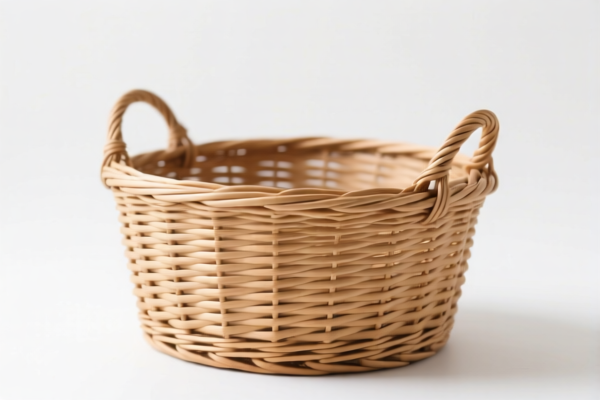
AI Analysis
🧺 Woven Basket (Plant Fiber/Artificial Wicker)
🌐 HS Code Reference & Customs Clearance Guide | 2026 Latest Tariff Analysis | Professional Clearance Strategy
📌 I. Product Definition & Classification: Do You Really Understand "Woven Baskets"?
Woven baskets are traditional containers crafted from natural plant fibers (such as bamboo, rattan, willow, reed) or synthetic materials (such as plastic fibers, synthetic wicker). In international trade, the classification depends strictly on Material Composition and Structural Form. Misclassification here can lead to significant tariff differences, especially under current US trade policies.
⚠️ Key Distinction Points:
- Natural Plant Fibers (Bamboo/Willow/Rattan): Generally fall under Chapter 46. - Synthetic Materials (Plastic/PP/PE): Generally fall under Chapter 39 (Plastics) or Chapter 46 if treated similarly to natural weaving. - Structure: Are they finished containers (baskets/buckets) or raw woven mats/materials?
📦 II. HS Code Classification Details (2026 Latest Tariff Authority Comparison)
Based on the provided data, here are the four most likely HS Codes for "Woven Baskets," categorized by material and form:
| HS Code | Product Description | Material Inference | Key Characteristics |
|---|---|---|---|
4602.11.07.00 |
Baskets and other made-up articles of plaiting materials | Natural Plant Fibers (Bamboo, Willow, etc.) | Finished basket shape; made from natural plant plaiting materials. |
4602.11.09.00 |
Baskets and other made-up articles of plaiting materials | Other Plant Materials | Finished basket shape; made from other plant plaiting materials not specified in 07. |
4601.92.05.00 |
Plaiting materials and products thereof (e.g., mats, mats, baskets) | Bamboo Weaving工艺 | Broad category for woven articles, including bamboo crafts, possibly semi-finished or specific bamboo products. |
3926.90.99.89 |
Other articles of plastics and articles of other materials of headings 3901 to 3914 | Plastic/Synthetic Fibers | Artificial wicker, plastic fiber baskets; classified as plastic products due to material nature. |
🔍 Critical Note:
- If the basket is made of real bamboo or willow, use 4602.11 or 4601.92. - If the basket is made of plastic fiber, PP weave, or synthetic rattan, use 3926.90. - The distinction between4602.11.07and4602.11.09often lies in the specific type of plant fiber, but both attract high tariffs.
💰 III. 2026 Latest Tariff Rate Details (Including Surcharges & Policy Add-ons)
✅ Applicable Country: United States (US)
✅ Country of Origin: China (CN)
✅ Effective Time: 2025/2026 (Current Trade Policies)
🎯 1. 4602.11.07.00 —— Baskets of Bamboo/Willow (Natural Fibers)
| Item | Content |
|---|---|
| Base Tariff | 0.0% (ad valorem) |
| Section 301 Surcharge | +25.0% (USITC Footnote 9903.88.01) |
| Section 122 Tariff | +10.0% (Specific to certain Chinese goods) |
| Total Tax Rate | 35.0% |
| Calculation Basis | CIF Value × 35% |
| De Minimis Exemption | ❌ Not Applicable (Denied) |
| Legal Basis Path | IEEPA/USITC: 4602.11 → Section 301 → Section 122 |
📌 Explanation:
- Although the base tariff is 0%, the addition of 25% (Section 301) and 10% (Section 122) results in a 35% effective tax rate. - This category is heavily targeted due to its classification as a manufactured consumer good from China.
🎯 2. 4602.11.09.00 —— Baskets of Other Plant Materials
| Item | Content |
|---|---|
| Base Tariff | 10.0% (ad valorem) |
| Section 301 Surcharge | +25.0% |
| Section 122 Tariff | +10.0% |
| Total Tax Rate | 45.0% |
| Calculation Basis | CIF Value × 45% |
| De Minimis Exemption | ❌ Not Applicable (Denied) |
| Legal Basis Path | IEEPA/USITC: 4602.11 → Section 301 → Section 122 |
📌 Note:
- This is the highest tariff category in the provided data. - The base rate of 10% + 25% + 10% = 45%. - Avoid this classification if possible; it is extremely costly.
🎯 3. 4601.92.05.00 —— Bamboo Woven Products (General Plaiting)
| Item | Content |
|---|---|
| Base Tariff | 2.7% (ad valorem) |
| Section 301 Surcharge | +25.0% |
| Section 122 Tariff | +10.0% |
| Total Tax Rate | 37.7% |
| Calculation Basis | CIF Value × 37.7% |
| De Minimis Exemption | ❌ Not Applicable (Denied) |
| Legal Basis Path | IEEPA/USITC: 4601.92 → Section 301 → Section 122 |
📌 Note:
- Slightly lower than4602.11.09but still very high. - Often used for bamboo crafts, mats, or baskets that might be considered "plaiting materials" rather than finished containers.
🎯 4. 3926.90.99.89 —— Plastic/Synthetic Fiber Baskets
| Item | Content |
|---|---|
| Base Tariff | 5.3% (ad valorem) |
| Section 301 Surcharge | +7.5% |
| Section 122 Tariff | +10.0% |
| Total Tax Rate | 22.8% |
| Calculation Basis | CIF Value × 22.8% |
| De Minimis Exemption | ❌ Not Applicable (Denied) |
| Legal Basis Path | IEEPA/USITC: 3926.90 → Section 301 → Section 122 |
📌 Strategic Advantage:
- This is the most cost-effective classification among the options. - The Section 301 surcharge is only 7.5% (vs. 25% for Chapter 46), resulting in a 22.8% total rate. - If your basket is made of plastic fiber, PP weave, or synthetic rattan, declare it under 3926.90.99.89 to save 12.2% - 22.2% in taxes!
🛠️ IV. Customs Clearance Practical Suggestions (Battle-Tested Pitfall Avoidance)
✅ 1. Document Preparation Checklist (Essential)
| Document | Required | Explanation |
|---|---|---|
| ✅ Product Specification Sheet | ✔️ | Must clearly state material (e.g., "100% PP Fiber" vs. "Natural Bamboo"). |
| ✅ Photos (Including Close-ups) | ✔️ | Show texture: Natural fibers have irregularities; plastics are uniform. |
| ✅ Commercial Invoice | ✔️ | Use precise description: "Plastic Woven Storage Basket" vs. "Bamboo Basket". |
| ✅ Packing List | ✔️ | Weight and dimensions must match. |
| ✅ Certificate of Origin (CO) | ✔️ | Proves origin as China (triggers tariffs). |
✅ 2. Declaration Strategy (Key Mnemonics)
🔥 “Material Defines Code, Plastic is Cheaper, Bamboo is Heavy!”
| Scenario | Correct HS Code | Tax Rate | Risk |
|---|---|---|---|
| Real Bamboo/Willow Basket | 4602.11.07.00 |
35.0% | High |
| Other Plant Fiber Basket | 4602.11.09.00 |
45.0% | Very High |
| Bamboo Craft/Mat | 4601.92.05.00 |
37.7% | High |
| Plastic/Synthetic Wicker Basket | 3926.90.99.89 |
22.8% | Lowest Cost |
📌 Critical Advice:
- Do not declare plastic baskets as "Bamboo" to get a lower base rate if the surcharge is higher. In this case, the plastic basket (3926.90) has a higher base rate (5.3%) but a much lower surcharge (7.5% vs 25%), making the total effective rate lower. - Accuracy is Key: Misdeclaring plastic as bamboo (3926→4602) leads to underpayment, resulting in penalties and retroactive tax collection.
✅ 3. Special Cases
| Situation | Handling Suggestion |
|---|---|
| Mixed Materials (Bamboo handle + Plastic basket) | Declare based on the principal material or the part giving essential character. If plastic body dominates, 3926.90 may apply. |
| Set Items (Basket + Liner) | Declare as the main item (Basket). Liner is accessory. |
| Sample Orders | Even for samples, tariffs apply. No de minimis exemption for these HS codes. |
| Re-exported Goods | If goods are transshipped, ensure no "substantial transformation" occurs in the transit country to avoid re-origin rules. |
🌍 V. Global Market Comparison (2026)
| Country/Region | Recommended HS Code | Tariff (China Origin) | Notes |
|---|---|---|---|
| 🇺🇸 USA | 3926.90.99.89 |
22.8% | Best option for synthetic baskets. Avoid 4602 if possible. |
| 🇪🇺 EU | 4602.11.00 / 3926.90 |
0% - 6.5% | No Section 301/122 surcharges. Much lower cost. |
| 🇬🇧 UK | 4602.11.00 / 3926.90 |
0% - 6.5% | Post-Brexit tariffs generally lower for these items. |
| 🇨🇦 Canada | 4602.11.00 / 3926.90 |
0% - 5% | FTA benefits may apply depending on origin. |
| 🇦🇺 Australia | 4602.11.00 / 3926.90 |
5% - 10% | ChAFTA benefits may reduce tariffs. |
📌 Conclusion:
- The US market is exceptionally expensive for woven baskets from China due to Section 301 and Section 122. - Synthetic/Plastic baskets (3926.90) are significantly cheaper to import into the US than natural fiber baskets (4602.11). - Consider sourcing from non-China origins (e.g., Vietnam, Thailand) for natural fiber baskets to avoid these surcharges.
📌 VI. Common Errors & Pitfalls (Lessons Learned)
❌ Error 1: Declaring a plastic fiber basket as a natural bamboo basket (3926 → 4602)
👉 Consequence: While the base tariff might be lower, the Section 301 surcharge jumps from 7.5% to 25%, increasing the total tax from 22.8% to 35%+. This is a net loss, not a savings.
❌ Error 2: Declaring a natural bamboo basket as a plastic basket (4602 → 3926)
👉 Consequence: Customs Fraud. Physical inspection will reveal natural fibers. Result: Confiscation, fines, and potential legal action.
❌ Error 3: Ignoring Section 122 Tariff
👉 Consequence: Missing the 10% additional duty. All four HS codes include this 10% levy. Underpayment leads to retroactive taxes + interest.
❌ Error 4: Assuming "De Minimis" (Section 321) applies
👉 Consequence: De Minimis does NOT apply to these goods under current US trade enforcement. All shipments, regardless of value, are subject to these tariffs.
✅ Correct Action:
"Plastic Woven Storage Basket, 15L, PP Material, Synthetic, Black, Model XYZ" → HS 3926.90.99.89
"Natural Bamboo Woven Laundry Basket, Handmade, Unfinished" → HS 4602.11.07.00
🎯 VII. Conclusion: Professional Declaration, Cost Optimization!
🎯 Remember the Mantra:
🔹 "Plastic is Cheaper in the US (22.8%), Bamboo is Expensive (35-45%)."
🔹 "Check the Material First, Then Choose the Code!"
🔹 "No De Minimis for Baskets from China!"
✨ Professional Customs Clearance Starts with Accurate Classification!
💼 Your Every Cent of Cost Deserves Precise Calculation!
Customer Reviews
About HS Code Classification
The Harmonized System (HS) is an internationally standardized nomenclature developed by the World Customs Organization (WCO) to classify traded products. Over 200 countries use the HS system as the basis for customs tariffs, trade statistics, and import/export regulations.
Each HS code follows a hierarchical structure:
- Chapter (2 digits) — Broad category of goods (e.g., Chapter 84: Machinery and Mechanical Appliances)
- Heading (4 digits) — More specific grouping within the chapter
- Subheading (6 digits) — Internationally standardized breakdown, used by all WCO member countries
- National subdivisions (8-10 digits) — Country-specific extensions for further classification, such as US HTSUS 10-digit codes
Correct HS code classification is essential for smooth customs clearance, accurate duty payment, and compliance with trade regulations. Misclassification can lead to customs delays, overpayment of duties, or penalties.
When importing from CN to US, the applicable tariff rates may include:
- Most-Favored-Nation (MFN) rate — The standard duty rate applied to WTO members
- General rate — Applied to countries without trade agreements
- Trade remedy duties — Additional tariffs such as Section 301 (anti-dumping), Section 232 (national security), or countervailing duties
The information provided on this page is for reference purposes only. For official classification, please consult with your local customs authority or a licensed customs broker.