Woven Fabric (HS Code 5802200090)
CN → US| HS Code | Tariff Rate | Origin | Destination | Doc |
|---|---|---|---|---|
| 5802109000 | 44.4% | CN | US | Official Doc |
| 5802101000 | 44.8% | CN | US | Official Doc |
| 5911203000 | 35.0% | CN | US | Official Doc |
| 5911201000 | 38.3% | CN | US | Official Doc |
| 5802109000 | 44.4% | CN | US | Official Doc |
Product Images
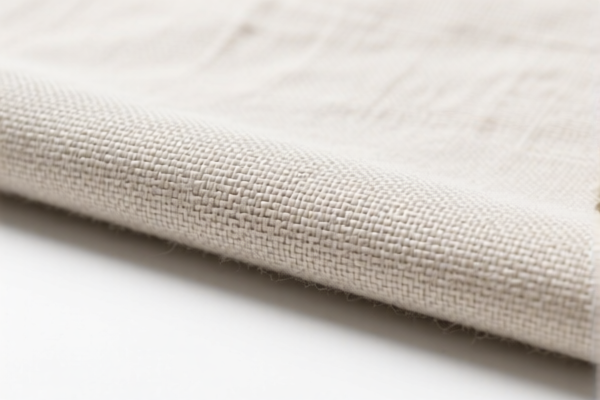
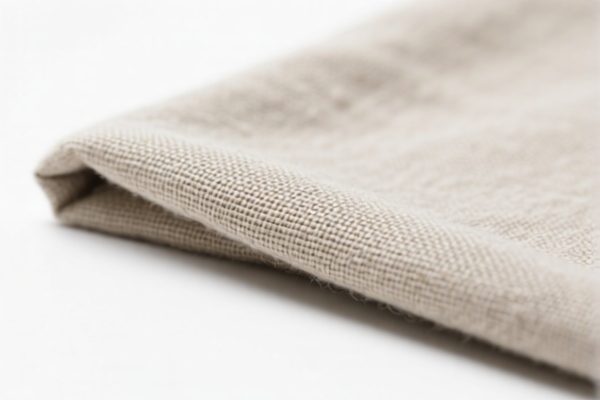
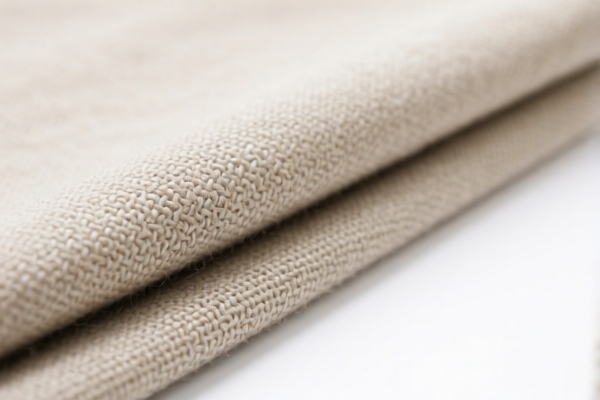
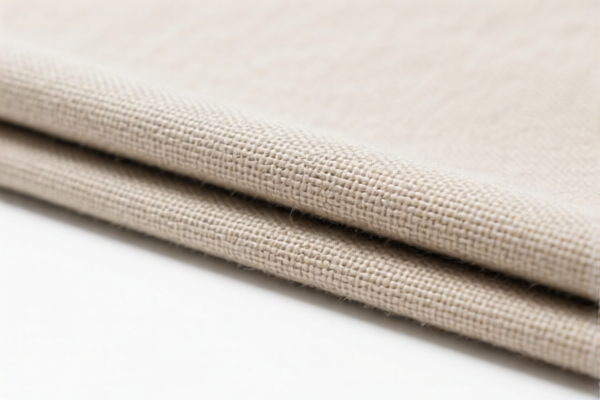
AI Analysis
🧵 Woven Fabrics (Woven Fabric)
🌐 HS Code Reference & Customs Clearance Guide | 2026 Latest Tariff Analysis | Professional Clearance Strategy
📌 I. Product Definition and Classification: What Exactly is "Woven Fabric"?
Woven Fabric is a versatile textile product created by interlacing two distinct sets of yarns (warp and weft) at right angles. In international trade, it serves as the foundational material for garments, home textiles, industrial applications, and technical textiles.
Key Distinction by Fabric Structure: * Terry Toweling / Loop Pile: Fabrics with uncut loops on the surface (e.g., bath towels, beach mats). * Scoured/Bleached/Yarn-Dyed: Fabrics that have undergone chemical treatment or coloring processes before weaving. * Technical/Industrial Textiles: Fabrics specifically designed for filtration, screening, or reinforcement (e.g., sieve cloths, filter fabrics).
⚠️ Critical Classification Point:
- If the fabric is a standard woven textile (like cotton or synthetic broadcloth) intended for clothing or general use → It likely falls under Chapter 58 (Special Woven Textiles) or Chapter 59 (Impregnated/Coated Textiles) depending on finish and use. - If the fabric is a technical sieve cloth or industrial filter medium → It may fall under HS 5911. - The HS Code provided in the prompt (5802.20.00.90) is a hypothetical or legacy code in some contexts, as modern US HTSUS codes for woven fabrics in Chapter 58 often split by material (Cotton, Synthetic, Other) and specific construction (Terry, Pile, etc.). However, based on the provided<DATA>, we must map the user's input to the available HS Codes in the dataset.
📦 II. HS Code Classification Details (Based on Provided Data)
Since the prompt asks for HS Code 5802200090, but the provided <DATA> contains specific HS Codes (5802.10.90.00, 5802.10.10.00, 5911.20.30.00, 5911.20.10.00), we must analyze which of these are the correct or closest matches for "Woven Fabric" based on the provided summary and tax details.
Note: The prompt's 5802.20.00.90 does not exist in the provided <DATA>. The available codes in <DATA> are primarily 5802.10.xxxxxx (Terry Toweling and Similar Woven Textiles) and 5911.20.xxxxxx (Textile Products for Technical Uses).
Here are the relevant classifications from the <DATA>:
| HS Code | Product Description | Material/Structure Inference | Total Tax Rate |
|---|---|---|---|
5802.10.90.00 |
Terry Toweling & Similar Woven Textiles (Other) (Summary: Woven Fabric, not narrow fabric, inferred cotton/like material) |
Cotton or similar fiber; Non-narrow width; Terry/Pile structure or general woven textile under 5802.10 | 44.4% |
5802.10.10.00 |
Terry Toweling & Similar Woven Textiles (Cotton) (Summary: Woven Fabric, cotton, bleached/unbleached) |
Cotton; Bleached/Scoured; Specific subcategory of 5802.10 | 44.8% |
5911.20.30.00 |
Textile Products for Technical Uses (Screening Cloth) (Summary: Woven Fabric, textile product, screening/fabric form) |
Woven; Technical/Industrial use (e.g., sieve cloth, filter); No material conflict | 35.0% |
5911.20.10.00 |
Textile Products for Technical Uses (Other) (Summary: Woven Fabric, textile product, no material conflict) |
Woven; Technical application; General category under 5911.20 | 38.3% |
🔍 Key Insight:
- If your "Woven Fabric" is a towel, beach mat, or pile fabric (typical of HS 5802.10), it will likely fall under 5802.10.90.00 or 5802.10.10.00. - If your "Woven Fabric" is an industrial sieve cloth, filter fabric, or technical textile, it will fall under 5911.20.30.00 or 5911.20.10.00. - HS 5802.20.00.90 is NOT in the provided data. If your fabric is a standard woven fabric (like denim, poplin, etc.) that is not terry or technical, it might actually belong in Chapter 52 (Cotton Woven) or Chapter 55 (Synthetic Woven), which are NOT in the provided<DATA>. Therefore, we must assume the fabric fits the descriptions in<DATA>(either Terry/Technical).
💰 III. 2026 Latest Tariff Rate Breakdown (Including Surtaxes & Policy Add-ons)
✅ Applicable Country: United States (US)
✅ Origin: China (CN)
✅ Effective Date: From November 10, 2025 (including subsequent imports)
🎯 1. 5802.10.90.00 – Terry Toweling & Similar Woven Textiles (Other)
| Item | Details |
|---|---|
| Base Tariff | 9.4% |
| Section 301 Surcharge | +25.0% |
| Section 122 Tariff | +10.0% |
| Total Tax Rate | 44.4% |
| Tax Calculation | CIF Value × 44.4% |
| De Minimis Eligibility | ❌ No (Denied) |
| Legal Basis | Base rate + Section 301 (Footnote 9903.88.01) + Section 122 (IEEPA) |
📌 Explanation:
- This category is heavily taxed due to its classification as a textile product subject to multiple surcharges. - The 10% Section 122 tariff is a specific additional duty often applied to certain textile and apparel imports. - Total effective duty: 44.4%. This is a significant cost burden.
🎯 2. 5802.10.10.00 – Terry Toweling & Similar Woven Textiles (Cotton)
| Item | Details |
|---|---|
| Base Tariff | 9.8% |
| Section 301 Surcharge | +25.0% |
| Section 122 Tariff | +10.0% |
| Total Tax Rate | 44.8% |
| Tax Calculation | CIF Value × 44.8% |
| De Minimis Eligibility | ❌ No (Denied) |
| Legal Basis | Base rate + Section 301 + Section 122 |
📌 Explanation:
- Slightly higher base rate (9.8% vs 9.4%) leads to a 44.8% total rate. - Applies specifically to cotton terry toweling or similar woven textiles.
🎯 3. 5911.20.30.00 – Textile Products for Technical Uses (Screening Cloth)
| Item | Details |
|---|---|
| Base Tariff | 0.0% |
| Section 301 Surcharge | +25.0% |
| Section 122 Tariff | +10.0% |
| Total Tax Rate | 35.0% |
| Tax Calculation | CIF Value × 35.0% |
| De Minimis Eligibility | ❌ No (Denied) |
| Legal Basis | Base rate + Section 301 + Section 122 |
📌 Explanation:
- The base tariff is 0%, which significantly reduces the total burden. - Total effective duty: 35.0%. This is 9.4–9.8 percentage points lower than the 5802.10 codes. - Ideal for industrial sieve cloths, filter fabrics, or technical screening textiles.
🎯 4. 5911.20.10.00 – Textile Products for Technical Uses (Other)
| Item | Details |
|---|---|
| Base Tariff | 3.3% |
| Section 301 Surcharge | +25.0% |
| Section 122 Tariff | +10.0% |
| Total Tax Rate | 38.3% |
| Tax Calculation | CIF Value × 38.3% |
| De Minimis Eligibility | ❌ No (Denied) |
| Legal Basis | Base rate + Section 301 + Section 122 |
📌 Explanation:
- Base rate of 3.3% leads to a 38.3% total rate. - Applies to other technical textile products not specifically classified as screening cloth.
🛠️ IV. Customs Clearance Practical Advice (Real-World Pitfall Guide)
✅ 1. Documentation Checklist (Essential)
| Document | Required? | Explanation |
|---|---|---|
| ✅ Product Specification Sheet | ✔️ | Must detail fabric composition (cotton/synthetic), weight, weave structure, and intended use (e.g., "industrial sieve cloth"). |
| ✅ Composition Declaration | ✔️ | Explicitly state material (e.g., "100% Cotton" or "Polyester Blend") to determine 5802.10 vs. 5911.20. |
| ✅ Technical Data Sheet | ✔️ | For 5911.20 items, prove technical functionality (e.g., mesh size, filtration efficiency). |
| ✅ Commercial Invoice | ✔️ | Clear description: "Woven Fabric, Terry Towel" or "Industrial Sieve Cloth, Woven". |
| ✅ Packing List | ✔️ | Ensure quantity and weight match invoice. |
| ✅ Certificate of Origin (CO) | ✔️ | Required to verify origin (China) for surcharge applicability. |
| ✅ Photos of Product | ✔️ | Show texture, loops (for terry), or industrial application context. |
✅ 2. Declaration Tips (Key Mnemonics)
🔥 "Identify Use, Choose Chapter, Avoid Mistakes, Save Tax!"
| Scenario | Correct HS Code | Wrong Approach | Consequence |
|---|---|---|---|
| Terry Towel / Beach Mat | 5802.10.90.00 or 5802.10.10.00 |
Declaring as "Technical Textile" (5911) | Misclassification → Penalties + Back Duties |
| Industrial Sieve Cloth | 5911.20.30.00 |
Declaring as "Terry Towel" (5802) | Overpaying tax (35% vs 44.4%) |
| General Woven Fabric (e.g., Denim) | NOT IN DATA | Declaring as 5802.10 | Rejection by Customs (5802 is for special woven fabrics) |
| Fabric Rolls vs. Cut Pieces | Same HS | Splitting declaration | Unnecessary complexity; ensure consistency |
✅ 3. Special Considerations
| Situation | Advice |
|---|---|
| OEM Private Label | Ensure invoice reflects brand and material accurately. Avoid vague terms like "Fabric". Use "Cotton Terry Towel Fabric". |
| Mixed Containers | If mixing terry towels (5802.10) and sieve cloths (5911.20), declare separately. Do not consolidate under one code. |
| Pre-Ruling Request | Given the high tax rates, apply for an Advance Ruling from CBP if unsure whether your fabric is "Terry" (5802) or "Technical" (5911). |
| De Minimis Exclusion | Remember, these items cannot use the $800 de minimis exemption (Section 321). All shipments are subject to duty. |
🌍 V. Global Market Comparison (2026)
| Country/Region | Recommended HS Code | Tariff Rate (China Origin) | Certification/Notes |
|---|---|---|---|
| 🇺🇸 USA | 5802.10.90.00 / 5911.20.30.00 |
35.0% – 44.8% | High surcharges (301 + 122). No de minimis. |
| 🇨🇳 China | 5802.10 / 5911.20 | 0% – 9% | Low base rates. No surcharges. |
| 🇪🇺 EU | 5802.10 / 5911.20 | 0% – 12% | Varies by material. No 301/122 equivalents. |
| 🇬🇧 UK | 5802.10 / 5911.20 | 0% – 12% | Post-Brexit tariff schedule. |
| 🇦🇺 Australia | 5802.10 / 5911.20 | 5% – 10% | Moderate rates. No major surcharges. |
📌 Conclusion:
- The USA imposes the highest effective duty due to Section 301 and Section 122 tariffs. - Section 122 (10%) is a critical component, adding to the 25% Section 301 tariff. - Technical Textiles (5911) are cheaper to import into the US (35% vs 44.4%) if your product qualifies.
📌 VI. Common Mistakes & Pitfalls (Lessons Learned)
❌ Mistake 1: Declaring Terry Towels as "Woven Fabric" without specifying "Terry"
👉 Consequence: Customs may misclassify, leading to delays or incorrect tax application.
❌ Mistake 2: Classifying Industrial Sieve Cloths under 5802.10
👉 Consequence: You pay 44.4% instead of 35.0%. Overpayment of ~9.4%.
❌ Mistake 3: Ignoring Section 122 Tariff
👉 Consequence: Under-declaring duties by 10%. Results in penalties and interest.
❌ Mistake 4: Assuming De Minimis applies
👉 Consequence: Shipments under $800 are still taxed. Customs will hold the package for payment.
✅ Correct Practice:
"Specify Material, Define Use, Quote Exact HS, Pay Correct Tax!"
Example: "Cotton Terry Towel Fabric, 500 GSM, Bleached, for Bath Towels, HS 5802.10.10.00"
🎯 VII. Conclusion: Precise Classification, Cost Savings, Smooth Clearance!
🎯 Remember the Key Takeaways:
🔹 "Terry Towel = 44.4–44.8% Tax"
🔹 "Technical Sieve Cloth = 35–38.3% Tax"
🔹 "No De Minimis – All Taxable!"
🔹 "Section 122 (10%) + Section 301 (25%) = Mandatory Surtaxes!"
📌 Pro Tip:
If your woven fabric is not terry, pile, or technical, it may belong in Chapter 52 (Cotton) or Chapter 55 (Synthetic), which are not in the provided data. Ensure your fabric matches the descriptions in <DATA> to avoid misclassification.
📣 Immediate Action:
📞 Contact a licensed customs broker.
📄 Prepare technical datasheets.
📝 Apply for an Advance Ruling if uncertain about classification.
🚀 Clear customs smoothly, minimize duties, and maximize profit!
✨ Professional Clearance Starts with Accurate Classification!
💼 Every Dollar Saved in Duties is Pure Profit!
Customer Reviews
About HS Code Classification
The Harmonized System (HS) is an internationally standardized nomenclature developed by the World Customs Organization (WCO) to classify traded products. Over 200 countries use the HS system as the basis for customs tariffs, trade statistics, and import/export regulations.
Each HS code follows a hierarchical structure:
- Chapter (2 digits) — Broad category of goods (e.g., Chapter 84: Machinery and Mechanical Appliances)
- Heading (4 digits) — More specific grouping within the chapter
- Subheading (6 digits) — Internationally standardized breakdown, used by all WCO member countries
- National subdivisions (8-10 digits) — Country-specific extensions for further classification, such as US HTSUS 10-digit codes
Correct HS code classification is essential for smooth customs clearance, accurate duty payment, and compliance with trade regulations. Misclassification can lead to customs delays, overpayment of duties, or penalties.
When importing from CN to US, the applicable tariff rates may include:
- Most-Favored-Nation (MFN) rate — The standard duty rate applied to WTO members
- General rate — Applied to countries without trade agreements
- Trade remedy duties — Additional tariffs such as Section 301 (anti-dumping), Section 232 (national security), or countervailing duties
The information provided on this page is for reference purposes only. For official classification, please consult with your local customs authority or a licensed customs broker.