Woven Fabric Backed PVC Interior Wall Material
CN → US| HS Code | Tariff Rate | Origin | Destination | Doc |
|---|---|---|---|---|
| 5903102010 | 35.0% | CN | US | Official Doc |
| 3921121100 | 39.2% | CN | US | Official Doc |
| 3921121500 | 41.5% | CN | US | Official Doc |
| 5903102090 | 35.0% | CN | US | Official Doc |
| 5903102090 | 35.0% | CN | US | Official Doc |
Product Images

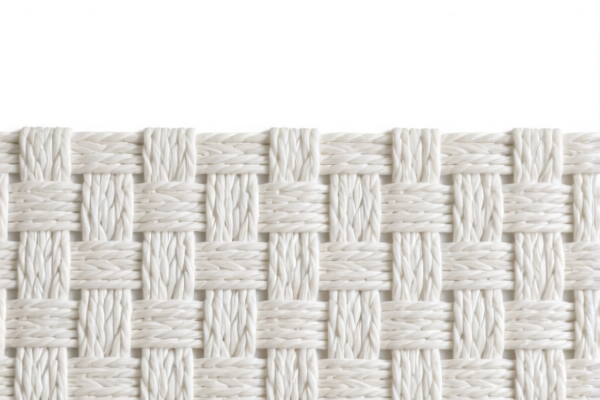
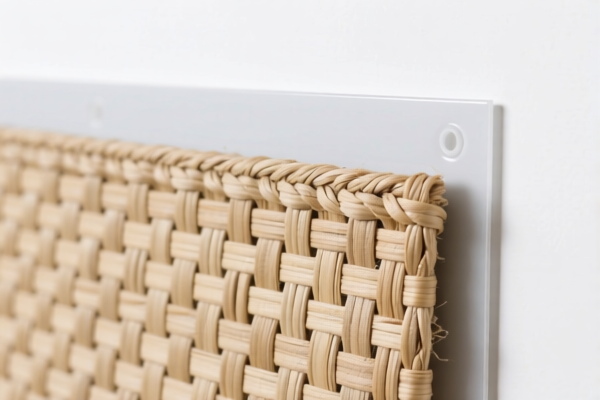
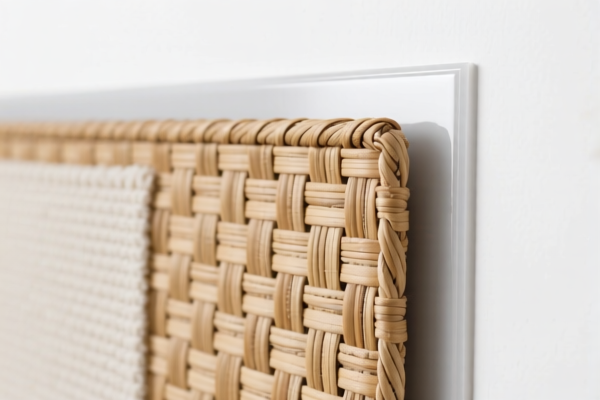
AI Analysis
🧱 Woven Fabric Backed PVC Interior Wall Material (Wall Coverings)
🌐 HS Code Reference & Customs Clearance Guide | 2026 Latest Tariff Analysis | Professional Clearance Strategy
📌 I. Product Definition & Classification: Do You Truly Understand "Woven Fabric Backed PVC Wall Coverings"?
This product belongs to the category of decorative wall coverings. In international trade, its classification is highly sensitive because it sits at the intersection of textiles and plastics. The key distinction lies in whether the product is viewed primarily as a textile fabric impregnated/coated with plastic (Chapter 59) or as a plastic sheet/composite material (Chapter 39).
1. Textile-Based Classification (Chapter 59):
If the product is essentially a woven fabric base that has been impregnated, coated, covered, or laminated with PVC, and the textile characteristics remain predominant, it falls under heading 5903.10.
2. Plastic-Based Classification (Chapter 39):
If the product is considered a composite of PVC polymers and textile materials, often treated as a rigid or semi-rigid board/sheet/film structure, it may fall under heading 3921 (Other plates, sheets, film, foil and strip, of plastics).
⚠️ Critical Distinction Point:
- If the product is described as "Woven Fabric Backed" or "Coated Knitted Fabric" emphasizing the textile structure →归入 5903.10.20.x
- If the product is described as a "PVC Composite Board/Sheet" emphasizing the plastic polymer layer → 归入 3921.12.x
📦 II. HS Code Classification Details (2026 Latest Tariff Authority Comparison)
Based on the provided data, there are 5 specific HS Code entries relevant to this product. Note that 5903.10.20.90 appears twice with slightly different descriptions but identical tax rates.
| HS Code | Product Description | Applicable Scenario | Primary Characteristic |
|---|---|---|---|
5903.10.20.10 |
PVC woven wall decoration material; PVC material; woven form; for wall decoration; conforms to textile fabric impregnated/coated with plastic. | Woven PVC wall coverings where textile is the base. | 🧵 Textile Fabric (Impregnated/Coated) |
3921.12.11.00 |
PVC woven wall decoration material; PVC material; composite structure; conforms to PVC polymer + textile composite features. | PVC-Woven composites viewed as plastic sheets. | 🧩 Composite Structure (Polymer + Textile) |
3921.12.15.00 |
PVC woven wall decoration material; PVC material; woven form; for wall decoration; belongs to board/film category attributes. | PVC wall panels/sheets treated as plastic boards/films. | 📄 Plastic Board/Film |
5903.10.20.90 |
PVC woven wall decoration material; PVC material; woven form; for wall decoration; falls under textile fabric impregnated/coated/laminated. | General PVC woven wall textiles. | 🧵 Textile Fabric (Impregnated/Coated) |
5903.10.20.90 |
PVC coated knitted fabric wallcovering; PVC material; coated form; for wall covering; conforms to textile fabric impregnated, coated, covered or laminated. | Specifically "Coated Knitted Fabric" wall coverings. | 🧶 Coated Knitted Fabric |
🔍 Key Reminder:
- Chapters 59 vs. 39: The classification often depends on customs interpretation of "essential character." If the fabric structure is dominant and visible, 5903 is common. If it's a heavy PVC sheet with a woven backing, 3921 might be argued. - Subheading Variations:5903.10.20.10vs5903.10.20.90often distinguishes between specific types of textile PVC (e.g., standard woven vs. other coated textiles). Both have the same base tax rate here.
💰 III. 2026 Latest Tariff Rate Detailed Breakdown (Including Additional Taxes & Policy Add-ons)
✅ Applicable Country: United States (US)
✅ Country of Origin: China (CN)
✅ Effective Time: From November 10, 2025 (for subsequent imports)
🎯 1. Textile-Based Classifications (5903.10.20.10.00 & 5903.10.20.90)
These codes are classified under Textile Fabrics Impregnated, Coated, Covered or Laminated with Plastic.
| Item | Content |
|---|---|
| MFN Base Tariff | 0.0% (ad valorem) |
| Section 301 Additional Tariff | +25.0% (USITC Footnote) |
| Section 122 Tariff (IEEPA) | +10.0% (Targeting China/Hong Kong products, effective Nov 10, 2025) |
| Total Effective Rate | 35.0% |
| Tax Calculation | CIF Value × 35% |
| De Minimis Exemption | ❌ Not Eligible (deny_de_minimis) |
| Legal Basis Path | IEEPA:9903.01.24/25 → USITC:5903.10.20.x → FOOTNOTE:9903.88.01 (Section 301) + 122 Clause |
📌 Explanation:
- The 0% base rate is misleadingly low. The 25% Section 301 tax is standard for many Chinese plastic/textile composites. - The 10% Section 122 tax is a new/additional layer targeting specific Chinese imports, bringing the total to 35%. - This is a high-cost category. Misclassification as a non-charged plastic item could lead to severe penalties.
🎯 2. Plastic Composite Classifications (3921.12.11.00 & 3921.12.15.00)
These codes are classified under Other Plates, Sheets, Film, Foil and Strip of Plastics.
A. 3921.12.11.00 – PVC Polymer + Textile Composite
| Item | Content |
|---|---|
| MFN Base Tariff | 4.2% (ad valorem) |
| Section 301 Additional Tariff | +25.0% |
| Section 122 Tariff (IEEPA) | +10.0% |
| Total Effective Rate | 39.2% |
| Tax Calculation | CIF Value × 39.2% |
| De Minimis Exemption | ❌ Not Eligible |
| Legal Basis Path | IEEPA:9903.01.24 → USITC:3921.12.11.00 |
📌 Note:
- Although the base tariff is higher (4.2% vs 0%), the total rate (39.2%) is still significant. - This classification assumes the product is legally viewed as a plastic sheet/composite rather than a textile fabric.
B. 3921.12.15.00 – PVC Board/Film Category
| Item | Content |
|---|---|
| MFN Base Tariff | 6.5% (ad valorem) |
| Section 301 Additional Tariff | +25.0% |
| Section 122 Tariff (IEEPA) | +10.0% |
| Total Effective Rate | 41.5% |
| Tax Calculation | CIF Value × 41.5% |
| De Minimis Exemption | ❌ Not Eligible |
| Legal Basis Path | IEEPA:9903.01.24 → USITC:3921.12.15.00 |
📌 Note:
- This is the highest tax rate among the options. - It applies when the product is deemed a plastic board or film with PVC being the dominant material characteristic. - Avoid this code if possible, as it offers no advantage over the textile-based codes and has a higher total duty burden.
🛠️ IV. Customs Clearance Practical Advice (Real-World Pitfall Avoidance Guide)
✅ 1. Required Documentation Checklist (All Items Mandatory)
| Document | Must Provide | Description |
|---|---|---|
| ✅ Product Specifications | ✔️ | Detailed composition: e.g., "60% PVC, 40% Polyester Woven," thickness, weight per sqm. |
| ✅ Product Photos | ✔️ | Clear images showing the woven texture, coating surface, and cross-section if possible. |
| ✅ Bill of Materials (BOM) | ✔️ | To prove whether textile or plastic is the "essential character." |
| ✅ Commercial Invoice | ✔️ | Description must match HS Code: e.g., "PVC Coated Woven Fabric Wall Covering" vs "PVC Plastic Sheet." |
| ✅ Packing List | ✔️ | Dimensions, weight, and package details. |
| ✅ Customs Ruling (If Available) | ✔️ | Pre-ruling from US CBP strengthens the declared classification. |
✅ 2. Declaration Strategy (Key Mnemonics)
🔥 "Textile Base, Textile Code; Plastic Sheet, Plastic Code. Do Not Mix!"
| Scenario | Correct Declaration | Incorrect Practice |
|---|---|---|
| Product is a flexible woven fabric with PVC coating | 5903.10.20.10/90 (35%) |
Declare as 3921 (39.2%-41.5%) → Overpay tax |
| Product is a rigid PVC panel with woven backing | 3921.12.11/15 (39.2%-41.5%) |
Declare as 5903 → Risk of penalty if deemed non-textile |
| Product is Knitted Fabric with PVC | 5903.10.20.90 (35%) |
Declare as "Wallcovering" generically → Delays |
| OEM Custom Wall Covering | Provide Tech Pack + Sample | Generic description → CBP Re-classification & Audit |
✅ 3. Special Situation Handling
| Situation | Handling Advice |
|---|---|
| Ambiguous "Essential Character" | If unsure, provide detailed construction analysis proving textile structure predominates. Prefer 5903 (35%) over 3921 (up to 41.5%) if structurally feasible. |
| Small Shipments (De Minimis) | ❌ Do not use 800/1000 Exemption. All codes listed above have deny_de_minimis status for China origin. Full duty applies. |
| Section 122 Applicability | Ensure the invoice clearly states Country of Origin: China. The 10% 122 Tariff is triggered by Chinese origin. |
| Product Rebranding | Even if branded by a US company, if manufactured in China, Section 301 + 122 still apply. |
🌍 V. Global Market Comparison (2026 Latest)
| Country/Region | Recommended HS Code | Tariff (China Origin) | Certification Required | Notes |
|---|---|---|---|---|
| 🇺🇸 USA | 5903.10.20.90 |
35% | FTC Flammability Standards | High tariffs due to Sec 301 + 122. |
| 🇨🇳 China | 5903.10.20.90 |
5%~7% | CCC (if applicable) | No additional punitive tariffs. |
| 🇪🇺 EU | 5903.10.20 |
6.5% | CE (if electrical, else general) | No Section 301 equivalents. |
| 🇬🇧 UK | 5903.10.20 |
6.5% | UKCA | Post-Brexit rates similar to EU. |
| 🇨🇦 Canada | 5903.10.20 |
0%~6% | None | CUSMA benefits may apply if non-China. |
📌 Conclusion:
- USA is the most challenging market due to the 35% total tariff (0% MFN + 25% Sec 301 + 10% Sec 122). - EU/UK/Canada offer significantly lower duties, making them more competitive for export. - Supplier Strategy: If exporting to the US, consider supply chain diversification (e.g., manufacturing in Vietnam/Mexico) to potentially avoid Section 301/122 tariffs, provided substantial transformation occurs.
📌 VI. Common Errors & Pitfall Guide (Blood & Tears Lessons)
❌ Error 1: Classifying PVC Wall Covering as 3921.10 (Plastic Sheets) without justifying the composite nature.
👉 Consequence: If customs re-classifies as 5903, you may face underpayment penalties if the base rates differ or if audit reveals misrepresentation.
❌ Error 2: Assuming small shipments are tax-free due to De Minimis.
👉 Consequence: Seizure & Penalty. The data explicitly states deny_de_minimis. All shipments, regardless of value, are subject to 35%+ duty.
❌ Error 3: Using vague descriptions like "Wall Decor" or "PVC Material."
👉 Consequence: Customs Holds. CBP will request detailed specifications, causing delays and demurrage fees.
❌ Error 4: Ignoring Section 122 Tariff.
👉 Consequence: Underpayment of 10%. This is a new/additional tax for China-origin goods. Failure to include it leads to back taxes + interest.
✅ Correct Approach:
"PVC Coated Woven Fabric Wallcovering, 100% PVC Coated, Polyester Woven Base, Width 2.5m, for Interior Wall Decoration, Made in China."
🎯 VII. Conclusion: Precise Classification Saves Money!
🎯 Remember the Mnemonic:
🔹 "Woven Base, Textile Code (35%); Plastic Sheet, Higher Cost (39-41%).
🔹 No De Minimis! No Excuses! Check Section 122!"
🔹 "HS Code Determines Survival, Tariff Difference is 6.5%, One Step Wrong, Huge Penalty!"
📌 Pro Tip:
If your product can be structurally argued as Textile-based (5903), it is cheaper (35%) than Plastic-based (3921, up to 41.5%).
However, ensure the textile character is dominant to avoid customs disputes.
Recommendation: Request a Pre-Ruling (Advance Ruling) from US CBP if the classification is uncertain. This provides legal certainty and prevents future audits.
📣 Immediate Action:
📞 Contact Professional Customs Broker + Provide Product Photos + Apply for HS Code Pre-Ruling
🚀 Let your PVC Wall Covering Clear Customs Smoothly, Maximize Margins, and Scale Efficiently!
✨ Professional Clearance Starts with Accurate Classification!
💼 Every Penny of Your Cost is Worth Being Precisely Calculated!
Customer Reviews
About HS Code Classification
The Harmonized System (HS) is an internationally standardized nomenclature developed by the World Customs Organization (WCO) to classify traded products. Over 200 countries use the HS system as the basis for customs tariffs, trade statistics, and import/export regulations.
Each HS code follows a hierarchical structure:
- Chapter (2 digits) — Broad category of goods (e.g., Chapter 84: Machinery and Mechanical Appliances)
- Heading (4 digits) — More specific grouping within the chapter
- Subheading (6 digits) — Internationally standardized breakdown, used by all WCO member countries
- National subdivisions (8-10 digits) — Country-specific extensions for further classification, such as US HTSUS 10-digit codes
Correct HS code classification is essential for smooth customs clearance, accurate duty payment, and compliance with trade regulations. Misclassification can lead to customs delays, overpayment of duties, or penalties.
When importing from CN to US, the applicable tariff rates may include:
- Most-Favored-Nation (MFN) rate — The standard duty rate applied to WTO members
- General rate — Applied to countries without trade agreements
- Trade remedy duties — Additional tariffs such as Section 301 (anti-dumping), Section 232 (national security), or countervailing duties
The information provided on this page is for reference purposes only. For official classification, please consult with your local customs authority or a licensed customs broker.