Woven Fabric for Bleaching Home Textiles
CN → US| HS Code | Tariff Rate | Origin | Destination | Doc |
|---|---|---|---|---|
| 6302992000 | 25.9% | CN | US | Official Doc |
| 5407810010 | 49.9% | CN | US | Official Doc |
| 6302991520 | 17.5% | CN | US | Official Doc |
| 5208212040 | 43.4% | CN | US | Official Doc |
| 6302992000 | 25.9% | CN | US | Official Doc |
Product Images
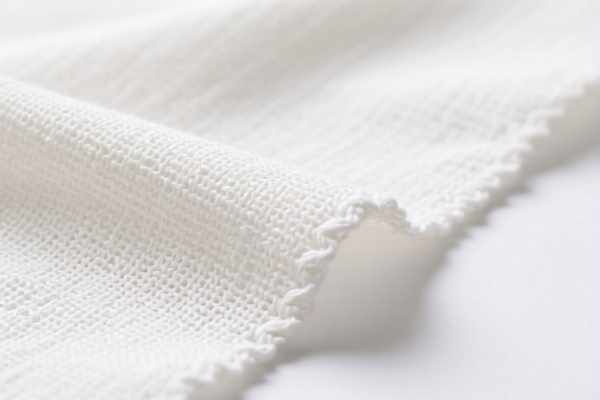
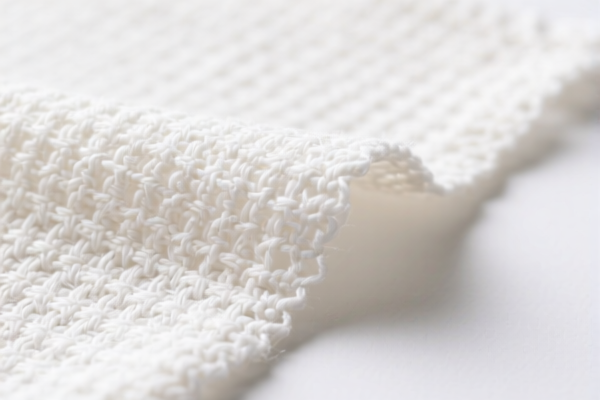
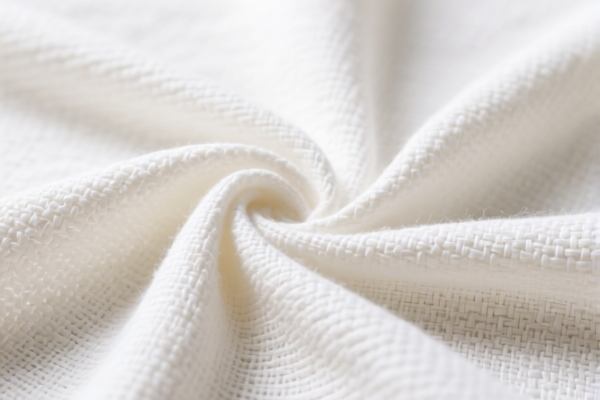
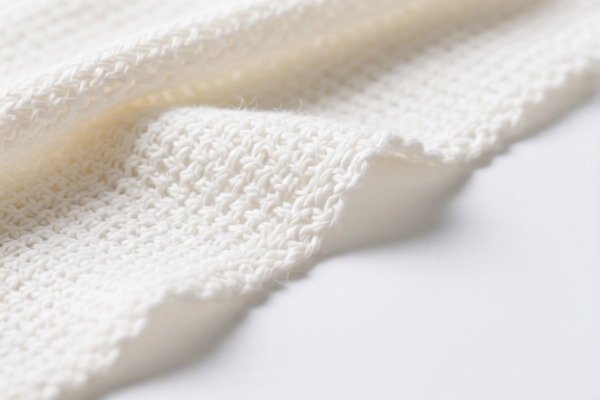
AI Analysis
🧵 Woven Fabric for Bleaching Home Textiles
🌐 HS Code Reference & Customs Clearance Guide | 2026 Latest Tariff Analysis | Professional Clearance Strategy
📌 I. Product Definition & Classification: Do You Really Understand "Bleached Woven Fabric"?
Bleached woven fabric for home textiles is a critical intermediate material used in the production of household linens, such as bed sheets, pillowcases, tablecloths, and towels. In international trade, its classification hinges on fiber composition (e.g., cotton vs. synthetic) and end-use application. Misclassification can lead to massive tariff discrepancies (ranging from 17.5% to 49.9%).
⚠️ Key Distinction Points:
- If the fabric is primarily cotton-based and woven (e.g., plain weave), it often falls under Chapter 52 or specific home textile codes depending on weight and thread count.
- If the fabric is synthetic-based (e.g., polyester/nylon blends) or does not fit specific cotton subheadings, it may fall under Chapter 54 or general home textile fabric codes.
- Crucial Note: The term "Bleached" indicates chemical treatment, but the fiber content is the primary driver for HS Code selection.
📦 II. HS Code Classification Details (2026 Latest Tariff Authority Comparison)
Based on the provided data, there are four potential HS Codes with significantly different tax implications.
| HS Code | Product Description | Application Scenario | Total Tax Rate |
|---|---|---|---|
6302.99.20.00 |
Bleached woven fabric for home textiles (Textile Material) | Bedding, Tablecloths | 25.9% |
5407.81.00.10 |
Bleached woven fabric (Cotton/Synthetic Blend) | Home Textiles | 49.9% |
6302.99.15.20 |
Bleached woven fabric for home textiles (Textile Material) | Home Textiles | 17.5% |
5208.21.20.40 |
Bleached Cotton Plain Weave Fabric | Bleached Cotton Fabrics | 43.4% |
🔍 Priority Recommendation:
- Lowest Risk/Cost:6302.99.15.20(17.5% total tax). This code assumes a specific textile material classification with lower base tariffs.
- Highest Risk/Cost:5407.81.00.10(49.9% total tax). This code involves high additional tariffs, likely due to synthetic fiber content or specific trade restrictions.
- Cotton Specific:5208.21.20.40(43.4% total tax). If the fabric is confirmed as 100% cotton plain weave, this is the precise technical code, but the tax burden is significant.
💰 III. 2026 Latest Tariff Rate Breakdown (Including Additional Taxes & Policy Surcharges)
✅ Applicable Country: United States (US)
✅ Origin: China (CN)
✅ Effective Date: From November 10, 2025 (and subsequent imports)
🎯 1. 6302.99.20.00 —— Bleached Woven Fabric for Home Textiles (General Textile)
| Item | Content |
|---|---|
| Base Tariff | 8.4% (ad valorem) |
| Section 301 Surcharge | +7.5% |
| Section 122 Tariff | +10.0% |
| Total Tax Rate | 25.9% |
| Tax Calculation | CIF Value × 25.9% |
| De Minimis Exemption | ❌ Not Eligible (Deny de minimis) |
| Legal Basis Path | Base Tariff → Section 301 → Section 122 |
📌 Explanation:
- This code applies to generic bleached woven fabrics for home use.
- The 122 Tariff (10%) is a specific surcharge often applied to certain textile categories from China.
- Total 25.9% is moderate compared to other codes.
🎯 2. 5407.81.00.10 —— Bleached Woven Fabric (Cotton/Synthetic Blend)
| Item | Content |
|---|---|
| Base Tariff | 14.9% (ad valorem) |
| Section 301 Surcharge | +25.0% |
| Section 122 Tariff | +10.0% |
| Total Tax Rate | 49.9% |
| Tax Calculation | CIF Value × 49.9% |
| De Minimis Exemption | ❌ Not Eligible (Deny de minimis) |
| Legal Basis Path | Base Tariff → Section 301 → Section 122 |
📌 Warning:
- This is the highest tax rate.
- Likely applies to synthetic blends or specific non-cotton woven fabrics subject to heavy Section 301 penalties (25%).
- Avoid this code unless the product explicitly matches this synthetic blend description.
🎯 3. 6302.99.15.20 —— Bleached Woven Fabric for Home Textiles (Optimized Textile)
| Item | Content |
|---|---|
| Base Tariff | 0.0% (ad valorem) |
| Section 301 Surcharge | +7.5% |
| Section 122 Tariff | +10.0% |
| Total Tax Rate | 17.5% |
| Tax Calculation | CIF Value × 17.5% |
| De Minimis Exemption | ❌ Not Eligible (Deny de minimis) |
| Legal Basis Path | Base Tariff → Section 301 → Section 122 |
📌 Advantage:
- 0% Base Tariff makes this the most cost-effective option if the product qualifies.
- Applies to specific home textile fabrics where base duty is exempted, but still subject to trade war surcharges.
- Recommendation: Verify if your fabric fits the specific criteria for this subheading to save 8.4% vs.6302.99.20.00.
🎯 4. 5208.21.20.40 —— Bleached Cotton Plain Weave Fabric
| Item | Content |
|---|---|
| Base Tariff | 8.4% (ad valorem) |
| Section 301 Surcharge | +25.0% |
| Section 122 Tariff | +10.0% |
| Total Tax Rate | 43.4% |
| Tax Calculation | CIF Value × 43.4% |
| De Minimis Exemption | ❌ Not Eligible (Deny de minimis) |
| Legal Basis Path | Base Tariff → Section 301 → Section 122 |
📌 Note:
- This code is for cotton fabrics.
- However, it attracts the 25% Section 301 Surcharge (same as synthetic blends), leading to a high total tax.
- Why so high? Because it is classified under Chapter 52 (Cotton), which faces stricter penalties or lacks the base duty exemption of some home textile codes.
🛠️ IV. Customs Clearance Practical Advice (Pitfall Avoidance Guide)
✅ 1. Required Documentation List (Mandatory)
| Document | Must Provide | Description |
|---|---|---|
| ✅ Product Specification Sheet | ✔️ | Must detail fiber content (e.g., 100% Cotton vs. Polyester Blend), weave type, bleaching process, weight (GSM). |
| ✅ Composition Certificate | ✔️ | Crucial for distinguishing between Chapter 52 (Cotton) and Chapter 54 (Synthetic). |
| ✅ Product Photos (Label & Fabric) | ✔️ | Show texture, finish, and any care labels indicating "Home Textile Use". |
| ✅ Commercial Invoice | ✔️ | Clearly state "Bleached Woven Fabric for Home Textiles" and NOT "Garments" or "Finished Goods". |
| ✅ Packing List | ✔️ | List roll dimensions, weight, and quantity. |
✅ 2. Declaration Tips (Key Mantras)
🔥 "Fiber Defines Chapter, Usage Defines Heading!"
| Scenario | Correct Declaration | Wrong Practice |
|---|---|---|
| 100% Cotton Plain Weave | 5208.21.20.40 (43.4%) |
Misdeclare as 6302 → Risk of penalty |
| Polyester/Cotton Blend | Check 5407 or 6302 based on specific blend rules |
Assume it's cotton → Wrong HS |
| General Home Textile Fabric | 6302.99.15.20 (17.5%) if eligible |
Declare as 5208 → Pay 43.4% instead of 17.5% |
| Finished Bed Sheets | Not Fabric! Use Garment/Home Textile Codes | Declare as Fabric → Misclassification |
✅ 3. Special Handling Cases
| Case | Handling Advice |
|---|---|
| OEM Custom Fabric | Provide supplier’s technical data sheet. If it’s a "custom plain weave," it may qualify for 6302.99.15.20 if it fits home textile definitions. |
| Mixed Fiber Content | If >50% Cotton, Chapter 52 may apply. If >50% Synthetic, Chapter 54. Accurate % is vital. |
| Bleached vs. Dyed | "Bleached" is a process. Ensure the HS code description matches "Bleached." Some codes differentiate between "Bleached," "Dyed," and "Printed." |
| Home Textile Definition | Ensure the fabric is intended for "Home Textiles" (bedding, table linen). Industrial use may change the code. |
🌍 V. Global Market Clearance Comparison (2026 Latest)
| Country/Region | Recommended HS Code | Tariff (Est.) | Certification | Remarks |
|---|---|---|---|---|
| 🇺🇸 USA | 6302.99.15.20 |
17.5% | N/A | Lowest US duty for this fabric type. |
| 🇺🇸 USA | 5208.21.20.40 |
43.4% | N/A | High duty for cotton plain weave. |
| 🇪🇺 EU | Varies by Fiber | 0-12% | CE (if applicable) | No Section 122/301 equivalent. |
| 🇨🇳 China | Varies | 5-10% | N/A | Low import duty, no additional surcharges. |
| 🇬🇧 UK | Varies | 0-12% | N/A | Post-Brexit tariffs, generally lower than US. |
📌 Conclusion:
- USA is the most complex market due to Section 301 (25% or 7.5%) and Section 122 (10%) surcharges.
- Optimize for6302.99.15.20if the fabric qualifies, as it saves 25.9% compared to the highest tax code.
- Avoid5407.81.00.10unless absolutely necessary, as 49.9% is prohibitively expensive.
📌 VI. Common Errors & Pitfall Guide (Lessons Learned)
❌ Error 1: Declaring "Cotton Fabric" as 6302.99.15.20 when it’s actually plain weave 5208...
👉 Consequence: Customs may reclassify to 5208.21.20.40 → Pay 43.4% instead of 17.5% + penalties.
❌ Error 2: Ignoring "Section 122 Tariff" in cost calculation
👉 Consequence: Underquoting CIF → 10% surprise tax bill at customs.
❌ Error 3: Confusing "Bleached Fabric" with "Bleached Yarn"
👉 Consequence: Wrong HS Code (Yarn is Chapter 52/54, Fabric is Chapter 52/54/63). Yarn and Fabric have different tariffs!
❌ Error 4: Using "De Minimis" (Section 321) for shipments under $800
👉 Consequence: ❌ Denied! Textile fabrics are explicitly excluded from de minimis exemption for China-origin goods. Full duty applies.
✅ Correct Action:
“Bleached 100% Cotton Woven Fabric, 150 GSM, Plain Weave, for Home Textile Bedding, Model XYZ, China Origin”
🎯 VII. Conclusion: Professional Declaration, Save Costs, Ensure Compliance!
🎯 Remember the Mantra:
🔹 "Fiber First, Then Weave, Then Use!"
🔹 "Check Section 301: 7.5% or 25%?"
🔹 "Section 122: Always 10% for China Textiles!"
🔹 "De Minimis is DEAD for Textiles from China!"
📌 Pro Tip:
If your fabric is 100% Cotton and you want to avoid the 25% Section 301 tariff, check if it qualifies for 6302.99.15.20 (which only has 7.5% Section 301). This saves 17.5% on the Section 301 component alone!
🚀 Immediate Action:
📞 Contact your customs broker BEFORE shipping.
📄 Provide a detailed lab test report for fiber content.
🧮 Calculate total landed cost using6302.99.15.20(17.5%) vs.5208.21.20.40(43.4%).
✨ Professional Customs Clearance Starts with Accurate Classification!
💼 Every Percent Saved is Profit Gained!
Customer Reviews
About HS Code Classification
The Harmonized System (HS) is an internationally standardized nomenclature developed by the World Customs Organization (WCO) to classify traded products. Over 200 countries use the HS system as the basis for customs tariffs, trade statistics, and import/export regulations.
Each HS code follows a hierarchical structure:
- Chapter (2 digits) — Broad category of goods (e.g., Chapter 84: Machinery and Mechanical Appliances)
- Heading (4 digits) — More specific grouping within the chapter
- Subheading (6 digits) — Internationally standardized breakdown, used by all WCO member countries
- National subdivisions (8-10 digits) — Country-specific extensions for further classification, such as US HTSUS 10-digit codes
Correct HS code classification is essential for smooth customs clearance, accurate duty payment, and compliance with trade regulations. Misclassification can lead to customs delays, overpayment of duties, or penalties.
When importing from CN to US, the applicable tariff rates may include:
- Most-Favored-Nation (MFN) rate — The standard duty rate applied to WTO members
- General rate — Applied to countries without trade agreements
- Trade remedy duties — Additional tariffs such as Section 301 (anti-dumping), Section 232 (national security), or countervailing duties
The information provided on this page is for reference purposes only. For official classification, please consult with your local customs authority or a licensed customs broker.