Woven Fabric for Furniture
CN → US| HS Code | Tariff Rate | Origin | Destination | Doc |
|---|---|---|---|---|
| 6307908995 | 17.0% | CN | US | Official Doc |
| 6307908945 | 17.0% | CN | US | Official Doc |
| 9403995080 | 35.0% | CN | US | Official Doc |
| 9403995010 | 35.0% | CN | US | Official Doc |
Product Images
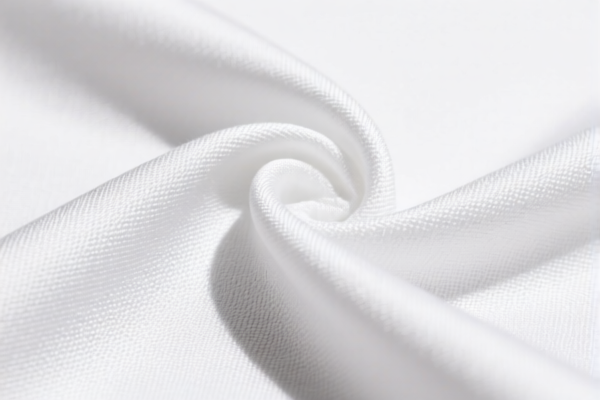
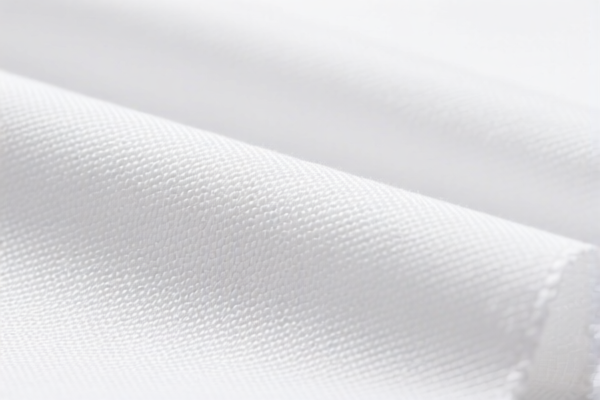
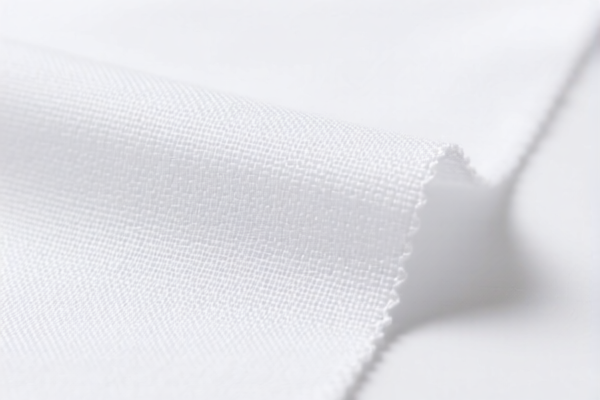
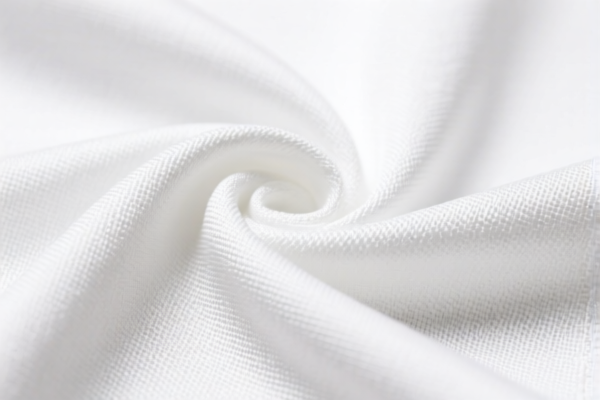
AI Analysis
🛋️ Woven Fabric for Furniture (Furniture Upholstery Textiles)
🌐 HS Code Reference & Customs Clearance Guide | 2026 Latest Tariff Analysis | Professional Clearance Strategy
📌 One, Product Definition and Classification: Do You Really Understand "Woven Fabric for Furniture"?
Woven fabric for furniture is a broad category of textile materials used for upholstering chairs, sofas, mattresses, and other household or office furniture. In international trade, its classification depends heavily on material composition (e.g., cotton, synthetic fibers, other textile materials) and specific application.
Based on the provided <DATA>, the key distinction lies in whether the fabric is used directly as a finished article component (like shells) versus a part of the furniture structure itself.
⚠️ Key Distinction Point:
- If the product is finished shells for quilts, comforters, or pillow shells made of cotton → It is classified under Chapter 63 (Other made up articles).
- If the product is textile material (fabric) used as a part of furniture (e.g., upholstery coverings not yet formed into a specific item, or parts made of textile material) → It is classified under Chapter 94 (Furniture and parts thereof).
- Crucial Note: The provided data explicitly links textile material parts of furniture (excluding cotton) to HS 9403.99.50.80.
📦 Two, HS Code Classification Details (2026 Latest Tariff Authority Comparison)
| HS Code | Product Description | Applicable Scenario | Material Constraint |
|---|---|---|---|
6307.90.89.95 |
Shells for quilts, eiderdowns, comforters and similar articles of cotton | Finished cotton shells for bedding items | ✅ Cotton only |
6307.90.89.45 |
Pillow shells, of cotton | Finished cotton pillow cases/shells | ✅ Cotton only |
9403.99.50.80 |
Parts of furniture: Of textile material, except cotton | Upholstery fabric parts, textile covers, non-cotton furniture textiles | ❌ NOT Cotton (Includes synthetic, wool, etc.) |
9403.99.50.10 |
Parts of furniture: Of textile material, except cotton | For play yards and other enclosures for confining children | ❌ NOT Cotton (Specific use: Child enclosures) |
🔍 Key Reminder:
- Cotton-based finished items like pillow shells or quilt shells go to 6307.90.89.45 or .95.
- Non-cotton textile parts of furniture (e.g., woven upholstery fabric for sofas, chairs) go to 9403.99.50.80.
- If your "Woven Fabric for Furniture" is 100% Cotton and sold as a finished shell (e.g., pillowcase), use 6307.90.89.45.
- If it is Cotton but sold as a part of furniture (e.g., fabric cover for a chair), note that the provided data does not list a specific 94xx code for cotton furniture parts. It only lists "except cotton" for furniture parts. This implies cotton furniture parts might be classified differently or not covered in the provided snippet. Always verify with the full 9403 tariff schedule for cotton parts.
- For non-cotton (e.g., polyester, linen, wool) textile furniture parts, use 9403.99.50.80.
💰 Three, 2026 Latest Tariff Rate Details (Including Additional Taxes, Policy Add-ons)
✅ Applicable Country: United States (US)
✅ Origin: China (CN)
✅ Effective Date: 2026 (As per provided data)
🎯 1. 6307.90.89.95 & 6307.90.89.45 — Cotton Shells (Quilt/Pillow)
| Item | Content |
|---|---|
| Base Tariff | 0.0% |
| Additional Tariff (Section 301/IEEPA) | 0.0% |
| Total Tariff Rate | 0.0% |
| Tax Calculation | CIF Value × 0% = $0 |
| De Minimis Exemption | ❓ Not specified in data, but typically low-value shipments may qualify if under $800 (Section 321) |
| Legal Basis | 6307.90.89.95 / 6307.90.89.45 |
📌 Explanation:
- These cotton textile articles have 0% total tariff.
- This is a low-risk, low-cost classification for cotton bedding components.
- Ensure the product is finished (shells, not raw fabric) to qualify for this category.
🎯 2. 9403.99.50.80 — Parts of Furniture, Textile Material (Except Cotton)
| Item | Content |
|---|---|
| Base Tariff | 0.0% |
| Additional Tariff (Section 301/IEEPA) | +25.0% |
| Total Tariff Rate | 25.0% |
| Tax Calculation | CIF Value × 25% |
| De Minimis Exemption | ❌ Not specified as exempt, but Section 301 tariffs generally apply to goods from China. Check for potential exclusions. |
| Legal Basis | 9403.99.50.80 → Footnote may apply (if any, not specified in data) |
📌 Explanation:
- 25% total tariff applies to non-cotton textile furniture parts.
- This is a high-cost classification.
- Critical: If your woven fabric is cotton, you cannot use this HS Code. You must find the correct classification for cotton furniture parts (likely in 9403 but not listed in the provided data, or potentially in 6307 if it’s a "made-up article").
- If your fabric is polyester, nylon, or wool, this is the correct code.
🎯 3. 9403.99.50.10 — Parts of Furniture, Textile Material, for Play Yards
| Item | Content |
|---|---|
| Base Tariff | 0.0% |
| Additional Tariff (Section 301/IEEPA) | +25.0% |
| Total Tariff Rate | 25.0% |
| Tax Calculation | CIF Value × 25% |
| De Minimis Exemption | ❌ Same as above |
| Legal Basis | 9403.99.50.10 |
📌 Explanation:
- Specific to child enclosures (play yards).
- Same 25% tariff as general non-cotton furniture parts.
🛠️ Four, Customs Clearance Practical Advice (Battle-Tested Pitfall Avoidance Guide)
✅ 1. Preparation Checklist (Missing Any = Delay)
| Document | Required | Explanation |
|---|---|---|
| ✅ Product Specification Sheet | ✔️ | Must state: Material composition (e.g., 100% Polyester, 50% Cotton/50% Linen), Weight (GSM), Weave type, End-use. |
| ✅ Material Composition Certificate | ✔️ | Critical! To distinguish between Cotton (0% tariff) and Non-Cotton (25% tariff). |
| ✅ Product Photos (Including Tags) | ✔️ | Show fabric texture, labeling, and any finished form (e.g., pillow shell vs. roll of fabric). |
| ✅ Commercial Invoice | ✔️ | Must clearly state: "Upholstery Fabric for Furniture" or "Cotton Pillow Shell". Avoid vague terms like "Textile". |
| ✅ Packing List | ✔️ | Detail dimensions, weight, and number of units. |
| ✅ HS Code Pre-Ruling (Optional but Recommended) | ✔️ | If unsure about Cotton vs. Non-Cotton classification, request a pre-ruling from CBP. |
✅ 2. Declaration Tips (Key Mnemonic)
🔥 "Material Matters: Cotton is 0, Non-Cotton is 25, Finish it or Part it, Don't Guess!"
| Situation | Correct Declaration | Wrong Action |
|---|---|---|
| 100% Cotton Pillow Shells | 6307.90.89.45 |
Misdeclare as furniture part → 25% |
| 100% Cotton Quilt Shells | 6307.90.89.95 |
Misdeclare as furniture part → 25% |
| Polyester Upholstery Fabric (Part of Furniture) | 9403.99.50.80 |
Misdeclare as cotton → 0% (Risk of penalty) |
| Raw Woven Fabric (Not Finished Shell/Part) | Check General Chapter 50-60 | Force into 9403 → Rejected |
| Cotton Fabric for Furniture (Not Finished Shell) | Verify with full 9403 schedule | Assume it's 0% → Potential 25% if misclassified |
✅ 3. Special Cases Handling
| Scenario | Handling Advice |
|---|---|
| Blended Fabrics (e.g., 60% Cotton, 40% Polyester) | Classification depends on essential character. If cotton >50%, it may be classified as cotton. Consult textile rules of origin. |
| Fabric Sold as "Rolls" vs. "Finished Shells" | Rolls may be classified under Chapter 50-60 (Textiles), not 6307/9403. Finished shells go to 6307. Parts go to 9403. |
| Custom-Printed Fabric | Ensure the print is part of the fabric and not a separate item. |
| Origin: Vietnam/Mexico instead of China | Tariffs may be lower or exempt under USMCA or FTAs. Always check origin! |
🌍 Five, Global Market Clearance Comparison (2026 Latest)
| Country/Region | Recommended HS Code | Tariff (China Origin) | Certification Requirements | Notes |
|---|---|---|---|---|
| 🇺🇸 USA | 6307.90.89.45/.95 (Cotton) / 9403.99.50.80 (Non-Cotton) |
0% (Cotton) / 25% (Non-Cotton) | FTC Labeling, Fire Safety (CFR 16) | 25% tax is significant for non-cotton. |
| 🇨🇳 China | Same HS Codes | Varies (Usually 5-10%) | CCC (if applicable) | Lower tariff base. |
| 🇪🇺 EU | 6307.90 / 9403.99 |
Varies (Often 0-6.5%) | CE, REACH, Textile Labeling | No Section 301-style tariffs. |
| 🇬🇧 UK | Same HS Codes | Varies (Post-Brexit) | UKCA, Textile Labeling | Similar to EU. |
📌 Conclusion:
- USA has the highest tariff disparity: Cotton textile articles (shells) are 0%, while non-cotton furniture parts are 25%.
- Strategic Implication: If possible, use cotton for finished textile articles to avoid tariffs. For furniture parts, consider cotton-blend strategies if they can be classified under cotton categories (check rules).
📌 Six, Common Mistakes & Pitfall Guide (Lessons from Experience)
❌ Mistake 1: Declaring polyester upholstery fabric as 6307.90.89.45 (Cotton Pillow Shell)
👉 Consequence: Customs rejection, fine, and potential 25%+ penalty.
✅ Fix: Check material composition certificate.
❌ Mistake 2: Declaring cotton fabric rolls as 9403.99.50.80 (Furniture Parts)
👉 Consequence: Incorrect classification (should be in Chapter 52-60). Delay in clearance.
✅ Fix: Use correct textile chapter code for raw/bulk fabric.
❌ Mistake 3: Ignoring material blend (e.g., 50/50 Cotton/Polyester)
👉 Consequence: Misclassification leading to 0% vs. 25% error.
✅ Fix: Determine "essential character" or use specific blend rules.
❌ Mistake 4: Assuming all textile furniture parts are 25%
👉 Consequence: Overpaying tariffs on cotton items.
✅ Fix: Verify if the item is a "shell" (6307, 0%) or a "part" (9403, 25% if non-cotton).
🎯 Seven, Conclusion: Professional Declaration, Save Money, Ensure Compliance!
🎯 Remember the Mnemonic:
🔹 "Cotton Shells? 0%! Non-Cotton Parts? 25%! Raw Fabric? Check Chapter 50-60!"
🔹 "Material is Key: Cotton is Cheap, Non-Cotton is Expensive. Don't Guess!"
📌 Pro Tip:
If your product is 100% Cotton and sold as a finished item (like a pillow shell), you enjoy 0% tariff.
If it is Non-Cotton and sold as a furniture part, expect 25% tariff.
Always provide a Material Composition Certificate to Customs.
📣 Immediate Action:
📞 Contact a professional customs broker.
📄 Provide Material Composition Certificate + Product Photos.
🚀 Ensure Correct HS Code, Avoid 25% Tariff, Maximize Profit!
✨ Professional Customs Clearance Starts with Accurate Classification!
💼 Your Every Cent Counts!
Customer Reviews
About HS Code Classification
The Harmonized System (HS) is an internationally standardized nomenclature developed by the World Customs Organization (WCO) to classify traded products. Over 200 countries use the HS system as the basis for customs tariffs, trade statistics, and import/export regulations.
Each HS code follows a hierarchical structure:
- Chapter (2 digits) — Broad category of goods (e.g., Chapter 84: Machinery and Mechanical Appliances)
- Heading (4 digits) — More specific grouping within the chapter
- Subheading (6 digits) — Internationally standardized breakdown, used by all WCO member countries
- National subdivisions (8-10 digits) — Country-specific extensions for further classification, such as US HTSUS 10-digit codes
Correct HS code classification is essential for smooth customs clearance, accurate duty payment, and compliance with trade regulations. Misclassification can lead to customs delays, overpayment of duties, or penalties.
When importing from CN to US, the applicable tariff rates may include:
- Most-Favored-Nation (MFN) rate — The standard duty rate applied to WTO members
- General rate — Applied to countries without trade agreements
- Trade remedy duties — Additional tariffs such as Section 301 (anti-dumping), Section 232 (national security), or countervailing duties
The information provided on this page is for reference purposes only. For official classification, please consult with your local customs authority or a licensed customs broker.