Woven Fabric of Flax or Ramie
CN → US| HS Code | Tariff Rate | Origin | Destination | Doc |
|---|---|---|---|---|
| 5311004020 | 35.0% | CN | US | Official Doc |
| 5309110090 | 35.0% | CN | US | Official Doc |
| 5311004010 | 35.0% | CN | US | Official Doc |
| 5309212000 | 49.5% | CN | US | Official Doc |
Product Images
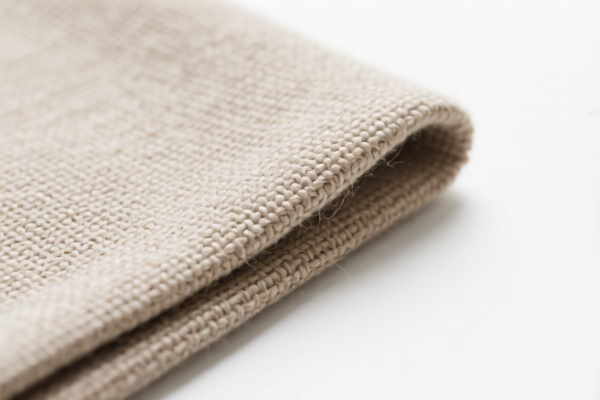
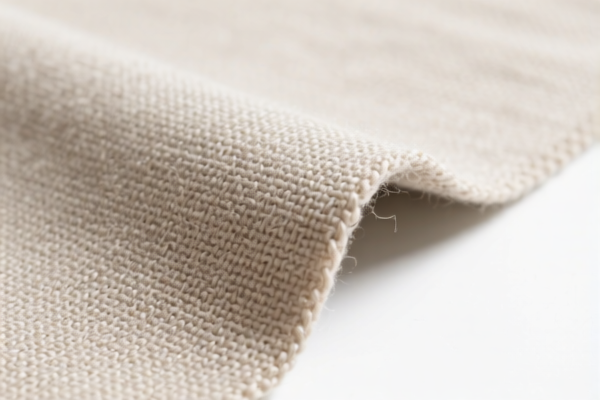
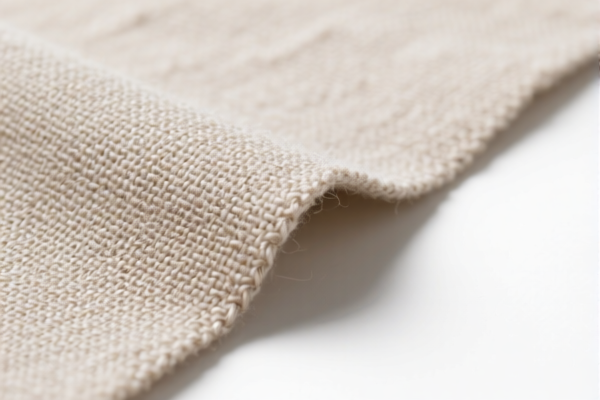
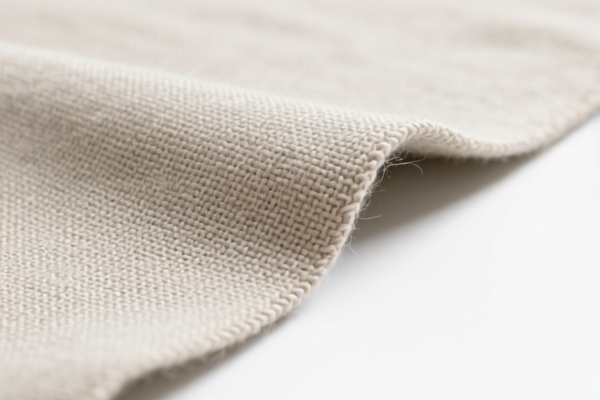
AI Analysis
🧵 Woven Fabric of Flax or Ramie (Linen & Ramie Textiles)
🌐 HS Code Reference & Clearance Guide | 2026 Latest Tariff Analysis | Professional Entry Strategy for US Customs
📌 I. Product Definition & Classification: Do You Really Understand "Flax/Ramide Woven Fabric"?
Flax and Ramie are classified as vegetable textile fibers. In international trade, "Woven fabric of flax or ramie" refers to textiles made from these natural plant fibers. The classification depends heavily on the processing state (e.g., bleached, printed, dyed) and the specific fiber type (Flax/Linen vs. Ramie).
Core Attributes: * Material: Plant-based fiber (Flax/Linen or Ramie). * Form: Woven fabric (not knitted or crocheted). * Usage: Apparel, home textiles, industrial uses.
⚠️ Key Distinction Point: * If the fabric is Flax (Linen): It generally falls under Heading 5309 or 5311 depending on the specific subtype and processing. * If the fabric is Ramie: It is strictly classified under Heading 5311 as "Other vegetable textile fibers." * Crucial Check: Is the fabric Bleached/Printed vs. Greige (Unbleached)? This significantly impacts the sub-heading and duty rate.
📦 II. HS Code Classification Details (2026 Latest Tariff Authority Comparison)
Based on the provided data, here are the specific HS Codes, their summaries, and corresponding tax structures.
| HS Code | Product Description & Classification Logic | Tax Summary | Tax Detail Breakdown |
|---|---|---|---|
5311.00.40.20 |
Woven fabric of other vegetable textile fibers. ✅ Logic: Flax/Ramie fits the definition of "vegetable textile fibers." If it doesn't fit specific Flax categories (5309), it defaults here. |
35.0% | Base: 0.0% Added: 25.0% Section 301: 10% |
5309.11.00.90 |
Woven fabric of flax, bleached or dyed, weighing ≤200g/m². ✅ Logic: Explicitly contains "Flax" and "Woven Fabric." Fits the material and form requirements for light flax fabrics. |
35.0% | Base: 0.0% Added: 25.0% Section 301: 10% |
5311.00.40.10 |
Woven fabric of other vegetable textile fibers, specifically identified as Flax/Linen. ✅ Logic: Name explicitly includes "Flax" and "Woven." Aligns with "Vegetable fiber fabrics" and "True Linen fiber." |
35.0% | Base: 0.0% Added: 25.0% Section 301: 10% |
5309.21.20.00 |
Woven fabric of flax, printed. ✅ Logic: Material (Flax) and Form (Woven) match. This code is typically for printed flax fabrics, which often carry a higher base duty. |
49.5% | Base: 14.5% Added: 25.0% Section 301: 10% |
🔍 Key Reminder: * Flax (Linen) vs. Ramie: While both are plant fibers, Flax has specific codes under 5309, while Ramie falls under 5311 ("Other"). However, some codes in the provided data (like
5311.00.40.10) summarize "Flax" under "Other vegetable fibers," so confirm the exact fiber composition. * Processing Matters: Unbleached/Dyed fabrics generally have 0% base duty, while Printed fabrics (5309.21.20.00) have a 14.5% base duty, leading to a higher total tax rate (49.5% vs 35%).
💰 III. 2026 Latest Tariff Rate Breakdown (Including Additional Taxes & Policy Surcharges)
✅ Applicable Country: USA (US)
✅ Origin: China (CN)
✅ Effective Date: Post-November 2025 (Including subsequent imports)
🎯 1. Codes with 35.0% Total Tax Rate (5311.00.40.20, 5309.11.00.90, 5311.00.40.10)
These codes apply to most standard flax/ramie woven fabrics that are not printed (or fall under specific non-printed categories).
| Item | Content |
|---|---|
| Base Duty Rate | 0.0% (ad valorem) |
| Section 301 Duty (Added Tariff) | +25.0% |
| IEEPA Duty (122 Clause Tariff) | +10.0% (Applied to Chinese/Hong Kong products) |
| Total Effective Rate | 35.0% |
| Tax Calculation | CIF Value × 35% |
| De Minimis Eligibility | ❌ No (Deny de minimis) |
| Legal Basis Path | USITC:5309.xxxx.xxxx or USITC:5311.00.40.xx → FOOTNOTE:301 → IEEPA:122 |
📌 Explanation: * "Base 0%": Most unwoven/unprinted vegetable fibers enter with zero base duty due to trade agreements or specific exemptions. * "Section 301: 25%": The standard additional tariff on Chinese goods under Trade Act Section 301. * "IEEPA 10%": Additional surcharge under the International Emergency Economic Powers Act. * Total 35%: This is a high tariff. You must factor this into your landed cost immediately.
🎯 2. Code with 49.5% Total Tax Rate (5309.21.20.00)
This code is specific to Printed Flax Fabrics. The higher rate is due to the higher base duty for printed textiles.
| Item | Content |
|---|---|
| Base Duty Rate | 14.5% |
| Section 301 Duty (Added Tariff) | +25.0% |
| IEEPA Duty (122 Clause Tariff) | +10.0% |
| Total Effective Rate | 49.5% |
| Tax Calculation | CIF Value × 49.5% |
| De Minimis Eligibility | ❌ No (Deny de minimis) |
| Legal Basis Path | USITC:5309.21.20.00 → FOOTNOTE:301 → IEEPA:122 |
📌 Warning: * Printed = Higher Cost: If your fabric is printed, you pay a 14.5% base duty on top of the 35% additional tariffs. * Total 49.5%: This is an extremely high tax burden. Ensure your pricing model accounts for this 14.5% base difference compared to dyed/bleached fabrics.
🛠️ IV. Customs Clearance Practical Advice (Real-World Pitfall Guide)
✅ 1. Preparation Checklist (Mandatory)
| Document | Required | Description |
|---|---|---|
| ✅ Product Specification Sheet | ✔️ | Must specify: Fiber content (100% Flax? Flax/Ramie blend?), Weight (g/m²), Weave type, and Finish (Greige, Dyed, Bleached, Printed). |
| ✅ Fabric Swatch/Photo | ✔️ | Clear image showing texture and any prints. Critical for distinguishing 5309 (Flax) from 5311 (Other). |
| ✅ Commercial Invoice | ✔️ | Must clearly state "Woven Fabric of Flax/Ramie" and the exact HS Code. |
| ✅ Packing List | ✔️ | Details weight and dimensions. |
| ✅ Certificate of Origin (CO) | ✔️ | If claiming benefits, but note: No优惠 rates apply due to high Section 301 taxes. |
| ✅ Third-Party Test Report | ✔️ | Fiber composition test (ASTM D5210 or similar) is crucial if the supplier claims "Linen" but it’s a blend. |
✅ 2. Declaration Strategy (Key Mantra)
🔥 "Fiber True, Form Woven, Finish Clear, Tax Avoids Hell!"
| Scenario | Correct Declaration | Wrong Practice |
|---|---|---|
| Standard Flax Fabric (Dyed/Bleached) | 5309.11.00.90 or 5311.00.40.10 |
Misdeclaring as "Cotton" → Risk of penalty |
| Printed Flax Fabric | 5309.21.20.00 |
Declaring as "Dyed" to save 14.5% base tax → Major Fraud Risk |
| Ramie Fabric | 5311.00.40.20 |
Confusing with Flax (5309) → Customs may reclassify and delay |
| Blended Fabric (e.g., Flax/Cotton) | Depends on chief component | Claiming "100% Flax" when it’s 50/50 → Seizure Risk |
✅ 3. Special Case Handling
| Situation | Handling Advice |
|---|---|
| "Linen" vs. "Flax" | In HS codes, "Flax" is the botanical term. Ensure your invoice uses "Flax" or "Linen (Flax)" to match 5309 descriptions. |
| Ramie Content | If the fabric contains Ramie, it cannot go under 5309. It must go under 5311 (Other vegetable fibers). Using 5309 for Ramie is a classification error. |
| Packaging | Do not split shipments to avoid Section 301 taxes. US Customs scrutinizes split shipments designed to evade tariffs. |
| Pre-Ruling | If the fabric is a new blend or unusual finish, apply for an Advance Ruling from CBP to avoid disputes at the border. |
🌍 V. Global Market Comparison (2026 Latest)
| Country/Region | Recommended HS Code | Estimated Duty (China Origin) | Certification | Note |
|---|---|---|---|---|
| 🇺🇸 USA | 5309.11.00.90 / 5311.00.40.xx |
35% - 49.5% | No special certs | High Tariff Zone |
| 🇨🇳 China | 5309 / 5311 |
~5-10% | N/A | Low import tax |
| 🇪🇺 EU | 5309 / 5311 |
~0-4% | REACH (Chemicals) | No Section 301 |
| 🇬🇧 UK | 5309 / 5311 |
~0-4% | UKCA | Post-Brexit rules |
| 🇯🇵 Japan | 5309 / 5311 |
~5-7% | JIS | Moderate tax |
📌 Conclusion: * USA is the most expensive market for Flax/Ramie fabrics due to the 35-49.5% combined duty. * EU/UK/Japan offer significantly lower duties, making them more competitive if you can adjust supply chains. * Strategy: If selling to the US, ensure your product margin can absorb the 35-49.5% tax. Do not underestimate the landed cost.
📌 VI. Common Mistakes & Pitfall Guide (Lessons Learned)
❌ Mistake 1: Declaring Printed Fabric as Dyed/Bleached to save the 14.5% base duty.
👉 Consequence: Customs inspection finds prints → Re-classification to 5309.21.20.00 → Back taxes + Penalties + Storage fees!
❌ Mistake 2: Confusing Ramie with Flax.
👉 Consequence: Ramie is "Other vegetable fiber" (5311). Declaring it as Flax (5309) is a false declaration. → Seizure or Audit.
❌ Mistake 3: Using vague terms like "Natural Fabric" or "Plant Fiber." 👉 Consequence: Customs cannot classify → Delay in release, Demurrage charges accrue.
❌ Mistake 4: Ignoring the 122 Clause (IEEPA) 10%. 👉 Consequence: Budgeting for 25% (Section 301) only, but paying 35% total → Profit margin erosion.
✅ Correct Action:
"Woven Fabric, 100% Flax, Bleached, 150gsm, HS 5309.11.00.90"
🎯 VII. Conclusion: Precision in Classification Saves Money!
🎯 Remember the Mantra:
🔹 "Flax goes to 5309, Ramie to 5311, Printed is 49.5%, Dyed is 35%, Blends require care, and De Minimis is denied!"
🔹 "HS Code defines your cost, 14.5% base tax kills printed goods, declare accurately, avoid the audit!"
📌 Pro Tip:
If your fabric is 100% Ramie, you must use
5311.00.40.20.
If your fabric is Flax, check if it is Printed. If yes, use5309.21.20.00(49.5%). If no, use5309.11.00.90or5311.00.40.10(35%).
Always request a fiber composition test report from your supplier.
📣 Immediate Action:
📞 Contact your freight forwarder + Provide Fiber Content % + Confirm Fabric Finish (Dyed/Printed)
🚀 Let your Flax/Ramie fabrics clear smoothly, avoid audits, and protect your profit margin!
✨ Professional Customs Clearance Starts with Accurate Classification!
💼 Your every cent of cost deserves to be calculated precisely!
Customer Reviews
About HS Code Classification
The Harmonized System (HS) is an internationally standardized nomenclature developed by the World Customs Organization (WCO) to classify traded products. Over 200 countries use the HS system as the basis for customs tariffs, trade statistics, and import/export regulations.
Each HS code follows a hierarchical structure:
- Chapter (2 digits) — Broad category of goods (e.g., Chapter 84: Machinery and Mechanical Appliances)
- Heading (4 digits) — More specific grouping within the chapter
- Subheading (6 digits) — Internationally standardized breakdown, used by all WCO member countries
- National subdivisions (8-10 digits) — Country-specific extensions for further classification, such as US HTSUS 10-digit codes
Correct HS code classification is essential for smooth customs clearance, accurate duty payment, and compliance with trade regulations. Misclassification can lead to customs delays, overpayment of duties, or penalties.
When importing from CN to US, the applicable tariff rates may include:
- Most-Favored-Nation (MFN) rate — The standard duty rate applied to WTO members
- General rate — Applied to countries without trade agreements
- Trade remedy duties — Additional tariffs such as Section 301 (anti-dumping), Section 232 (national security), or countervailing duties
The information provided on this page is for reference purposes only. For official classification, please consult with your local customs authority or a licensed customs broker.