Woven Fabric of Man made Fibers
CN → US| HS Code | Tariff Rate | Origin | Destination | Doc |
|---|---|---|---|---|
| 5407912090 | 49.9% | CN | US | Official Doc |
| 5512110090 | 47.0% | CN | US | Official Doc |
| 5513130090 | 49.9% | CN | US | Official Doc |
| 5513230191 | 49.9% | CN | US | Official Doc |
| 5407200000 | 35.0% | CN | US | Official Doc |
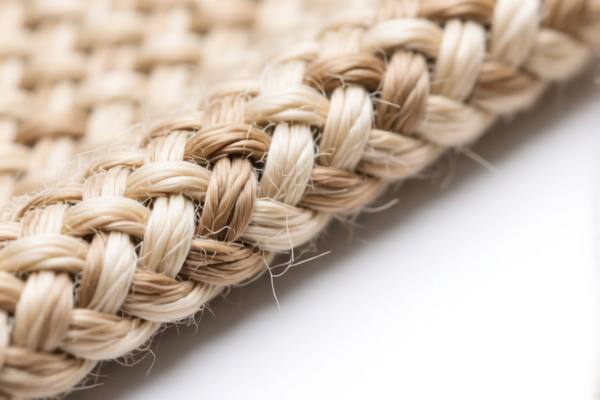
Product Images


AI Analysis
🧵 Synthetic & Man-Made Fibre Woven Fabrics (Woven Fabric of Man Made Fibres)
🌐 HS Code Reference & Customs Clearance Guide | 2026 Latest Tariff Analysis | Professional Entry Strategy
📌 Part I: Product Definition & Classification: What Exactly Is This Fabric?
Woven fabrics made from man-made fibers are a broad category in international trade, covering textiles where the primary material is synthetic (e.g., polyester, nylon, acrylic) or regenerated (e.g., viscose, rayon). In the Harmonized System (HS), these are primarily classified under Chapter 54 (Filament) and Chapter 55 (Staple Fibers).
Key Distinctions:
- Filament vs. Staple: Are the fibers continuous long strands (filament, Ch 54) or cut short lengths (staple, Ch 55)?
- Weave Structure: Is it plain weave, twill, satin, or specifically printed/bleached?
- Weight & Composition: The exact GSM (grams per square meter) and fiber blend (e.g., 100% polyester vs. poly-cotton blend) dictate the precise subheading.
⚠️ Critical Classification Points:
- If the fabric is 100% synthetic filament, look to Chapter 54 (e.g., 5407).
- If the fabric is 100% synthetic staple fiber, look to Chapter 55 (e.g., 5512, 5513).
- Blends: If mixed with cotton or other materials, classification shifts based on weight percentage and fiber type.
📦 Part II: HS Code Classification Details (2026 Authoritative Cross-Reference)
Based on the provided data, here are the potential HS Codes for "Woven Fabric of Man Made Fibres," along with the rationale for each classification and the corresponding tax burden.
| HS Code | Summary Description | Rationale for Classification | Total Tax Rate | Tax Details Breakdown |
|---|---|---|---|---|
| 5407.91.20.90 | Synthetic filament woven fabric; material and form match, no other specific category conflict. | Fits general synthetic filament woven goods where no specific weave weight/printing rule applies. | 49.9% | Base: 14.9% + Section 301: 25.0% + Section 122: 10% |
| 5512.11.00.90 | Synthetic staple fiber woven fabric; fiber ratio not specified, falls into other subcategories. | Applies to woven fabrics of synthetic staple fibers (e.g., polyester staple) when the specific weight/weave doesn't fit main subheads. | 47.0% | Base: 12.0% + Section 301: 25.0% + Section 122: 10% |
| 5513.13.00.90 | Synthetic fiber woven fabric; fits other categories, no clear process or weight difference. | General catch-all for synthetic staple woven fabrics with no distinct technical parameters (like specific GSM or weave type) defined. | 49.9% | Base: 14.9% + Section 301: 25.0% + Section 122: 10% |
| 5513.23.01.91 | Synthetic short-fiber woven fabric; organizational structure not specified, fits fallback logic. | Specific to certain synthetic short-fiber weaves, used when the structure isn't explicitly defined as plain/twill/satin in primary heads. | 49.9% | Base: 14.9% + Section 301: 25.0% + Section 122: 10% |
| 5407.20.00.00 | Synthetic filament woven fabric; material and form fully match classification explanation. | Direct fit for standard synthetic filament woven fabrics, often simpler or less specialized than others in Ch 54. | 35.0% | Base: 0.0% + Section 301: 25.0% + Section 122: 10% |
🔍 Key Observation:
- The Total Tax Rate ranges from 35.0% to 49.9%.
- Section 122 Tariff (10%) and Section 301 Tariff (25%) are consistently applied, significantly increasing the cost.
- The Base Tariff varies (0% to 14.9%), which is the main differentiator between the 35% and 49.9% rates.
💰 Part III: 2026 Latest Tariff Rate Detailed Explanation (Including Additional Taxes & Policy Surcharges)
✅ Applicable Country: United States (US)
✅ Country of Origin: China (CN)
✅ Effective Time: As per current trade regulations (Section 301 & 122 provisions)
🎯 1. 5407.91.20.90 – Synthetic Filament Woven Fabric (General)
| Item | Content |
|---|---|
| Base Tariff | 14.9% (ad valorem) |
| Section 301 Tariff | +25.0% |
| Section 122 Tariff | +10.0% |
| Total Tariff Rate | 49.9% |
| Tax Calculation | CIF Value × 49.9% |
| De Minimis Eligibility | ❌ Not Eligible (High value/regulated textile category) |
| Legal Basis Path | USITC:5407.91.20.90 → Section 301: 25% → Section 122: 10% |
📌 Explanation:
- High base tariff (14.9%) reflects the complexity or lack of specific preferential status for general filament fabrics.
- Combined with mandatory surcharges, this is a high-cost entry point.
🎯 2. 5512.11.00.90 – Synthetic Staple Fiber Woven Fabric (Unspecified Ratio)
| Item | Content |
|---|---|
| Base Tariff | 12.0% |
| Section 301 Tariff | +25.0% |
| Section 122 Tariff | +10.0% |
| Total Tariff Rate | 47.0% |
| Tax Calculation | CIF Value × 47.0% |
| De Minimis Eligibility | ❌ Not Eligible |
| Legal Basis Path | USITC:5512.11.00.90 → Section 301: 25% → Section 122: 10% |
📌 Note:
- Slightly lower total tax than 5407.91 due to a lower base rate (12.0% vs 14.9%).
- Applies to staple fiber fabrics (e.g., polyester short fibers woven).
🎯 3. 5513.13.00.90 – Synthetic Fiber Woven Fabric (No Clear Weight/Process Diff)
| Item | Content |
|---|---|
| Base Tariff | 14.9% |
| Section 301 Tariff | +25.0% |
| Section 122 Tariff | +10.0% |
| Total Tariff Rate | 49.9% |
| Tax Calculation | CIF Value × 49.9% |
| De Minimis Eligibility | ❌ Not Eligible |
| Legal Basis Path | USITC:5513.13.00.90 → Section 301: 25% → Section 122: 10% |
📌 Explanation:
- Same high-rate bracket as 5407.91.20.90.
- Used when the fabric is a synthetic staple weave but lacks specific defining characteristics (like precise GSM or weave type).
🎯 4. 5513.23.01.91 – Synthetic Short-Fiber Woven Fabric (Structure Not Specified)
| Item | Content |
|---|---|
| Base Tariff | 14.9% |
| Section 301 Tariff | +25.0% |
| Section 122 Tariff | +10.0% |
| Total Tariff Rate | 49.9% |
| Tax Calculation | CIF Value × 49.9% |
| De Minimis Eligibility | ❌ Not Eligible |
| Legal Basis Path | USITC:5513.23.01.91 → Section 301: 25% → Section 122: 10% |
📌 Note:
- Fallback code for synthetic short-fiber weaves.
- High tax burden due to base rate and surcharges.
🎯 5. 5407.20.00.00 – Synthetic Filament Woven Fabric (Perfect Match)
| Item | Content |
|---|---|
| Base Tariff | 0.0% |
| Section 301 Tariff | +25.0% |
| Section 122 Tariff | +10.0% |
| Total Tariff Rate | 35.0% |
| Tax Calculation | CIF Value × 35.0% |
| De Minimis Eligibility | ❌ Not Eligible |
| Legal Basis Path | USITC:5407.20.00.00 → Section 301: 25% → Section 122: 10% |
📌 Best Option:
- Lowest Total Tax Rate (35.0%).
- Achieved due to 0% Base Tariff.
- Ideal for standard synthetic filament woven fabrics that fit this specific subheading precisely.
🛠️ Part IV: Customs Clearance Practical Advice (Real-World Pitfall Avoidance Guide)
✅ 1. Preparation Checklist (Essential Documents)
| Document | Required | Explanation |
|---|---|---|
| ✅ Product Specification Sheet | ✔️ | Must include fiber content (%), weave type, GSM, width, and end-use. |
| ✅ Weave Structure Diagram | ✔️ | Helps customs distinguish between plain, twill, or satin weaves (affects HS Code). |
| ✅ Product Photos (Clear) | ✔️ | Show fabric texture, selvage, and any printed patterns. |
| ✅ Third-Party Test Report | ✔️ | Verify fiber composition (e.g., ASTM D276 for synthetic content). |
| ✅ Commercial Invoice | ✔️ | Clearly state "Woven Fabric of Synthetic Fibers" and HS Code. |
| ✅ Packing List | ✔️ | Detail rolls, weight, and dimensions. |
✅ 2. Declaration Tips (Key Mantras)
🔥 “Fiber Type First, Weave Structure Second, Be Precise or Pay More!”
| Scenario | Correct Declaration | Wrong Practice |
|---|---|---|
| 100% Polyester Filament | 5407.20.00.00 (if standard) |
Misdeclare as staple fiber → Higher tax |
| 100% Polyester Staple | 5512.11.00.90 or 5513.xxxxxx |
Misdeclare as filament → Audit risk |
| Blended Fabric (e.g., 65% Poly / 35% Cotton) | Not in this list → Requires different Chapter (52/55 blend rules) | Assume same rate as 100% synthetic → Penalty! |
| Printed vs. Unprinted | Specify in description | Failure to declare printing → May shift to different subhead |
✅ 3. Special Case Handling
| Scenario | Advice |
|---|---|
| Custom Dyeing/Printing | Declare if process changes the nature; may affect HS Code in Ch 54/55 subheads. |
| Sample Shipments | Even samples are subject to full tariffs; declare accurately. |
| Bulk vs. Retail | Bulk woven fabric often uses different subheads than made-up garments; keep them separate. |
| Section 122 & 301 Impact | Budget for additional 35% on top of base tariff; no easy exemption for China-origin textiles. |
🌍 Part V: Global Market Comparison (2026 Latest)
| Country/Region | Recommended HS Code | Tariff Rate (China Origin) | Certification | Notes |
|---|---|---|---|---|
| 🇺🇸 USA | 5407.20.00.00 |
35.0% (Lowest in list) | No specific textile cert | Highest burden due to Section 301 & 122 |
| 🇪🇺 EU | Varies (e.g., 5407, 5512) | 0–4% (depending on origin) | No specific textile cert | Preferential rates if origin is EU |
| 🇨🇳 China | Varies | 5–14.9% | No specific import cert | Base rates apply; no US surcharges |
| 🇮🇳 India | Varies | 5–10% | BIS/Textile Cert | Complex duty structure |
| 🇯🇵 Japan | Varies | 0–5% | No specific cert | Favorable for many textiles |
📌 Conclusion:
- USA is the most expensive market for these fabrics due to Section 301 (25%) and Section 122 (10%) surcharges.
- EU and Japan offer significantly lower tariffs.
- Strategy: Consider sourcing from non-China origins if targeting the US, or optimize HS Code to find the 0% base rate (like5407.20.00.00).
📌 Part VI: Common Errors & Pitfall Avoidance (Lessons Learned)
❌ Error 1: Mixing up Filament (Ch 54) and Staple (Ch 55) fibers.
👉 Consequence: Incorrect HS Code → Audit, fines, or incorrect tax calculation.
❌ Error 2: Ignoring Section 122 & 301 in cost calculations.
👉 Consequence: Underestimating landed cost by 35% → Profit margin erosion.
❌ Error 3: Vague description like "Woven Fabric" without fiber details.
👉 Consequence: Customs may assign highest default duty or detain shipment for inspection.
❌ Error 4: Assuming De Minimis exemption applies.
👉 Consequence: Textiles are generally excluded from de minimis; full duty applies even on small shipments.
✅ Correct Practice:
“100% Polyester Filament Woven Fabric, Plain Weave, 150 GSM, White, Roll Packed, For Garment Manufacturing, Origin: China, HS Code: 5407.20.00.00”
🎯 Part VII: Conclusion: Precise Classification, Cost Savings, Smooth Clearance!
🎯 Remember the Mantra:
🔹 “Fiber Type Defines Chapter, Base Rate Defines Cost, Surcharges Add 35%, Be Specific to Save!”
🔹 “HS Code is King, Tax Rate is Queen, Misclassification is Ruin!”
📌 Tips:
- If your fabric can be classified under 5407.20.00.00, you save 14.9% on the base tariff compared to other codes.
- For China-origin goods, plan for at least 35% total duty in the US.
- Consider tariff engineering: Can you adjust GSM or weave type to fit a lower base rate category?
📣 Immediate Action:
📞 Consult with a licensed customs broker for Pre-Ruling on your specific fabric.
🚀 Optimize your supply chain to mitigate high US tariffs, or leverage lower-tariff markets for growth.
✨ Professional Clearance Starts with Accurate Classification!
💼 Every Percentage Point Saved is Pure Profit!
Customer Reviews
About HS Code Classification
The Harmonized System (HS) is an internationally standardized nomenclature developed by the World Customs Organization (WCO) to classify traded products. Over 200 countries use the HS system as the basis for customs tariffs, trade statistics, and import/export regulations.
Each HS code follows a hierarchical structure:
- Chapter (2 digits) — Broad category of goods (e.g., Chapter 84: Machinery and Mechanical Appliances)
- Heading (4 digits) — More specific grouping within the chapter
- Subheading (6 digits) — Internationally standardized breakdown, used by all WCO member countries
- National subdivisions (8-10 digits) — Country-specific extensions for further classification, such as US HTSUS 10-digit codes
Correct HS code classification is essential for smooth customs clearance, accurate duty payment, and compliance with trade regulations. Misclassification can lead to customs delays, overpayment of duties, or penalties.
When importing from CN to US, the applicable tariff rates may include:
- Most-Favored-Nation (MFN) rate — The standard duty rate applied to WTO members
- General rate — Applied to countries without trade agreements
- Trade remedy duties — Additional tariffs such as Section 301 (anti-dumping), Section 232 (national security), or countervailing duties
The information provided on this page is for reference purposes only. For official classification, please consult with your local customs authority or a licensed customs broker.