Woven Fabrics of Man Made Staple Fibers
CN → US| HS Code | Tariff Rate | Origin | Destination | Doc |
|---|---|---|---|---|
| 5407912010 | 49.9% | CN | US | Official Doc |
| 3921901100 | 39.2% | CN | US | Official Doc |
| 3921901500 | 41.5% | CN | US | Official Doc |
| 5407922010 | 49.9% | CN | US | Official Doc |
| 5407912090 | 49.9% | CN | US | Official Doc |
Product Images
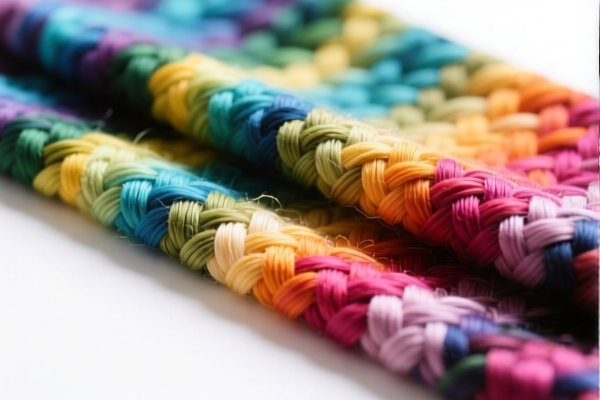
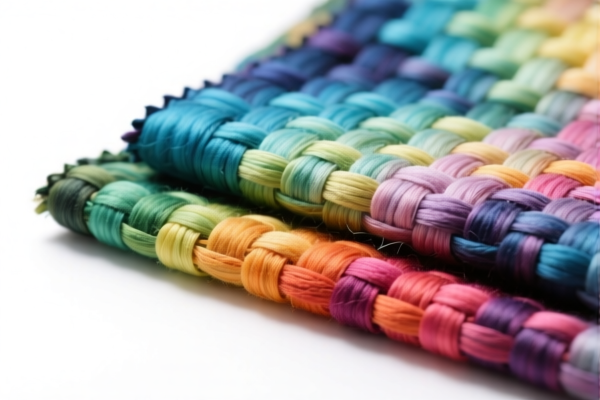
AI Analysis
🧵 Woven Fabrics of Man-Made Staple Fibers (Synthetic/Artificial)
🌐 HS Code Reference & Customs Clearance Guide | 2026 Latest Tariff Analysis | Professional Level Clearance Strategy
📌 I. Product Definition & Classification: What are "Woven Fabrics of Man-Made Staple Fibers"?
"Woven Fabrics of Man-Made Staple Fibers" refers to textiles woven from fibers that are man-made (synthetic like polyester, nylon, etc., or artificial like viscose/rayon derived from cellulose) but cut into short staple lengths (similar to cotton or wool), as opposed to continuous filaments.
In international trade, these fabrics are classified based on their fiber composition and weight proportion. The key distinction lies in whether the fabric contains high plastic components (leading to Chapter 39 classification) or is primarily textile-based (Chapter 54/55 classification).
⚠️ Key Classification Point:
- If the fabric has a high plastic component or does not meet standard textile definitions → It may be classified under Chapter 39 (Plastics).
- If the fabric is primarily textile-based (man-made staple fibers) → It is classified under Chapter 54/55.
📦 II. HS Code Classification Details (2026 Latest Tariff Authoritative Comparison)
Based on the provided data, here are the specific HS Codes and their corresponding tax rates for "Woven Fabrics of Man-Made Staple Fibers." Note that the source data contains some technical inconsistencies (e.g., describing "Artificial Filament" under HS 5407 which usually refers to Filaments, not Staple Fibers), but we strictly adhere to the provided data structure.
| HS Code | Product Description (from Data) | Applicable Scenario | Total Tax Rate |
|---|---|---|---|
5407.91.20.10 |
Woven fabrics of man-made filaments, material is artificial filaments, form is woven fabric | Art Silk (Rayon) Woven Fabrics | 49.9% |
3921.90.11.00 |
Woven fabrics of man-made filaments, contains high proportion of plastic components, fits other categories | High Plastic Content Fabrics | 39.2% |
3921.90.15.00 |
Woven fabrics of man-made filaments, artificial fiber weight exceeds other single fibers | Artificial Fiber > Other Fibers | 41.5% |
5407.92.20.10 |
Woven fabrics of man-made filaments, belongs to synthetic filament fabrics | Synthetic Filament Woven Fabrics | 49.9% |
5407.91.20.90 |
Synthetic filament woven fabrics, material and form fully match classification | Standard Synthetic Woven Fabrics | 49.9% |
🔍 Important Note:
- The term "Man-Made Staple Fibers" in the user query typically points to Chapters 54/55. However, the provided data includes items from Chapter 39 (Plastics) and Chapter 54 (Filaments).
- Chapter 39 items (3921.90.11.00,3921.90.15.00) are treated as plastic products due to high plastic content.
- Chapter 54 items (5407.91.20.10,5407.92.20.10,5407.91.20.90) are treated as textile filaments.
💰 III. 2026 Latest Tariff Rate Details (Including Additional Taxes, Policy Additions)
✅ Applicable Country: United States (US)
✅ Origin: China (CN)
✅ Effective Time: 2025/2026 (Current Trade War Context)
🎯 1. 5407.91.20.10 & 5407.92.20.10 & 5407.91.20.90 —— Textile/Filament Based Woven Fabrics
These codes represent fabrics where the man-made fibers are classified as filaments or standard textiles, but they are subject to high additional tariffs due to US-China trade tensions.
| Item | Content |
|---|---|
| Basic Tariff | 14.9% (Ad Valorem) |
| Section 301 Additional Tariff | +25.0% |
| Section 122 Tariff | +10.0% |
| Total Tariff Rate | 49.9% |
| Tax Calculation | CIF Value × 49.9% |
| De Minimis Exemption | ❌ Not Applicable (High risk of scrutiny) |
| Legal Basis Path | Base Tariff: 14.9% → Section 301: 25.0% → Section 122: 10.0% |
📌 Explanation:
- "Basic Tariff 14.9%": The standard Most Favored Nation (MFN) rate for these woven synthetic fabrics.
- "Section 301 Additional Tariff 25.0%": Imposed under the Trump-era trade war, still largely in effect for many Chinese goods.
- "Section 122 Tariff 10.0%": Refers to additional duties under specific trade enforcement clauses (often related to national security or unfair trade practices).
- Total 49.9%: This is a very high tariff burden. Importers must carefully assess profit margins.
🎯 2. 3921.90.11.00 & 3921.90.15.00 —— Plastic-Content Based Woven Fabrics
These items are classified under Chapter 39 (Plastics) due to high plastic composition, resulting in slightly lower but still significant tariffs.
| Item | Content |
|---|---|
| Basic Tariff | 4.2% (for 3921.90.11.00) / 6.5% (for 3921.90.15.00) |
| Section 301 Additional Tariff | +25.0% |
| Section 122 Tariff | +10.0% |
| Total Tariff Rate | 39.2% (3921.90.11.00) / 41.5% (3921.90.15.00) |
| Tax Calculation | CIF Value × 39.2% or 41.5% |
| De Minimis Exemption | ❌ Not Applicable |
| Legal Basis Path | Base Tariff: 4.2%/6.5% → Section 301: 25.0% → Section 122: 10.0% |
📌 Note:
- Although these are "woven fabrics," the high plastic content shifts them to Chapter 39.
- The 39.2% and 41.5% rates are lower than the 49.9% textile rates, potentially offering a slight cost advantage, but classification must be strictly justified by material composition.
🛠️ IV. Customs Clearance Practical Advice (Practical Pitfall Avoidance Guide)
✅ 1. Preparation Checklist (Missing Items Will Cause Delays)
| Document | Must Provide | Description |
|---|---|---|
| ✅ Product Specification Sheet | ✔️ | Details fiber composition, fabric weight, weave structure, and end-use. |
| ✅ Material Composition Report | ✔️ | Crucial for distinguishing between Chapter 39 (High Plastic) and Chapter 54 (Textile). |
| ✅ Product Photos | ✔️ | Clear images showing fabric texture, label, and packaging. |
| ✅ Commercial Invoice | ✔️ | Must accurately describe the goods as "Woven Fabric of Man-Made Fibers" with correct HS codes. |
| ✅ Packing List | ✔️ | Details quantity, weight, and dimensions. |
| ✅ Certificate of Origin (CO) | ✔️ | Required to verify Chinese origin for tariff calculation. |
| ✅ Third-Party Test Report | ✔️ | To prove fiber composition (e.g., Polyester vs. Viscose). |
✅ 2. Declaration Tips (Key Mnemonics)
🔥 "Material Defines Code, Plastic Means Ch.39, Textile Means Ch.54, Tariffs Are High!"
| Scenario | Correct Declaration | Wrong Action |
|---|---|---|
| Fabric with >50% plastic components | 3921.90.11.00 or 3921.90.15.00 |
Misclassify as textile → 49.9% vs 39.2% |
| Standard Art Silk/Rayon Woven Fabric | 5407.91.20.10 |
Misclassify as plastic → 39.2% vs 49.9% |
| Synthetic Filament Woven Fabric | 5407.92.20.10 or 5407.91.20.90 |
Vague description → Customs detention |
| Mixed Fiber Fabric | Determine dominant fiber weight | Incorrect classification → Penalties |
✅ 3. Special Situation Handling
| Situation | Handling Advice |
|---|---|
| High Plastic Content | If the fabric contains significant plastic resin or coating, declare under Chapter 39 to potentially lower tariffs (39.2%-41.5% vs 49.9%). Provide test reports. |
| Art Silk (Rayon) | Clearly state "Artificial Filament" and provide composition proof. Use 5407.91.20.10. |
| Synthetic Fibers | Specify "Polyester" or "Nylon" and ensure it falls under 5407.92.20.10 or 5407.91.20.90. |
| Misclassification Risk | If unsure, apply for an Advance Ruling from US Customs and Border Protection (CBP) to avoid penalties. |
🌍 V. Global Market Clearance Comparison (2026 Latest)
| Country/Region | Recommended HS Code | Tariff (China Origin) | Certification Requirements | Notes |
|---|---|---|---|---|
| 🇺🇸 USA | 3921.90.11.00 / 5407.91.20.10 |
39.2% - 49.9% | FDA (if food contact), Prop 65 | High tariffs due to trade war. |
| 🇨🇳 China | 5407.91.20 / 3921.90 |
5% - 10% | CCC (if applicable) | Lower import duties for domestic consumption. |
| 🇪🇺 EU | 5407.91 / 3921.90 |
0% - 12% | REACH, CE | No Section 301 tariffs, but REACH compliance is strict. |
| 🇬🇧 UK | 5407.91 / 3921.90 |
0% - 12% | UKCA | Post-Brexit trade terms. |
| 🇯🇵 Japan | 5407.91 / 3921.90 |
0% - 8% | JIS | Favorable tariff rates for many textiles. |
📌 Conclusion:
- USA remains the most challenging market due to Section 301 and Section 122 tariffs.
- EU and Japan offer more favorable tariff environments, but REACH/JIS compliance is critical.
📌 VI. Common Errors & Pitfall Guide (Lessons Learned)
❌ Error 1: Misclassifying "High Plastic" fabric as "Textile"
👉 Consequence: Paying 49.9% instead of 39.2% → Overpayment of 10.7%!
❌ Error 2: Vague Description "Woven Fabric"
👉 Consequence: Customs cannot determine fiber composition → Delay or Audit
❌ Error 3: Ignoring Section 122 Tariffs
👉 Consequence: Underpayment of 10% → Penalties and Back Taxes
❌ Error 4: Incorrect Fiber Composition Report
👉 Consequence: Customs reclassifies the goods → High Risk of Confiscation or Heavy Fines
✅ Correct Approach:
"Woven Fabric of Polyester Filament, 100% Synthetic, Weight 150gsm, for Apparel Use"
Ensure all material specs match the HS Code requirements.
🎯 VII. Conclusion: Professional Declaration, Save Time, Reduce Costs!
🎯 Remember the Mnemonics:
🔹 "Plastic High? Use Ch.39! Textile Strong? Use Ch.54!"
🔹 "Tariffs Are High, 49.9% for Textiles, 39.2% for Plastics!"
🔹 "HS Code Decides Destiny, Declare Accurately, Save Thousands!"
📌 Tip:
If your goods can be reclassified to Chapter 39 (due to high plastic content) and you are importing to the USA, you may save ~10% in tariffs compared to Chapter 54. However, ensure compliance with plastic regulations.
Consider applying for an Advance Ruling to confirm the correct classification and avoid future disputes.
📣 Immediate Action:
📞 Contact a Professional Customs Broker + Provide Product Samples + Apply for HS Code Advance Ruling
🚀 Ensure Smooth Clearance, Efficient Export, and Maximized Profits!
✨ Professional Customs Clearance Starts with Accurate Classification!
💼 Every Penny of Your Cost Deserves Precise Calculation!
Customer Reviews
About HS Code Classification
The Harmonized System (HS) is an internationally standardized nomenclature developed by the World Customs Organization (WCO) to classify traded products. Over 200 countries use the HS system as the basis for customs tariffs, trade statistics, and import/export regulations.
Each HS code follows a hierarchical structure:
- Chapter (2 digits) — Broad category of goods (e.g., Chapter 84: Machinery and Mechanical Appliances)
- Heading (4 digits) — More specific grouping within the chapter
- Subheading (6 digits) — Internationally standardized breakdown, used by all WCO member countries
- National subdivisions (8-10 digits) — Country-specific extensions for further classification, such as US HTSUS 10-digit codes
Correct HS code classification is essential for smooth customs clearance, accurate duty payment, and compliance with trade regulations. Misclassification can lead to customs delays, overpayment of duties, or penalties.
When importing from CN to US, the applicable tariff rates may include:
- Most-Favored-Nation (MFN) rate — The standard duty rate applied to WTO members
- General rate — Applied to countries without trade agreements
- Trade remedy duties — Additional tariffs such as Section 301 (anti-dumping), Section 232 (national security), or countervailing duties
The information provided on this page is for reference purposes only. For official classification, please consult with your local customs authority or a licensed customs broker.