Woven Fishing Basket
CN → US| HS Code | Tariff Rate | Origin | Destination | Doc |
|---|---|---|---|---|
| 4602110900 | 45.0% | CN | US | Official Doc |
| 4602110700 | 35.0% | CN | US | Official Doc |
| 4601920500 | 37.7% | CN | US | Official Doc |
| 3926909989 | 22.8% | CN | US | Official Doc |
| 4602110900 | 45.0% | CN | US | Official Doc |
Product Images
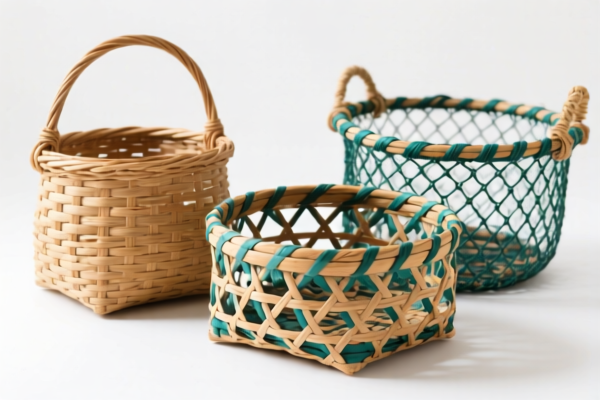
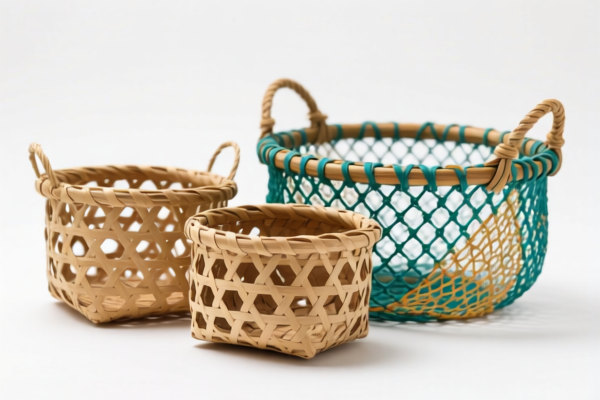
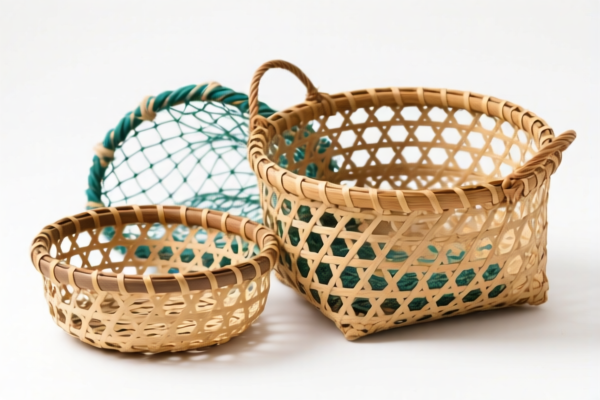
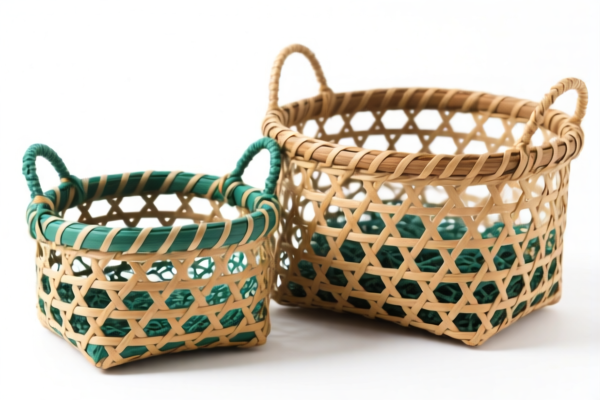
AI Analysis
🎣 Woven Fishing Basket (Fish Trap/Lobster Pot)
🌐 HS Code Reference & Customs Clearance Guide | 2026 Latest Tariff Analysis | Professional Clearance Strategy
📌 1. Product Definition & Classification: Do You Really Understand "Woven Fishing Baskets"?
A Woven Fishing Basket is a traditional aquatic harvesting tool, typically constructed from natural plant fibers (bamboo, rattan, willow) or synthetic materials, designed to catch fish, crabs, or lobsters. In international trade, its classification hinges critically on material composition and structural integrity.
The core distinction lies in:
- Natural Plant Materials (Chapter 46): If woven from bamboo, rattan, wicker, or other vegetable plaiting materials → Classified under Heading 4602 (Basketwork) or 4601 (Plaited materials).
- Plastic/Synthetic Materials (Chapter 39): If woven from plastic strips, synthetic ropes, or mesh → Classified under Heading 3926 (Other articles of plastics).
⚠️ Key Differentiator:
- If the primary structure is plant-based (bamboo/rattan) → HS 4602 (High Tariff due to Aggravated Duties)
- If the primary structure is plastic/synthetic → HS 3926 (Lower Tariff, but subject to different附加税)
- If it is a loose plaited sheet/material rather than a finished basket → HS 4601
📦 2. HS Code Classification Details (Based on Provided Data)
| HS Code | Product Description | Applicable Scenario | Material Inference | Total Tax |
|---|---|---|---|---|
4602.11.09.00 |
Basketwork of vegetable plaiting materials (Other) | Finished bamboo/rattan fishing baskets; shapes conforming to "basket" | Natural Plant Material (Bamboo, Rattan, etc.) | 45.0% |
4602.11.07.00 |
Basketwork of vegetable plaiting materials (Of bamboo) | Finished baskets specifically made of bamboo or willow | Natural Plant Material (Bamboo/Willow) | 35.0% |
4601.92.05.00 |
Plaited materials, basketware and other products (Other) | Loose plaited mats or semi-finished bamboo weaving; not yet assembled into a basket | Plaited Material (Bamboo-based) | 37.7% |
3926.90.99.89 |
Other articles of plastics and articles of other materials of headings 3901 to 3914 (Other) | Baskets made from plastic strips, synthetic ropes, or polymer fibers | Plastic/Synthetic Material | 22.8% |
🔍 Critical Reminder:
- "Basket" vs. "Material": If the item is a completed, shaped container (a basket/trap), it falls under 4602. If it is a flat plaited sheet or material for making baskets, it may fall under 4601. Misclassification here leads to significant duty differences. - Material Matters: A bamboo basket incurs a 45% total tax, while a plastic one incurs only 22.8%. This 22.2% difference is substantial for high-volume imports.
💰 3. 2026 Latest Tariff Rate Breakdown (Including Surcharges & Policy Add-ons)
✅ Applicable Country: United States (US)
✅ Origin: China (CN)
✅ Effective Date: From November 10, 2025 (and subsequent imports)
🎯 1. 4602.11.09.00 & 4602.11.09.00 (Duplicate in Data) — Basketwork (Natural Plants)
| Item | Details |
|---|---|
| Base Duty Rate | 10.0% (Ad Valorem) |
| Section 301 Aggravated Tariff | +25.0% |
| Section 122 Tariff | +10.0% |
| Total Effective Rate | 45.0% |
| Tax Calculation | CIF Value × 45% |
| De Minimis Eligibility | ❌ No (Not eligible for de minimis exemption under current rules for this category) |
| Legal Basis Path | Base: 4602.11.09.00 → 301: +25% → 122: +10% |
📌 Explanation:
- The 10% base duty is standard for basketry of vegetable plaiting materials. - The 25% Section 301 tariff applies to most Chinese-made goods in this chapter. - The 10% Section 122 tariff is an additional levy often applied to specific categories. - Result: 45% is a very high tariff, significantly impacting profit margins for natural material baskets.
🎯 2. 4602.11.07.00 — Basketwork of Bamboo
| Item | Details |
|---|---|
| Base Duty Rate | 0.0% (Ad Valorem) |
| Section 301 Aggravated Tariff | +25.0% |
| Section 122 Tariff | +10.0% |
| Total Effective Rate | 35.0% |
| Tax Calculation | CIF Value × 35% |
| De Minimis Eligibility | ❌ No |
| Legal Basis Path | Base: 4602.11.07.00 → 301: +25% → 122: +10% |
📌 Note:
- While the base duty for bamboo baskets is 0%, the aggravating tariffs remain. - This is 10% cheaper than the "Other Plant Materials" category (4602.11.09.00). If your product is 100% bamboo, ensure it is correctly declared to claim this saving.
🎯 3. 4601.92.05.00 — Plaited Materials (Bamboo)
| Item | Details |
|---|---|
| Base Duty Rate | 2.7% (Ad Valorem) |
| Section 301 Aggravated Tariff | +25.0% |
| Section 122 Tariff | +10.0% |
| Total Effective Rate | 37.7% |
| Tax Calculation | CIF Value × 37.7% |
| De Minimis Eligibility | ❌ No |
| Legal Basis Path | Base: 4601.92.05.00 → 301: +25% → 122: +10% |
📌 Warning:
- This code is for plaited materials/sheets, not finished baskets. If you declare a finished basket as "plaited material," you risk misdeclaration penalties. - However, if you are importing raw plaited sheets for local assembly, the rate is lower than finished bamboo baskets but higher than plastic baskets.
🎯 4. 3926.90.99.89 — Other Plastic Articles
| Item | Details |
|---|---|
| Base Duty Rate | 5.3% (Ad Valorem) |
| Section 301 Aggravated Tariff | +7.5% |
| Section 122 Tariff | +10.0% |
| Total Effective Rate | 22.8% |
| Tax Calculation | CIF Value × 22.8% |
| De Minimis Eligibility | ❌ No |
| Legal Basis Path | Base: 3926.90.99.89 → 301: +7.5% → 122: +10% |
📌 Key Advantage:
- This is the lowest tax rate (22.8%) among all options. - If your fishing basket is made of plastic strips, synthetic rope, or polymer mesh, declaring it under 3926 can save you 22.2% compared to natural bamboo baskets. - Verification Required: Ensure the product is genuinely plastic-based. Using plastic claims for natural baskets will lead to customs seizure and fines.
🛠️ 4. Customs Clearance Practical Advice (Battle-Tested Pitfall Avoidance)
✅ 1. Documentation Checklist (Non-Negotiable)
| Document | Mandatory? | Description |
|---|---|---|
| ✅ Product Specifications | ✔️ | Must clearly state material composition (e.g., "100% Bamboo," "Polypropylene Strips"). |
| ✅ Material Breakdown | ✔️ | List the percentage of each material if composite. |
| ✅ Product Photos | ✔️ | Clear images showing the weaving texture (natural grain vs. plastic sheen). |
| ✅ Commercial Invoice | ✔️ | Accurate description: "Bamboo Fishing Trap" or "Plastic Lobster Pot." |
| ✅ Packing List | ✔️ | Weight and dimensions for CIF calculation. |
| ✅ Origin Certificate | ✔️ | Essential for verifying Chinese origin and applying correct surcharges. |
✅ 2. Declaration Tips (Key Mnemonic)
🔥 "Material First, Shape Second, Plastic Wins on Cost!"
| Scenario | Correct HS Code | Incorrect HS Code | Consequence |
|---|---|---|---|
| Bamboo/Rattan Basket | 4602.11.07.00 (if bamboo) or 4602.11.09.00 |
3926.90.99.89 |
Misdeclaration: Fines, back taxes, and potential detention. |
| Plastic Strip Basket | 3926.90.99.89 |
4602.11.09.00 |
Overpayment: You pay 45% instead of 22.8%. |
| Loose Plaited Sheets | 4601.92.05.00 |
4602.11.09.00 |
Risk: If assembled, it must be 4602. |
| Mixed Material Basket | Analyze Main Material | Guess | High Risk: Customs may reclassify based on principal characteristic. |
✅ 3. Special Circumstances Handling
| Situation | Handling Advice |
|---|---|
| Composite Materials (e.g., Bamboo frame + Plastic net) | Declare based on the essential character material. If the frame is bamboo, it likely goes to 4602. Provide a detailed breakdown. |
| OEM Custom Baskets | Provide design sketches and material specs. Avoid generic terms like "Woven Basket." Use "Bamboo Fish Trap, Model X." |
| Plastic Baskets Claiming "Natural" | Never do this. Customs can perform material tests. Penalties include seizure, fines, and loss of importing privileges. |
| Pre-Assembly Inspection | Consider having third-party labs confirm material composition if the product is complex. |
🌍 5. Global Market Comparison (2026 Latest)
| Country/Region | Recommended HS Code | Duty Rate (China Origin) | Certification Requirements | Notes |
|---|---|---|---|---|
| 🇺🇸 USA | 3926.90.99.89 (Plastic) or 4602.11.09.00 (Bamboo) |
22.8% (Plastic) / 45% (Bamboo) | None specific for baskets | Highest tariffs. Plastic is significantly cheaper. |
| 🇨🇳 China | 4602.11.09.00 |
5-10% (Import) | N/A | Domestic production is common. |
| 🇪🇺 EU | 4602.11.00 |
0-2% (Often 0%) | CE (if applicable) | No Section 301/122 equivalents. |
| 🇬🇧 UK | 4602.11.00 |
0-2% | UKCA | Post-Brexit rules may vary. |
| 🇦🇺 Australia | 4602.11.00 |
5% | None | Moderate duty. |
📌 Conclusion:
- The US market is uniquely punitive with its 25% + 10% surcharges. - Plastic baskets (3926) are the most cost-effective option for the US due to lower base duties and lower Section 301 rates. - Bamboo baskets face a 45% total tax, making them less competitive unless priced as premium/natural goods.
📌 6. Common Mistakes & Pitfalls (Lessons from Experience)
❌ Mistake 1: Declaring a plastic basket as "Bamboo Basket" to avoid plastic-related regulations
👉 Consequence: Customs material test failure → Confiscation + Heavy Fines.
❌ Mistake 2: Declaring a finished basket as "Plaited Material" (4601) to save tax
👉 Consequence: Misclassification → Back taxes + Penalties (Difference between 37.7% and 45% is small, but the legal risk is high).
❌ Mistake 3: Ignoring Section 122 Tariff in cost calculation
👉 Consequence: Underestimating landed cost by 10% → Profit erosion.
❌ Mistake 4: Using vague descriptions like "Woven Container"
👉 Consequence: Customs holds shipment for clarification → Delays and storage fees.
✅ Correct Approach:
"Plastic Fishing Basket, 24-inch, Polypropylene, Model FP-24, Intended for Commercial Use"
vs.
"Bamboo Fish Trap, 20-inch, Natural Bamboo, Hand-Woven, Model BT-20"
🎯 7. Conclusion: Professional Declaration, Save Time, Reduce Cost!
🎯 Remember the Mnemonic:
🔹 "Plastic Basket: 22.8%. Bamboo Basket: 45%. Shape defines HS 4602, Material defines HS 3926. Don't guess, Test!"
🔹 "HS Code determines destiny, 22% difference is huge. Declare accurately, avoid 10% Section 122 trap."
📌 Pro Tip:
If your basket is made of natural fibers but coated with plastic, it may still be classified under 4602 depending on the extent of coating. Consult a customs broker for composite material rulings.
For high-volume plastic baskets, consider pre-import material certificates to accelerate customs clearance.
📣 Immediate Action:
📞 Contact a licensed customs broker + Provide material samples + Request Advance Ruling if unsure.
🚀 Ensure your fishing baskets, clear customs smoothly, maximize profit, and scale efficiently!
✨ Professional clearance starts with accurate classification!
💼 Every cent of your cost deserves precise calculation!
Customer Reviews
About HS Code Classification
The Harmonized System (HS) is an internationally standardized nomenclature developed by the World Customs Organization (WCO) to classify traded products. Over 200 countries use the HS system as the basis for customs tariffs, trade statistics, and import/export regulations.
Each HS code follows a hierarchical structure:
- Chapter (2 digits) — Broad category of goods (e.g., Chapter 84: Machinery and Mechanical Appliances)
- Heading (4 digits) — More specific grouping within the chapter
- Subheading (6 digits) — Internationally standardized breakdown, used by all WCO member countries
- National subdivisions (8-10 digits) — Country-specific extensions for further classification, such as US HTSUS 10-digit codes
Correct HS code classification is essential for smooth customs clearance, accurate duty payment, and compliance with trade regulations. Misclassification can lead to customs delays, overpayment of duties, or penalties.
When importing from CN to US, the applicable tariff rates may include:
- Most-Favored-Nation (MFN) rate — The standard duty rate applied to WTO members
- General rate — Applied to countries without trade agreements
- Trade remedy duties — Additional tariffs such as Section 301 (anti-dumping), Section 232 (national security), or countervailing duties
The information provided on this page is for reference purposes only. For official classification, please consult with your local customs authority or a licensed customs broker.