Woven Flat Bag
CN → US| HS Code | Tariff Rate | Origin | Destination | Doc |
|---|---|---|---|---|
| 4202329300 | 52.6% | CN | US | Official Doc |
| 6305390000 | 25.9% | CN | US | Official Doc |
| 4202329900 | 52.6% | CN | US | Official Doc |
| 6307909891 | 24.5% | CN | US | Official Doc |
| 6307903020 | 25.4% | CN | US | Official Doc |
Product Images
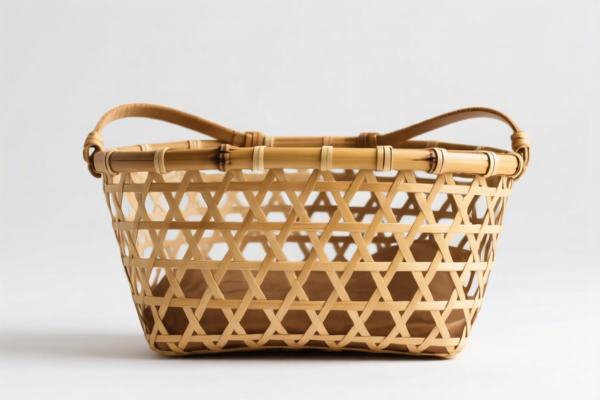
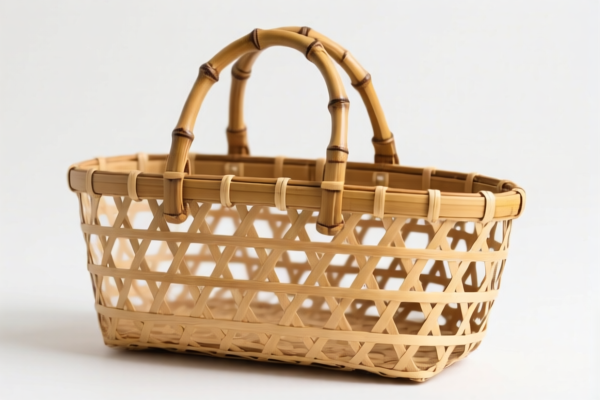
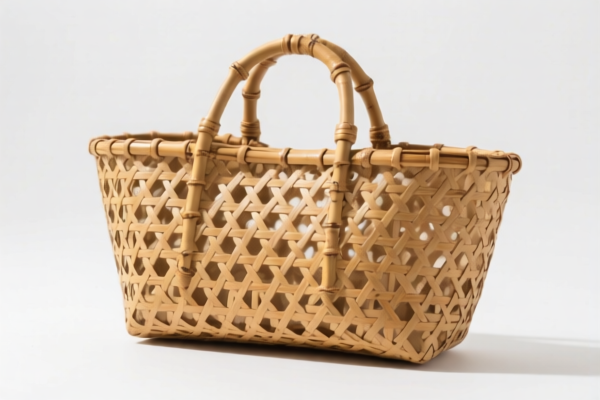
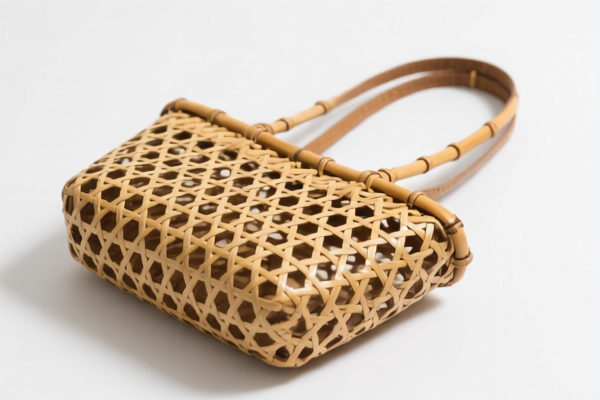
AI Analysis
🛍️ Woven Flat Bag (Fabric Pouches & Sacks)
🌐 HS Code Reference & Customs Clearance Guide | 2026 Latest Tariff Analysis | Professional Entry Strategy
📌 I. Product Definition & Classification: Do You Really Understand "Woven Flat Bags"?
A "Woven Flat Bag" is a general term for containers made from textile materials, often used for packaging goods, carrying personal items, or industrial storage. In international trade, the classification depends heavily on the specific material composition, intended use, and structural features (e.g., is it a consumer accessory like a pencil case, or an industrial sack for cargo?).
The term "Woven" implies the use of textile fibers (polypropylene, cotton, polyester, etc.), but the final HS Code varies significantly based on whether it is considered a personal accessory (Chapter 42) or a general textile article/sack (Chapter 63).
⚠️ Key Distinction Point:
- If the bag is designed for personal use (e.g., pencil case, cosmetic pouch, small carrying bag) and has a specific shape resembling a container → Likely Chapter 42.
- If the bag is a general-purpose sack (e.g., grain sack, bulk packaging bag, generic tote without specific lining/handles) → Likely Chapter 63.
📦 II. HS Code Classification Details (2026 Latest Tariff Authority Comparison)
| HS Code | Product Description | Application Scenario | Tax Rate (Total) | Tax Detail Breakdown |
|---|---|---|---|---|
| 4202.32.93.00 | Woven flat bag, shaped like a pocket/container, material is textile | Pencil cases, cosmetic pouches, small personal organizers | 52.6% | Base: 17.6%, Add-on: 25.0%, Section 122: 10% |
| 6305.39.00.00 | Woven flat bag, belongs to the category of sacks, used for packaging or carrying goods | Bulk packaging bags, generic tote bags, industrial sacks | 25.9% | Base: 8.4%, Add-on: 7.5%, Section 122: 10% |
| 4202.32.99.00 | Woven flat bag, container/pouch shape, outer surface is textile | Similar to 4202.32.93 but falls under "Other" sub-categories in Chapter 42 | 52.6% | Base: 17.6%, Add-on: 25.0%, Section 122: 10% |
| 6307.90.98.91 | Woven flat bag, finished textile article, classified under "Other made-up articles" | Generic fabric bags not fitting specific sack/pocket definitions, decorative pouches | 24.5% | Base: 7.0%, Add-on: 7.5%, Section 122: 10% |
| 6307.90.30.20 | Woven flat bag, classified as a label/pouch-type item among other made-up articles | Specific pouches often associated with labeling, small branded tags/bags, niche textile items | 25.4% | Base: 7.9%, Add-on: 7.5%, Section 122: 10% |
🔍 Key Reminder:
- Chapter 42 (4202) codes attract much higher tariffs (52.6%) because they are viewed as "articles of apparel or accessories."
- Chapter 63 (6305/6307) codes attract lower tariffs (24.5% - 25.9%) as they are viewed as "general textile products" or "other made-up articles."
- Misclassification Risk: Declaring a high-end cosmetic pouch as a "generic sack" to save taxes is a common audit trigger. Customs will scrutinize the design, marketing, and end-use.
💰 III. 2026 Latest Tariff Rate Breakdown (Including Add-on Taxes & Policy Surcharges)
✅ Applicable Country: United States (US)
✅ Origin: China (CN)
✅ Effective Date: November 10, 2025 onwards (for subsequent imports)
🎯 1. 4202.32.93.00 & 4202.32.99.00 —— Textile Pouches/Pockets (Chapter 42)
| Item | Content |
|---|---|
| Base Tariff | 17.6% (ad valorem) |
| USITC Add-on Tax | +25.0% (Under USITC Footnote/Section 301) |
| Section 122 Tax | +10.0% (Specific provision for certain textile/textile products) |
| Total Rate | 52.6% |
| Tax Calculation | CIF Value × 52.6% |
| De Minimis Exemption | ❌ Not Eligible (Denied de minimis for these specific high-tariff textile items under current enforcement trends) |
| Legal Basis Path | Section 122:10 → USITC:4202.32 → Footnote:9903.88.01 |
📌 Explanation:
- The 17.6% Base is the standard Most Favored Nation (MFN) rate for such textile accessories.
- The 25.0% Add-on is the punitive tariff under the 301 Trade Act against China.
- The 10.0% Section 122 is a specific surcharge on certain textile and apparel products.
- Total 52.6% is extremely high. This makes Chapter 42 classification financially painful unless the margin is very high.
🎯 2. 6305.39.00.00 —— Textile Sacks (Chapter 63)
| Item | Content |
|---|---|
| Base Tariff | 8.4% |
| USITC Add-on Tax | +7.5% |
| Section 122 Tax | +10.0% |
| Total Rate | 25.9% |
| Tax Calculation | CIF Value × 25.9% |
| De Minimis Exemption | ❌ Not Eligible (Subject to high scrutiny and additional duties) |
| Legal Basis Path | Section 122:10 → USITC:6305.39 → Footnote:9903.7.01 |
📌 Note:
- This is significantly cheaper than Chapter 42.
- Applies to bags used for packaging (e.g., coffee sacks, rice sacks, generic shopping totes).
- Critical: The bag must be primarily for packaging/carrying goods, not for personal fashion/accessory use.
🎯 3. 6307.90.98.91 —— Other Made-Up Textile Articles
| Item | Content |
|---|---|
| Base Tariff | 7.0% |
| USITC Add-on Tax | +7.5% |
| Section 122 Tax | +10.0% |
| Total Rate | 24.5% |
| Tax Calculation | CIF Value × 24.5% |
| De Minimis Exemption | ❌ Not Eligible |
| Legal Basis Path | Section 122:10 → USITC:6307.90 |
📌 Note:
- The lowest total rate (24.5%) among the options.
- Applies to generic textile articles that don't fit into specific sacks or personal accessories.
- Best for non-branded, utilitarian, or decorative fabric bags that aren't strictly "pouches" for personal use.
🛠️ IV. Customs Clearance Practical Advice (Real-World Pitfall Avoidance)
✅ 1. Required Documentation Checklist (No Exceptions)
| Document | Must Provide | Description |
|---|---|---|
| ✅ Product Specification Sheet | ✔️ | Dimensions, material (e.g., 100% PP woven), weight, capacity |
| ✅ Product Photos | ✔️ | Clear images showing if it has handles, zippers, linings, or branding |
| ✅ Commercial Invoice | ✔️ | Must clearly describe the item as "Woven Flat Bag" or "Textile Packaging Bag," NOT "Purse" or "Handbag" |
| ✅ Packing List | ✔️ | Quantity, gross weight, net weight |
| ✅ Material Composition Certificate | ✔️ | Proof of textile material (essential for Chapter 42 vs 63 distinction) |
✅ 2. Declaration Tips (Key Mnemonic)
🔥 "Personal Use = 42 (52.6%), Packaging Use = 63 (25%), Generic = 63 (24.5%)"
| Scenario | Correct HS Code | Wrong Action |
|---|---|---|
| Cosmetic pouch, pencil case, small fashion bag | 4202.32.93.00 / 4202.32.99.00 |
Misdeclare as "Packaging Bag" → 52.6% penalty + seizure |
| Generic shopping tote, bulk sack, rice/coffee bag | 6305.39.00.00 |
Misdeclare as "Handbag" → 25.9% rate applies, but audit risk if marketed as fashion |
| Decorative fabric bag, no specific use, generic | 6307.90.98.91 |
Over-complicate with Chapter 42 → Save 28.1% |
| Small branded bag used as a label/sample | 6307.90.30.20 |
Niche case, ensure it fits "label/pouch" definition |
✅ 3. Special Case Handling
| Scenario | Handling Advice |
|---|---|
| OEM Fashion Bags | If marketed on Amazon/Instagram as "Fashion Tote," use Chapter 42. Do not try to classify as packaging to save taxes. Customs checks marketing materials. |
| Bulk Industrial Sacks | Use 6305.39.00.00. Provide proof of bulk quantity and non-decorative nature. |
| Mixed Shipments | If a shipment contains both personal pouches and industrial sacks, split the declaration. Combining them leads to misclassification penalties. |
| Branded vs. Unbranded | Branded bags are more likely to be scrutinized as Chapter 42 (personal accessories). Unbranded generic bags are safer for Chapter 63. |
🌍 V. Global Market Customs Comparison (2026 Latest)
| Country/Region | Recommended HS Code | Tariff Rate | Certification | Notes |
|---|---|---|---|---|
| 🇺🇸 USA | 6305.39.00.00 or 6307.90.98.91 |
24.5% - 25.9% | None typically | Avoid Chapter 42 if possible due to 52.6% rate. |
| 🇨🇳 China | 6305.39.00.00 |
8.4% | None | Lower base rate, no Section 122. |
| 🇪🇺 EU | 6305.39.00.00 |
0% - 12% | CE (if applicable) | Varies by country; generally lower than US. |
| 🇬🇧 UK | 6305.39.00.00 |
0% - 12% | None | Post-Brexit rules apply, but generally favorable for textiles. |
📌 Conclusion:
- The US market is the most expensive for woven bags due to the 301 tariffs and Section 122.
- Strategic Advice: If possible, design products to fall under6307.90.98.91(24.5%) by ensuring they are not strictly "pouches" for personal accessories but rather "textile articles."
- For industrial use,6305.39.00.00(25.9%) is the standard and acceptable cost.
📌 VI. Common Errors & Pitfalls Guide (Blood Lessons)
❌ Error 1: Declaring a "Fashion Pouch" as a "Packaging Bag"
👉 Consequence: Customs examines product images and marketing. If it looks like a purse, they reclassify it to 4202.32.93.00 → Back-tariffs + 25% penalty!
❌ Error 2: Using "Bag" as the only description
👉 Consequence: Too vague. Customs may assign the highest duty rate or hold the shipment for clarification.
✅ Correct Description: "Woven Polypropylene Flat Bag, for General Packaging, No Brand, Unlined"
❌ Error 3: Ignoring Section 122 (10% Surcharge)
👉 Consequence: Forgetting to account for the 10% surcharge leads to underpayment. This applies to all the listed HS codes.
✅ Correct Practice:
"Woven Flat Bag, 100% PP, Grey, 40x60cm, Plain, for Industrial Packaging Use"
🎯 VII. Conclusion: Professional Declaration Saves Money!
🎯 Remember the Mantra:
🔹 "Personal Accessory = 52.6% (Ouch!)"
🔹 "Industrial Sack = 25.9% (Acceptable)"
🔹 "Generic Textile = 24.5% (Best Option)"
🔹 "Don't Split, Don't Lie, Be Specific!"
📌 Pro Tip:
If your woven bags are not for personal use and are plain/unbranded, aim for 6307.90.98.91 or 6305.39.00.00.
For fashion items, accept the 52.6% cost or consider manufacturing in a non-China country to avoid the 301/122 surcharges (if applicable under US origin rules).
📣 Immediate Action:
📞 Consult your customs broker with product photos and marketing materials to determine the correct chapter.
🚀 Avoid the 52.6% trap by ensuring your product description aligns with Chapter 63 if it is not a personal accessory.
✨ Professional Customs Clearance Starts with Accurate Classification!
💼 Your Cost Efficiency Depends on the Right HS Code!
Customer Reviews
About HS Code Classification
The Harmonized System (HS) is an internationally standardized nomenclature developed by the World Customs Organization (WCO) to classify traded products. Over 200 countries use the HS system as the basis for customs tariffs, trade statistics, and import/export regulations.
Each HS code follows a hierarchical structure:
- Chapter (2 digits) — Broad category of goods (e.g., Chapter 84: Machinery and Mechanical Appliances)
- Heading (4 digits) — More specific grouping within the chapter
- Subheading (6 digits) — Internationally standardized breakdown, used by all WCO member countries
- National subdivisions (8-10 digits) — Country-specific extensions for further classification, such as US HTSUS 10-digit codes
Correct HS code classification is essential for smooth customs clearance, accurate duty payment, and compliance with trade regulations. Misclassification can lead to customs delays, overpayment of duties, or penalties.
When importing from CN to US, the applicable tariff rates may include:
- Most-Favored-Nation (MFN) rate — The standard duty rate applied to WTO members
- General rate — Applied to countries without trade agreements
- Trade remedy duties — Additional tariffs such as Section 301 (anti-dumping), Section 232 (national security), or countervailing duties
The information provided on this page is for reference purposes only. For official classification, please consult with your local customs authority or a licensed customs broker.