Woven Handbag (Outdoor Use)
CN → US| HS Code | Tariff Rate | Origin | Destination | Doc |
|---|---|---|---|---|
| 4602192920 | 40.3% | CN | US | Official Doc |
| 3926909989 | 22.8% | CN | US | Official Doc |
| 4202224020 | 42.4% | CN | US | Official Doc |
| 4602122500 | 53.0% | CN | US | Official Doc |
| 4202228930 | 52.6% | CN | US | Official Doc |
Product Images
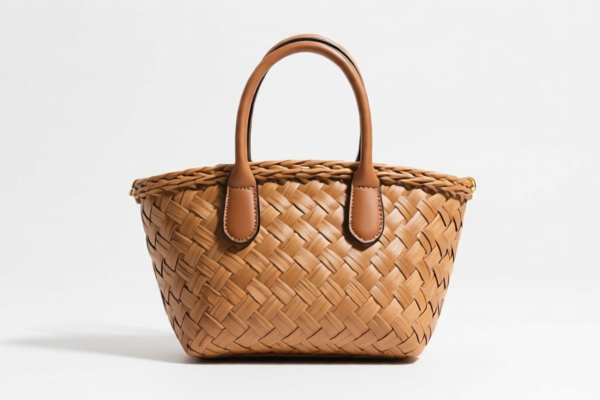
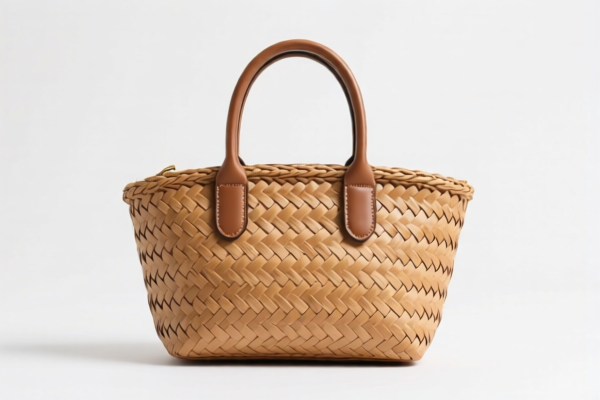
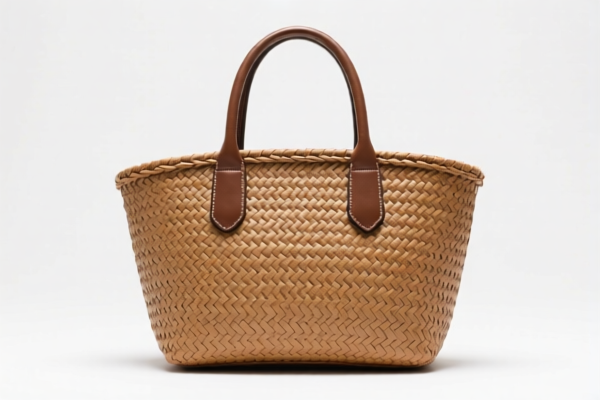
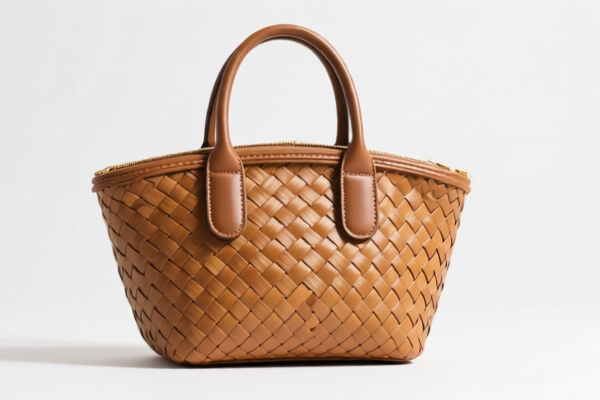
AI Analysis
👜 Woven Handbag (Outdoor Use)
🌐 HS Code Reference & Customs Clearance Guide | 2026 Latest Tariff Analysis | Professional Level Strategy
📌 Part 1: Product Definition & Classification: Do You Really Understand "Woven Handbags"?
A "Woven Handbag for Outdoor Use" is a versatile accessory blending craftsmanship with functionality. In international trade, its classification depends heavily on the primary material of the weave and its construction. It is not a single HS code but a category spanning textiles, plastics, and natural plant fibers.
Key Distinction Points:
- Material Basis: Is it made from straw/rattan (Chapter 46), synthetic plastics (Chapter 39), or woven textiles like canvas/polyester (Chapter 42)?
- Structure: Is it a simple open weave or lined/fitted with hardware?
- Usage: "Outdoor Use" does not automatically change the HS code, but it often implies durability (e.g., treated straw, heavy-duty plastic, or weather-resistant textile).
⚠️ Critical Note:
- If it’s plant-based (straw, rattan, bamboo) → Likely Chapter 46.
- If it’s plastic/synthetic sheet material woven → Likely Chapter 39.
- If it’s woven fabric (textile) → Likely Chapter 42.
📦 Part 2: HS Code Classification Details (2026 Latest Tariff Authority Comparison)
Based on the provided data, here are the 5 possible classifications for a "Woven Handbag," along with their tax implications for imports into the United States from China.
| HS Code | Product Description | Summary from Data | Total Tax Rate |
|---|---|---|---|
4602.19.29.20 |
Woven handbag, consistent with woven material category and handbag use | "Woven handbag, consistent with woven material category and handbag use" | 40.3% |
3926.90.99.89 |
Fabric handbag, consistent with plastic or polymer material product category | "Fabric handbag, consistent with plastic or polymer material product category" | 22.8% |
4202.22.40.20 |
Handbag, material is woven textile material | "Handbag, material is woven textile material" | 42.4% |
4602.12.25.00 |
Handbag, inferred based on plant fiber weaving | "Handbag, inferred based on plant fiber weaving" | 53.0% |
4202.22.89.30 |
Handbag, outer layer is woven product made of textile material | "Handbag, outer layer is woven product made of textile material" | 52.6% |
🔍 Key Observation:
- The lowest tax rate (22.8%) applies if the bag is classified under plastic/polymer materials (3926.90.99.89).
- The highest tax rate (53.0%) applies if classified as plant-fiber woven goods (4602.12.25.00).
- Textile-based woven bags (4202.22) fall in between, ranging from 42.4% to 52.6%.
💰 Part 3: Detailed 2026 Tariff Breakdown (Including Additional Taxes & Policy Add-ons)
✅ Applicable Country: United States (US)
✅ Origin: China (CN)
✅ Effective Date: Ongoing (including imports post-2025)
🎯 1. 3926.90.99.89 — Lowest Rate: Plastic/Polymer Woven Bag
| Item | Content |
|---|---|
| Base Tariff | 5.3% |
| Section 301 Additional Tariff | +7.5% |
| Section 122 Tariff | +10% |
| Total Tax Rate | 22.8% |
| Tax Calculation | CIF Value × 22.8% |
| De Minimis Exemption | ❌ Not Eligible |
| Legal Basis Path | Section 301 → Section 122 → USITC:3926.90.99.89 |
📌 Explanation:
- This classification assumes the "weave" is made from plastic sheets or polymer materials (e.g., PVC, PET strips) rather than natural fibers or traditional textiles.
- Why it’s beneficial: It has the lowest additional tariff (7.5% vs. 25% for others).
- Caution: You must prove the material is plastic/polymer, not just "textile."
🎯 2. 4602.19.29.20 — Mid-High Rate: General Woven Material
| Item | Content |
|---|---|
| Base Tariff | 5.3% |
| Section 301 Additional Tariff | +25.0% |
| Section 122 Tariff | +10% |
| Total Tax Rate | 40.3% |
| Tax Calculation | CIF Value × 40.3% |
| De Minimis Exemption | ❌ Not Eligible |
| Legal Basis Path | Section 301 → Section 122 → USITC:4602.19.29.20 |
📌 Explanation:
- This is a generic woven basket/handbag classification.
- It assumes the material is woven but not specified as plant fiber (which would trigger higher base tariffs) or plastic.
- Higher risk: If customs determines it’s actually plant-based, they may reclassify to4602.12.25.00(53.0%).
🎯 3. 4202.22.40.20 & 4202.22.89.30 — Textile-Based Woven Bags
| Item | Content |
|---|---|
| Base Tariff | 7.4% (40.20) / 17.6% (89.30) |
| Section 301 Additional Tariff | +25.0% (Both) |
| Section 122 Tariff | +10% (Both) |
| Total Tax Rate | 42.4% (40.20) / 52.6% (89.30) |
| De Minimis Exemption | ❌ Not Eligible |
📌 Explanation:
- These codes apply if the bag is made from woven fabrics (e.g., canvas, polyester, nylon).
-4202.22.40.20is for specific woven textile handbags.
-4202.22.89.30is for other woven textile handbags.
- Note: The base tariff for89.30is significantly higher (17.6% vs. 7.4%), leading to a 52.6% total rate.
🎯 4. 4602.12.25.00 — Highest Rate: Plant Fiber Woven Bag
| Item | Content |
|---|---|
| Base Tariff | 18.0% |
| Section 301 Additional Tariff | +25.0% |
| Section 122 Tariff | +10% |
| Total Tax Rate | 53.0% |
| De Minimis Exemption | ❌ Not Eligible |
| Legal Basis Path | Section 301 → Section 122 → USITC:4602.12.25.00 |
📌 Explanation:
- This is the most expensive classification.
- It applies if the bag is clearly made from natural plant fibers (straw, rattan, bamboo, reed).
- High Base Tariff (18%): Even without additional taxes, the base duty is high.
- Risk: If you claim this code but the product is plastic, customs will penalize for misclassification.
🛠️ Part 4: Customs Clearance Practical Advice (Real-World Pitfall Guide)
✅ 1. Preparation Checklist (Mandatory)
| Document | Required | Notes |
|---|---|---|
| ✅ Material Composition Report | ✔️ | Must specify exact material (e.g., "100% PVC Strips" vs. "Natural Straw"). |
| ✅ Product Photos (Clear) | ✔️ | Show texture, weave type, lining, and hardware. |
| ✅ Commercial Invoice | ✔️ | Clearly state: "Woven Handbag, Material: [Plastic/Textile/Plant]" |
| ✅ Packing List | ✔️ | Include dimensions and weight. |
| ✅ Certifications | ✔️ | If applicable: CPSIA (for kids’ bags), Prop 65, REACH. |
✅ 2. Declaration Tips (Key Mantra)
🔥 "Material First, Code Follows! Plastic Wins, Plant Pays!"
| Scenario | Correct Declaration | Wrong Practice | Consequence |
|---|---|---|---|
| Plastic/Straw-like Weave | 3926.90.99.89 |
Claiming as "Textile" | Rate jumps from 22.8% to 42.4%+ |
| Natural Straw/Rattan | 4602.12.25.00 |
Claiming as "Plastic" | Misclassification penalty + 53% tax |
| Woven Canvas/Polyester | 4202.22.40.20 |
Claiming as "Plant Fiber" | Rate jumps from 42.4% to 53% |
| Mixed Material Bag | Determine Primary Material | Vague description "Woven Bag" | Customs discretion → Likely higher rate |
✅ 3. Special Considerations
| Situation | Advice |
|---|---|
| OEM Custom Bags | Provide design sheets showing material layers. |
| "Outdoor Use" Claim | Does not reduce tax. Focus on material proof. |
| De Minimis (Section 321) | ❌ Not Eligible for these HS codes from China. All shipments subject to full duty. |
| Section 122 Tariff | ✅ Applies to all listed codes. This is a mandatory 10% on top of Section 301. |
🌍 Part 5: Global Market Comparison (2026 Update)
| Country/Region | Recommended HS Code (Example) | Tariff Rate | Certification | Notes |
|---|---|---|---|---|
| 🇺🇸 USA | 3926.90.99.89 (Plastic) |
22.8% | CPSIA, Prop 65 | Highest total tax due to 301+122 |
| 🇪🇺 EU | 4202.22 (Textile) |
~2.7% - 6% | CE, REACH | No Section 301/122 → Much cheaper |
| 🇨🇳 China | 4202.22 |
~5% - 10% | CCC (if applicable) | Lower base rates |
| 🇬🇧 UK | 4202.22 |
~12% | UKCA | Post-Brexit rules apply |
📌 Conclusion:
- USA is the most expensive market for woven handbags due to Section 301 (7.5% or 25%) and Section 122 (10%) tariffs.
- Plastic-based weaves (3926) offer the lowest tax burden (22.8%) compared to plant (53.0%) or textile (42.4%-52.6%).
- EU/UK markets are significantly more cost-effective for these products.
📌 Part 6: Common Mistakes & Pitfalls (Lessons Learned)
❌ Mistake 1: Claiming a plastic-woven bag as "Plant Fiber"
👉 Consequence: Customs reclassifies to 4602.12.25.00 → 53.0% tax + penalties.
✅ Fix: Provide material lab test reports proving plastic composition.
❌ Mistake 2: Declaring "Woven Bag" without specifying material
👉 Consequence: Customs uses default highest rate or delays shipment for inspection.
✅ Fix: Always specify: "Made of PVC strips" or "Made of cotton canvas."
❌ Mistake 3: Ignoring Section 122 Tariff
👉 Consequence: Underpayment of 10% mandatory tariff.
✅ Fix: Include 10% in all cost calculations for US imports from China.
❌ Mistake 4: Assuming "Outdoor Use" reduces tax
👉 Consequence: No impact on HS code or tariff rate.
✅ Fix: Focus on material and construction, not usage.
🎯 Part 7: Conclusion: Smart Classification, Cost Efficiency!
🎯 Remember the Mantra:
🔹 "Plastic Weave Wins (22.8%), Plant Fiber Pays (53.0%), Textile Splits (42-52%)."
🔹 "Section 122 is Always 10%, Section 301 Adds 7.5% or 25%."
📌 Pro Tip:
- If your product is plastic-based, aggressively defend the 3926.90.99.89 classification to save 30%+ in duties compared to plant fiber.
- If it’s textile, aim for 4202.22.40.20 (42.4%) over 89.30 (52.6%) by ensuring it fits the "specific woven textile" definition.
📣 Immediate Action:
📞 Consult a Customs Broker: Verify material composition before shipping.
📦 Label Clearly: "Material: PVC Strips" or "Material: 100% Cotton Weave."
🚀 Optimize for 22.8%: If possible, adjust design to use plastic/polymer weaves for US market entry.
✨ Professional Clearance Starts with Precise Classification!
💼 Your Bottom Line Depends on the First 4 Digits!
Customer Reviews
About HS Code Classification
The Harmonized System (HS) is an internationally standardized nomenclature developed by the World Customs Organization (WCO) to classify traded products. Over 200 countries use the HS system as the basis for customs tariffs, trade statistics, and import/export regulations.
Each HS code follows a hierarchical structure:
- Chapter (2 digits) — Broad category of goods (e.g., Chapter 84: Machinery and Mechanical Appliances)
- Heading (4 digits) — More specific grouping within the chapter
- Subheading (6 digits) — Internationally standardized breakdown, used by all WCO member countries
- National subdivisions (8-10 digits) — Country-specific extensions for further classification, such as US HTSUS 10-digit codes
Correct HS code classification is essential for smooth customs clearance, accurate duty payment, and compliance with trade regulations. Misclassification can lead to customs delays, overpayment of duties, or penalties.
When importing from CN to US, the applicable tariff rates may include:
- Most-Favored-Nation (MFN) rate — The standard duty rate applied to WTO members
- General rate — Applied to countries without trade agreements
- Trade remedy duties — Additional tariffs such as Section 301 (anti-dumping), Section 232 (national security), or countervailing duties
The information provided on this page is for reference purposes only. For official classification, please consult with your local customs authority or a licensed customs broker.