Woven Handbag with Shoulder Strap, Fashionable and Portable
CN → US| HS Code | Tariff Rate | Origin | Destination | Doc |
|---|---|---|---|---|
| 4602112100 | 41.2% | CN | US | Official Doc |
| 4202224020 | 42.4% | CN | US | Official Doc |
| 4202228980 | 52.6% | CN | US | Official Doc |
| 4602192920 | 40.3% | CN | US | Official Doc |
Product Images
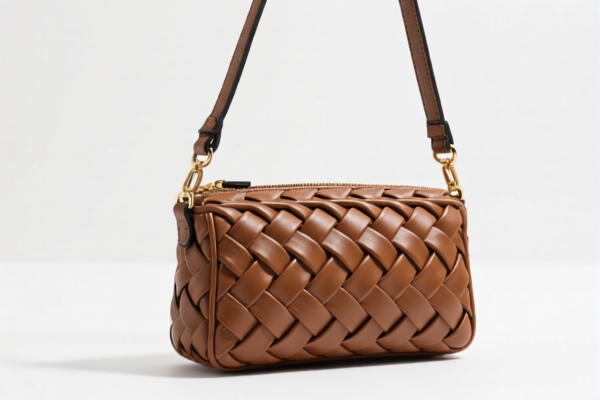
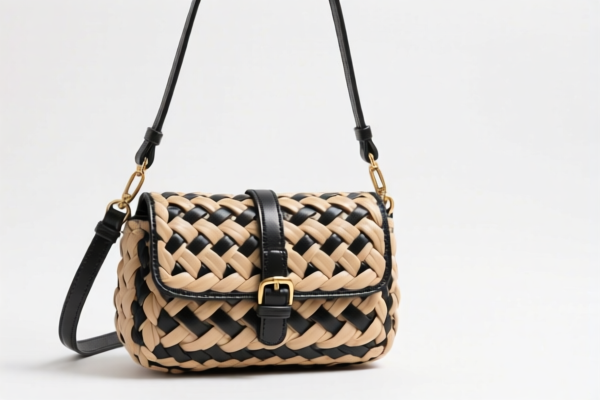
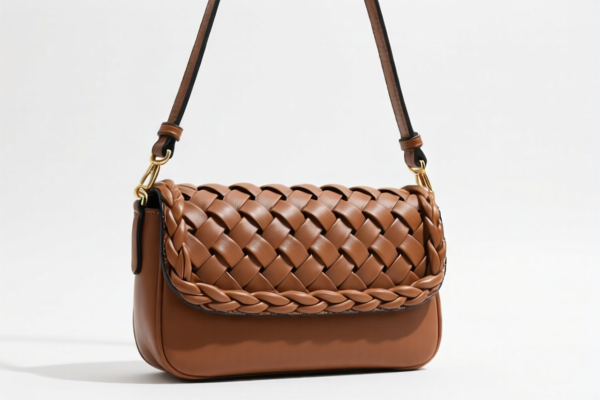
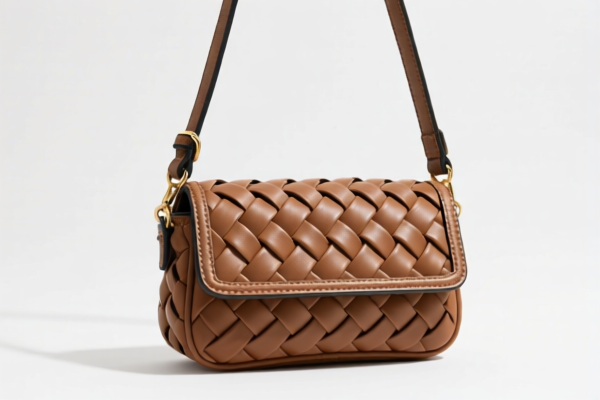
AI Analysis
👜 Woven Handbag with Shoulder Strap (Fashionable & Portable)
🌐 HS Code Reference & Customs Clearance Guide | 2026 Latest Tariff Full Analysis | Professional Clearance Strategy
📌 I. Product Definition & Classification: What Exactly is a "Woven Handbag"?
A "Woven Handbag with Shoulder Strap" is a versatile accessory used for carrying personal items. In international trade, its classification strictly depends on the raw material of the weaving. The same physical shape can fall into different HS Codes with vastly different tax rates based on whether the material is plant-based, textile-based, or other woven materials.
⚠️ Key Distinction Point:
- If made from Bamboo, Rattan, or similar plants →归入 Chapter 46 (Plaiting Products)
- If made from Straw, Braid, or other materials →归入 Chapter 42 (Articles of Leather/Travel Goods)
- If made from Textile Fibers (Cotton, Polyester, etc.) →归入 Chapter 42 (but with higher base duty)
📦 II. HS Code Classification Details (2026 Latest Tariff Authority Comparison)
| HS Code | Product Description | Applicable Scenario | Base Duty |
|---|---|---|---|
4602.11.21.00 |
Woven Handbag, Material: Bamboo, Rattan, or similar plant materials | Eco-friendly bamboo/rattan bags, nature-style fashion | 6.2% |
4202.22.40.20 |
Woven Handbag, Material: Woven materials (e.g., straw, synthetic braid) | Straw bags, fashion braid bags, non-textile woven | 7.4% |
4202.22.89.80 |
Woven Handbag, Material: Textile materials | Cotton, polyester, jute, or other fabric woven bags | 17.6% |
4602.19.29.20 |
Woven Handbag, Material: Other plant materials/plaiting products | Exotic plant fibers, non-bamboo/rattan plant plaiting | 5.3% |
🔍 Critical Reminder:
- Do not confuse "Woven" with "Textile". If the bag is made of woven plastic strips (often called "woven polypropylene"), it often falls under4202.22.40.20or similar, NOT textile codes, which have much higher duties. - Bamboo/Rattan bags enjoy lower base duties (6.2%) compared to textile-based woven bags (17.6%). - All entries below apply to US Imports from China.
💰 III. 2026 Latest Tariff Rate Breakdown (Including Surtaxes & Policy Surcharges)
✅ Applicable Country: United States (US)
✅ Origin: China (CN)
✅ Effective Time: From November 10, 2025 onwards
🎯 1. 4602.11.21.00 —— Woven Handbag (Bamboo/Rattan/Plant Material)
| Item | Content |
|---|---|
| Base Duty | 6.2% (Most Favored Nation) |
| Section 301 Surtax | +25.0% (Under US Trade Act Section 301) |
| Section 122 Surtax | +10.0% (Under Section 122/IEEPA, China-specific) |
| Total Tax Rate | 41.2% |
| Tax Calculation | CIF Value × 41.2% |
| De Minimis Exemption | ❌ No (deny_de_minimis) |
| Legal Basis Path | Section 301: 4602.11.21.00 → Section 122: IEEPA China Provisions |
📌 Explanation:
- Although the base duty is low (6.2%), the add-on tariffs (35%) make the total burden high. - Plant-based woven bags are often considered "light industrial products" subject to all surcharges.
🎯 2. 4202.22.40.20 —— Woven Handbag (Woven Materials like Straw/Synthetic)
| Item | Content |
|---|---|
| Base Duty | 7.4% |
| Section 301 Surtax | +25.0% |
| Section 122 Surtax | +10.0% |
| Total Tax Rate | 42.4% |
| Tax Calculation | CIF Value × 42.4% |
| De Minimis Exemption | ❌ No |
| Legal Basis Path | Section 301: 4202.22.40.20 → Section 122: IEEPA China Provisions |
📌 Note:
- This code is common for straw hats/bags or synthetic woven straps. - Slightly higher total rate than bamboo/rattan due to higher base duty (7.4% vs 6.2%).
🎯 3. 4202.22.89.80 —— Woven Handbag (Textile Materials)
| Item | Content |
|---|---|
| Base Duty | 17.6% (High base due to textile category) |
| Section 301 Surtax | +25.0% |
| Section 122 Surtax | +10.0% |
| Total Tax Rate | 52.6% |
| Tax Calculation | CIF Value × 52.6% |
| De Minimis Exemption | ❌ No |
| Legal Basis Path | Section 301: 4202.22.89.80 → Section 122: IEEPA China Provisions |
📌 Warning:
- This is the MOST EXPENSIVE category for woven bags! - If your bag is made of cotton, canvas, or polyester weave, you MUST classify here. - Do NOT try to misdeclare textile bags as "plant materials" to save tax; customs will inspect and reclassify, leading to penalties.
🎯 4. 4602.19.29.20 —— Woven Handbag (Other Plant Materials)
| Item | Content |
|---|---|
| Base Duty | 5.3% (Lowest base duty) |
| Section 301 Surtax | +25.0% |
| Section 122 Surtax | +10.0% |
| Total Tax Rate | 40.3% |
| Tax Calculation | CIF Value × 40.3% |
| De Minimis Exemption | ❌ No |
| Legal Basis Path | Section 301: 4602.19.29.20 → Section 122: IEEPA China Provisions |
📌 Optimization Tip:
- If your product can be justified as "Other Plant Material" (e.g., palm leaf, seagrass, bamboo fiber composite), this code offers the lowest total tax rate (40.3%). - Ensure the material report clearly states "Natural Plant Fiber" to support this classification.
🛠️ IV. Customs Clearance Practical Advice (Battle-Tested Pitfall Avoidance Guide)
✅ 1. Preparation Checklist (None Can Be Missing)
| Material | Must Provide | Description |
|---|---|---|
| ✅ Material Composition Report | ✔️ | Must specify % of bamboo, rattan, straw, textile, etc. |
| ✅ Product Photos | ✔️ | Clear view of weave texture, lining, and hardware |
| ✅ Commercial Invoice | ✔️ | Description must match HS Code exactly (e.g., "Bamboo Weave" vs "Textile Weave") |
| ✅ Packing List | ✔️ | Weight and dimensions for duty calculation |
| ✅ Supply Chain Info | ✔️ | Origin of raw materials (e.g., Bamboo grown in China) |
✅ 2. Declaration Tips (Key Mantra)
🔥 "Material is King! Don't Guess, Specify!"
| Scenario | Correct Declaration | Incorrect Practice | Consequence |
|---|---|---|---|
| Bamboo/Rattan Bag | 4602.11.21.00 (41.2%) |
Misdeclare as "Textile Bag" (4202.22.89.80) |
Overpaying tax (52.6% vs 41.2%) |
| Straw/Plastic Weave | 4202.22.40.20 (42.4%) |
Misdeclare as "Bamboo" | Customs audit, penalty, delay |
| Cotton Canvas Bag | 4202.22.89.80 (52.6%) |
Try to claim as "Plant Material" | Rejected, 122/301 surcharges apply anyway |
| Mixed Material Bag | Analyze main component | Ambiguous description "Woven Bag" | High risk of reclassification to highest duty |
✅ 3. Special Handling Cases
| Scenario | Handling Advice |
|---|---|
| Mixed Materials (e.g., Bamboo frame + Textile lining) | Declare based on the primary structural material. If bamboo frame is dominant, 4602.11.21.00 may apply, but provide a material split ratio. |
| "Fashion" Brand Bags | Even if branded, functional material dictates HS Code. Luxury woven bags are still taxed on material. |
| De Minimis (Section 321) | ❌ No Benefit. All these HS Codes are subject to Section 301 and 122 surcharges, so shipments under $800 DO NOT qualify for tax-free entry. |
| Packaging | Include woven bags in cartons, not individually wrapped in plastic that hides the weave texture. |
🌍 V. Global Main Market Clearance Comparison (2026 Latest)
| Country/Region | Recommended HS Code | Tariff (China Origin) | Certification Requirements | Notes |
|---|---|---|---|---|
| 🇺🇸 USA | Varies by Material | 40.3% - 52.6% | None specific | High surcharges (35%) apply to all |
| 🇪🇺 EU | 4602.11 / 4202.22 |
2.5% - 4% | REACH (for chemicals in dye) | No Section 301/122 surcharges |
| 🇨🇦 Canada | 4602.11 / 4202.22 |
2.5% - 5% | None specific | CUSMA benefits if from Mexico/US |
| 🇯🇵 Japan | 4602.11 / 4202.22 |
5% - 8% | FSC (if bamboo) | Low base duty, no surcharges |
📌 Conclusion:
- USA is the most costly market for woven handbags due to the 35% cumulative surtax. - EU and Japan offer significantly lower duties (2-8%), making them more attractive if supply chain diversification is possible. - Strategic Recommendation: If selling to the US, maximize cost efficiency by choosing Plant Materials (40.3-41.2%) over Textiles (52.6%).
📌 VI. Common Mistakes & Pitfall Guide (Lessons Learned)
❌ Mistake 1: Declaring a Cotton Woven Bag as "Bamboo Bag"
👉 Consequence: Customs lab test identifies cotton → Reclassify to 4202.22.89.80 → Back taxes + 10% penalty + Delay!
❌ Mistake 2: Ignoring the 122 Clause (10%)
👉 Consequence: Assuming only Section 301 (25%) applies → Underpaying 10% → Audit and seizure risk!
❌ Mistake 3: Believing "De Minimis" ($800) applies
👉 Consequence: Shipping via UPS/FedEx small packages thinking it's tax-free → Customs holds package, charges 40%+ tax + processing fee + return costs!
❌ Mistake 4: Vague Description "Woven Bag"
👉 Consequence: Customs officer assigns the highest possible duty (4202.22.89.80) due to lack of information → Paying 52.6% instead of 40.3%!
✅ Correct Practice:
"Woven Handbag, 100% Natural Bamboo Strips, with Leather Strap, Eco-Friendly, Model XYZ"
🎯 VII. Conclusion: Professional Declaration, Save Money & Time!
🎯 Remember the Mantra:
🔹 "Material Determines Duty! Plant is Cheaper, Textile is Expensive."
🔹 "35% Surtax is Non-Negotiable for US Imports from China."
🔹 "Always Declare 'Woven' + 'Material' + 'Handbag'."
📌 Pro Tip:
- If your woven bag contains >50% Plant Material (Bamboo, Rattan, Straw), aim for 4602 codes (~41% total).
- If it is Textile (Cotton, Polyester), you are stuck with 4202 high-duty codes (~52.6%).
- Avoid Mixed Material Ambiguity. If 50% bamboo + 50% cotton, consult a customs broker. It might default to the higher textile rate.
📣 Immediate Action:
📞 Contact your Customs Broker with Material Spec Sheets!
🚀 Optimize your product design to use Natural Plant Fibers to save 12%+ in taxes on the US market!
✨ Professional Clearance Starts with Accurate Classification!
💼 Every Percent of Tax Saves is Pure Profit!
Customer Reviews
About HS Code Classification
The Harmonized System (HS) is an internationally standardized nomenclature developed by the World Customs Organization (WCO) to classify traded products. Over 200 countries use the HS system as the basis for customs tariffs, trade statistics, and import/export regulations.
Each HS code follows a hierarchical structure:
- Chapter (2 digits) — Broad category of goods (e.g., Chapter 84: Machinery and Mechanical Appliances)
- Heading (4 digits) — More specific grouping within the chapter
- Subheading (6 digits) — Internationally standardized breakdown, used by all WCO member countries
- National subdivisions (8-10 digits) — Country-specific extensions for further classification, such as US HTSUS 10-digit codes
Correct HS code classification is essential for smooth customs clearance, accurate duty payment, and compliance with trade regulations. Misclassification can lead to customs delays, overpayment of duties, or penalties.
When importing from CN to US, the applicable tariff rates may include:
- Most-Favored-Nation (MFN) rate — The standard duty rate applied to WTO members
- General rate — Applied to countries without trade agreements
- Trade remedy duties — Additional tariffs such as Section 301 (anti-dumping), Section 232 (national security), or countervailing duties
The information provided on this page is for reference purposes only. For official classification, please consult with your local customs authority or a licensed customs broker.