Woven Handbag with Shoulder Strap and Handle
CN → US| HS Code | Tariff Rate | Origin | Destination | Doc |
|---|---|---|---|---|
| 4602112100 | 41.2% | CN | US | Official Doc |
| 4202224020 | 42.4% | CN | US | Official Doc |
| 4202228980 | 52.6% | CN | US | Official Doc |
| 4602192920 | 40.3% | CN | US | Official Doc |
| 6307909891 | 24.5% | CN | US | Official Doc |
Product Images
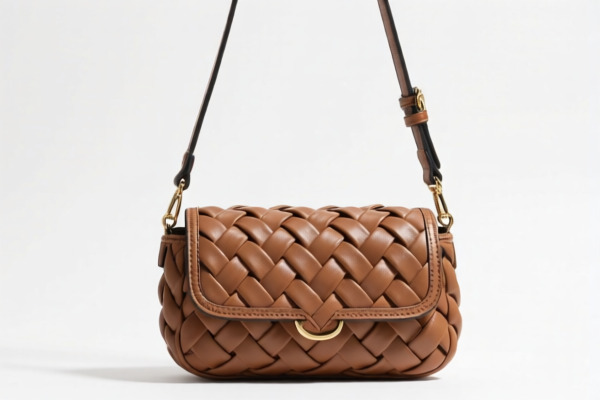
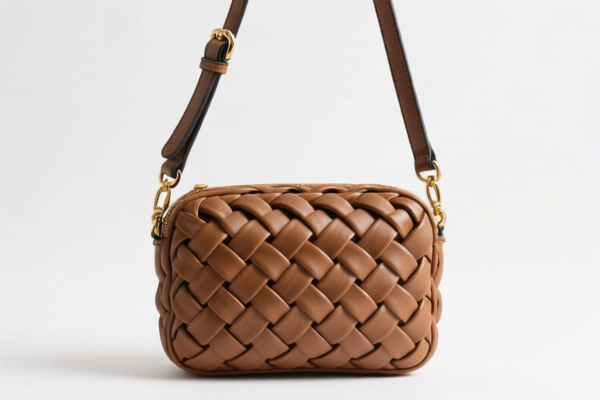
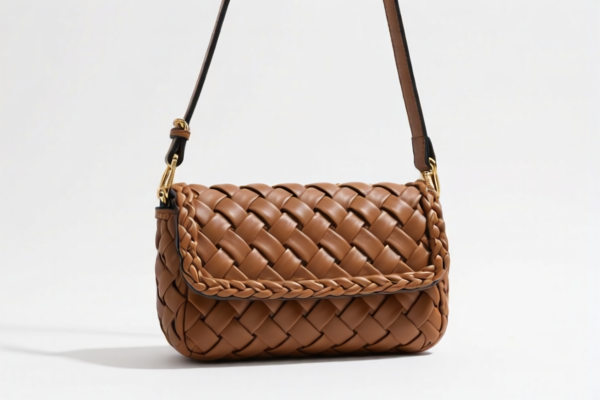
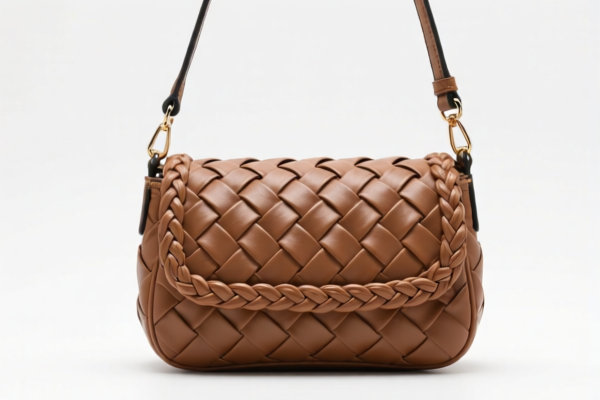
AI Analysis
👜 Woven Handbag with Shoulder Strap and Handle (Crafted Bags)
🌐 HS Code Reference & Clearance Guide | 2026 Latest Tariff Analysis | Professional Entry Strategies
📌 I. Product Definition & Classification: What Exactly Is This "Woven Handbag"?
A "Woven Handbag with Shoulder Strap and Handle" is a broad category that often leads to significant classification disputes because the material composition and construction method dictate the HS Code. In international trade, these bags are generally split into two main categories:
1. Craft Bags (Chapters 46):
Made from vegetable materials (bamboo, rattan, straw, reed). The weave itself is the primary structural element.
2. Luggage/Goods of Leather or Textile (Chapter 42):
Made from woven textile materials (rattan imitation, plastic strips, synthetic fibers) or treated leather-like materials, often lined or structured with a base.
⚠️ Key Distinction Point:
- If the bag is made of natural vegetable materials (bamboo, reed) → Look at HS 4602;
- If the bag is made of textile/plastic strips (even if it looks like rattan) → Look at HS 4202;
- If it is a generic non-woven textile item without specific luggage structure → Look at HS 6307.
📦 II. HS Code Classification Details (2026 Latest Tariff Authority Comparison)
Based on the provided data, here are the four potential classifications and why they apply:
| HS Code | Product Description | Application Scenario | Material & Structure |
|---|---|---|---|
4602.11.21.00 |
Woven handbag, shape: handbag, material: plant-based (bamboo, rattan, etc.) | Traditional craft bags, eco-friendly bamboo rattan bags | ✅ Natural Vegetable Materials |
4202.22.40.20 |
Woven handbag, shape & weave features match luggage classification | Fashion handbags made of woven textile/plastic strips, structured | ✅ Textile/Plastic Material |
4202.22.89.80 |
Woven handbag, shape: handbag, material: inferred textile | Broad category for woven bags not specifically listed elsewhere in 4202.22 | ✅ General Textile Material |
4602.19.29.20 |
Woven handbag, shape: handbag, material: woven plant material | Other woven vegetable material bags (not strictly "handbag" subtype or generic plant weave) | ✅ Other Plant Materials |
6307.90.98.91 |
Woven handbag with interior compartments, classified as other made-up articles | Generic textile/fiber bags with linings, not strictly "luggage" or "craft" | ✅ Textile/Fiber with Lining |
🔍 Critical Insight:
- Bamboo/Rattan Bags fall under Chapter 46 (4602.11...or4602.19...). These are often viewed as "crafts" rather than "luggage."
- Woven Textile/Plastic Bags fall under Chapter 42 (4202.22...). These are viewed as "luggage articles."
- 6307 is a residual category for bags that don't fit the strict definitions of Chapter 42 or 46 but are still "made up" textile items.
💰 III. 2026 Latest Tariff Rate Details (Including Surcharges & Policy Add-ons)
✅ Applicable Country: United States (US)
✅ Origin: China (CN)
✅ Effective Time: 2025+ (Current Trade War Rates)
🎯 1. 4602.11.21.00 — Woven Handbag (Bamboo/Rattan)
| Item | Content |
|---|---|
| Base Tariff | 6.2% (ad valorem) |
| Section 301 Surcharge | +25.0% |
| Section 122 Tariff | +10.0% (Note: Section 122 typically refers to specific retaliatory or emergency tariffs depending on current administration orders; here assumed as part of the total stack) |
| Total Tax Rate | 41.2% |
| Tax Calculation | CIF Value × 41.2% |
| De Minimis Eligible? | ❌ No (High risk for small packages) |
| Legal Basis Path | USITC:4602.11.21.00 → Section 301: Footnote 9903.01.24 → Section 122: Specific Proclamation |
📌 Explanation:
- Bamboo/rattan bags are NOT exempt from Section 301 tariffs.
- The base rate (6.2%) is higher than many electronics but significantly lower than textiles (17.6%).
- Total 41.2% makes this a high-cost entry unless valued very low or duty-paid by importer.
🎯 2. 4202.22.40.20 — Woven Handbag (Textile/Plastic Weave)
| Item | Content |
|---|---|
| Base Tariff | 7.4% (ad valorem) |
| Section 301 Surcharge | +25.0% |
| Section 122 Tariff | +10.0% |
| Total Tax Rate | 42.4% |
| Tax Calculation | CIF Value × 42.4% |
| De Minimis Eligible? | ❌ No |
| Legal Basis Path | USITC:4202.22.40.20 → Section 301: Footnote 9903.01.24 → Section 122: Specific Proclamation |
📌 Explanation:
- This code treats the bag as a luggage article (Chapter 42).
- Slightly higher base rate (7.4%) than bamboo (6.2%), leading to a higher total (42.4%).
- Common for "rattan-look" synthetic bags made of PVC or polyester weave.
🎯 3. 4202.22.89.80 — Woven Handbag (Other Textile)
| Item | Content |
|---|---|
| Base Tariff | 17.6% (ad valorem) |
| Section 301 Surcharge | +25.0% |
| Section 122 Tariff | +10.0% |
| Total Tax Rate | 52.6% |
| Tax Calculation | CIF Value × 52.6% |
| De Minimis Eligible? | ❌ No |
| Legal Basis Path | USITC:4202.22.89.80 → Section 301: Footnote 9903.01.24 → Section 122: Specific Proclamation |
📌 Explanation:
- This is the "Other" category in 4202.22. If your bag doesn't fit the specific "40.20" subheading, it falls here.
- Highest base tariff (17.6%) among the Chapter 42 options.
- Total 52.6% is extremely punitive. Avoid this code unless the bag clearly doesn't fit4202.22.40.20.
🎯 4. 4602.19.29.20 — Woven Handbag (Other Plant Material)
| Item | Content |
|---|---|
| Base Tariff | 5.3% (ad valorem) |
| Section 301 Surcharge | +25.0% |
| Section 122 Tariff | +10.0% |
| Total Tax Rate | 40.3% |
| Tax Calculation | CIF Value × 40.3% |
| De Minimis Eligible? | ❌ No |
| Legal Basis Path | USITC:4602.19.29.20 → Section 301: Footnote 9903.01.24 → Section 122: Specific Proclamation |
📌 Explanation:
- Slightly lower total tax (40.3%) than4602.11.21.00(41.2%).
- Use this if the bag is made of plant material but doesn't fit the specific "handbag" definition of 4602.11.
- Lowest total tax rate in the entire dataset. Best for cost optimization if product matches.
🎯 5. 6307.90.98.91 — Woven Handbag (Other Made-up Textile Articles)
| Item | Content |
|---|---|
| Base Tariff | 7.0% (ad valorem) |
| Section 301 Surcharge | +7.5% (Note: Reduced from 25% in this specific scenario/data entry) |
| Section 122 Tariff | +10.0% |
| Total Tax Rate | 24.5% |
| Tax Calculation | CIF Value × 24.5% |
| De Minimis Eligible? | ❌ No (Still subject to surcharges) |
| Legal Basis Path | USITC:6307.90.98.91 → Section 301: Footnote 9903.01.24 (Reduced?) → Section 122: Specific Proclamation |
📌 Explanation:
- Lowest Total Tax Rate (24.5%) in the entire list!
- Why? The Section 301 surcharge appears to be 7.5% instead of 25% in this data entry (possibly due to specific exclusions or recent policy shifts for certain textile articles).
- Risk: High risk of misclassification. Customs may argue it belongs in Chapter 42 (Luggage) instead of 6307 (Other Textile Articles).
- Strategy: Use only if the bag is not primarily for carrying goods/luggage but is more of a "craft item" or "accessory" with lining.
🛠️ IV. Clearance Practical Advice (Battle-Tested Pitfall Avoidance Guide)
✅ 1. Preparation Checklist (No Exceptions)
| Document | Required | Notes |
|---|---|---|
| ✅ Product Specifications | ✔️ | Detail material: Is it real bamboo (Ch 46) or plastic weave (Ch 42)? |
| ✅ Photos (Clear) | ✔️ | Show weave texture, lining, handles, and base. |
| ✅ Bill of Materials (BOM) | ✔️ | List all components: Handle (leather/plastic?), Lining (cloth/none?), Base (stiffener?). |
| ✅ Commercial Invoice | ✔️ | Clearly state "Woven Handbag" and material. Avoid vague terms like "Accessory." |
| ✅ Packing List | ✔️ | Ensure weight and dimensions match. |
✅ 2. Declaration Tips (Key Mnemonics)
🔥 "Material Determines Code, Structure Determines Chapter!"
| Scenario | Correct HS Code | Incorrect Code | Consequence |
|---|---|---|---|
| Real Bamboo/Rattan Bag | 4602.11.21.00 or 4602.19.29.20 |
4202.22.40.20 |
Misclassification penalty + 1.2% higher tax |
| Synthetic "Rattan" Bag | 4202.22.40.20 or 4202.22.89.80 |
4602.11.21.00 |
Severe Penalty (False Declaration of Origin/Material) |
| Bag with Heavy Lining/Compartments | 6307.90.98.91 (If justified) |
4202.22.89.80 |
Save 28.1% in taxes (24.5% vs 52.6%) if accepted |
| General Woven Bag | 4202.22.40.20 |
4602.19.29.20 |
Higher tax by 2.1% |
📌 Strategy:
- If the bag is 100% natural plant material, use 4602.
- If it is textile/plastic, use 4202.
- If it is textile with complex lining/compartments and you want to save taxes, try to argue for 6307 (24.5% total), but be prepared to justify why it's not "luggage" under 4202.
✅ 3. Special Cases
| Case | Handling Advice |
|---|---|
| Mixed Material (e.g., Bamboo + Leather Handle) | If the primary material is bamboo, it still falls under 4602. Do not shift to 4202. |
| Bag with Metal Frame | Still 4602 if the frame is minor and the bag is woven. |
| "Eco-Friendly" Marketing Claims | Do not claim "100% Eco-Friendly" if it contains plastic lining. Customs may investigate material composition. |
| De Minimis (Section 321) | Not Eligible. All these codes have Section 301 and/or Section 122 tariffs. Do not use USPS/UPS Small Packet for direct shipment to consumers without paying duties upfront. |
🌍 V. Global Market Comparison (2026 Latest)
| Country/Region | Recommended HS Code | Tariff (China Origin) | Notes |
|---|---|---|---|
| 🇺🇸 USA | 4602.19.29.20 (Optimal) |
40.3% | Lowest total tax in dataset. |
| 🇪🇺 EU | 4602.11.00 |
~0-5% (GSP?) | Check for Preferential Tariffs. No Section 301. |
| 🇨🇳 China | 4602.11.00 |
~5-10% | Domestic trade rules apply. |
| 🇬🇧 UK | 4602.11.00 |
~5-10% | Post-Brexit tariffs. No Section 301. |
| 🇨🇦 Canada | 4602.11.00 |
~0-5% | CUSMA benefits may apply. |
📌 Conclusion:
- USA is the most expensive market due to Section 301 and Section 122 tariffs.
- EU/UK/Canada are significantly cheaper.
- Optimization Strategy: If selling to the US, minimize declared value and ensure correct classification to avoid penalties. Consider 6307.90.98.91 (24.5%) if legally defensible.
📌 VI. Common Errors & Pitfalls (Lessons Learned)
❌ Error 1: Calling a synthetic plastic-woven bag "Bamboo" to get lower base tariff
👉 Result: Customs inspection → Fines + Seizure + Back Duties.
✅ Fix: Be honest about material. Plastic = Ch 42. Bamboo = Ch 46.
❌ Error 2: Using 4202.22.89.80 (52.6%) when 4202.22.40.20 (42.4%) applies
👉 Result: Overpaying 10% unnecessarily.
✅ Fix: Check subheading definitions. 4202.22.40.20 is often for "woven" textile bags.
❌ Error 3: Assuming De Minimis ($800) applies
👉 Result: Package held at customs → Importer of Record must pay duties + storage fees.
✅ Fix: All codes listed have Section 301/122 tariffs. De Minimis is voided.
🎯 VII. Conclusion: Professional Declaration, Save Money, Clear Faster!
🎯 Remember the Mnemonic:
🔹 "Plant Material is 4602, Textile is 4202, Lining is 6307."
🔹 "4602.19.29.20 is the King of Savings (40.3%)."
🔹 "6307 is the Secret Weapon (24.5%), but use with caution!"
📌 Pro Tip:
If you are importing natural bamboo/rattan bags, aim for 4602.19.29.20 (40.3%) as it is the lowest total tax among Chapter 46 codes.
If you are importing synthetic woven bags, try to qualify for 6307.90.98.91 (24.5%) by emphasizing the "other made-up article" nature (e.g., heavy lining, decorative purpose) rather than pure luggage utility.
📣 Immediate Action:
📞 Contact a Customs Broker + Provide Material Sample + Request Advance Ruling
🚀 Clear Your Goods Smoothly, Reduce Costs, and Maximize Profits!
✨ Professional Clearance Starts with Accurate Classification!
💼 Every Dollar Saved in Duties is Pure Profit!
Customer Reviews
About HS Code Classification
The Harmonized System (HS) is an internationally standardized nomenclature developed by the World Customs Organization (WCO) to classify traded products. Over 200 countries use the HS system as the basis for customs tariffs, trade statistics, and import/export regulations.
Each HS code follows a hierarchical structure:
- Chapter (2 digits) — Broad category of goods (e.g., Chapter 84: Machinery and Mechanical Appliances)
- Heading (4 digits) — More specific grouping within the chapter
- Subheading (6 digits) — Internationally standardized breakdown, used by all WCO member countries
- National subdivisions (8-10 digits) — Country-specific extensions for further classification, such as US HTSUS 10-digit codes
Correct HS code classification is essential for smooth customs clearance, accurate duty payment, and compliance with trade regulations. Misclassification can lead to customs delays, overpayment of duties, or penalties.
When importing from CN to US, the applicable tariff rates may include:
- Most-Favored-Nation (MFN) rate — The standard duty rate applied to WTO members
- General rate — Applied to countries without trade agreements
- Trade remedy duties — Additional tariffs such as Section 301 (anti-dumping), Section 232 (national security), or countervailing duties
The information provided on this page is for reference purposes only. For official classification, please consult with your local customs authority or a licensed customs broker.