Woven Magazine Baskets
CN → US| HS Code | Tariff Rate | Origin | Destination | Doc |
|---|---|---|---|---|
| 4602110900 | 45.0% | CN | US | Official Doc |
| 4602110700 | 35.0% | CN | US | Official Doc |
| 4601920500 | 37.7% | CN | US | Official Doc |
| 3926909989 | 22.8% | CN | US | Official Doc |
| 4602110900 | 45.0% | CN | US | Official Doc |
Product Images
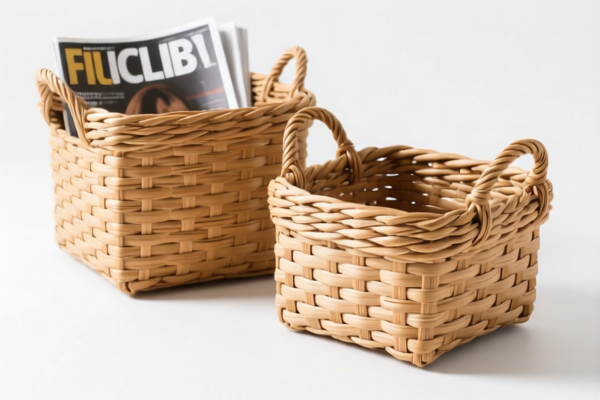

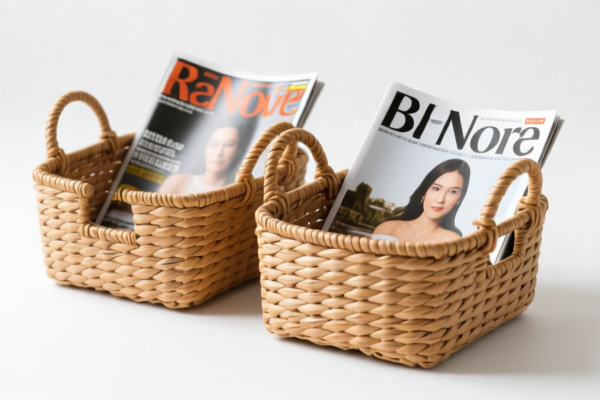
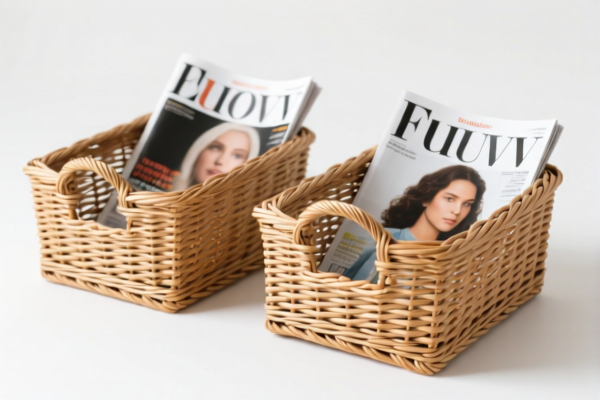
AI Analysis
🧺 Woven Magazine Baskets (Storage Solutions)
🌐 HS Code Reference & Customs Clearance Guide | 2026 Latest Tariff Analysis | Professional Clearance Strategy
📌 I. Product Definition & Classification: Do You Really Understand "Woven Baskets"?
Woven magazine baskets are essential home organization products, typically used for storing newspapers, magazines, remote controls, or decorative items. In international trade, their classification hinges on two critical factors: Material (Plant-based vs. Plastic/Synthetic) and Form (Finished Basket vs. Woven Material).
Plant-Based Woven Products (Headings 4601/4602): Made from bamboo, rattan, wicker, or other vegetable plaiting materials. Plastic/Synthetic Products (Heading 3926): Made from plastic fibers, synthetic wicker, or other man-made materials.
⚠️ Key Distinction Point:
- If the material is natural plant fiber (bamboo, rattan, willow, straw) → Classify under Chapter 46 (Woven vegetable materials).
- If the material is plastic/synthetic (plastic straw, synthetic rattan) → Classify under Chapter 39 (Plastics and articles thereof).
- The "Shape" (basket) alone does not determine the code; the Material is the deciding factor.
📦 II. HS Code Classification Details (2026 Latest Tariff Authority Comparison)
Based on the provided data, here are the precise classifications and tax implications for Woven Magazine Baskets:
| HS Code | Product Description & Material Inference | Applicability Scenario | Base Duty | Additional Duties | Total Tax Rate |
|---|---|---|---|---|---|
4602.11.09.00 |
Basket/Plaited Article: Made from plant materials (e.g., bamboo, rattan). Fits the category of finished baskets. | Traditional bamboo/rattan storage baskets. | 10.0% | 25.0% (Sec 301) + 10% (Sec 122) | 45.0% |
4602.11.07.00 |
Basket/Plaited Article: Made from bamboo/willow plant fibers. Fits heading requirements. | Bamboo or willow woven baskets. | 0.0% | 25.0% (Sec 301) + 10% (Sec 122) | 35.0% |
4601.92.05.00 |
Woven Materials: Plaited material (bamboo weave) used to make baskets, not necessarily finished baskets. | Sheets of bamboo weaving, rolls of woven material. | 2.7% | 25.0% (Sec 301) + 10% (Sec 122) | 37.7% |
3926.90.99.89 |
Other Plastic Articles: Unspecified plastic制品. Material inferred as plastic fiber or synthetic wicker. | Synthetic rattan, plastic straw baskets. | 5.3% | 7.5% (Sec 301) + 10% (Sec 122) | 22.8% |
🔍 Critical Insight:
-4602.11.09.00&4602.11.07.00: Both are for finished baskets made of plant materials. The difference lies in the specific plant fiber type and base duty (0% vs 10%).
-4601.92.05.00: For woven materials (semi-finished), not finished baskets. Lower base duty but still subject to high additional taxes.
-3926.90.99.89: For plastic/synthetic baskets. Lowest total tax rate (22.8%), but misclassification risk is high if the product is actually plant-based.
💰 III. 2026 Latest Tariff Rate Breakdown (Including Surcharges)
✅ Applicable Country: United States (US)
✅ Origin: China (CN)
✅ Effective Time: 2025/2026 (Current enforcement period)
🎯 1. 4602.11.09.00 — Plant-Based Finished Baskets (e.g., Bamboo/Rattan)
| Item | Detail |
|---|---|
| Base Duty | 10.0% |
| USITC Additional Duty | +25.0% (Section 301 Tariffs) |
| Section 122 Duty | +10.0% (China-specific tariff) |
| Total Effective Rate | 45.0% |
| Calculation | CIF Value × 45.0% |
| De Minimis Exemption? | ❌ No (Denied for Chapter 46 goods from China) |
| Legal Basis | HTSUS 4602.11.09 → USITC Footnote 9903.88.01 → IEEPA Sec 122 |
📌 Explanation:
- This is a high-tax category.
- The 25% is standard for many Chinese goods under Section 301.
- The 10% is a specific additional tariff on Chinese goods (Section 122).
- Total 45% makes this the most expensive option if the product is genuine plant-based.
🎯 2. 4602.11.07.00 — Bamboo/Willow Finished Baskets
| Item | Detail |
|---|---|
| Base Duty | 0.0% |
| USITC Additional Duty | +25.0% (Section 301 Tariffs) |
| Section 122 Duty | +10.0% (China-specific tariff) |
| Total Effective Rate | 35.0% |
| Calculation | CIF Value × 35.0% |
| De Minimis Exemption? | ❌ No |
| Legal Basis | HTSUS 4602.11.07 → USITC Footnote 9903.88.01 → IEEPA Sec 122 |
📌 Note:
- 5% cheaper than4602.11.09.00.
- Applicable if the material is specifically bamboo or willow (often listed separately in some tariff schedules).
- Verify material composition to claim this lower rate.
🎯 3. 4601.92.05.00 — Woven Plant Material (Not Finished Basket)
| Item | Detail |
|---|---|
| Base Duty | 2.7% |
| USITC Additional Duty | +25.0% (Section 301 Tariffs) |
| Section 122 Duty | +10.0% (China-specific tariff) |
| Total Effective Rate | 37.7% |
| Calculation | CIF Value × 37.7% |
| De Minimis Exemption? | ❌ No |
| Legal Basis | HTSUS 4601.92.05 → USITC Footnote 9903.88.01 → IEEPA Sec 122 |
📌 Caution:
- Only use if you are importing rolls/sheets of woven bamboo, not finished baskets.
- Misclassifying finished baskets as "woven material" can lead to penalties and seizure.
🎯 4. 3926.90.99.89 — Plastic/Synthetic Baskets
| Item | Detail |
|---|---|
| Base Duty | 5.3% |
| USITC Additional Duty | +7.5% (Section 301 Tariffs for Plastics) |
| Section 122 Duty | +10.0% (China-specific tariff) |
| Total Effective Rate | 22.8% |
| Calculation | CIF Value × 22.8% |
| De Minimis Exemption? | ❌ No |
| Legal Basis | HTSUS 3926.90.99 → USITC Footnote 9903.88.01 → IEEPA Sec 122 |
📌 Advantage:
- Lowest tax rate (22.8%).
- Ideal if the basket is made of plastic wicker, synthetic rattan, or PE rope.
- CRITICAL: Must prove material is plastic. If customs finds it’s plant-based, they will reclassify to Chapter 46 and charge up to 45%.
🛠️ IV. Customs Clearance Practical Advice (Avoid Pitfalls)
✅ 1. Documentation Checklist (Non-Negotiable)
| Document | Required | Purpose |
|---|---|---|
| ✅ Product Specification Sheet | ✔️ | Clearly states material (e.g., "100% Plastic PE Rattan" or "Natural Bamboo"). |
| ✅ Material Composition Certificate | ✔️ | Lab test or supplier declaration confirming plastic vs. plant origin. |
| ✅ Product Photos (Clear) | ✔️ | Shows texture, weave, and any labels (e.g., "Made in China"). |
| ✅ Commercial Invoice | ✔️ | Must match HS code description precisely (e.g., "Plastic Woven Basket"). |
| ✅ Packing List | ✔️ | Weight and dimensions for duty calculation. |
| ✅ Declaration of Origin | ✔️ | Confirms China origin to apply correct Section 122 tariffs. |
✅ 2. Declaration Strategy (Key Mnemonic)
🔥 "Material First, Then Shape. Plastic is Cheaper, But Prove It!"
| Scenario | Correct HS Code | Tax Rate | Risk |
|---|---|---|---|
| Real Bamboo/Rattan Basket | 4602.11.07.00 or 4602.11.09.00 |
35% - 45% | Low (if material is true) |
| Plastic/Synthetic Wicker Basket | 3926.90.99.89 |
22.8% | High if falsely claimed |
| Bamboo Weave Rolls (Not Basket) | 4601.92.05.00 |
37.7% | Medium (if product is finished) |
| Mixed Material (Bamboo + Plastic Handles) | 4602.11.00 |
35% - 45% | High (primary material rules) |
✅ 3. Special Handling Tips
| Situation | Advice |
|---|---|
| Product Appearance is Ambiguous | Provide a material breakdown (e.g., "Body: Plastic Straw; Handle: Wood"). If plastic >50%, use 3926. |
| Customs Inquiry | If asked, provide a lab report showing polymer content for plastic claims. |
| High Volume Imports | Consider Advance Ruling from CBP to lock in HS code and avoid retroactive duties. |
| Avoiding Section 122 | No exemption available for Chinese-origin goods in these categories. Plan for 10% + 25% + 7.5% (or 10% base). |
🌍 V. Global Market Comparison (2026)
| Market | Recommended HS Code | Total Duty (China Origin) | Certification | Note |
|---|---|---|---|---|
| 🇺🇸 USA | 3926.90.99.89 (Plastic) |
22.8% | None required for simple baskets | Lowest rate; but must be plastic. |
| 🇺🇸 USA | 4602.11.09.00 (Plant) |
45.0% | None required | High tariff due to trade wars. |
| 🇪🇺 EU | 4602.11.00 / 3926.90 |
4% - 6.5% | CE (if electrical, not here) | No Section 301/122 equivalent. |
| 🇨🇳 China | 4602.11.00 / 3926.90 |
0% - 5% | None | Import duty is low, but export from China faces US duties. |
📌 Conclusion:
- USA is the most challenging market due to叠加 tariffs (301 + 122).
- Plastic baskets (3926) are significantly cheaper to import into the US (22.8%) than plant-based ones (35-45%).
- BUT: Do not misdeclare plastic as plant to avoid 22.8% — customs audits are strict, and penalties can exceed the tax savings.
📌 VI. Common Errors & Pitfalls (Blood-Tea Lessons)
❌ Error 1: Claiming "Plastic Basket" when it’s actually Bamboo.
👉 Consequence: Customs reclassifies to 4602, charges 45% instead of 22.8%, plus fines and back taxes.
👉 Fix: Only declare plastic if it is 100% synthetic (PE, PVC, PP).
❌ Error 2: Using 4601.92.05.00 (Woven Material) for Finished Baskets.
👉 Consequence: Misclassification. Goods may be held, and you may lose the lower base duty advantage.
👉 Fix: If it’s a 3D basket, use 4602. If it’s a roll of weave, use 4601.
❌ Error 3: Ignoring Section 122 Tariff.
👉 Consequence: Underpayment of 10% on all Chinese goods in these categories.
👉 Fix: Always include 10% in cost calculations for China-origin goods.
✅ Correct Declaration Example:
"Woven Storage Basket, Made of 100% Polyethylene (PE) Plastic, Color Brown, For Home Use, HS Code 3926.90.99.89"
🎯 VII. Conclusion: Smart Classification Saves Money!
🎯 Remember the Golden Rule:
🔹 "Plastic is Cheaper, But Must Be True. Plant is Real, But Tax is High."
🔹 "Verify Material Before You Declare. 22.8% vs 45% is a Huge Difference."
📌 Pro Tip:
If your product is eco-friendly plant-based, accept the 35-45% duty as a cost of nature.
If you can switch to high-quality synthetic wicker, you can save up to 22.2% in duties.
Always request a Material Test Report from your supplier before shipping to the US.
📣 Immediate Action:
📞 Consult your customs broker with product samples.
📄 Get a Pre-Ruling if importing high volume.
🚀 Clear customs smoothly, maximize your profit margin!
✨ Professional clearance starts with precise classification!
💼 Every dollar saved in duties is pure profit!
Customer Reviews
About HS Code Classification
The Harmonized System (HS) is an internationally standardized nomenclature developed by the World Customs Organization (WCO) to classify traded products. Over 200 countries use the HS system as the basis for customs tariffs, trade statistics, and import/export regulations.
Each HS code follows a hierarchical structure:
- Chapter (2 digits) — Broad category of goods (e.g., Chapter 84: Machinery and Mechanical Appliances)
- Heading (4 digits) — More specific grouping within the chapter
- Subheading (6 digits) — Internationally standardized breakdown, used by all WCO member countries
- National subdivisions (8-10 digits) — Country-specific extensions for further classification, such as US HTSUS 10-digit codes
Correct HS code classification is essential for smooth customs clearance, accurate duty payment, and compliance with trade regulations. Misclassification can lead to customs delays, overpayment of duties, or penalties.
When importing from CN to US, the applicable tariff rates may include:
- Most-Favored-Nation (MFN) rate — The standard duty rate applied to WTO members
- General rate — Applied to countries without trade agreements
- Trade remedy duties — Additional tariffs such as Section 301 (anti-dumping), Section 232 (national security), or countervailing duties
The information provided on this page is for reference purposes only. For official classification, please consult with your local customs authority or a licensed customs broker.