Woven Outdoor Casual Handbag
CN → US| HS Code | Tariff Rate | Origin | Destination | Doc |
|---|---|---|---|---|
| 4602112100 | 41.2% | CN | US | Official Doc |
| 4602192920 | 40.3% | CN | US | Official Doc |
| 4202224020 | 42.4% | CN | US | Official Doc |
| 4202228980 | 52.6% | CN | US | Official Doc |
Product Images
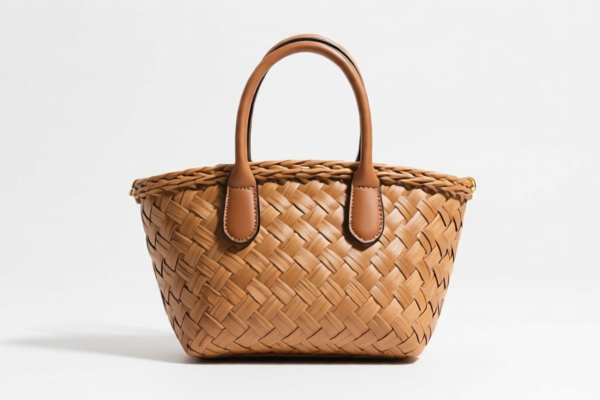
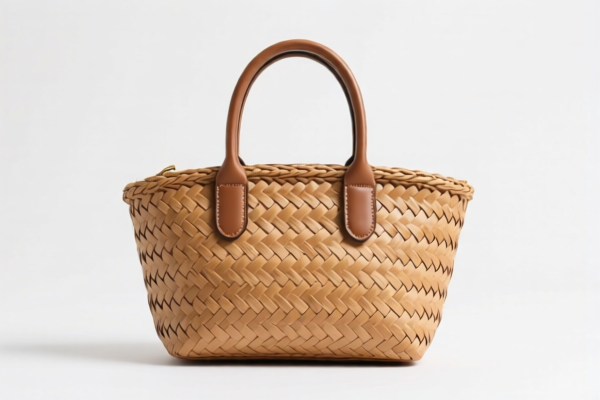
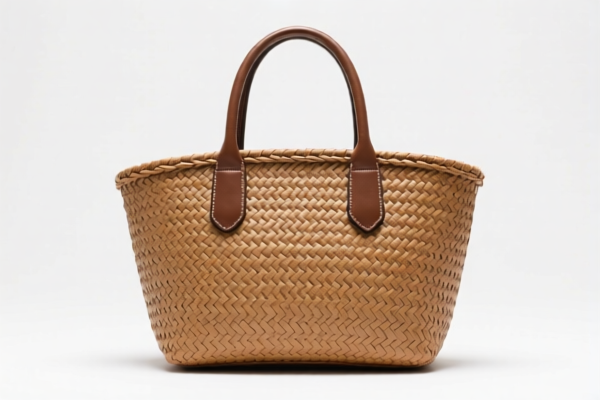
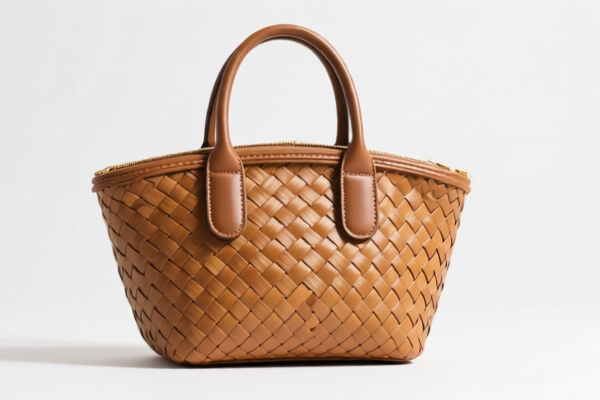
AI Analysis
👜 Woven Outdoor Casual Handbag (Material-Specific Classification)
🌐 HS Code Reference & Customs Clearance Guide | 2026 Latest Tariff Analysis | Strategic Compliance for US Imports
📌 I. Product Definition & Classification: What Kind of "Woven" is It?
Woven handbags are highly heterogeneous in international trade. The Harmonized System (HS) does not have a single code for "woven bags." Instead, classification depends strictly on the primary material of the weaving and the structural composition.
To import into the US efficiently, you must distinguish between: 1. Vegetable Materials (Plants): Bamboo, rattan, reed, straw. (Chapter 46) 2. Textile Materials: Woven plastics (PP ropes), fabric, jute, sisal. (Chapter 42)
⚠️ Critical Distinction Point:
- If the weaving material is natural plant matter (bamboo, rattan, reed) → Look at Chapter 46.
- If the weaving material is synthetic/textile (PP rope, canvas, polyester weave) → Look at Chapter 42.
- Misclassification leads to incorrect duty assessments and potential customs holds.
📦 II. HS Code Classification Details (2026 Latest Tariff Data)
Based on the provided data, here are the four possible classifications for "Woven Outdoor Casual Handbags," categorized by material source.
| HS Code | Product Description | Material Source | Total Duty Rate |
|---|---|---|---|
4602.11.21.00 |
Woven handbag, made of bamboo, rattan, or similar plant materials | Natural Plant (Bamboo/Rattan) | 41.2% |
4602.19.29.20 |
Woven handbag, made of other plant material weaving products | Other Plant Materials (Reed/Straw/etc.) | 40.3% |
4202.22.40.20 |
Woven handbag, made of woven materials (generic/textile) | Woven Materials (General) | 42.4% |
4202.22.89.80 |
Woven handbag, made of textile materials | Textile (Fabric/Synthetic Weave) | 52.6% |
🔍 Key Insight:
- Cheapest Option:4602.19.29.20(40.3%) – If you use non-bamboo plant fibers like reed or straw.
- Most Expensive:4202.22.89.80(52.6%) – If your "woven" bag is actually made of textile strips or synthetic fabric weave.
- Common Trap: Many "PP rope" bags are classified under Chapter 42 as "woven materials," not Chapter 46, leading to higher duties than expected.
💰 III. 2026 Latest Tariff Rate Breakdown (Detailed Tax Clauses)
✅ Applicable Country: United States (US)
✅ Origin: China (CN)
✅ Effective Date: 2025/2026 (Post-Section 301 & IEEPA adjustments)
🎯 1. 4602.11.21.00 – Bamboo/Rattan Handbags
| Item | Details |
|---|---|
| Base Tariff | 6.2% |
| Section 301 Tariff | +25.0% (Additional duties on Chinese goods) |
| Section 122 Tariff | +10.0% (Specific add-on for certain textile/apparel items) |
| Total Duty | 41.2% |
| Calculation | CIF Value × 41.2% |
| De Minimis Exemption | ❌ Not Eligible (Must file formal entry) |
| Legal Basis | Base rate (HTSUS) + 301 Footnote + IEEPA Section 122 |
📌 Explanation:
- Bamboo and rattan are considered "plant materials" under Chapter 46.
- Despite being "natural," they are subject to the full stack of tariffs due to their commercial similarity to manufactured goods in trade statistics.
- Note: This is the most common code for premium "eco-friendly" bamboo bags.
🎯 2. 4602.19.29.20 – Other Plant Material Handbags
| Item | Details |
|---|---|
| Base Tariff | 5.3% |
| Section 301 Tariff | +25.0% |
| Section 122 Tariff | +10.0% |
| Total Duty | 40.3% |
| Calculation | CIF Value × 40.3% |
| De Minimis Exemption | ❌ Not Eligible |
| Legal Basis | Base rate (HTSUS) + 301 Footnote + IEEPA Section 122 |
📌 Explanation:
- Covers reed, straw, palm leaf, or other non-bamboo/rattan plant weaves.
- Slightly cheaper than bamboo due to a lower base rate (5.3% vs 6.2%).
🎯 3. 4202.22.40.20 – Woven Material Handbags (General)
| Item | Details |
|---|---|
| Base Tariff | 7.4% |
| Section 301 Tariff | +25.0% |
| Section 122 Tariff | +10.0% |
| Total Duty | 42.4% |
| Calculation | CIF Value × 42.4% |
| De Minimis Exemption | ❌ Not Eligible |
| Legal Basis | Base rate (HTSUS) + 301 Footnote + IEEPA Section 122 |
📌 Explanation:
- Often used for "woven plastics" (PP rope) or mixed material bags that don't fit strictly into "textile" definitions but are man-made weaves.
- Higher base rate than plant materials (7.4%).
🎯 4. 4202.22.89.80 – Textile Material Handbags
| Item | Details |
|---|---|
| Base Tariff | 17.6% |
| Section 301 Tariff | +25.0% |
| Section 122 Tariff | +10.0% |
| Total Duty | 52.6% |
| Calculation | CIF Value × 52.6% |
| De Minimis Exemption | ❌ Not Eligible |
| Legal Basis | Base rate (HTSUS) + 301 Footnote + IEEPA Section 122 |
📌 Explanation:
- Applies to bags made from woven fabric, canvas, jute, or sisal.
- Highest Duty: The base tariff is significantly higher (17.6%) because textiles face higher protectionist barriers.
- Warning: Many sellers mistakenly think "natural fiber jute" is Chapter 46, but if it's processed as a textile, it often falls here or in Chapter 53/63, which can be even more complex. Stick to Chapter 46 for natural plant weaves to save taxes.
🛠️ IV. Customs Clearance Practical Advice (Avoiding Pitfalls)
✅ 1. Essential Documentation Checklist
| Document | Required? | Purpose |
|---|---|---|
| Product Specification Sheet | ✔️ | Must explicitly state MATERIAL COMPOSITION (e.g., "100% Bamboo," "PP Rope," "Canvas"). |
| Material Breakdown | ✔️ | List % of main material vs. lining/hardware. Critical for Chapter 46 vs. 42 classification. |
| Product Photos | ✔️ | Clear shots of the weave texture. Bamboo looks distinct from PP rope. |
| Commercial Invoice | ✔️ | Must match the HS Code description exactly. |
| Packing List | ✔️ | Weight and dimensions for freight calculation. |
| Country of Origin Certificate | ✔️ | Confirming China origin (to apply correct 301/122 rates). |
✅ 2. Classification Strategy (Key Mnemonics)
🔥 "Plant Weave = Chap 46 (Lower Tax)
Textile/Plastic Weave = Chap 42 (Higher Tax)"
| Scenario | Correct Classification | Avoid |
|---|---|---|
| Bag made of Bamboo strips | 4602.11.21.00 (41.2%) |
Misclassifying as textile → 52.6% |
| Bag made of Rattan/Reed | 4602.19.29.20 (40.3%) |
Misclassifying as plastic → 42.4% |
| Bag made of PP Rope (Plastic) | 4202.22.40.20 (42.4%) |
Misclassifying as plant material → Penalty |
| Bag made of Canvas/Fabric Weave | 4202.22.89.80 (52.6%) |
Claiming "eco-friendly" plant status |
✅ 3. Special Considerations for US Customs
| Issue | Solution |
|---|---|
| Section 122 Tariff (10%) | This applies to certain apparel and textile articles. Ensure your product is correctly classified to avoid double-dipping or missed duties. For woven bags, it currently applies based on the provided data. |
| De Minimis (Section 321) | ❌ No $800 Exemption. Woven handbags from China are subject to formal entry. You must have a customs bond. |
| Anti-Dumping/Countervailing Duties (AD/CVD) | Check if specific bamboo or rattan products have AD/CVD cases. While not listed in the base data, verify with a trade lawyer. |
| Labeling | Must include "Made in China" on the product and packaging. Failure to label results in seizure. |
🌍 V. Global Market Comparison (2026)
| Market | Recommended HS Code | Est. Total Duty (CN Origin) | Key Requirement |
|---|---|---|---|
| 🇺🇸 USA | 4602.19.29.20 (Best) |
40.3% | Formal Entry, Bond, Section 301/122 |
| 🇨🇳 China (Import) | 4602.11.00.00 |
~6-10% | Certificate of Origin |
| 🇪🇺 EU | 4602.11.00 |
~6% + VAT | CE/REACH (if plastic parts), EPR (Packaging) |
| 🇬🇧 UK | 4602.11.00 |
~6% + VAT | UKCA Marking (if applicable) |
📌 Conclusion:
- The US market is the most expensive due to the cumulative 35% additional tariffs (25% Sec 301 + 10% Sec 122).
- Cost Saving Tip: If your product can be manufactured using reeds or straw instead of bamboo or PP rope, you save 1.1% on duties (40.3%vs41.2%or42.4%).
- Avoid Textile Weaves: If you can switch from fabric weave (52.6%) to plant weave (40.3%), you save 12.3% in duties.
📌 VI. Common Mistakes & Pitfalls (Lessons Learned)
❌ Mistake 1: Calling a PP Rope Bag "Bamboo"
👉 Consequence: Customs audits will find synthetic materials. Penalty for fraud + back duties + fines.
👉 Solution: Be honest about material. PP Rope = 4202.22.40.20.
❌ Mistake 2: Assuming "Woven" means Chapter 46
👉 Consequence: Misclassification. If it's textile, it’s Chapter 42.
👉 Solution: Always define the fiber content in the declaration.
❌ Mistake 3: Ignoring Section 122
👉 Consequence: Underpayment of duty. The 10% add-on is significant.
👉 Solution: Include it in your cost model. Total is Base + 25% + 10%.
✅ Best Practice Declaration Example:
"Woven Handbag, Outdoor Casual, Made of Rattan Plant Material, with Leather Trim. HS Code: 4602.19.29.20. Country of Origin: China."
🎯 VII. Conclusion: Strategic Sourcing & Compliance
🎯 Key Takeaway:
🔹 "Plant Weave Wins": Bamboo/Rattan/Reed (Ch 46) is cheaper than Plastic/Textile Weave (Ch 42).
🔹 "Total Duty = Base + 35%": Always add 35% to the base HTS rate for US imports from China.
🔹 "No De Minimis": Prepare for formal customs brokerage fees and bonds.
📌 Pro Tip:
If you are sourcing from Vietnam, India, or Indonesia, these countries may have lower or zero Section 301/122 tariffs for these goods.
💡 Action: Consider shifting production to ASEAN countries to avoid the 35% extra burden. US Tariffs for Vietnam-made woven bags are significantly lower.
📣 Immediate Action Items:
1. Verify Material: Is it bamboo, rattan, reed, PP rope, or fabric?
2. Select HS Code: Use the table above.
3. Calculate Landed Cost: CIF + Duty (Base + 35%) + Brokerage.
4. Engage Broker: File for Entry Summary with correct HS Code.
✨ Smart Classification = Lower Costs = Higher Profit!
💼 Don't let a 1% material difference cost you 12% in duties!
Customer Reviews
About HS Code Classification
The Harmonized System (HS) is an internationally standardized nomenclature developed by the World Customs Organization (WCO) to classify traded products. Over 200 countries use the HS system as the basis for customs tariffs, trade statistics, and import/export regulations.
Each HS code follows a hierarchical structure:
- Chapter (2 digits) — Broad category of goods (e.g., Chapter 84: Machinery and Mechanical Appliances)
- Heading (4 digits) — More specific grouping within the chapter
- Subheading (6 digits) — Internationally standardized breakdown, used by all WCO member countries
- National subdivisions (8-10 digits) — Country-specific extensions for further classification, such as US HTSUS 10-digit codes
Correct HS code classification is essential for smooth customs clearance, accurate duty payment, and compliance with trade regulations. Misclassification can lead to customs delays, overpayment of duties, or penalties.
When importing from CN to US, the applicable tariff rates may include:
- Most-Favored-Nation (MFN) rate — The standard duty rate applied to WTO members
- General rate — Applied to countries without trade agreements
- Trade remedy duties — Additional tariffs such as Section 301 (anti-dumping), Section 232 (national security), or countervailing duties
The information provided on this page is for reference purposes only. For official classification, please consult with your local customs authority or a licensed customs broker.