Woven Pile Fabric
CN → US| HS Code | Tariff Rate | Origin | Destination | Doc |
|---|---|---|---|---|
| 6006100000 | 45.0% | CN | US | Official Doc |
| 6001106000 | 44.0% | CN | US | Official Doc |
| 6001102000 | 52.2% | CN | US | Official Doc |
| 6006909000 | 35.0% | CN | US | Official Doc |
| 5801902090 | 37.7% | CN | US | Official Doc |
Product Images
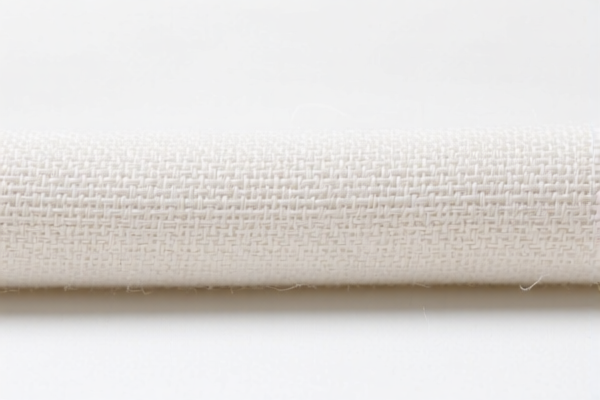
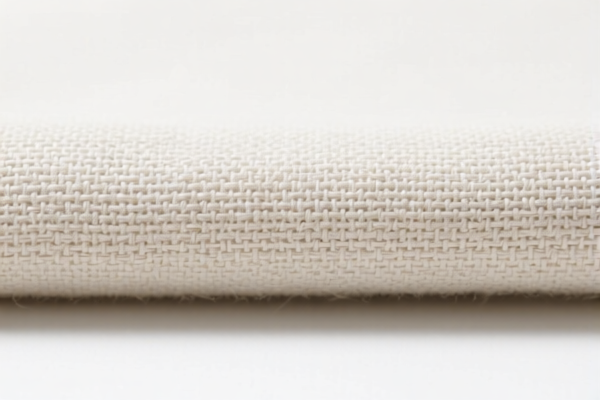
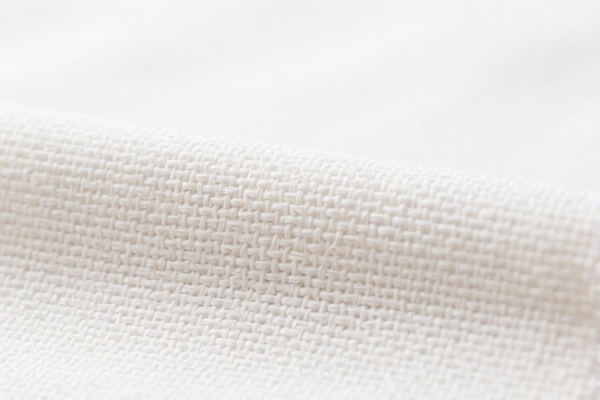
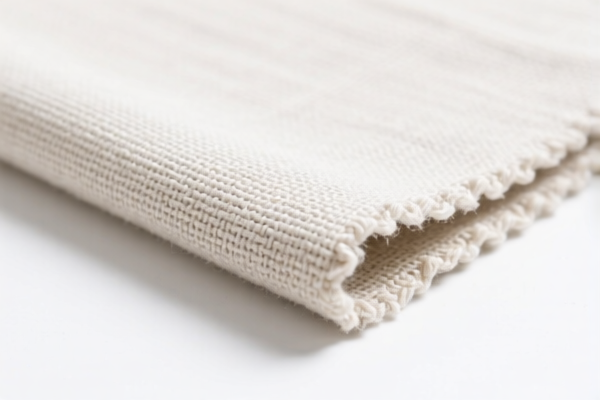
AI Analysis
🧵 Fleece Fabric (Woven/Knitted Pile Fabric)
🌐 HS Code Reference & Customs Clearance Guide | 2026 Latest Tariff Analysis | Professional Clearance Strategy
📌 I. Product Definition & Classification: Do You Really Understand "Fleece Fabric"?
Fleece fabric, commonly referred to as "woven pile fabric" in general trade contexts, is a type of textile characterized by its soft, fluffy texture and insulating properties. In international trade, the classification depends heavily on the fabric structure (knitted vs. woven) and the material composition (synthetic fiber vs. animal fiber).
While the term "pile fabric" often implies woven structures, modern fleece is predominantly knitted or 钩编 (crocheted). Therefore, it primarily falls under Chapter 60 (Knitted or Crocheted Fabrics) rather than Chapter 58 (Tufted or Pile Fabrics), unless it is a specific high-pile woven variant.
⚠️ Key Distinction Point:
- If the fabric is knitted/crocheted and made of synthetic fibers (e.g., polyester) → Usually Chapter 60.
- If the fabric is woven with a distinct long pile (like velvet or plush) → Chapter 58 (specifically 5801).
- Note: The data provided below reflects common customs interpretations for "fleece-like" fabrics, where some "fleece" items are incorrectly or broadly classified under woven pile codes (5801) due to texture similarities, while others correctly go to knitted codes (6006/6001).
📦 II. HS Code Classification Details (2026 Latest Tariff Authority Comparison)
| HS Code | Product Description | Applicable Scenario | Material/Structure Inference |
|---|---|---|---|
6006.10.00.00 |
Other knitted or crocheted fabrics (Synthetic/Animal Fiber) | General fleece fabric, soft-touch textiles, base layers | ✅ Knitted/Crocheted; Synthetic or Fine Animal Fiber |
6001.10.60.00 |
Other woven pile fabrics, of cotton (Long Pile) | High-pile fleece, plush-like knitted fabrics with long pile | ✅ Knitted/Pile; Long pile structure |
6001.10.20.00 |
Other woven pile fabrics, of synthetic fibers (Long Pile) | Synthetic fleece, polyester-based long pile fabrics | ✅ Knitted/Pile; Synthetic Fiber (Polyester) |
6006.90.90.00 |
Other knitted or crocheted fabrics (Miscellaneous) | General polyester fleece, non-specific knitted fabrics | ✅ Knitted; Polyester/Synthetic Fiber |
5801.90.20.90 |
Other woven pile fabrics, of other textile materials | Woven pile fabrics, non-silk, non-cotton, non-synthetic specific | ✅ Woven; Other Textile Materials |
🔍 Critical Reminder:
- Knitted vs. Woven: Most "fleece" is technically knitted (Chapter 60). However, some high-pile variations are classified under 5801 if they meet the "pile fabric" definition in Chapter 58.
- Material Matters: Synthetic fibers (Polyester) often attract higher base tariffs compared to other materials.
- Trade Policy Impact: All these codes are subject to significant US additional tariffs due to China origin.
💰 III. 2026 Latest Tariff Rate Breakdown (Including Additional Taxes, Policy Add-ons)
✅ Applicable Country: United States (US)
✅ Origin: China (CN)
✅ Effective Date: November 10, 2025 onwards (including subsequent imports)
🎯 1. 6006.10.00.00 —— Other Knitted or Crocheted Fabrics (Synthetic/Animal)
| Item | Content |
|---|---|
| Base Tariff | 10.0% |
| Section 301 Additional Tariff | +25.0% |
| Section 122 Tariff | +10.0% |
| Total Tariff Rate | 45.0% |
| Tax Calculation | CIF Value × 45% |
| De Minimis Exemption Eligible | ❌ No (deny_de_minimis) |
| Legal Basis Path | Section 122 → Section 301 → USITC:6006.10.00.00 |
📌 Explanation:
- This classification applies to general fleece fabrics that are knitted/crocheted and made of synthetic fibers or fine animal hair.
- The 45% total rate is a combination of the base duty, the 301 Section tariffs (25%), and the specific 122 Clause tariffs (10%).
- High Cost Warning: This is a heavy tariff burden for textile imports.
🎯 2. 6001.10.60.00 —— Other Pile Fabrics (Long Pile, Cotton Base)
| Item | Content |
|---|---|
| Base Tariff | 9.0% |
| Section 301 Additional Tariff | +25.0% |
| Section 122 Tariff | +10.0% |
| Total Tariff Rate | 44.0% |
| Tax Calculation | CIF Value × 44% |
| De Minimis Exemption Eligible | ❌ No |
| Legal Basis Path | Section 122 → Section 301 → USITC:6001.10.60.00 |
📌 Note:
- Applies to fleece fabrics with a long pile structure.
- Slightly lower base tariff (9%) compared to6006.10, but still very high total rate.
- Common for plush-like materials.
🎯 3. 6001.10.20.00 —— Other Pile Fabrics (Long Pile, Synthetic Fiber)
| Item | Content |
|---|---|
| Base Tariff | 17.2% |
| Section 301 Additional Tariff | +25.0% |
| Section 122 Tariff | +10.0% |
| Total Tariff Rate | 52.2% |
| Tax Calculation | CIF Value × 52.2% |
| De Minimis Exemption Eligible | ❌ No |
| Legal Basis Path | Section 122 → Section 301 → USITC:6001.10.20.00 |
📌 Critical Alert:
- Highest Tariff Rate: 52.2% is the most expensive option in this list.
- Applies to synthetic fiber (e.g., polyester) fabrics with a long pile structure.
- Many standard polyester fleece products may fall here if classified as "pile fabrics" rather than general knitted fabrics. Verify structure carefully!
🎯 4. 6006.90.90.00 —— Other Knitted or Crocheted Fabrics (Miscellaneous)
| Item | Content |
|---|---|
| Base Tariff | 0.0% |
| Section 301 Additional Tariff | +25.0% |
| Section 122 Tariff | +10.0% |
| Total Tariff Rate | 35.0% |
| Tax Calculation | CIF Value × 35% |
| De Minimis Exemption Eligible | ❌ No |
| Legal Basis Path | Section 122 → Section 301 → USITC:6006.90.90.00 |
📌 Opportunity:
- This is the lowest tariff rate among the options (35%).
- Applies to knitted fabrics that do not fit other specific subheadings, often used for general polyester fleece.
- Strategy: If your product qualifies as a general knitted fabric (not specifically "pile"), this code offers significant savings.
🎯 5. 5801.90.20.90 —— Other Woven Pile Fabrics (Other Textile Materials)
| Item | Content |
|---|---|
| Base Tariff | 2.7% |
| Section 301 Additional Tariff | +25.0% |
| Section 122 Tariff | +10.0% |
| Total Tariff Rate | 37.7% |
| Tax Calculation | CIF Value × 37.7% |
| De Minimis Exemption Eligible | ❌ No |
| Legal Basis Path | Section 122 → Section 301 → USITC:5801.90.20.90 |
📌 Explanation:
- Applies to woven pile fabrics made of materials other than cotton, silk, or synthetic fibers (or specific synthetic categories).
- Lower base tariff (2.7%) leads to a moderate total rate of 37.7%.
- Ensure the fabric is indeed woven and not knitted, as misclassification can lead to penalties.
🛠️ IV. Customs Clearance Practical Advice (Battle-Tested Pitfall Avoidance Guide)
✅ 1. Preparation Checklist (Missing Documents = Delay)
| Document | Required? | Description |
|---|---|---|
| ✅ Product Spec Sheet | ✔️ | Must include fiber content (e.g., 100% Polyester), fabric construction (knitted/woven), and pile height. |
| ✅ Fabric Swatch | ✔️ | Physical sample for customs inspection to verify "pile" vs. "non-pile" structure. |
| ✅ Manufacturing Process Description | ✔️ | Explain if it is knitted, crocheted, or woven. Crucial for Chapter 60 vs. 58. |
| ✅ Commercial Invoice | ✔️ | Clearly state "Fleece Fabric, Knitted, Polyester" or "Pile Fabric, Woven". |
| ✅ Packing List | ✔️ | Detail roll dimensions, weight, and quantity. |
| ✅ Certificate of Origin (CO) | ✔️ | Required for verifying China origin and applying additional tariffs. |
✅ 2. Declaration Tips (Key Mnemonic)
🔥 “Structure First, Fiber Second, Pile vs. Knit is Key!”
| Scenario | Correct Declaration | Common Mistake |
|---|---|---|
| Standard Polyester Fleece (Soft, Knitted) | 6006.90.90.00 (35%) |
Misdeclare as 6001.10.20.00 → 52.2% |
| High-Pile Plush Fabric (Long Pile) | 6001.10.60.00 or 6001.10.20.00 |
Misdeclare as 6006.90 → Audit Risk |
| Woven Pile Fabric (Velvet-like) | 5801.90.20.90 (37.7%) |
Misdeclare as 6006 → Wrong Chapter |
| Animal Hair Fleece | 6006.10.00.00 (45%) |
Missed base tariff difference |
✅ 3. Special Case Handling
| Situation | Handling Advice |
|---|---|
| OEM Custom Fleece | Provide design sheets and material specs to justify classification. |
| Blended Fabrics | Classify based on the principal material. If synthetic >50%, likely Chapter 60/58 synthetic codes. |
| Small Sample Shipments | De Minimis ($800) does NOT apply to China-origin textiles under Section 122/301. Declare fully. |
| Dispute with Customs | If customs questions "Knitted" vs. "Woven," provide microscopic analysis or manufacturer confirmation. |
🌍 V. Global Market Clearance Comparison (2026 Latest)
| Country/Region | Recommended HS Code | Tariff (China Origin) | Certification Requirements | Notes |
|---|---|---|---|---|
| 🇺🇸 USA | 6006.90.90.00 / 6001.10.20.00 |
35% ~ 52.2% | None specific, but tariff-heavy | Highest cost market for textiles |
| 🇨🇳 China | 6006.90.90.00 / 5801.90.20.90 |
7.5% ~ 15% | None | Lower base tariffs |
| 🇪🇺 EU | 6006.90.90.00 / 5801.90.20.90 |
0% ~ 12% | REACH, Oeko-Tex | No major additional tariffs |
| 🇬🇧 UK | 6006.90.90.00 |
12% | UKCA | Post-Brexit tariffs apply |
| 🇨🇦 Canada | 6006.90.90.00 |
16% | None | No additional Section 301/122 |
📌 Conclusion:
- USA is the most challenging market due to Section 122 + Section 301叠加 tariffs.
- Tariff Avoidance Strategy: Consider sourcing from non-China countries (e.g., Vietnam, Bangladesh) to avoid US additional tariffs.
- Optimization: If possible, classify under6006.90.90.00(35%) rather than6001.10.20.00(52.2%) by ensuring the fabric is not defined as "long pile" in the strict customs sense.
📌 VI. Common Errors & Pitfall Guide (Blood & Tears Lessons)
❌ Mistake 1: Misclassifying Knitted Fleece as Woven Pile (5801)
👉 Consequence: If incorrectly declared as woven, customs may reclassify to a higher base tariff or demand penalties.
👉 Correction: Verify fabric structure. Fleece is typically knitted.
❌ Mistake 2: Ignoring Section 122 Tariff
👉 Consequence: Assuming only Section 301 (25%) applies. The 10% Section 122 is a recent addition for many Chinese textiles.
👉 Correction: Always calculate Base + 25% + 10%.
❌ Mistake 3: Claiming De Minimis for Fleece from China
👉 Consequence: Seizure and Penalty. Textiles under these HS codes are explicitly excluded from de minimis exemptions for Chinese origin.
👉 Correction: Full customs declaration is mandatory.
✅ Correct Declaration Example:
"Fleece Fabric, Knitted, 100% Polyester, White, 200 GSM, for Apparel Manufacturing. HS Code: 6006.90.90.00. Origin: China."
🎯 VII. Conclusion: Professional Classification Saves Money!
🎯 Key Takeaways:
🔹 Structure is King: Knitted (
6006) vs. Woven (5801) vs. Pile (6001).
🔹 Tariff Range: 35% to 52.2% for China-origin fleece in the US.
🔹 Lowest Cost Code:6006.90.90.00(35%) if the fabric qualifies as general knitted fabric.
🔹 Highest Cost Code:6001.10.20.00(52.2%) for synthetic long-pile fabrics.
📌 Pro Tip:
If your fleece fabric is not a "long pile" and is a standard knitted fabric, fight for classification under 6006.90.90.00 to save 17.2% in tariffs.
Pre-classification Ruling is highly recommended for large shipments.
📣 Immediate Action:
📞 Consult a licensed customs broker.
📤 Submit fabric samples and technical specs for HS Code verification.
💰 Calculate landed cost including 35%-52.2% tariffs.
✨ Precision in Classification, Profit in Clearance!
💼 Don't let tariff surprises eat your margins!
Customer Reviews
About HS Code Classification
The Harmonized System (HS) is an internationally standardized nomenclature developed by the World Customs Organization (WCO) to classify traded products. Over 200 countries use the HS system as the basis for customs tariffs, trade statistics, and import/export regulations.
Each HS code follows a hierarchical structure:
- Chapter (2 digits) — Broad category of goods (e.g., Chapter 84: Machinery and Mechanical Appliances)
- Heading (4 digits) — More specific grouping within the chapter
- Subheading (6 digits) — Internationally standardized breakdown, used by all WCO member countries
- National subdivisions (8-10 digits) — Country-specific extensions for further classification, such as US HTSUS 10-digit codes
Correct HS code classification is essential for smooth customs clearance, accurate duty payment, and compliance with trade regulations. Misclassification can lead to customs delays, overpayment of duties, or penalties.
When importing from CN to US, the applicable tariff rates may include:
- Most-Favored-Nation (MFN) rate — The standard duty rate applied to WTO members
- General rate — Applied to countries without trade agreements
- Trade remedy duties — Additional tariffs such as Section 301 (anti-dumping), Section 232 (national security), or countervailing duties
The information provided on this page is for reference purposes only. For official classification, please consult with your local customs authority or a licensed customs broker.