Woven Pile Fabric of Wool or Fine Animal Hair
CN → US| HS Code | Tariff Rate | Origin | Destination | Doc |
|---|---|---|---|---|
| 5111196080 | 60.0% | CN | US | Official Doc |
| 6117901010 | 19.8% | CN | US | Official Doc |
| 6117909005 | 32.1% | CN | US | Official Doc |
| 6214200000 | 24.2% | CN | US | Official Doc |
| 6214900090 | 28.8% | CN | US | Official Doc |
Product Images
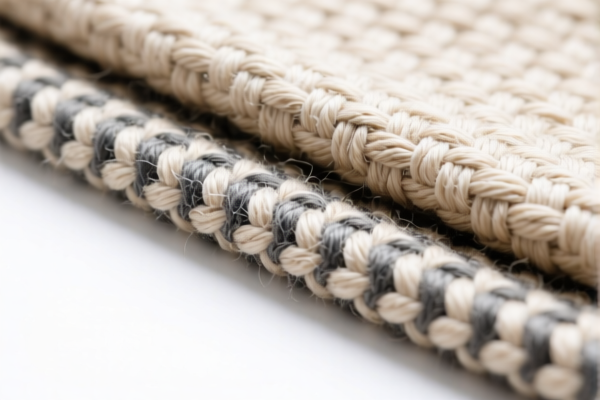
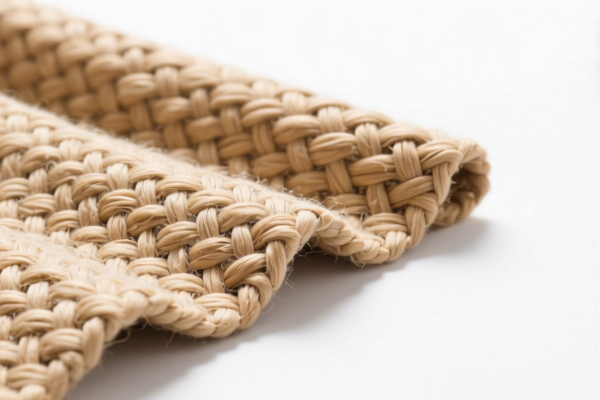
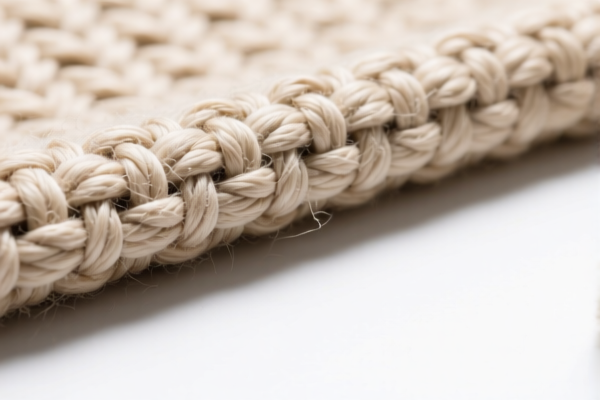
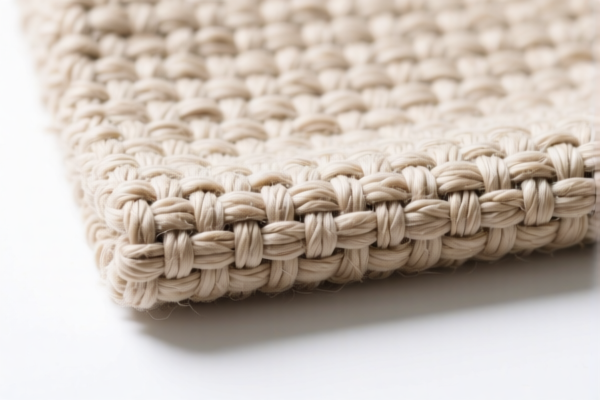
AI Analysis
🧶 Wool & Fine Animal Hair Woven Pile Fabric
🌐 HS Code Reference & Customs Clearance Guide | 2026 Latest Tariff Analysis | Professional Entry Strategies
📌 Part 1: Product Definition & Classification: Do You Really Understand "Wool Pile Fabric"?
Woven pile fabrics made of wool or fine animal hair (such as cashmere, alpaca, or mohair) are specialized textile materials characterized by a raised surface or looped pile structure. In international trade, these are not just "clothing" or "accessories," but raw materials or semi-finished goods. The classification depends entirely on the form, structure, and intended use of the item at the time of import.
⚠️ Key Distinction Point:
- If it is a raw woven fabric with pile, intended for further cutting/sewing → Classified under 5111 (Woven Fabrics).
- If it is a cut/partially finished component of a sweater/knitwear → Classified under 6117 (Knitted/Crocheted Accessories).
- If it is a finished accessory (scarf, shawl) or made of mixed materials → Classified under 6214 (Other Woven Accessories).
📦 Part 2: HS Code Classification Details (2026 Latest Tariff Authoritative Comparison)
| HS Code | Product Description | Applicable Scenario | Material/Form Match |
|---|---|---|---|
5111.19.60.80 |
Wool/Fine Animal Hair Woven Pile Fabric | Raw woven fabric with pile; matches material/shape criteria for "Other" categories. | ✅ Woven Pile Fabric (Raw/Semi-finished) |
6117.90.10.10 |
Wool/Fine Animal Hair Knitwear Parts | Components of sweaters/knitwear; matches knit/crochet part shape. | ✅ Knitwear Parts (Unfinished/Components) |
6117.90.90.05 |
Wool/Fine Animal Hair Knitwear Parts | Components meeting knit/crochet part form/function criteria. | ✅ Knitwear Parts (Unfinished/Components) |
6214.20.00.00 |
Wool/Fine Animal Hair Woven Accessories | Scarves, shawls, and similar finished woven accessories. | ✅ Finished Woven Accessories |
6214.90.00.90 |
Wool/Fine Animal Hair Woven Accessories | Other textile material accessories; classified as "Other." | ✅ Finished Woven Accessories (Mixed/Other) |
🔍 Important Reminder:
- Do not confuse "Pile Fabric" (5111) with "Knitwear Parts" (6117). If it is a woven fabric with pile, even if intended for clothing, it is often classified as fabric unless it is clearly a cut part of a knit garment.
- Finished Accessories (6214) must be complete items (e.g., a scarf with hemmed edges), not just cut pieces of fabric.
💰 Part 3: 2026 Latest Tariff Rate Details (Including Surtaxes & Policy Add-ons)
✅ Applicable Country: United States (US)
✅ Origin: China (CN)
✅ Effective Date: November 10, 2025 onwards (including subsequent imports)
🎯 1. 5111.19.60.80 —— Wool or Fine Animal Hair Woven Pile Fabric
| Item | Content |
|---|---|
| Base Tariff | 25.0% |
| USITC Surtax | +25.0% (Section 301 Additional Duty) |
| IEEPA Surtax | +10.0% (122 Clause Duty targeting China) |
| Total Tariff | 60.0% |
| Tax Calculation | CIF Value × 60.0% |
| De Minimis Eligibility | ❌ Not Eligible (deny_de_minimis) |
| Legal Basis Path | Base: 25% → Section 301: 25% → 122 Clause: 10% |
📌 Explanation:
- This is the highest tax bracket for wool pile fabrics.
- The combination of Base (25%) + Section 301 (25%) + 122 Clause (10%) results in a 60% total duty.
- This reflects the high sensitivity of woven wool textiles to US trade policies.
🎯 2. 6117.90.10.10 —— Wool/Fine Animal Hair Knitwear Parts (Specific Component)
| Item | Content |
|---|---|
| Base Tariff | 2.3% |
| USITC Surtax | +7.5% |
| IEEPA Surtax | +10.0% |
| Total Tariff | 19.8% |
| Tax Calculation | CIF Value × 19.8% |
| De Minimis Eligibility | ❌ Not Eligible |
| Legal Basis Path | Base: 2.3% → Section 301: 7.5% → 122 Clause: 10% |
📌 Note:
- Significantly lower than the woven fabric category.
- Applicable only if the item is clearly identified as a component part of a knitted/crocheted garment (e.g., a sweater panel).
- Misclassification from 6117 to 5111 could increase taxes by ~40%.
🎯 3. 6117.90.90.05 —— Wool/Fine Animal Hair Knitwear Parts (Other Components)
| Item | Content |
|---|---|
| Base Tariff | 14.6% |
| USITC Surtax | +7.5% |
| IEEPA Surtax | +10.0% |
| Total Tariff | 32.1% |
| Tax Calculation | CIF Value × 32.1% |
| De Minimis Eligibility | ❌ Not Eligible |
| Legal Basis Path | Base: 14.6% → Section 301: 7.5% → 122 Clause: 10% |
📌 Note:
- This applies to knitwear parts that do not fit the specific description of6117.90.10.10but are still recognized as knit/crochet components.
- Higher base rate due to broader categorization.
🎯 4. 6214.20.00.00 —— Wool/Fine Animal Hair Woven Accessories (Shawls, Scarves)
| Item | Content |
|---|---|
| Base Tariff | 6.7% |
| USITC Surtax | +7.5% |
| IEEPA Surtax | +10.0% |
| Total Tariff | 24.2% |
| Tax Calculation | CIF Value × 24.2% |
| De Minimis Eligibility | ❌ Not Eligible |
| Legal Basis Path | Base: 6.7% → Section 301: 7.5% → 122 Clause: 10% |
📌 Note:
- Applies to finished accessories like scarves, shawls, mufflers, and wraps made of wool/fine animal hair.
- Lower total tax than raw pile fabric, but requires the item to be finished (hemmed, tagged, ready for retail).
🎯 5. 6214.90.00.90 —— Wool/Fine Animal Hair Woven Accessories (Other)
| Item | Content |
|---|---|
| Base Tariff | 11.3% |
| USITC Surtax | +7.5% |
| IEEPA Surtax | +10.0% |
| Total Tariff | 28.8% |
| Tax Calculation | CIF Value × 28.8% |
| De Minimis Eligibility | ❌ Not Eligible |
| Legal Basis Path | Base: 11.3% → Section 301: 7.5% → 122 Clause: 10% |
📌 Note:
- Covers woven accessories not specifically listed under6214.20(e.g., mixed material accessories, non-scarf items).
- Higher base rate due to "Other" classification.
🛠️ Part 4: Customs Clearance Practical Advice (Avoiding Pitfalls)
✅ 1. Required Documentation Checklist (All Items Mandatory)
| Document | Required? | Description |
|---|---|---|
| ✅ Product Specifications | ✔️ | Detailed description of fiber content (100% wool? blend?), pile height, weave type. |
| ✅ Product Photos | ✔️ | Clear images showing texture, edges (finished vs. raw), and labels. |
| ✅ Commercial Invoice | ✔️ | Must specify "Woven Pile Fabric" or "Knitwear Parts" accurately; avoid vague terms like "Textile." |
| ✅ Packing List | ✔️ | Separate raw fabric rolls from finished accessories in documentation if mixed. |
| ✅ Origin Certificate | ✔️ | Confirm China origin to apply correct surtaxes. |
| ✅ Test Report | ✔️ | Fiber content analysis report to prove "Wool/Fine Animal Hair" classification. |
✅ 2. Declaration Tips (Key Rules)
🔥 "Fabric vs. Finished: Know Your Form!"
| Scenario | Correct Declaration | Error to Avoid |
|---|---|---|
| Rolls of pile fabric | 5111.19.60.80 |
Misdeclare as "Scarf" → Risk of 24.2% but potential penalty for misdescription. |
| Cut sweater panels | 6117.90.10.10 or 6117.90.90.05 |
Misdeclare as "Fabric" → 60% tax instead of ~20-32%. |
| Finished Scarf | 6214.20.00.00 |
Misdeclare as "Parts" → Underpayment risk if audited. |
| Mixed Material Accessory | 6214.90.00.90 |
Misdeclare as 100% wool → Compliance violation. |
✅ 3. Special Case Handling
| Scenario | Handling Advice |
|---|---|
| Wool vs. Synthetic Blend | If <10% wool, it may not be classified as "Wool Fabric." Check fiber content strictly. |
| Pile Fabric for Home Textiles | If used for carpets/upholstery, it may fall under different HS codes (e.g., 5701-5704). Consult expert. |
| Knitwear Parts vs. Fabric | If the "pile" is created by knitting (not weaving), it is not 5111. It must be 6117. |
| Shawls vs. Scarves | Both fall under 6214.20.00.00. Ensure they are "finished" (hemmed, not raw fabric). |
🌍 Part 5: Global Market Customs Comparison (2026 Latest)
| Country/Region | Recommended HS Code | Tariff Rate (China Origin) | Certification Requirements | Notes |
|---|---|---|---|---|
| 🇺🇸 USA | 5111.19.60.80 (Fabric)6214.20.00.00 (Scarf) |
60% (Fabric) 24.2% (Scarf) |
None specific, but accurate fiber content is critical. | Highest tariffs globally for wool textiles. |
| 🇨🇳 China | 5111.19.60.80 |
8-10% | CCC (if applicable), GB standards | No Section 301/122 taxes. |
| 🇪🇺 EU | 5111.30.90 (Approx.) |
4-12% | REACH, OEKO-TEX (recommended) | No high surtaxes, but strict fiber labeling. |
| 🇬🇧 UK | 5111.30.90 |
4-12% | UKCA (if applicable) | Post-Brexit rules apply. |
| 🇦🇺 Australia | 5111.30.90 |
5% | None specific | No major surtaxes. |
📌 Conclusion:
- The US is the most expensive market for wool pile fabrics due to the 60% combined tariff.
- Finished accessories (scarves/shawls) are more tax-efficient (24.2%) than raw pile fabric (60%).
- Consider supply chain diversification (e.g., manufacturing in Vietnam or Mexico) to avoid high US surtaxes, if feasible.
📌 Part 6: Common Mistakes & Pitfalls (Lessons Learned)
❌ Mistake 1: Declaring "Woven Pile Fabric" as "Knitwear Parts"
👉 Consequence: If audited, the item is identified as woven fabric → 60% tax vs. 19.8-32.1%. Back taxes + penalties.
❌ Mistake 2: Declaring "Raw Fabric Rolls" as "Finished Scarves"
👉 Consequence: Misrepresentation of goods → Seizure, fines, or denial of entry. Customs requires finished edges and labeling.
❌ Mistake 3: Ignoring the "122 Clause"
👉 Consequence: Failing to include the 10% IEEPA surtax in cost calculations → Profit margin erosion.
❌ Mistake 4: Confusing "Wool" with "Fine Animal Hair"
👉 Consequence: Incorrect HS code if the fiber content is mixed. Ensure test reports match the declared HS code.
✅ Correct Practice:
“Woven Pile Fabric, 100% Wool, 200gsm, Raw Edges, Roll Form, for Garment Manufacturing”
🎯 Part 7: Conclusion: Precision Classification Saves Money!
🎯 Remember the Rules:
🔹 “Fabric is 60%, Parts are ~25%, Accessories are ~25%.”
🔹 “Woven vs. Knit: The foundation of classification.”
🔹 “122 Clause adds 10% to everything from China.”
📌 Tips:
- If your product is knitted (not woven), do not use 5111. Use 6117 instead.
- For scarves/shawls, ensure they are finished (hemmed, tagged) to qualify for 6214.
- Always get a fiber content test report to support your HS code declaration.
📣 Immediate Action:
📞 Contact a professional customs broker + Provide product photos + Request HS Code Pre-ruling
🚀 Ensure your wool products clear customs smoothly, avoid delays, and protect your margins!
✨ Professional Clearance Starts with Accurate Classification!
💼 Your every cent of cost deserves precise calculation!
Customer Reviews
About HS Code Classification
The Harmonized System (HS) is an internationally standardized nomenclature developed by the World Customs Organization (WCO) to classify traded products. Over 200 countries use the HS system as the basis for customs tariffs, trade statistics, and import/export regulations.
Each HS code follows a hierarchical structure:
- Chapter (2 digits) — Broad category of goods (e.g., Chapter 84: Machinery and Mechanical Appliances)
- Heading (4 digits) — More specific grouping within the chapter
- Subheading (6 digits) — Internationally standardized breakdown, used by all WCO member countries
- National subdivisions (8-10 digits) — Country-specific extensions for further classification, such as US HTSUS 10-digit codes
Correct HS code classification is essential for smooth customs clearance, accurate duty payment, and compliance with trade regulations. Misclassification can lead to customs delays, overpayment of duties, or penalties.
When importing from CN to US, the applicable tariff rates may include:
- Most-Favored-Nation (MFN) rate — The standard duty rate applied to WTO members
- General rate — Applied to countries without trade agreements
- Trade remedy duties — Additional tariffs such as Section 301 (anti-dumping), Section 232 (national security), or countervailing duties
The information provided on this page is for reference purposes only. For official classification, please consult with your local customs authority or a licensed customs broker.