Woven Pocket
CN → US| HS Code | Tariff Rate | Origin | Destination | Doc |
|---|---|---|---|---|
| 4202224020 | 42.4% | CN | US | Official Doc |
| 4602192920 | 40.3% | CN | US | Official Doc |
| 4602112100 | 41.2% | CN | US | Official Doc |
| 4202228980 | 52.6% | CN | US | Official Doc |
Product Images
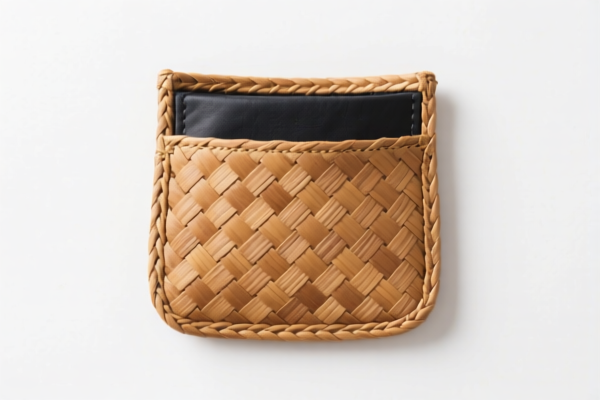
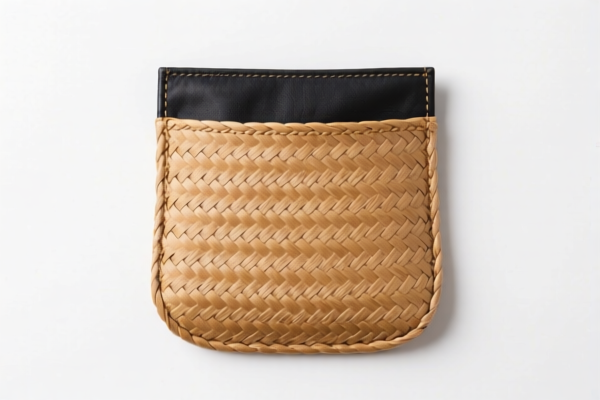


AI Analysis
🧺 Woven Pouches & Bags (Handbags & Portable Containers)
🌐 HS Code Reference & Clearance Guide | 2026 Latest Tariff Analysis | Professional Import Strategy
📌 I. Product Definition & Classification: What is a "Woven Pouch"?
A "Woven Pouch" typically refers to a portable carrying item constructed from interlaced natural or synthetic fibers. In international trade, the classification hinges on the material composition and outer surface. They are primarily categorized under Chapter 42 (Leather goods) or Chapter 46 (Basketry & Wickerwork).
Two Main Distinctions:
- Textile/Synthetic Based: Made from woven textile fabrics (e.g., polyester, nylon, canvas) → Often falls under 4202 or 4602 depending on surface texture.
- Plant Material Based: Made from bamboo, rattan, straw, or wicker → Strictly falls under 4602.
⚠️ Critical Classification Logic:
- If the outer surface is textile fabric → HS Code 4202.xxxx
- If the body is made of plant materials (bamboo, rattan, straw) → HS Code 4602.xxxx
- Note: If it is purely "woven" with no rigid structure, it might be misclassified. It must be a "bag" or "pouch" to qualify.
📦 II. HS Code Classification Details (2026 Latest Tariff Reference)
Based on the provided data for "Woven Pouch" products, here is the authoritative breakdown of the four specific HS Codes and their tax implications.
| HS Code | Product Description | Material Characteristic | Application Scenario |
|---|---|---|---|
4202.22.40.20 |
Woven Handbag | Matches shape with woven material characteristics (Textile-based) | Fashion handbags, woven synthetic fabric bags |
4602.19.29.20 |
Woven Handbag | Plant material woven product (General plant fibers) | Straw bags, synthetic plant-fiber bags |
4602.11.21.00 |
Woven Handbag | Bamboo/Rattan or specific plant materials | Bamboo/Willow handbags, rigid wicker items |
4202.22.89.80 |
Woven Handbag | Textile fabric outer surface (Generic textile) | Standard woven fabric handbags, fashion totes |
🔍 Key Reminder:
- 4202 Series generally covers bags with a textile surface or non-basketry materials.
- 4602 Series is reserved for items made of basketry materials (bamboo, rattan, straw, etc.).
- Misclassification Risk: If a "bamboo bag" is declared as "textile," it will face severe penalties and duty rate discrepancies.
💰 III. 2026 Latest Tariff Rate Breakdown (Including Surcharges & Policy Add-ons)
✅ Applicable Market: United States (US)
✅ Country of Origin: China (CN)
✅ Effective Date: Current/2026 Tariff Regime (Section 301 & 122)
🎯 1. 4202.22.40.20 & 4202.22.89.80 (Textile-Based Woven Bags)
For 4202.22.89.80 (Textile Outer Surface) - Highest Duty
| Item | Content |
| :--- | :--- |
| Base Duty Rate | 17.6% (Ad Valorem) |
| Section 301 Surcharges | +25.0% (Section 301 "Add-on") |
| Section 122 Add-on | +10.0% (Specific 122 Clause) |
| Total Effective Tax | 52.6% |
| Tax Calculation | CIF Value × 52.6% |
| De Minimis Exemption | ❌ NO (Denied) |
| Legal Basis Path | HTS:4202.22.89.80 → Section 301:25% → Section 122:10% |
For 4202.22.40.20 (Woven Material Characteristic Match)
| Item | Content |
| :--- | :--- |
| Base Duty Rate | 7.4% |
| Section 301 Surcharges | +25.0% |
| Section 122 Add-on | +10.0% |
| Total Effective Tax | 42.4% |
| Tax Calculation | CIF Value × 42.4% |
📌 Explanation:
- Base Tariff: Varies by specific material subheading (7.4% vs 17.6%).
- Section 301 (+25%): The standard "Add-on" tariff for Chinese goods under US Trade Act Section 301.
- Section 122 (+10%): Additional tariff often applied to specific textile/apparel categories or under recent trade measures.
- Result: The total duty is extremely high, making these products less competitive in the US market without significant margin buffer.
🎯 2. 4602.19.29.20 & 4602.11.21.00 (Plant Material Woven Bags)
For 4602.11.21.00 (Bamboo/Rattan Specific)
| Item | Content |
| :--- | :--- |
| Base Duty Rate | 6.2% |
| Section 301 Surcharges | +25.0% |
| Section 122 Add-on | +10.0% |
| Total Effective Tax | 41.2% |
| Tax Calculation | CIF Value × 41.2% |
For 4602.19.29.20 (Other Plant Material Woven)
| Item | Content |
| :--- | :--- |
| Base Duty Rate | 5.3% |
| Section 301 Surcharges | +25.0% |
| Section 122 Add-on | +10.0% |
| Total Effective Tax | 40.3% |
| Tax Calculation | CIF Value × 40.3% |
📌 Explanation:
- Plant-based woven goods (4602) generally have a lower base tariff (5.3%-6.2%) compared to textile bags (4202).
- However, the Section 301 (+25%) and Section 122 (+10%) surcharges are mandatory for Chinese origin, bringing the total to ~40-41%.
- Strategy: The ~2-3% difference between4602and4202base rates is negligible in the face of surcharges, but accurate classification is still vital for US Customs compliance.
🛠️ IV. Customs Clearance Practical Advice (Avoid Pitfalls)
✅ 1. Documentation Checklist (Must-Haves)
| Document | Requirement | Why It Matters |
|---|---|---|
| ✅ Detailed Product Specs | ✔️ Required | Must specify Material (Bamboo? Rattan? Textile?) and Weaving Method. |
| ✅ Material Declaration | ✔️ Required | Explicitly state "100% Natural Plant Fiber" or "100% Polyester Woven" to distinguish 4602 vs 4202. |
| ✅ Product Photos | ✔️ Required | Clear shots of the weave texture. Customs officers look for "Rattan" vs "Fabric" texture. |
| ✅ Commercial Invoice | ✔️ Required | Must use the exact HS Code and declare "Woven Handbag" with material origin. |
| ✅ Packing List | ✔️ Required | Weight and volume must match the declared value to avoid "Suspicion of Undervaluation". |
✅ 2. Declaration Strategy (Key Mantra)
🔥 "Material First, Shape Second; 4602 for Plant, 4202 for Fabric!"
| Situation | Correct Declaration | Incorrect Approach |
|---|---|---|
| Bamboo/Rattan Bag | 4602.11.21.00 |
Declaring as 4202.22.xxxxx → Risk of Penalty |
| Textile Woven Bag | 4202.22.xxxxx |
Declaring as 4602 → Incorrect, will be audited |
| Mixed Material (Plant + Textile) | Classify by Outer Surface | Split declaration → Rejection |
| Decorative Weave on Fabric | 4202.22.40.20 |
Declaring as 4602 → Underpayment Risk |
✅ 3. Special Considerations
| Scenario | Handling Suggestion |
|---|---|
| OEM Custom Bags | Provide Design Sketch + Material Certificate. If "Woven" is a design feature but material is fabric, use 4202. |
| "Bamboo" with Textile Lining | If the outer surface is bamboo/rattan, use 4602. If lined with fabric but exterior is plant, still 4602. |
| High-Value Fashion Bags | With a 52.6% duty, ensure the FOB Price is accurate. Overvalued goods lead to audits; undervalued goods lead to fines. |
| Section 122 Specifics | Verify if the specific subheading 4202.22.89.80 is subject to Section 122 (10% add-on). If yes, the total 52.6% is unavoidable. |
🌍 V. Global Market Comparison (2026 Outlook)
| Country/Region | Recommended HS Code | Estimated Duty (CN Origin) | Key Certification | Note |
|---|---|---|---|---|
| 🇺🇸 USA | 4202.22.89.80 / 4602.11.21.00 |
40.3% – 52.6% | N/A | High Tax Burden due to 301 + 122 clauses. |
| 🇨🇳 China | 4202.22.40.20 / 4602.19.29.20 |
0% - 5% (Domestic) | CCC | Domestic trade is low tax. |
| 🇪🇺 EU | 4202.22.xxxx / 4602.19.29 |
10% - 14% | CE + EPR | No Section 301/122 equivalent, but eco-labels apply. |
| 🇯🇵 Japan | 4202.22.xxxx / 4602.19.29 |
3% - 5% | JIS | Low tariff, strict quality control on natural materials. |
| 🇦🇺 Australia | 4202.22.xxxx / 4602.19.29 |
5% - 10% | ACMA | Moderate tariff, focus on biosecurity (plant materials). |
📌 Conclusion:
- USA is the most challenging market for woven bags from China due to the cumulative 35% surcharge (25% + 10%).
- EU and Asia offer much lower total duties, but strict biosecurity (plant materials) and eco-labeling regulations apply.
- Cost Strategy: For US imports, consider sourcing from non-China origins (e.g., Vietnam, Mexico) to avoid Section 301/122 tariffs entirely.
📌 VI. Common Mistakes & Pitfall Guide (Lessons Learned)
❌ Mistake 1: Calling a "Bamboo Bag" a "Textile Bag" to get a lower base rate?
👉 Result: Section 122 (10%) and Section 301 (25%) still apply, but Customs may penalize for incorrect classification.
❌ Mistake 2: Mixing "Woven Fabric" with "Woven Plant Fiber" in one declaration?
👉 Result: Customs will split the shipment, delaying clearance. Always separate declarations.
❌ Mistake 3: Ignoring the "122 Clause" (10% extra)?
👉 Result: Budget shortfalls. The total tax is not just Base + 25%, but Base + 25% + 10%.
❌ Mistake 4: Using vague terms like "Woven Item" on Invoice?
👉 Result: Customs Hold. Must specify "Handbag", "Material", and "Weaving Type".
✅ Correct Practice:
"Woven Handbag, 100% Natural Rattan, Outer Surface: Rattan, Inner Lining: Cotton, HS Code: 4602.11.21.00, Origin: China."
🎯 VII. Conclusion: Precision is Profit!
🎯 Remember the Rule:
🔹 "Material Dictates Code: Plant = 4602, Fabric = 4202."
🔹 "Total Tax = Base + 25% (301) + 10% (122)."
🔹 "Textile Bags (4202) can hit 52.6%!"
🔹 "Plant Bags (4602) sit at ~40%."
📌 Pro Tip:
If your woven bags are not from China, you can avoid the 25% + 10% surcharges entirely.
Action Plan:
1. Request Pre-Ruling from CBP if material composition is ambiguous.
2. Audit your Bill of Materials to ensure accurate HS Code assignment.
3. Calculate landed cost including the 52.6% ceiling for textile bags.
📣 Take Action Now:
📞 Contact a licensed customs broker + Submit Material Sample + Verify HS Code Pre-Clearance.
🚀 Ensure your Woven Pouches clear US customs smoothly, legally, and profitably!
✨ Professional Classification, Your Best Defense Against High Tariffs!
💼 Every % counts in the era of Section 301 and 122!
Customer Reviews
About HS Code Classification
The Harmonized System (HS) is an internationally standardized nomenclature developed by the World Customs Organization (WCO) to classify traded products. Over 200 countries use the HS system as the basis for customs tariffs, trade statistics, and import/export regulations.
Each HS code follows a hierarchical structure:
- Chapter (2 digits) — Broad category of goods (e.g., Chapter 84: Machinery and Mechanical Appliances)
- Heading (4 digits) — More specific grouping within the chapter
- Subheading (6 digits) — Internationally standardized breakdown, used by all WCO member countries
- National subdivisions (8-10 digits) — Country-specific extensions for further classification, such as US HTSUS 10-digit codes
Correct HS code classification is essential for smooth customs clearance, accurate duty payment, and compliance with trade regulations. Misclassification can lead to customs delays, overpayment of duties, or penalties.
When importing from CN to US, the applicable tariff rates may include:
- Most-Favored-Nation (MFN) rate — The standard duty rate applied to WTO members
- General rate — Applied to countries without trade agreements
- Trade remedy duties — Additional tariffs such as Section 301 (anti-dumping), Section 232 (national security), or countervailing duties
The information provided on this page is for reference purposes only. For official classification, please consult with your local customs authority or a licensed customs broker.