Woven Products from Other Plant Materials in Parallel Strands
CN → US| HS Code | Tariff Rate | Origin | Destination | Doc |
|---|---|---|---|---|
| 1401904000 | 38.2% | CN | US | Official Doc |
| 1401204000 | 12.0% | CN | US | Official Doc |
| 4602198000 | 37.3% | CN | US | Official Doc |
| 4601944000 | 35.0% | CN | US | Official Doc |
| 4602191800 | 39.5% | CN | US | Official Doc |
Product Images
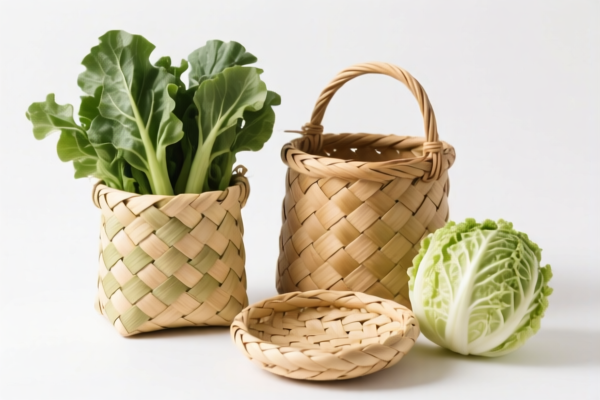
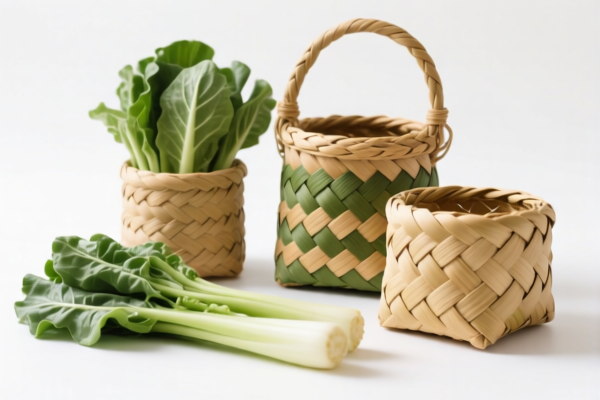
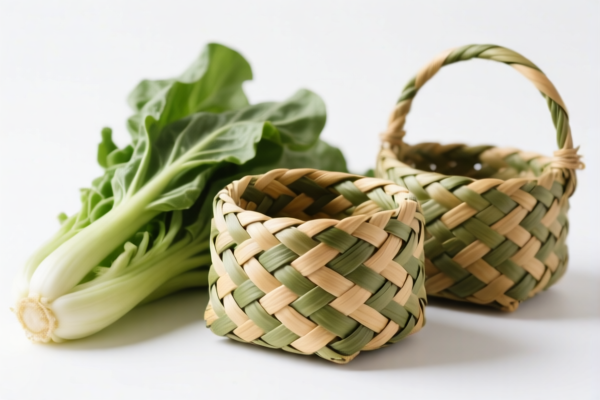
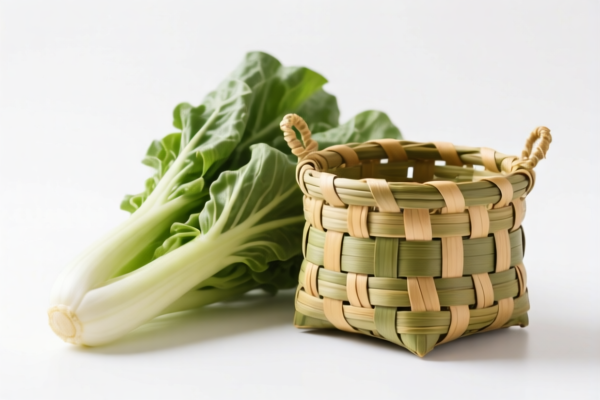
AI Analysis
🌿 Woven Products from Other Plant Materials in Parallel Strands
🌐 HS Code Reference & Customs Clearance Guide | 2026 Latest Tariff Breakdown | Professional Entry Strategy
📌 I. Product Definition & Classification: What Are "Parallel Strand" Plant Materials?
Products described as "Woven from Other Plant Materials in Parallel Strands" refer to raw or semi-finished woven goods made from non-standard botanical fibers (such as rattan, reed, grass, straw, etc.), where the strands are aligned parallel to each other before weaving. These materials are distinct from finished basketry or furniture.
In international trade, classification depends heavily on: 1. Material Composition: Specifically which plant material is used (e.g., Rattan vs. Other Plants). 2. State of Processing: Is it raw material (Strand), partially processed (Woven Matting), or a finished article (Basket)?
⚠️ Key Distinction:
- Raw/Unassembled Strands: Classified under Chapter 14 (Vegetable Plaiting Materials).
- Woven Mats/Strips (Flat): Classified under Chapter 46 (Articles of Plaiting Materials).
- Finished Articles (Baskets/Bags): Classified under Chapter 46 (Finished Woven Articles).
📦 II. HS Code Classification Matrix (2026 Latest Tariff Data)
Based on the provided data, here are the five specific HS Codes and their corresponding tax implications.
| HS Code | Product Description & Scope | Application Scenario | Tax Rate |
|---|---|---|---|
| 1401.20.40.00 | Rattan Strands: Other plant materials (specifically Rattan). Strands in parallel form, used as weaving raw materials. | Raw rattan strands, unprocessed weaving supplies. | 12.0% |
| 1401.90.40.00 | Other Plant Material Strands: Parallel strands made of other plant materials. Raw/semi-finished state. | Reeds, grasses, or other fibers prepared for weaving. | 38.2% |
| 4601.94.40.00 | Woven Mats/Plaits: Other plant materials. Woven in flat form (strands not yet assembled into articles). | Woven mats, wall coverings, or flat woven sheets. | 35.0% |
| 4602.19.80.00 | Finished Woven Articles: Baskets, bags, or similar finished goods made from other plant materials. | Finished baskets, decorative items, storage bags. | 37.3% |
| 4602.19.18.00 | Other Finished Woven Articles: Baskets and bags made from plant materials (catch-all for other finished items). | General finished woven products not elsewhere specified. | 39.5% |
🔍 Critical Insight:
- Raw vs. Finished: The biggest tax jump occurs when moving from Chapter 14 (Raw Materials) to Chapter 46 (Finished/Semi-finished Articles).
- Material Specificity: Rattan (1401.20) enjoys a significantly lower tariff (12%) compared to "Other Plant Materials" (38.2%-39.5%). Precision in describing the botanical source is crucial for cost savings.
💰 III. 2026 Tariff Rate Detailed Breakdown (US Market Focus)
✅ Applicable Market: United States (US)
✅ Origin: China (CN)
✅ Effective Date: Post-2025 Policy Implementation
🎯 1. 1401.20.40.00 – Rattan Strands (Raw Material)
The Most Competitive Option
| Item | Detail |
|---|---|
| Base Duty | 2.0% |
| Section 301 Add-on | 0.0% |
| Section 122 Add-on | 10.0% |
| Total Tax Rate | 12.0% |
| Tax Calculation | CIF Value × 12% |
| De Minimis Exemption | ❌ Not Eligible (Section 301/122 goods typically excluded from de minimis) |
| Legal Basis | USITC:1401.20.40.00 → FOOTNOTE:122 |
📌 Explanation:
- This is the only item in the list with a 0% Section 301 tariff, making it the most cost-effective for importing Rattan raw materials.
- The 10% "Section 122" tariff applies to all plant plaiting materials.
- Strategy: If your product is Rattan, ensure documentation explicitly states "Rattan" to qualify for this lower tier.
🎯 2. 1401.90.40.00 – Other Plant Material Strands (Raw Material)
| Item | Detail |
|---|---|
| Base Duty | 3.2% |
| Section 301 Add-on | 25.0% |
| Section 122 Add-on | 10.0% |
| Total Tax Rate | 38.2% |
| Tax Calculation | CIF Value × 38.2% |
| De Minimis Exemption | ❌ Not Eligible |
| Legal Basis | USITC:1401.90.40.00 → FOOTNOTE:301.88.01 → FOOTNOTE:122 |
📌 Explanation:
- "Other plant materials" (e.g., reed, bamboo strips if not classified as rattan) incur the full 25% Section 301 tariff.
- High tax burden necessitates careful cost absorption or pricing strategy.
🎯 3. 4601.94.40.00 – Woven Mats/Plaits (Semi-Finished)
| Item | Detail |
|---|---|
| Base Duty | 0.0% |
| Section 301 Add-on | 25.0% |
| Section 122 Add-on | 10.0% |
| Total Tax Rate | 35.0% |
| Tax Calculation | CIF Value × 35.0% |
| De Minimis Exemption | ❌ Not Eligible |
| Legal Basis | USITC:4601.94.40.00 → FOOTNOTE:301.88.01 → FOOTNOTE:122 |
📌 Explanation:
- Note the 0% Base Duty, but the 25% Section 301 surcharge drives the total to 35%.
- This category is for flat woven products not assembled into 3D objects.
🎯 4. 4602.19.80.00 – Finished Baskets/Woven Articles (Specific)
| Item | Detail |
|---|---|
| Base Duty | 2.3% |
| Section 301 Add-on | 25.0% |
| Section 122 Add-on | 10.0% |
| Total Tax Rate | 37.3% |
| Tax Calculation | CIF Value × 37.3% |
| De Minimis Exemption | ❌ Not Eligible |
| Legal Basis | USITC:4602.19.80.00 → FOOTNOTE:301.88.01 → FOOTNOTE:122 |
🎯 5. 4602.19.18.00 – Other Finished Baskets/Bags (Catch-All)
| Item | Detail |
|---|---|
| Base Duty | 4.5% |
| Section 301 Add-on | 25.0% |
| Section 122 Add-on | 10.0% |
| Total Tax Rate | 39.5% |
| Tax Calculation | CIF Value × 39.5% |
| De Minimis Exemption | ❌ Not Eligible |
| Legal Basis | USITC:4602.19.18.00 → FOOTNOTE:301.88.01 → FOOTNOTE:122 |
📌 Explanation:
- This is the highest tax rate in the dataset.
- It serves as a "catch-all" for finished woven articles that do not fit more specific subheadings.
- Risk: Misclassifying a specific basket as "Other" can lead to this highest rate. Always check for more specific codes first.
🛠️ IV. Customs Clearance Practical Advice (Avoid Pitfalls)
✅ 1. Documentation Checklist (Essential)
| Document | Required | Notes |
|---|---|---|
| Product Specification Sheet | ✔️ | Must detail plant type (e.g., "Rattan" vs. "Reed"), strand diameter, and weaving density. |
| Photographs | ✔️ | Clear images of the product in its current state (raw strand, woven mat, or finished basket). |
| Commercial Invoice | ✔️ | Must match the HS Code description exactly (e.g., "Rattan Strands" for 1401.20, not just "Plant Material"). |
| Packing List | ✔️ | Distinguish between raw materials and finished goods. |
| Certificate of Origin | ✔️ | Critical for proving origin (China) to apply correct Section 301/122 rates. |
✅ 2. Declaration Tips (Key Mantras)
🔥 "Material Specificity Saves Money: Rattan is Cheaper!"
| Scenario | Correct Declaration | Incorrect Declaration | Consequence |
|---|---|---|---|
| Importing Rattan Strands | 1401.20.40.00 | 1401.90.40.00 ("Other Plant Materials") | Tax Difference: 26.2% (12% vs 38.2%) |
| Importing Woven Mats | 4601.94.40.00 | 4602.19.x.x (Finished Articles) | Overpayment if misclassified as finished; Underpayment if misclassified as raw. |
| Importing Finished Baskets | 4602.19.80.00 or 18 | 1401.90.40.00 (Raw Material) | Severe Penalty: Misdeclaring finished goods as raw materials is fraud. |
✅ 3. Special Considerations
| Situation | Handling Advice |
|---|---|
| Mixed Materials | If the product contains both Rattan and Other Plants, customs may apply the higher rate or require separation. Best to declare the dominant material. |
| "Strand" vs. "Woven" | Ensure the physical state matches the code. If strands are twisted or woven into a mat, it is NOT 1401.xx; it is 4601.xx or 4602.xx. |
| Section 122 Tariff | Applies to all plant plaiting materials. This is non-negotiable. Factor this into your landed cost calculations. |
🌍 V. Global Market Comparison (2026)
| Region | Recommended HS Code | Approx. Duty (China Origin) | Key Requirements |
|---|---|---|---|
| 🇺🇸 USA | See Table Above | 12% – 39.5% (incl. 301/122) | FCC (not applicable), CBP Ruling, Detailed Origin Proof |
| 🇪🇺 EU | 1401 / 4602 | 0% - 6.5% | No Section 301. Lower base duties. |
| 🇨🇳 China | 1401 / 4602 | Varies | Import duties apply, but no Section 301/122. |
| 🇬🇧 UK | 1401 / 4602 | 0% - 12% | Post-Brexit tariffs. Generally lower than US. |
📌 Conclusion:
- The US market is the most expensive due to the combination of Section 301 (25%) and Section 122 (10%).
- Rattan (1401.20) is the only exception to the high Section 301 tariff.
- EU/UK markets offer significantly lower total duties, making them more attractive for high-value woven goods.
📌 VI. Common Errors & Pitfalls (Lessons Learned)
❌ Error 1: Calling Rattan "Other Plant Material"
👉 Result: Paying 38.2% instead of 12%. Loss of 26.2% margin.
✅ Fix: Always specify "Rattan" in commercial invoices and descriptions.
❌ Error 2: Declaring Woven Mats as Raw Strands
👉 Result: Customs detention for misdeclaration. Penalties for undervaluing the processed nature of the good.
✅ Fix: If woven, use 4601.xx or 4602.xx.
❌ Error 3: Ignoring Section 122 Tariff
👉 Result: Underestimating landed costs by 10%.
✅ Fix: Include the 10% Section 122 in all cost calculations for US imports.
❌ Error 4: Misclassifying Finished Baskets as Raw Materials
👉 Result: High-risk customs audit. Potential seizure of goods.
✅ Fix: Clearly distinguish between Raw (1401), Woven Sheets (4601), and Finished Articles (4602).
🎯 VII. Conclusion: Precision Classification = Profit Protection
🎯 Key Takeaways:
🔹 "Rattan is King: Use 1401.20 to save 26%!"
🔹 "Raw vs. Finished: Strands are 1401, Woven are 460x. Never mix them."
🔹 "US Market Tax Shock: Budget for 25% (301) + 10% (122) on top of base duty."
📌 Pro Tip:
If you are importing large volumes of Non-Rattan Plant Strands, consider Value Engineering or Supply Chain Diversification (e.g., sourcing from Vietnam or India if possible, though Section 301 may still apply depending on origin rules). For US-bound goods, Advance Rulings from CBP are highly recommended to confirm HS Code classification before shipment.
📣 Immediate Action:
📞 Consult a Customs Broker to verify your specific material composition.
📄 Label Products Accurately: "100% Rattan Strands" or "Woven Reeds".
🚀 Optimize Your Landed Cost by choosing the correct HS Code from the start!
✨ Professional Clearance Starts with Accurate Classification!
💼 Every Percentage Point Saved is Pure Profit!
Customer Reviews
About HS Code Classification
The Harmonized System (HS) is an internationally standardized nomenclature developed by the World Customs Organization (WCO) to classify traded products. Over 200 countries use the HS system as the basis for customs tariffs, trade statistics, and import/export regulations.
Each HS code follows a hierarchical structure:
- Chapter (2 digits) — Broad category of goods (e.g., Chapter 84: Machinery and Mechanical Appliances)
- Heading (4 digits) — More specific grouping within the chapter
- Subheading (6 digits) — Internationally standardized breakdown, used by all WCO member countries
- National subdivisions (8-10 digits) — Country-specific extensions for further classification, such as US HTSUS 10-digit codes
Correct HS code classification is essential for smooth customs clearance, accurate duty payment, and compliance with trade regulations. Misclassification can lead to customs delays, overpayment of duties, or penalties.
When importing from CN to US, the applicable tariff rates may include:
- Most-Favored-Nation (MFN) rate — The standard duty rate applied to WTO members
- General rate — Applied to countries without trade agreements
- Trade remedy duties — Additional tariffs such as Section 301 (anti-dumping), Section 232 (national security), or countervailing duties
The information provided on this page is for reference purposes only. For official classification, please consult with your local customs authority or a licensed customs broker.