Woven Rattan Chair
CN → US| HS Code | Tariff Rate | Origin | Destination | Doc |
|---|---|---|---|---|
| 9403830030 | 35.0% | CN | US | Official Doc |
| 4602124500 | 41.6% | CN | US | Official Doc |
| 9401530000 | 35.0% | CN | US | Official Doc |
Product Images
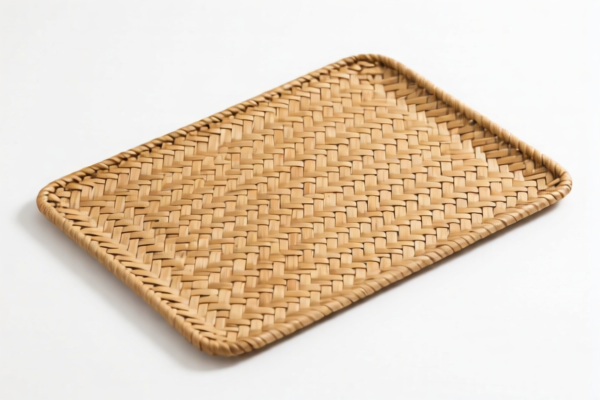
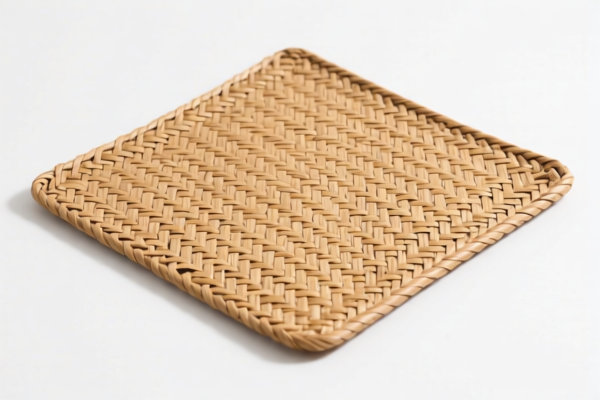
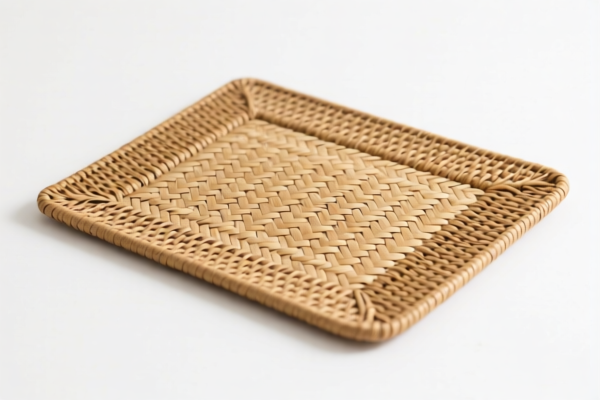
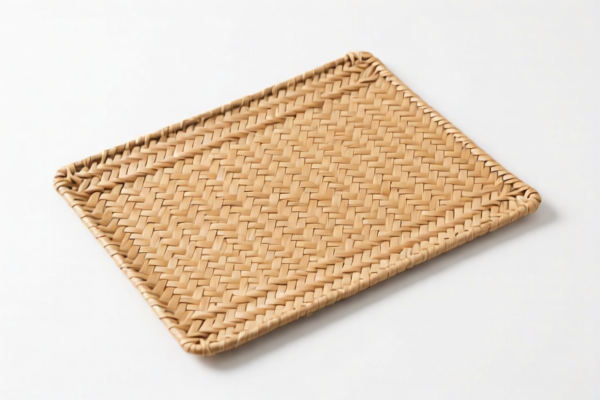
AI Analysis
🪑 Woven Rattan Chair (Outdoor Armchair)
🌐 HS Code Reference & Customs Clearance Guide | 2026 Latest Tariff Analysis | Strategic Entry Strategy for US Imports
📌 I. Product Definition & Classification: Is It Furniture or Woven Goods?
The "Woven Rattan Outdoor Armchair" sits at a critical intersection in the Harmonized Tariff Schedule (HTSUS). Its classification depends entirely on whether the U.S. Customs and Border Protection (CBP) views it primarily as a piece of furniture (Chapter 94) or a woven article/manufacture (Chapter 46).
Two Primary Pathways:
-
As Furniture (Heading 94):
- 9403.83.00.30: Other furniture, of rattan or other vegetable materials.
- 9401.53.00.00: Seats, whether or without upholstery, of woven materials.
- Logic: The primary function is seating (furniture), and rattan is recognized as a vegetable material suitable for furniture making.
-
As Woven Manufactures (Heading 46):
- 4602.12.45.00: Baskets and other articles of basket-weaving materials (including woven) shaped or formed.
- Logic: The product is seen primarily as an article formed by weaving vegetable materials, rather than engineered furniture.
⚠️ Critical Distinction Point:
- If the chair is constructed with a frame, legs, and armrests designed specifically for human seating ergonomics → Likely Chapter 94 (Furniture).
- If the chair is essentially a woven basket structure or lacks distinct furniture components → Likely Chapter 46 (Woven Goods).
- Risk: Misclassification can lead to significant duty differences (35% vs. 41.6%) and potential delays.
📦 II. HS Code Classification Details (Based on Provided Data)
| HS Code | Product Description | Category | Key Characteristics |
|---|---|---|---|
9403.83.00.30 |
Woven Rattan Outdoor Armchair, Material: Rattan, Form: Armchair, Category: Furniture | Furniture | Classified under "Other furniture of rattan or other vegetable materials." |
9401.53.00.00 |
Woven Rattan Outdoor Armchair, Material: Rattan, Use: Seat, Meets Classification Requirements | Seats | Classified under "Seats of woven materials." |
4602.12.45.00 |
Woven Rattan Outdoor Armchair, Material: Rattan, Form: Armchair, Category: Woven Articles | Woven Goods | Classified under "Baskets and other articles of basket-weaving materials." |
🔍 Important Note:
- All three codes apply to the same physical product ("Woven Rattan Outdoor Armchair").
- The difference lies in the legal interpretation of the product's primary characteristic by CBP.
- Code4602.12.45.00carries the highest tax burden.
💰 III. 2026 Latest Tariff Rate Breakdown (Including Surtaxes)
✅ Applicable Country: United States (US)
✅ Country of Origin: China (CN) (Inferred from "122 Section Tariff" and typical US-China trade context in such datasets)
✅ Effective Date: Current (Post-2024 Trade Policies)
🎯 1. 9403.83.00.30 — Other Furniture of Rattan/Vegetable Materials
| Item | Content |
|---|---|
| Base Duty Rate | 0.0% (ad valorem) |
| Section 301 Surcharge | +25.0% (Additional Duty) |
| Section 122 Tariff | +10.0% (Specific punitive tariff) |
| Total Effective Rate | 35.0% |
| Tax Calculation | CIF Value × 35% |
| De Minimis Exemption | ❌ Not Applicable (Section 321 does not apply to goods subject to Section 301 or Section 122 surcharges) |
| Legal Basis | HTSUS 9403.83.00.30 + USITC Footnotes + Executive Orders on Section 122 |
📌 Explanation:
- Base Duty 0%: Rattan furniture often enjoys low base duties under free trade principles or specific agricultural/material exemptions.
- Section 301 (25%): Standard additional tariff on Chinese manufactured goods.
- Section 122 (10%): A punitive tariff applied to certain goods from China, often targeting specific industrial or consumer categories.
- Total 35%: This is the standard risk rate for rattan furniture.
🎯 2. 9401.53.00.00 — Seats of Woven Materials
| Item | Content |
|---|---|
| Base Duty Rate | 0.0% (ad valorem) |
| Section 301 Surcharge | +25.0% (Additional Duty) |
| Section 122 Tariff | +10.0% (Specific punitive tariff) |
| Total Effective Rate | 35.0% |
| Tax Calculation | CIF Value × 35% |
| De Minimis Exemption | ❌ Not Applicable |
| Legal Basis | HTSUS 9401.53.00.00 + USITC Footnotes + Executive Orders on Section 122 |
📌 Explanation:
- Identical Tax Structure to 9403.83.00.30.
- Both fall under Chapter 94 (Furniture/Furniture Parts).
- CBP may prefer9403for armchairs because "Armchair" is a specific furniture type, whereas9401is broader ("Seats"). However, the tax outcome is the same.
🎯 3. 4602.12.45.00 — Baskets and Other Woven Articles
| Item | Content |
|---|---|
| Base Duty Rate | 6.6% (ad valorem) |
| Section 301 Surcharge | +25.0% (Additional Duty) |
| Section 122 Tariff | +10.0% (Specific punitive tariff) |
| Total Effective Rate | 41.6% |
| Tax Calculation | CIF Value × 41.6% |
| De Minimis Exemption | ❌ Not Applicable |
| Legal Basis | HTSUS 4602.12.45.00 + USITC Footnotes + Executive Orders on Section 122 |
📌 Critical Warning:
- Base Duty is 6.6%, not 0%. This is the key difference.
- Total Tax is 41.6%, which is 6.6 percentage points higher than the furniture classifications.
- This classification is often used if CBP argues the item is "basketry" rather than "furniture."
- Avoid this code unless necessary, as it increases landed cost.
🛠️ IV. Customs Clearance Practical Advice (Real-World Pitfall Guide)
✅ 1. Documentation Checklist (Non-Negotiable)
| Document | Required? | Purpose |
|---|---|---|
| ✅ Product Specification Sheet | ✔️ | Must detail: Material (100% Rattan/PE Rattan?), Dimensions, Weight, Intended Use (Indoor/Outdoor). |
| ✅ High-Res Photos | ✔️ | Show the structure: Frame, legs, armrests. Proves it’s a "chair," not a "basket." |
| ✅ Commercial Invoice | ✔️ | Clearly state: "Woven Rattan Outdoor Armchair," HS Code, Unit Price, Total Value. |
| ✅ Packing List | ✔️ | Confirm quantity and packaging type. |
| ✅ Country of Origin Certificate | ✔️ | Required for Section 301/122 duty determination. |
| ✅ Structure Diagram | ✔️ | If challenged, provide a cutaway or exploded view to prove furniture construction. |
✅ 2. Classification Strategy (Key Tactics)
🔥 Golden Rule: "Frame = Furniture, Basket = Woven Good."
| Scenario | Recommended HS Code | Reasoning |
|---|---|---|
| Chair has a distinct frame, legs, and armrests | 9403.83.00.30 |
Clearly "Furniture." Lower base duty (0%). |
| Chair is woven material but lacks rigid frame | 9401.53.00.00 |
Still "Seat," but may be challenged. Same tax as 9403. |
| Chair looks like a large woven basket or stool | 4602.12.45.00 |
High risk of 41.6% duty. Avoid if possible. |
| Mixed materials (Wood Frame + Rattan Weave) | 9403.83.00.30 |
Primary material for classification is usually the structural element (Rattan is still accepted under 9403.83). |
✅ 3. Special Considerations
| Situation | Advice |
|---|---|
| PE Rattan vs. Natural Rattan | If it's "PE Rattan" (polyethylene), it may be classified as Plastic Furniture (3926) or 9403.83 depending on construction. Natural Rattan is safer under 9403.83.00.30. |
| Section 122 Tariff | This 10% surcharge is non-negotiable for Chinese-origin goods under this classification. Budget for it. |
| De Minimis (Section 321) | Do not rely on $800 de minimis exemption. Section 301 and Section 122 duties exceed the de minimis threshold and must be paid at entry. |
| Pre-Ruling | Consider applying for a Binding Ruling from CBP if the structure is ambiguous. This provides legal certainty. |
🌍 V. Global Market Comparison (2026)
| Market | Recommended HS Code | Est. Total Duty | Notes |
|---|---|---|---|
| 🇺🇸 USA | 9403.83.00.30 |
35.0% | High due to Sec 301 + Sec 122. |
| 🇨🇳 China | 9403.83.00.30 |
Low | Import duty ~10-14% (varies by type). No Sec 301/122. |
| 🇪🇺 EU | 9403.83 |
~3-5% | Generally low. No punitive surcharges like US. |
| 🇬🇧 UK | 9403.83 |
~3-5% | Post-Brexit tariffs similar to EU for many goods. |
| 🇯🇵 Japan | 9403.83 |
~8-10% | Moderate. No US-style punitive tariffs. |
📌 Conclusion:
- The US market is the most expensive due to layered punitive tariffs (301 + 122).
- EU/UK/JP are significantly more favorable for Chinese rattan exports.
📌 VI. Common Errors & Pitfalls (Blood Lessons)
❌ Error 1: Classifying as 4602.12.45.00 (Woven Goods)
👉 Consequence: You pay 41.6% instead of 35.0%. Unnecessary cost increase!
❌ Error 2: Assuming De Minimis Applies
👉 Consequence: CBP will deny the $800 exemption and assess full duties + penalties. Shipment delayed!
❌ Error 3: Vague Description on Invoice ("Chair")
👉 Consequence: CBP may classify based on "worst case" or audit for additional duties. Ambiguity = Risk.
❌ Error 4: Ignoring Section 122
👉 Consequence: Under-declaring value by omitting the 10% surcharge calculation. Audit flag!
✅ Correct Approach:
Declare as: "Outdoor Woven Rattan Armchair, Natural Rattan Frame, Cushioned Seat, Model XYZ, Made in China."
HS Code:9403.83.00.30
Duty: 35% (0% Base + 25% 301 + 10% 122)
🎯 VII. Conclusion: Smart Classification, Smarter Profits
🎯 Key Takeaways:
🔹 Aim for
9403.83.00.30— It’s the safest, lowest-duty furniture classification.
🔹 Avoid4602.12.45.00— It’s a trap that adds 6.6% to your costs.
🔹 Budget 35% Total Duty — Plan your margin accordingly.
🔹 Document Everything — Photos and specs are your best defense against CBP audits.
📌 Pro Tip:
If you are importing large volumes, consider supply chain diversification to Vietnam or Indonesia. Products originating from these countries may be exempt from Section 301 and Section 122 tariffs, reducing your duty to 0% base rate.
📣 Take Action Now:
📞 Consult a Customs Broker to confirm classification.
🖼️ Gather Product Photos showing the frame structure.
📄 Prepare Accurate Invoices with clear descriptions.
🚀 Minimize Duty, Maximize Profit!
✨ Professional Clearance Starts with Accurate Classification!
💼 Every Percentage Point Saved is Pure Profit!
Customer Reviews
About HS Code Classification
The Harmonized System (HS) is an internationally standardized nomenclature developed by the World Customs Organization (WCO) to classify traded products. Over 200 countries use the HS system as the basis for customs tariffs, trade statistics, and import/export regulations.
Each HS code follows a hierarchical structure:
- Chapter (2 digits) — Broad category of goods (e.g., Chapter 84: Machinery and Mechanical Appliances)
- Heading (4 digits) — More specific grouping within the chapter
- Subheading (6 digits) — Internationally standardized breakdown, used by all WCO member countries
- National subdivisions (8-10 digits) — Country-specific extensions for further classification, such as US HTSUS 10-digit codes
Correct HS code classification is essential for smooth customs clearance, accurate duty payment, and compliance with trade regulations. Misclassification can lead to customs delays, overpayment of duties, or penalties.
When importing from CN to US, the applicable tariff rates may include:
- Most-Favored-Nation (MFN) rate — The standard duty rate applied to WTO members
- General rate — Applied to countries without trade agreements
- Trade remedy duties — Additional tariffs such as Section 301 (anti-dumping), Section 232 (national security), or countervailing duties
The information provided on this page is for reference purposes only. For official classification, please consult with your local customs authority or a licensed customs broker.