Woven Rattan Mat
CN → US| HS Code | Tariff Rate | Origin | Destination | Doc |
|---|---|---|---|---|
| 4602193500 | 35.0% | CN | US | Official Doc |
| 4602194500 | 41.6% | CN | US | Official Doc |
| 1404909090 | 35.0% | CN | US | Official Doc |
| 1404904000 | 37.3% | CN | US | Official Doc |
| 4601294000 | 38.3% | CN | US | Official Doc |
| 4601942000 | 41.6% | CN | US | Official Doc |
Product Images
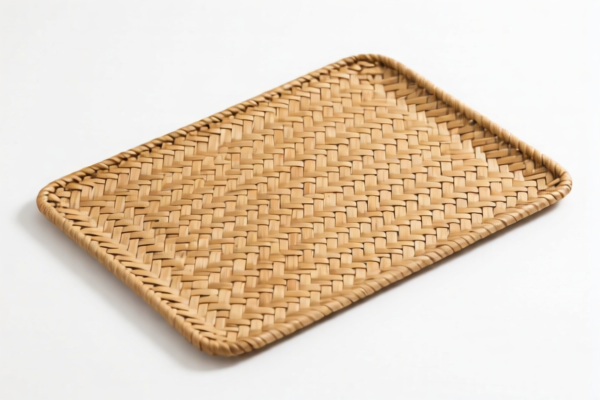
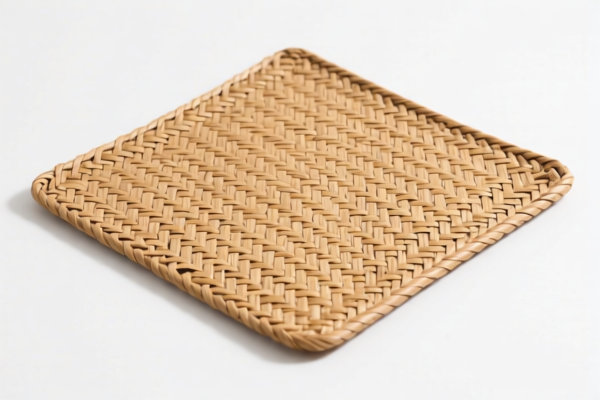
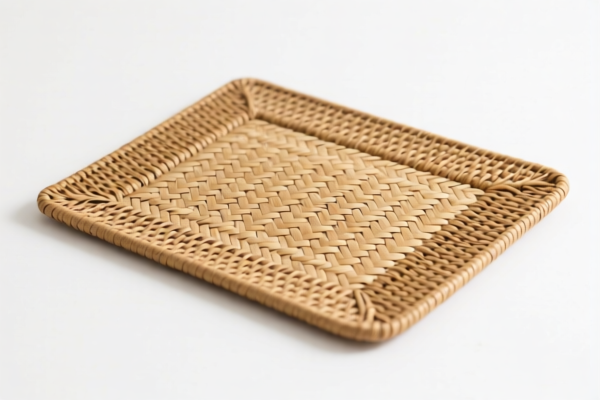
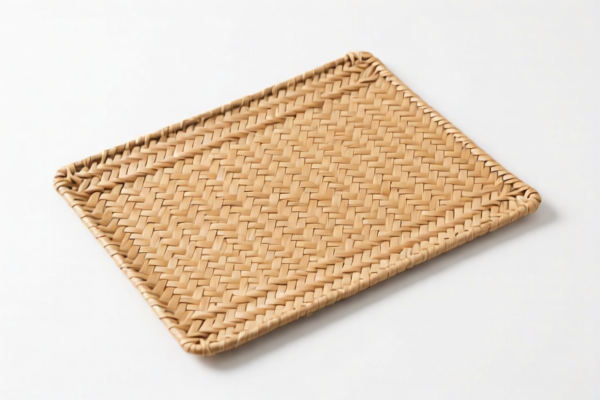
AI Analysis
🌿 Woven Rattan Mat (Raw Material)
🌐 HS Code Reference & Customs Clearance Guide | 2026 Latest Tariff Analysis | Professional Strategy for US Import
📌 I. Product Definition & Classification: What Exactly is "Woven Rattan Mat Raw Material"?
Woven rattan mats, specifically in their raw material form, are products made from natural plant fibers (rattan) that are woven or prepared for weaving. In international trade, the classification depends heavily on the state of processing and the specific description of the raw material.
⚠️ Key Distinction:
- If the rattan is merely cut/processed but not yet woven into a final mat structure → It may fall under Chapter 14 (Vegetable Plaiting Materials) or Chapter 46 (Prepared vegetable materials for plaiting).
- If the rattan is already woven into a mat-like structure, even if incomplete → It falls under Chapter 46 (Woven Plaiting Materials).📌 Critical Note for Raw Materials:
The term "Raw Material" implies the item is not a finished consumer good. Therefore, it is classified based on its material composition and form (e.g., strips, strands, or partially woven sheets).
📦 II. HS Code Classification Details (2026 Latest Tariff Authority Comparison)
| HS Code | Product Description | Applicable Scenario | Form/State |
|---|---|---|---|
4602.19.35.00 |
Woven rattan mat raw material, material: rattan, form: raw material, fits classification of rattan or wood-woven articles. | Partially woven rattan strips intended for further assembly into mats. | 🌿 Partially Woven |
4602.19.45.00 |
Woven rattan mat raw material, material: rattan, form: raw material, fits primary form attribute of weaving materials. | Primary form weaving materials, likely unprocessed or minimally processed rattan strips. | 🌿 Primary Form |
1404.90.90.90 |
Woven rattan mat raw material, material: plant rattan, form: other plant products, fits non-specific use plant material. | General vegetable plaiting materials not specifically provided for elsewhere. | 🌱 Vegetable Material |
1404.90.40.00 |
Woven rattan mat raw material, material: plant rattan, form: other plant products, fits plant material attribute. | Specific category under Chapter 14 for other plant materials used in plaiting. | 🌱 Plant Material |
4601.29.40.00 |
Woven rattan mat raw material, material: rattan, form: primary form of woven or partly assembled plant materials. | Prepared plaiting materials, ready for assembly into mats or other woven goods. | 🌿 Prepared Plaiting |
4601.94.20.00 |
Woven rattan mat raw material, material: rattan, form: mat, fits woven material form attribute. | Already formed into a mat shape, even if considered "raw" for final finishing. | 🌿 Mat Form |
🔍 重点提醒 (Key Reminder):
- The classification hinges on whether the rattan is Chapter 14 (Vegetable Plaiting Materials) or Chapter 46 (Woven Plaiting Materials).
- Chapter 46 generally applies if the material is woven or partially assembled.
- Chapter 14 applies if it is just vegetable material prepared for plaiting but not yet woven.
💰 III. 2026 Latest Tariff Rate Details (Including Surtaxes, Policy Surcharges)
✅ Applicable Country: USA (US)
✅ Origin: China (CN)
✅ Effective Date: Post-2025 Trade Policies (Including Section 301 & IEEPA)
🎯 1. 4602.19.35.00 —— Woven Rattan Mat Raw Material (Partially Woven)
| Item | Content |
|---|---|
| Base Tariff | 0% (ad valorem) |
| Section 301 Surcharge | +25% |
| IEEPA Surcharge | +10% (China/HK specific) |
| Total Tariff Rate | 35.0% |
| Tax Calculation | CIF Value × 35% |
| De Minimis Exemption? | ❌ No (denied) |
| Legal Basis Path | IEEPA:9903.01.25 → IEEPA:9903.01.24 → USITC:4602.19.35.00 → FOOTNOTE:301 |
📌 Explanation:
- Base Rate 0%: Standard MFN rate for woven rattan articles.
- Section 301 25%: Applies to all Chinese-origin rattan/plaiting materials under certain HTS codes.
- IEEPA 10%: Additional surcharge on specific Chinese goods under Executive Order.
- Total 35%: High burden, must be factored into cost structure.
🎯 2. 4602.19.45.00 —— Woven Rattan Mat Raw Material (Primary Form)
| Item | Content |
|---|---|
| Base Tariff | 6.6% |
| Section 301 Surcharge | +25% |
| IEEPA Surcharge | +10% |
| Total Tariff Rate | 41.6% |
| Tax Calculation | CIF Value × 41.6% |
| De Minimis Exemption? | ❌ No |
| Legal Basis Path | IEEPA:9903.01.25 → IEEPA:9903.01.24 → USITC:4602.19.45.00 → FOOTNOTE:301 |
📌 Note:
- Higher base rate (6.6%) leads to a higher total tariff.
- Applies to rattan in "primary form" for weaving.
🎯 3. 1404.90.90.90 —— Other Plant Products (Rattan)
| Item | Content |
|---|---|
| Base Tariff | 0% |
| Section 301 Surcharge | +25% |
| IEEPA Surcharge | +10% |
| Total Tariff Rate | 35.0% |
| Tax Calculation | CIF Value × 35% |
| De Minimis Exemption? | ❌ No |
| Legal Basis Path | IEEPA:9903.01.25 → IEEPA:9903.01.24 → USITC:1404.90.90.90 → FOOTNOTE:301 |
📌 Explanation:
- Falls under Chapter 14 (Vegetable Plaiting Materials).
- Same surcharges apply as for Chapter 46 if originating from China.
🎯 4. 1404.90.40.00 —— Other Plant Products (Specific Category)
| Item | Content |
|---|---|
| Base Tariff | 2.3% |
| Section 301 Surcharge | +25% |
| IEEPA Surcharge | +10% |
| Total Tariff Rate | 37.3% |
| Tax Calculation | CIF Value × 37.3% |
| De Minimis Exemption? | ❌ No |
| Legal Basis Path | IEEPA:9903.01.25 → IEEPA:9903.01.24 → USITC:1404.90.40.00 → FOOTNOTE:301 |
📌 Note:
- Slightly higher base rate results in 37.3% total.
🎯 5. 4601.29.40.00 —— Prepared Plaiting Materials
| Item | Content |
|---|---|
| Base Tariff | 3.3% |
| Section 301 Surcharge | +25% |
| IEEPA Surcharge | +10% |
| Total Tariff Rate | 38.3% |
| Tax Calculation | CIF Value × 38.3% |
| De Minimis Exemption? | ❌ No |
| Legal Basis Path | IEEPA:9903.01.25 → IEEPA:9903.01.24 → USITC:4601.29.40.00 → FOOTNOTE:301 |
📌 Explanation:
- Prepared plaiting materials are subject to 301 tariffs.
🎯 6. 4601.94.20.00 —— Rattan Mats (Woven)
| Item | Content |
|---|---|
| Base Tariff | 6.6% |
| Section 301 Surcharge | +25% |
| IEEPA Surcharge | +10% |
| Total Tariff Rate | 41.6% |
| Tax Calculation | CIF Value × 41.6% |
| De Minimis Exemption? | ❌ No |
| Legal Basis Path | IEEPA:9903.01.25 → IEEPA:9903.01.24 → USITC:4601.94.20.00 → FOOTNOTE:301 |
📌 Note:
- This code is for woven rattan mats in mat form.
- High total tariff (41.6%) due to base rate + surcharges.
🛠️ IV. Customs Clearance Practical Advice (Real-World Pitfall Avoidance Guide)
✅ 1. Required Documentation Checklist (Mandatory)
| Document | Must Provide | Description |
|---|---|---|
| ✅ Product Specification Sheet | ✔️ | Details on material (rattan species), dimensions, weave pattern, treatment (e.g., bleached, dyed). |
| ✅ Material Safety Data Sheet (MSDS) | ✔️ | If treated with chemicals (e.g., preservatives). |
| ✅ Photos of Product | ✔️ | Clear images showing texture, weave, and any labels. |
| ✅ Commercial Invoice | ✔️ | Must accurately describe as "Woven Rattan Mat Raw Material" or "Rattan Plaiting Material". |
| ✅ Packing List | ✔️ | Weight, dimensions, and quantity of each batch. |
| ✅ Certificate of Origin (CO) | ✔️ | Crucial for proving Chinese origin (triggers surcharges) or potential exemptions if re-shipped from third country. |
✅ 2. Declaration Tips (Key Mantra)
🔥 "Describe Form, Declare Material, Avoid 'Finished Goods'!"
| Scenario | Correct Declaration | Wrong Practice |
|---|---|---|
| Raw Rattan Strips | 1404.90.90.90 or 1404.90.40.00 |
Calling it "Rattan Mat" → Risk of misclassification |
| Partially Woven Sheets | 4601.29.40.00 or 4602.19.35.00 |
Calling it "Finished Mat" → Higher tariff, compliance risk |
| Fully Woven Mats | 4602.19.45.00 or 4601.94.20.00 |
Calling it "Raw Material" → Inconsistent with form |
📌 Critical Warning:
- Do NOT misdeclare partially woven rattan as "Finished Mats" to avoid certain inspections, as this can lead to penalties and delays.
- Ensure the HS Code matches the physical state of the goods at the time of import.
✅ 3. Special Handling for Raw Materials
| Scenario | Handling Advice |
|---|---|
| Rattan from Non-China Origin | If sourced from Vietnam, Indonesia, etc., apply for preferential tariff if applicable (check FTA agreements). |
| Treated Rattan (Chemical) | Declare chemical treatment process; may require additional EPA/USDA compliance. |
| Mixed Materials (Rattan + Synthetic) | If >50% natural rattan, may still qualify for Chapter 46/14, but must disclose synthetic component. |
| Bales or Bundles | Ensure packing is secure; loose rattan may be subject to phytosanitary inspection. |
🌍 V. Global Market Customs Comparison (2026 Latest)
| Country/Region | Recommended HS Code | Tariff (China Origin) | Certification Required | Notes |
|---|---|---|---|---|
| 🇺🇸 USA | 4602.19.35.00 / 1404.90.90.90 |
35% - 41.6% | None specific, but FDA/USDA may inspect | High surcharges due to Section 301 & IEEPA |
| 🇨🇳 China | 4602.19.35.00 / 1404.90.90.90 |
0% - 6.6% | CCC (if consumer good) | No surcharges for domestic trade |
| 🇪🇺 EU | 4602.19.00 |
6.5% | None specific | No 301 surcharges; lower base rates |
| 🇬🇧 UK | 4602.19.00 |
6.5% | None specific | Post-Brexit, aligned with EU rates mostly |
| 🇯🇵 Japan | 4602.19.00 |
0% - 3.4% | None specific | Low tariffs under JETPA |
📌 Conclusion:
- USA is the most challenging market for Chinese rattan raw materials due to 35%+ effective tariffs.
- Consider supply chain diversification (e.g., sourcing rattan from Indonesia/Vietnam) to mitigate tariff risks.
📌 VI. Common Errors & Pitfall Avoidance (Lessons Learned)
❌ Error 1: Declaring "Rattan Strips" as "Finished Rattan Mats"
👉 Consequence: Misclassification, potential fines, and duty evasion charges.
❌ Error 2: Ignoring Section 301 applicability
👉 Consequence: Underpayment of duties → Back taxes + Interest.
❌ Error 3: Failing to disclose chemical treatments
👉 Consequence: USDA/FDA hold on shipment, potential destruction.
❌ Error 4: Using vague descriptions like "Plaiting Material" without specificity
👉 Consequence: Customs may assign higher default tariff rates.
✅ Correct Practice:
"Woven Rattan Mat Raw Material, 100% Natural Rattan, Partially Woven, Bleached, for Manufacturing Decorative Mats, HS 4602.19.35.00"
🎯 VII. Conclusion: Professional Declaration, Cost Control, Efficiency!
🎯 Remember the Mantra:
🔹 "Form Determines Code, Origin Determines Tariff, Description Must Match!"
🔹 "35% is the Floor, 41% is the Ceiling for Rattan – Plan Accordingly!"
📌 Pro Tip:
If your rattan raw material is sourced from ASEAN countries (Vietnam, Indonesia, Thailand), check if USMCA or ASEAN-US Trade Agreements offer tariff exemptions.
Consider applying for a Binding Ruling from US Customs to confirm HS Code classification before shipment.
📣 Immediate Action:
📞 Contact a Licensed Customs Broker + Provide Product Photos + Request HS Code Advance Ruling
🚀 Ensure Your Rattan Mat Raw Materials Clear US Customs Smoothly, Minimize Duties, and Maximize Profit!
✨ Professional Customs Clearance Starts with Accurate Classification!
💼 Every Dollar of Tariff Saved is Pure Profit!
Customer Reviews
About HS Code Classification
The Harmonized System (HS) is an internationally standardized nomenclature developed by the World Customs Organization (WCO) to classify traded products. Over 200 countries use the HS system as the basis for customs tariffs, trade statistics, and import/export regulations.
Each HS code follows a hierarchical structure:
- Chapter (2 digits) — Broad category of goods (e.g., Chapter 84: Machinery and Mechanical Appliances)
- Heading (4 digits) — More specific grouping within the chapter
- Subheading (6 digits) — Internationally standardized breakdown, used by all WCO member countries
- National subdivisions (8-10 digits) — Country-specific extensions for further classification, such as US HTSUS 10-digit codes
Correct HS code classification is essential for smooth customs clearance, accurate duty payment, and compliance with trade regulations. Misclassification can lead to customs delays, overpayment of duties, or penalties.
When importing from CN to US, the applicable tariff rates may include:
- Most-Favored-Nation (MFN) rate — The standard duty rate applied to WTO members
- General rate — Applied to countries without trade agreements
- Trade remedy duties — Additional tariffs such as Section 301 (anti-dumping), Section 232 (national security), or countervailing duties
The information provided on this page is for reference purposes only. For official classification, please consult with your local customs authority or a licensed customs broker.