Woven Rattan Roll
CN → US| HS Code | Tariff Rate | Origin | Destination | Doc |
|---|---|---|---|---|
| 4601218000 | 35.0% | CN | US | Official Doc |
| 4601214000 | 38.3% | CN | US | Official Doc |
| 4602114500 | 41.6% | CN | US | Official Doc |
Product Images
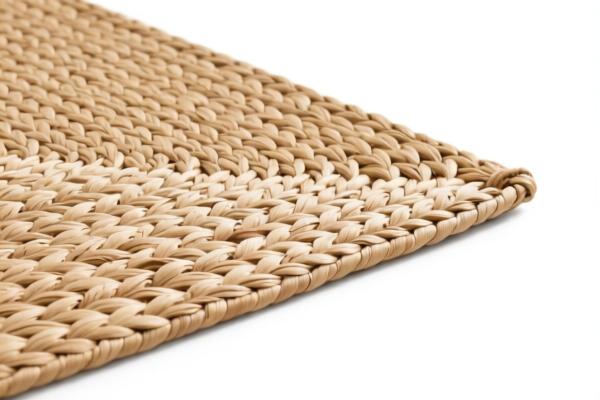
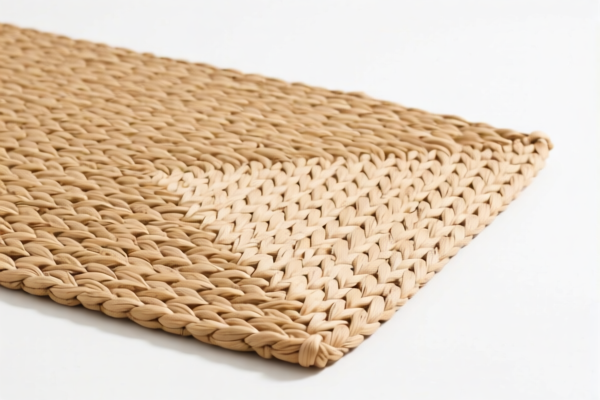
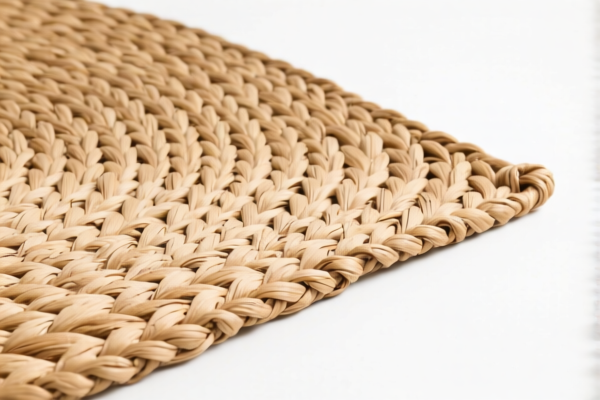
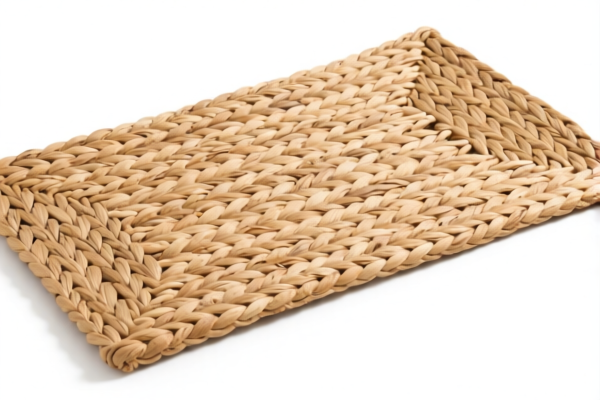
AI Analysis
🎋 Woven Rattan Roll (Woven Bamboo/Rattan Products)
🌐 HS Code Reference & Customs Clearance Guide | 2026 Latest Tariff Analysis | Professional Entry Strategy
📌 I. Product Definition & Classification: Do You Truly Understand "Woven Rattan"?
Woven Rattan Roll, often interchangeably referred to as "Woven Bamboo Mat" in customs contexts due to similar material classifications, represents a specific category of handicrafts and home décor materials. In international trade, it is primarily classified under Chapter 46: Plaiting Materials and Articles of Plaiting Materials.
The key distinction lies in the manufacturing process and structure:
- Woven Mats/Rolls (Heading 4601): Products where the material (rattan/bamboo) is woven into a flexible sheet or roll. This includes flat weaving, twilling, or braiding that results in a mat-like structure.
- Basketry/Articles (Heading 4602): Products that are constructed from woven materials but have a specific three-dimensional shape (e.g., baskets, boxes) or are "made up" from pre-woven strips.
⚠️ Key Distinction Point:
- If the product is a flexible sheet/roll resulting directly from weaving → It belongs to 4601.21.xxxx (Woven mats and matting).
- If the product is a finished container or assembled item made of woven materials → It belongs to 4602.11.xxxx (Articles of basketry, wickerwork, etc.).
📦 II. HS Code Classification Details (2026 Latest Tariff Authority对照)
Based on the input data provided, here are the three most likely HS Codes for "Woven Rattan Roll" (classified under Bamboo/Rattan woven materials), with their corresponding tax implications for imports into the United States from China.
| HS Code | Product Description | Application Scenario | Tax Rate (Total) |
|---|---|---|---|
4601.21.80.00 |
Woven mats of bamboo, other than of bamboo strips. | General woven rattan/bamboo rolls, decorative mats. | 35.0% |
4601.21.40.00 |
Woven mats of bamboo, of bamboo strips. | Thinner, strip-like woven rattan/bamboo rolls. | 38.3% |
4602.11.45.00 |
Baskets, basketware and other articles of wickerwork, woven of bamboo. | If classified as "wickerwork articles" rather than plain mats. | 41.6% |
🔍 Critical Reminder:
- 4601.21.xxxx: Specifically targets Woven Mats (flexible sheets/rolls). This is the most common classification for "Rattan Rolls" used for wrapping, screening, or flooring underlay.
- 4602.11.xxxx: Targets Wickerwork Articles. If your "roll" is pre-cut into baskets or rigid shapes, it might fall here. However, a roll implies a flat, flexible sheet, making 4601 the more logical fit unless stated otherwise.
- The choice between4601.21.80.00and4601.21.40.00often depends on whether the rattan is processed into uniform strips (40) or other forms (80).
💰 III. 2026 Latest Tariff Rate Breakdown (Including Surtaxes & Policy Add-ons)
✅ Applicable Country: United States (US)
✅ Origin: China (CN)
✅ Effective Date: Post-November 2025 (Continued enforcement of trade measures)
🎯 1. 4601.21.80.00 —— Woven Bamboo/Rattan Mats (Other Forms)
| Item | Detail |
|---|---|
| Base Tariff | 0.0% (Ad Valorem) |
| Section 301 Surcharge | +25.0% |
| Section 122 Surcharge | +10.0% |
| Total Effective Rate | 35.0% |
| Tax Calculation | CIF Value × 35% |
| De Minimis Exemption | ❌ Not Applicable (deny_de_minimis) |
| Legal Basis | USITC:4601.21.80.00 + Section 301 + Section 122 |
📌 Explanation:
- Base Tariff 0%: Woven mats typically have low base rates.
- 301 Tariff (+25%): Standard US-China trade war surcharge on Chapter 46 items.
- Section 122 (+10%): Additional duty under Section 122 of the Trade Expansion Act of 1962 (often applied to specific imports or as part of broader trade enforcement).
- Total 35%: This is a high-cost category. Importers must factor this into pricing.
🎯 2. 4601.21.40.00 —— Woven Bamboo/Rattan Mats (Of Strips)
| Item | Detail |
|---|---|
| Base Tariff | 3.3% |
| Section 301 Surcharge | +25.0% |
| Section 122 Surcharge | +10.0% |
| Total Effective Rate | 38.3% |
| Tax Calculation | CIF Value × 38.3% |
| De Minimis Exemption | ❌ Not Applicable (deny_de_minimis) |
| Legal Basis | USITC:4601.21.40.00 + Section 301 + Section 122 |
📌 Note:
- Slightly higher base tariff (3.3%) makes this category more expensive than4601.21.80.00.
- Applies to rattan/bamboo processed into thin, uniform strips.
🎯 3. 4602.11.45.00 —— Wickerwork Articles (Baskets)
| Item | Detail |
|---|---|
| Base Tariff | 6.6% |
| Section 301 Surcharge | +25.0% |
| Section 122 Surcharge | +10.0% |
| Total Effective Rate | 41.6% |
| Tax Calculation | CIF Value × 41.6% |
| De Minimis Exemption | ❌ Not Applicable (deny_de_minimis) |
| Legal Basis | USITC:4602.11.45.00 + Section 301 + Section 122 |
📌 Warning:
- This is the highest tax bracket (41.6%) among the three.
- If your product is clearly a "roll" (mat), misclassifying it as a "basket/article" (4602) will not save money; it will increase your tax burden.
- Always choose 4601 for rolls/mats unless the item is a 3D woven container.
🛠️ IV. Customs Clearance Practical Advice (Pitfall Avoidance Guide)
✅ 1. Documentation Checklist (Mandatory)
| Document | Required | Description |
|---|---|---|
| ✅ Product Specification | ✔️ | Detail material: "Natural Rattan," "Bamboo Strips," or "Synthetic Blend." |
| ✅ Photos (Clear) | ✔️ | Show the woven structure, edges, and packaging. Prove it is a "roll" (flexible), not a rigid basket. |
| ✅ Commercial Invoice | ✔️ | Clearly state: "Woven Rattan Rolls, HS 4601.21.80.00" |
| ✅ Packing List | ✔️ | List net/gross weight and dimensions per roll. |
| ✅ Origin Certificate | ✔️ | If applicable, to prove Chinese origin (subject to surcharges). |
✅ 2. Declaration Tips (Crucial Mnemonics)
🔥 "Rolls are Mats (4601), Baskets are Articles (4602). Wrong Code = High Tax!"
| Scenario | Correct Declaration | Error Consequence |
|---|---|---|
| Flexible Woven Roll | 4601.21.80.00 or 4601.21.40.00 |
Misclassifying as 4602 → Tax jumps to 41.6% |
| Pre-cut Basket Shapes | 4602.11.45.00 |
Declaring as "Roll" → Risk of rejection for inaccurate description |
| Synthetic/Plastic Woven | 3926.90.90.90 (Example) |
Misclassifying natural rattan as plastic → Fraud penalty |
✅ 3. Special Handling
| Situation | Handling Advice |
|---|---|
| Mixed Materials | If the rattan is coated with PVC or plastic, check if it still qualifies as "plaiting material" or if it falls under Chapter 39 (Plastics). Coated rattan may have different HS codes. |
| Customs Inspection | Be prepared to show the flexibility of the roll. Customs may cut a sample to verify it is not a rigid wicker basket. |
| Section 122 & 301 | These surcharges are non-negotiable for Chinese origin goods. Do not attempt to avoid them via minor misdeclaration; risks are too high. |
🌍 V. Global Market Comparison (2026 Latest)
| Country/Region | Recommended HS Code | Total Tax (China Origin) | Remarks |
|---|---|---|---|
| 🇺🇸 USA | 4601.21.80.00 |
35.0% | Includes 301 + 122 duties. High cost. |
| 🇨🇳 China | 4601.21.80.00 |
0% (Export) / Low Import | Export duty is 0%; Import into China is low. |
| 🇪🇺 EU | 4601.21.00 |
0% - 2.5% | Generally free of duty for natural woven materials. No Section 301. |
| 🇬🇧 UK | 4601.21.00 |
0% - 2.5% | Post-Brexit tariffs often favorable for natural fibers. |
| 🇦🇺 Australia | 4601.21.00 |
5% | No Section 301 equivalent. Lower than US. |
📌 Conclusion:
- The US market is the most expensive due to layered surcharges (301 + 122).
- EU/UK/AU are favorable for natural woven goods.
- If targeting the US, ensure accurate classification to avoid 41.6% by mistake.
📌 VI. Common Errors & Pitfall Guide (Lessons Learned)
❌ Error 1: Classifying "Woven Rattan Roll" as 4602.11.45.00 (Wickerwork)
👉 Consequence: Tax increases from 35% to 41.6%.
👉 Fix: Use 4601 for rolls/mats. Use 4602 only for 3D baskets/containers.
❌ Error 2: Ignoring Section 122 Surtaxes
👉 Consequence: Underpaying 10% on CIF value.
👉 Fix: Always add +10% to calculations for Chinese origin goods in 4601/4602.
❌ Error 3: Describing as "Bamboo Mat" when material is "Rattan"
👉 Consequence: Minor discrepancy, but may trigger manual review.
👉 Fix: Be precise. "Rattan" and "Bamboo" are both valid under 4601.21, but material consistency matters.
✅ Correct Practice:
"Woven Natural Rattan Rolls, Flexible, For Interior Decoration, HS 4601.21.80.00, Origin: China"
🎯 VII. Conclusion: Precision in Classification Saves Money!
🎯 Remember the Mnemonic:
🔹 "Rolls = 4601 (Mats), Baskets = 4602 (Articles)."
🔹 "US Tax is High: Base + 25% (301) + 10% (122)."
🔹 "Wrong Code = 35% becomes 41.6%."
📌 Pro Tip:
If your rattan is synthetic (plastic/rattan-like PVC), do NOT use 4601. It likely falls under Chapter 39. Synthetic materials may have different duty rates and regulations. Confirm material composition!
📣 Immediate Action:
📞 Contact a licensed customs broker to verify the "Strip vs. Other" distinction (
4601.21.40vs80).
📦 Ensure your invoice clearly states "Woven Rolls/Mats" to justify HS 4601.
🚀 Plan for 35-41.6% tariff costs in your US import budget.
✨ Professional clearance starts with accurate classification!
💼 Every percentage point counts in your profit margin!
Customer Reviews
About HS Code Classification
The Harmonized System (HS) is an internationally standardized nomenclature developed by the World Customs Organization (WCO) to classify traded products. Over 200 countries use the HS system as the basis for customs tariffs, trade statistics, and import/export regulations.
Each HS code follows a hierarchical structure:
- Chapter (2 digits) — Broad category of goods (e.g., Chapter 84: Machinery and Mechanical Appliances)
- Heading (4 digits) — More specific grouping within the chapter
- Subheading (6 digits) — Internationally standardized breakdown, used by all WCO member countries
- National subdivisions (8-10 digits) — Country-specific extensions for further classification, such as US HTSUS 10-digit codes
Correct HS code classification is essential for smooth customs clearance, accurate duty payment, and compliance with trade regulations. Misclassification can lead to customs delays, overpayment of duties, or penalties.
When importing from CN to US, the applicable tariff rates may include:
- Most-Favored-Nation (MFN) rate — The standard duty rate applied to WTO members
- General rate — Applied to countries without trade agreements
- Trade remedy duties — Additional tariffs such as Section 301 (anti-dumping), Section 232 (national security), or countervailing duties
The information provided on this page is for reference purposes only. For official classification, please consult with your local customs authority or a licensed customs broker.