Woven Seat Cushion
CN → US| HS Code | Tariff Rate | Origin | Destination | Doc |
|---|---|---|---|---|
| 6307908995 | 17.0% | CN | US | Official Doc |
| 3926902100 | 21.7% | CN | US | Official Doc |
| 6307909891 | 24.5% | CN | US | Official Doc |
| 9404909605 | 17.3% | CN | US | Official Doc |
| 9404902090 | 23.5% | CN | US | Official Doc |
Product Images
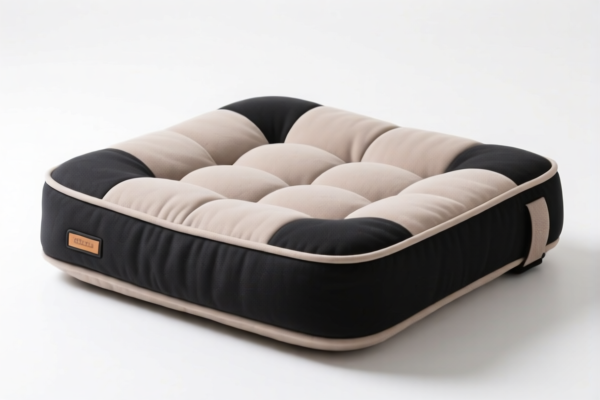
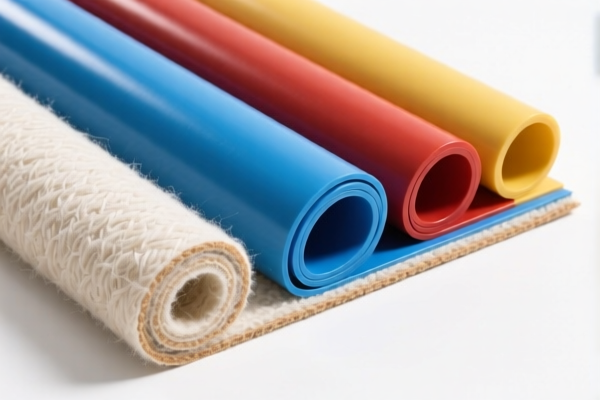
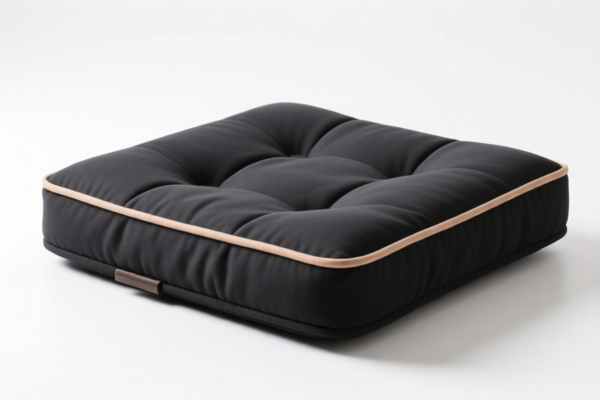
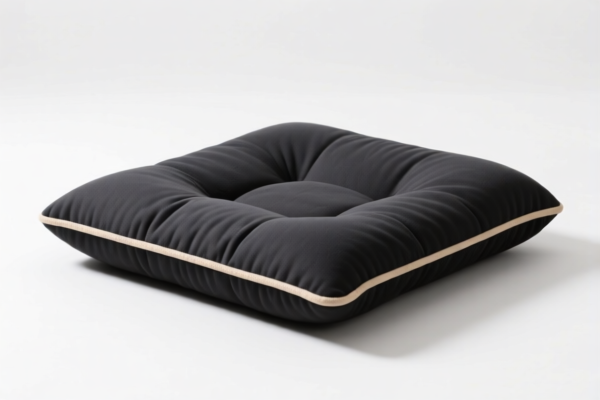
AI Analysis
🪑 Woven Seat Cushion (Woven Fabric Seat Pad)
🌐 HS Code Reference & Customs Clearance Guide | 2026 Latest Tariff Analysis | Professional Clearance Strategy
📌 I. Product Definition & Classification: Do You Really Understand the "Woven Seat Cushion"?
A Woven Seat Cushion is a soft furnishing item designed for comfort, typically placed on chairs, benches, or car seats. In international trade, its classification is highly dependent on its material composition and primary use. Unlike rigid furniture, it falls into categories related to textiles, plastic products, or furniture accessories.
⚠️ Key Classification Logic:
- If made of Textile/Fabric (Cotton, Polyester, Wool, etc.) → Classify under Chapter 63 (Other Made-Up Articles).
- If made of Plastic/Polymer (e.g., PVC, PE foam covered in plastic) → Classify under Chapter 39 (Articles of Plastic).
- If considered a Furniture Accessory (Upholstery/Padding) → Classify under Chapter 94 (Furniture Accessories).
📦 II. HS Code Classification Details (2026 Latest Tariff Authority Comparison)
| HS Code | Product Description | Applicable Scenario | Material/Structure |
|---|---|---|---|
6307.90.89.95 |
Other made-up textile articles (Fallback/General) | Woven fabric seat covers, quilted pads, textile-based mats. | ✅ Textile/Fabric (Cotton, Polyester, etc.) |
3926.90.21.00 |
Other articles of plastic | Plastic-based care mats, patient positioner pads, polymer seat inserts. | ✅ Plastic/Polymer |
6307.90.98.91 |
Other made-up articles (General Finished Goods) | Generic finished textile products with no specific material conflict. | ✅ Textile/General |
9404.90.96.05 |
Furniture accessories (Other) | Seat pads classified as furniture parts/accessories (e.g., upholstered seat padding). | ✅ Furniture Part (Material ambiguous/Secondary) |
9404.90.20.90 |
Pillows, cushions, and similar stuffed articles | Seat cushions filled with foam, sponge, or fiber filling. | ✅ Filled Cushion (Sponge/Foam core) |
🔍 Critical Reminder:
- Textile vs. Plastic: If the outer layer is woven fabric but the core is foam, it usually stays in Chapter 63 (Textile) or Chapter 94 (Furniture), depending on the "essential character." Pure plastic mats go to 3926.
- Finished vs. Part: A standalone cushion for home use is often 9404 (Cushion) or 6307 (Textile Article). A specialized industrial mat might be 3926.
💰 III. 2026 Latest Tariff Rate Breakdown (Including Surtaxes & Policy Add-ons)
✅ Applicable Country: United States (US)
✅ Origin: China (CN)
✅ Effective Date: Post-November 2025 (Current Trade Regime)
🎯 1. 6307.90.89.95 —— Other Made-Up Textile Articles (Textile-Based Cushion)
| Item | Content |
|---|---|
| Base Tariff | 7.0% (Ad Valorem) |
| Section 301 Surcharge | 0.0% (Not subject to the highest 25% tier) |
| Section 122 Tariff | +10% (Specific policy add-on for certain textile/apparel items) |
| Total Tax Rate | 17.0% |
| Tax Calculation | CIF Value × 17.0% |
| De Minimis Exemption | ❌ Not Applicable (Subject to full tariff assessment) |
| Legal Basis Path | USITC:6307.90.89.95 → Section 122: +10% |
📌 Explanation:
- This is a moderate-tax category for textile goods.
- The 10% Section 122 tariff applies to specific categories of textile and apparel products to protect domestic manufacturing.
- No 301 Tariff makes this significantly cheaper than electronics or metal goods.
🎯 2. 3926.90.21.00 —— Articles of Plastic (Plastic Seat Pad/Mat)
| Item | Content |
|---|---|
| Base Tariff | 4.2% |
| Section 301 Surcharge | +7.5% (Selected tier of Section 301) |
| Section 122 Tariff | +10% |
| Total Tax Rate | 21.7% |
| Tax Calculation | CIF Value × 21.7% |
| De Minimis Exemption | ❌ Not Applicable |
| Legal Basis Path | IEEPA:9903.01.24 (Section 301) → USITC:3926.90.21.00 → Section 122: +10% |
📌 Warning:
- Plastic goods from China are highly scrutinized.
- The 7.5% Section 301 tariff is a significant cost driver.
- If the product is purely plastic (e.g., PVC medical pad), this code is mandatory.
🎯 3. 6307.90.98.91 —— Other Made-Up Articles (Generic Textile)
| Item | Content |
|---|---|
| Base Tariff | 7.0% |
| Section 301 Surcharge | +7.5% (Selected tier of Section 301) |
| Section 122 Tariff | +10% |
| Total Tax Rate | 24.5% |
| Tax Calculation | CIF Value × 24.5% |
| De Minimis Exemption | ❌ Not Applicable |
| Legal Basis Path | IEEPA:9903.01.24 → USITC:6307.90.98.91 → Section 122: +10% |
📌 Note:
- This is a higher-risk textile code if not clearly defined as "quilted" or "specific."
- The 7.5% Section 301 applies here, increasing the total cost.
🎯 4. 9404.90.96.05 —— Furniture Accessories (Seat Pad)
| Item | Content |
|---|---|
| Base Tariff | 7.3% |
| Section 301 Surcharge | 0.0% (Exempt from 301 tariffs) |
| Section 122 Tariff | +10% |
| Total Tax Rate | 17.3% |
| Tax Calculation | CIF Value × 17.3% |
| De Minimis Exemption | ❌ Not Applicable |
| Legal Basis Path | USITC:9404.90.96.05 → Section 122: +10% |
📌 Advantage:
- No Section 301 Tariff! This is a key advantage for furniture accessories.
- If the cushion is considered a "part of furniture" rather than a "textile article," this code offers a slight tax advantage over other textile codes.
🎯 5. 9404.90.20.90 —— Stuffed Cushions (Sponge/Foam Filled)
| Item | Content |
|---|---|
| Base Tariff | 6.0% |
| Section 301 Surcharge | +7.5% (Selected tier of Section 301) |
| Section 122 Tariff | +10% |
| Total Tax Rate | 23.5% |
| Tax Calculation | CIF Value × 23.5% |
| De Minimis Exemption | ❌ Not Applicable |
| Legal Basis Path | IEEPA:9903.01.24 → USITC:9404.90.20.90 → Section 122: +10% |
📌 Note:
- Common for sponge-filled seat cushions.
- Subject to 7.5% Section 301, making it more expensive than the non-301 textile codes.
🛠️ IV. Customs Clearance Practical Advice (Battle-Tested Pitfall Avoidance)
✅ 1. Required Documentation Checklist (Non-Negotiable)
| Document | Must Provide | Description |
|---|---|---|
| ✅ Product Specification Sheet | ✔️ | Material composition (e.g., "100% Cotton Outer, Polyester Fill"), Dimensions, Weight. |
| ✅ Product Photos | ✔️ | Clear images of the cushion, label, and texture (to prove it's woven/textile vs. solid plastic). |
| ✅ Commercial Invoice | ✔️ | Must clearly state "Woven Seat Cushion" and HS Code. |
| ✅ Packing List | ✔️ | Gross/Net weight, number of pieces. |
| ✅ Certificate of Origin | ❌ (Optional but Recommended) | If shipped from Vietnam/Malaysia, can avoid Section 301 tariffs. |
| ✅ Test Report | ❌ (If Applicable) | Flammability test (CAL 117) if intended for furniture use in certain US states. |
✅ 2. Declaration Strategy (Key Mantra)
🔥 “Material First, Use Second, Name Precise, Tax Optimized!”
| Scenario | Correct Declaration | Incorrect Practice |
|---|---|---|
| Woven Fabric Cover | 6307.90.89.95 |
Misdeclare as 9404 (Furniture) → Risk of reclassification penalty. |
| Plastic Mat | 3926.90.21.00 |
Misdeclare as 6307 (Textile) → High risk of audit/fine. |
| Sponge-Filled Cushion | 9404.90.20.90 |
Misdeclare as 6307 → Tax difference of ~6.5%. |
| Furniture Accessory | 9404.90.96.05 |
Only if clearly a "part" of a chair, not a standalone comfort item. |
✅ 3. Special Circumstances Handling
| Situation | Handling Advice |
|---|---|
| OEM Custom Cushions | Provide customer design specs. If it’s a "generic" cushion, use 6307 or 9404. |
| Mixed Materials | If 60% textile, 40% foam → Usually classified as Textile (6307) if textile is essential character. |
| Shipped from Non-China Origin | If produced in Vietnam, Malaysia, or Thailand, Section 301 tariffs (7.5%) do NOT apply. This can save ~7.5-10% on total tax. |
| De Minimis (Section 321) | ❌ Not Eligible. Seat cushions are explicitly excluded from the $800 de minimis exemption for Chinese goods. |
🌍 V. Global Market Clearance Comparison (2026 Latest)
| Country/Region | Recommended HS Code | Tariff (China Origin) | Certification | Notes |
|---|---|---|---|---|
| 🇺🇸 USA | 6307.90.89.95 |
17.0% (Lowest Risk) | None | Best for woven textile cushions. |
| 🇪🇺 EU | 6307.90.98 |
~5-12% | CE (if medical) | No Section 301. |
| 🇨🇳 China | 6307.90.89 |
7-12% | CCC (if applicable) | Low export tax incentives. |
| 🇬🇧 UK | 6307.90 |
5-12% | UKCA | Post-Brexit tariffs apply. |
| 🇦🇺 Australia | 6307.90 |
5% | N/A | Low duty, high compliance. |
📌 Conclusion:
- USA is the most complex market due to Section 301 and Section 122 tariffs.
- Textile-based cushions (6307.90.89.95) offer the lowest total tax (17.0%) for US imports from China.
- Plastic cushions (3926) are costlier (21.7%) due to Section 301.
📌 VI. Common Errors & Pitfall Guide (Blood & Tears Lessons)
❌ Mistake 1: Declaring a Woven Fabric Cushion as 9404 (Furniture) to avoid textile rules
👉 Consequence: Customs may reclassify to 6307, but if deemed a "part of furniture," you might face 7.5% Section 301 unexpectedly if not properly documented.
❌ Mistake 2: Calling a Plastic Mat a "Cushion" to use 6307
👉 Consequence: High penalty for misdeclaration. Plastic is strictly 3926.
❌ Mistake 3: Ignoring Section 122 Tariff
👉 Consequence: Forgetting the +10% adds up significantly on high-volume shipments.
❌ Mistake 4: Using "Seat Pad" as a generic description
👉 Consequence: Ambiguity leads to delays. Specify "Woven Cotton Seat Cushion with Polyester Fill".
✅ Correct Declaration Example:
"Woven Cotton Seat Cushion, Polyester Fiber Filled, Machine Made, for Home Chair Use, Model XYZ"
🎯 VII. Conclusion: Professional Classification, Save Costs, Ensure Smooth Clearance!
🎯 Remember the Mantra:
🔹 "Textile First, Plastic Second, Furniture Last!"
🔹 "17% is the Sweet Spot (6307), 21.7% is the Plastic Tax (3926)!"
🔹 "Section 122 +10% is Always On, Don't Forget It!"
📌 Pro Tip:
If your supplier can source textile materials from Vietnam and assemble there, you can avoid Section 301 tariffs, reducing the total tax on 6307 codes to just 10% (Section 122 only) or even lower depending on FTAs.
📣 Immediate Action:
📞 Contact a Professional Customs Broker
📸 Provide High-Res Photos of the Weave Texture
📄 Request a Pre-Ruling for your specific cushion design🚀 Clear Your Woven Seat Cushions Smoothly, Maximize Your Profit Margins!
✨ Professional Clearance Starts with Accurate Classification!
💼 Every Percent of Tax Saved is Pure Profit!
Customer Reviews
About HS Code Classification
The Harmonized System (HS) is an internationally standardized nomenclature developed by the World Customs Organization (WCO) to classify traded products. Over 200 countries use the HS system as the basis for customs tariffs, trade statistics, and import/export regulations.
Each HS code follows a hierarchical structure:
- Chapter (2 digits) — Broad category of goods (e.g., Chapter 84: Machinery and Mechanical Appliances)
- Heading (4 digits) — More specific grouping within the chapter
- Subheading (6 digits) — Internationally standardized breakdown, used by all WCO member countries
- National subdivisions (8-10 digits) — Country-specific extensions for further classification, such as US HTSUS 10-digit codes
Correct HS code classification is essential for smooth customs clearance, accurate duty payment, and compliance with trade regulations. Misclassification can lead to customs delays, overpayment of duties, or penalties.
When importing from CN to US, the applicable tariff rates may include:
- Most-Favored-Nation (MFN) rate — The standard duty rate applied to WTO members
- General rate — Applied to countries without trade agreements
- Trade remedy duties — Additional tariffs such as Section 301 (anti-dumping), Section 232 (national security), or countervailing duties
The information provided on this page is for reference purposes only. For official classification, please consult with your local customs authority or a licensed customs broker.