Woven Shopping Basket
CN → US| HS Code | Tariff Rate | Origin | Destination | Doc |
|---|---|---|---|---|
| 4602110900 | 45.0% | CN | US | Official Doc |
| 4602110700 | 35.0% | CN | US | Official Doc |
| 3926909989 | 22.8% | CN | US | Official Doc |
| 4601920500 | 37.7% | CN | US | Official Doc |
Product Images
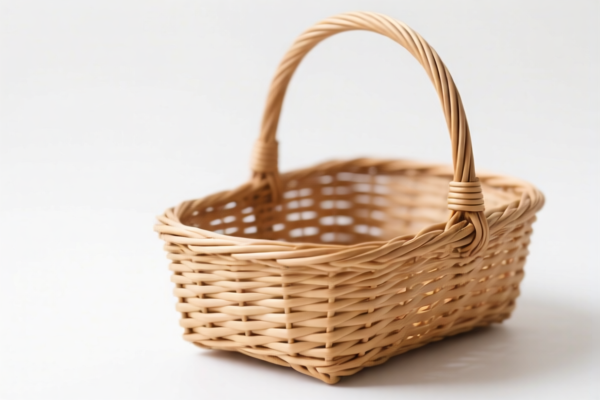
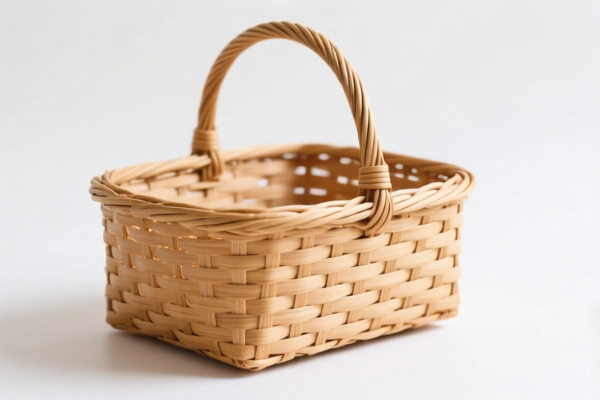
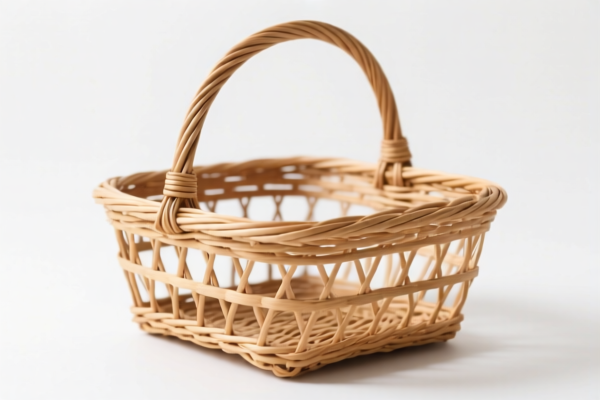
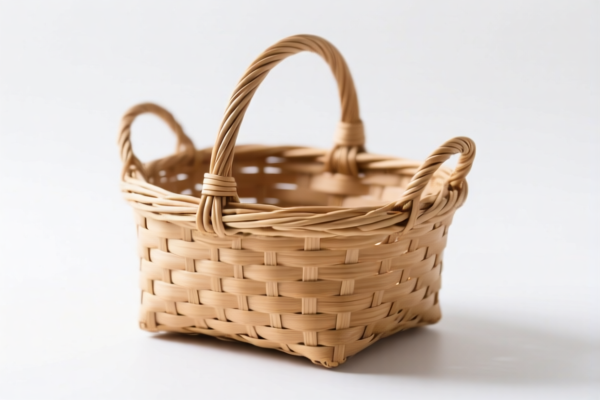
AI Analysis
🧺 Woven Shopping Basket (Plant-Based & Synthetic Variants)
🌐 HS Code Reference & Customs Clearance Guide | 2026 Latest Tariff Analysis | Professional Entry Strategy
📌 I. Product Definition & Classification: What Exactly is a "Woven Basket"?
A "Woven Shopping Basket" is a versatile container used for carrying goods, typically made from flexible materials interlaced through weaving techniques. In international trade, the classification strictly depends on the raw material and the structure of the weave.
Key Classification Distinctions:
- Plant-Based Woven Goods (Chapter 46): Made from bamboo, rattan, willow, reed, straw, or other vegetable plaiting materials. These are classified under headings 4601 or 4602.
- Plastic/Synthetic Woven Goods (Chapter 39): Made from plastic strips, PVC, or synthetic fibers woven into a basket shape. These fall under heading 3926.
⚠️ Critical Identification Point:
- If the material is natural plant fiber (bamboo, rattan) → Look at HS 4602 or 4601.
- If the material is plastic or synthetic → Look at HS 3926.
- Misclassifying a plastic basket as bamboo (or vice versa) leads to severe duty discrepancies and customs holds.
📦 II. HS Code Classification Details (2026 Latest Tariff Authority Comparison)
Based on the provided data, here are the three distinct classification paths for a "Woven Shopping Basket":
| HS Code | Product Description | Material Inference | Key Characteristics |
|---|---|---|---|
4602.11.09.00 |
Baskets and other articles of plaiting materials, woven | Plant Materials (e.g., straw, wood splints) | General plant-based woven basket; falls under the "basket" category for general use. |
4602.11.07.00 |
Baskets of bamboo, rattan, reed, or similar materials | Bamboo/Rattan (Specific Plant Fibers) | Specifically identified as bamboo or willow/rattan weaving; highly specific to traditional plant fibers. |
3926.90.99.89 |
Other articles of plastics and articles of other materials of heading 39.01 to 39.14 | Plastic/Synthetic | Inferred as plastic fiber or synthetic material woven into a basket shape; classified as an "other plastic article." |
4601.92.05.00 |
Plaiting materials (whether or not assembled into strips) | Woven Material/Strip | Classified as the material itself (woven mat/strip) rather than a finished basket, inferred from flower basket craftsmanship techniques. |
🔍 重点提醒 (Key Reminder):
- If it is a finished basket made of natural bamboo/willow,4602.11.07.00is the most accurate specific classification.
- If it is a generic plant-fiber basket (not specifically bamboo/rattan),4602.11.09.00applies.
- If it is made of plastic strips mimicking wicker, it must go to3926.90.99.89. Misclassifying plastic as plant material can result in penalties.
-4601.92.05.00is a niche classification for the woven material/strip, not typically for a complete rigid basket, but included due to inference from "flower basket" craft techniques.
💰 III. 2026 Latest Tariff Rate Breakdown (Including Supplementary Duties)
✅ Applicable Country: United States (US)
✅ Origin: China (CN)
✅ Effective Time: Current rates apply for imports from China.
🎯 1. 4602.11.09.00 —— General Plant-Material Woven Basket
| Item | Detail |
|---|---|
| Base Tariff | 10.0% (Ad Valorem) |
| Section 301 Supplementary Duty | +25.0% |
| Section 122 Duty | +10.0% |
| Total Tariff Rate | 45.0% |
| Tax Calculation | CIF Value × 45% |
| De Minimis Exemption | ❌ Not Eligible (High duty rate excludes small parcels) |
| Legal Basis Path | Base Tariff → Section 301 (Footnote) → Section 122 (China-specific) |
📌 Explanation:
- This is a high-duty category. The combination of base tariff (10%) + Section 301 (25%) + Section 122 (10%) results in a 45% total tax burden.
- Section 122 specifically targets certain goods from China, adding an extra layer of cost.
🎯 2. 4602.11.07.00 —— Bamboo/Rattan Woven Basket
| Item | Detail |
|---|---|
| Base Tariff | 0.0% (Ad Valorem) |
| Section 301 Supplementary Duty | +25.0% |
| Section 122 Duty | +10.0% |
| Total Tariff Rate | 35.0% |
| Tax Calculation | CIF Value × 35% |
| De Minimis Exemption | ❌ Not Eligible |
| Legal Basis Path | Base Tariff (0%) → Section 301 → Section 122 |
📌 Note:
- While the base tariff is 0%, the supplementary duties (35%) still apply heavily.
- This is 10% cheaper than the general plant basket (4602.11.09.00) due to the zero base rate for bamboo/rattan.
- Cost-Saving Tip: If your product is explicitly bamboo or rattan, use this code to save on the 10% base duty.
🎯 3. 3926.90.99.89 —— Plastic/Synthetic Woven Basket
| Item | Detail |
|---|---|
| Base Tariff | 5.3% (Ad Valorem) |
| Section 301 Supplementary Duty | +7.5% |
| Section 122 Duty | +10.0% |
| Total Tariff Rate | 22.8% |
| Tax Calculation | CIF Value × 22.8% |
| De Minimis Exemption | ❌ Not Eligible |
| Legal Basis Path | Base Tariff → Section 301 (Lower footnote for plastics) → Section 122 |
📌 Note:
- This is the lowest total tariff (22.8%) among the three options.
- CRITICAL WARNING: You CANNOT use this code if the product is natural plant fiber. Customs will verify the material. If tested and found to be natural, they will reclassify it to Chapter 46 and charge 35-45%, plus penalties.
- Use this ONLY for PVC, plastic strips, or synthetic woven fibers.
🎯 4. 4601.92.05.00 —— Woven Material/Strip (Not Finished Basket)
| Item | Detail |
|---|---|
| Base Tariff | 2.7% (Ad Valorem) |
| Section 301 Supplementary Duty | +25.0% |
| Section 122 Duty | +10.0% |
| Total Tariff Rate | 37.7% |
| Tax Calculation | CIF Value × 37.7% |
| De Minimis Exemption | ❌ Not Eligible |
| Legal Basis Path | Base Tariff → Section 301 → Section 122 |
📌 Note:
- This code is for woven mats, strips, or unfinished weaving materials, not rigid shopping baskets.
- Using this for a finished basket is a misclassification risk.
- If the basket is made of woven plant material but lacks structural rigidity (e.g., a flexible mat), this might apply, but for a "Shopping Basket," it is likely incorrect.
🛠️ IV. Customs Clearance Practical Advice (Real-World Pitfall Guide)
✅ 1. Documentation Checklist (Essential)
| Document | Required? | Note |
|---|---|---|
| ✅ Product Material Declaration | ✔️ | Must specify: "100% Bamboo," "PVC Plastic," or "Mixed Rattan." |
| ✅ Product Photos (Clear) | ✔️ | Show texture to prove plant fiber vs. plastic sheen. |
| ✅ Commercial Invoice | ✔️ | Clearly state "Woven Shopping Basket, Material: [Insert Material]." |
| ✅ Packing List | ✔️ | Include dimensions and weight. |
| ✅ Test Report (Optional but Recommended) | ✔️ | If claiming plastic, a material analysis report can support 3926 classification. |
✅ 2. Declaration Tips (Key Mantra)
🔥 "Material First, Code Second. Plastic is Cheaper, Plant is Specific."
| Scenario | Correct HS Code | Wrong Code | Consequence |
|---|---|---|---|
| Bamboo/Rattan Basket | 4602.11.07.00 (35%) |
3926.90.99.89 (22.8%) |
Customs reclassifies to 4602, charges 35%, plus fines for misdeclaration. |
| Plastic Basket | 3926.90.99.89 (22.8%) |
4602.11.09.00 (45%) |
Overpaying duty by ~22%. |
| Generic Plant Basket | 4602.11.09.00 (45%) |
3926.90.99.89 (22.8%) |
High risk of penalty if material is tested as plant fiber. |
| Woven Mat/Strip | 4601.92.05.00 (37.7%) |
4602 |
Customs may reject if it's a rigid basket. |
✅ 3. Special Considerations
| Situation | Advice |
|---|---|
| Mixed Materials | If the basket has plastic handles on a bamboo body, consult a broker. Often, the primary material determines the code, or it may be split. |
| Sample Imports | Even for samples, if the duty is high (45%), consider using the lower-rate 3926 code ONLY if it is genuinely plastic. |
| Section 122 Impact | Remember that Section 122 adds 10% on top. This applies to all plant-based and many plastic items from China. |
| Cost Optimization | If your product can be made from PVC plastic strips instead of bamboo, 3926.90.99.89 saves you 12.2% to 22.2% in duties compared to plant-based codes. |
🌍 V. Global Market Comparison (2026 Update)
| Market | Recommended HS Code | Est. Duty (China Origin) | Key Requirement |
|---|---|---|---|
| 🇺🇸 USA | 3926.90.99.89 (Plastic) or 4602.11.07.00 (Bamboo) |
22.8% (Plastic) / 35% (Bamboo) | Strict material verification. Section 122 applies. |
| 🇪🇺 EU | 4602.11 / 3926.90 |
~2.7% - 6.4% | No Section 301 or 122. Lower duty burden. |
| 🇨🇳 China | 4602.11 / 3926.90 |
~5% - 10% | Export duty considerations may apply. |
| 🇨🇦 Canada | 4602.11 / 3926.90 |
~0% - 6.5% | CUSMA eligible for some plant goods if Canadian origin. |
📌 Conclusion:
- The US market is the most costly due to Section 301 + Section 122.
- Plastic baskets (3926) are significantly cheaper to import into the US than plant baskets (4602), but only if they are genuinely plastic.
- Bamboo/Rattan (4602.11.07.00) is the best option within plant-based goods due to the 0% base tariff.
📌 VI. Common Errors & Pitfalls (Lessons Learned)
❌ Error 1: Calling a plastic basket "Bamboo" to avoid plastic duties.
👉 Result: Customs tests the material, finds it's PVC. Fines + Back Duties (35%) + Interest.
❌ Error 2: Declaring a rigid basket as "Woven Mat" (4601.92.05.00) to save base duty.
👉 Result: Customs sees a finished basket, not a mat. Reclassification to 4602 + Penalty.
❌ Error 3: Ignoring Section 122.
👉 Result: Underestimating costs by 10%. All plant-based and many plastic items from China are subject to this.
✅ Correct Approach:
"Woven Shopping Basket, Material: 100% Polypropylene (Plastic), Imported from China, HTSUS: 3926.90.99.89"
OR
"Woven Shopping Basket, Material: Natural Bamboo, Imported from China, HTSUS: 4602.11.07.00"
🎯 VII. Conclusion: Precise Declaration, Maximized Profit!
🎯 Remember the Mantra:
🔹 "Plastic is Cheaper (22.8%), Bamboo is Specific (35%), General Plant is Expensive (45%)!"
🔹 "Don't Mix Materials! If it's Plastic, Say Plastic. If it's Bamboo, Say Bamboo!"
🔹 "Section 122 is a 10% Tax on Top. Plan Your Costings Accordingly!"
📌 Pro Tip:
If you have flexibility in manufacturing, consider using synthetic woven materials (plastic strips) for the US market to benefit from the lower 22.8% total duty rate, provided the product aesthetics meet your market needs.
For eco-conscious markets (EU/Canada), plant-based baskets (4602) are preferred, and duties are lower without Section 301/122.
📣 Immediate Action:
📞 Verify Material Composition before booking shipping.
🚀 Choose the Correct HS Code based on material, not just shape.
💼 Save 12-22% in Duties by accurate classification!
✨ Professional Clearance Starts with Accurate Classification!
💼 Every Percentage Point Matters in Global Trade!
Customer Reviews
About HS Code Classification
The Harmonized System (HS) is an internationally standardized nomenclature developed by the World Customs Organization (WCO) to classify traded products. Over 200 countries use the HS system as the basis for customs tariffs, trade statistics, and import/export regulations.
Each HS code follows a hierarchical structure:
- Chapter (2 digits) — Broad category of goods (e.g., Chapter 84: Machinery and Mechanical Appliances)
- Heading (4 digits) — More specific grouping within the chapter
- Subheading (6 digits) — Internationally standardized breakdown, used by all WCO member countries
- National subdivisions (8-10 digits) — Country-specific extensions for further classification, such as US HTSUS 10-digit codes
Correct HS code classification is essential for smooth customs clearance, accurate duty payment, and compliance with trade regulations. Misclassification can lead to customs delays, overpayment of duties, or penalties.
When importing from CN to US, the applicable tariff rates may include:
- Most-Favored-Nation (MFN) rate — The standard duty rate applied to WTO members
- General rate — Applied to countries without trade agreements
- Trade remedy duties — Additional tariffs such as Section 301 (anti-dumping), Section 232 (national security), or countervailing duties
The information provided on this page is for reference purposes only. For official classification, please consult with your local customs authority or a licensed customs broker.