Woven Tape and Similar Woven Trimmings
CN → US| HS Code | Tariff Rate | Origin | Destination | Doc |
|---|---|---|---|---|
| 5903102010 | 35.0% | CN | US | Official Doc |
| 5903102090 | 35.0% | CN | US | Official Doc |
| 5808104000 | 38.2% | CN | US | Official Doc |
| 5806321095 | 41.0% | CN | US | Official Doc |
| 5806321080 | 41.0% | CN | US | Official Doc |
Product Images
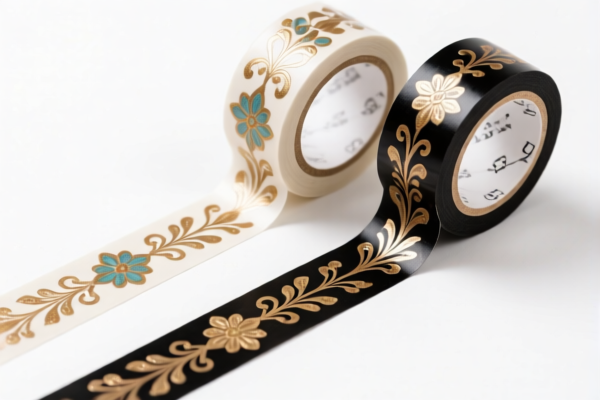
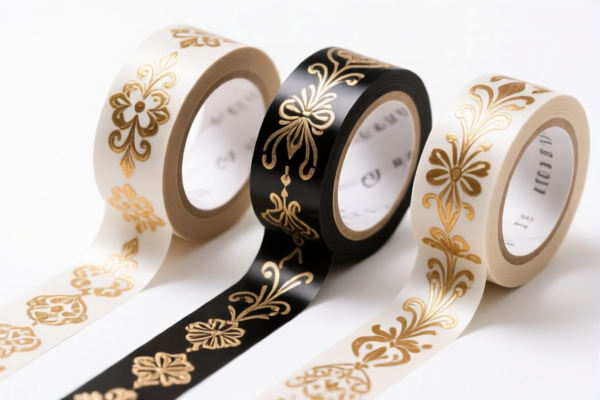
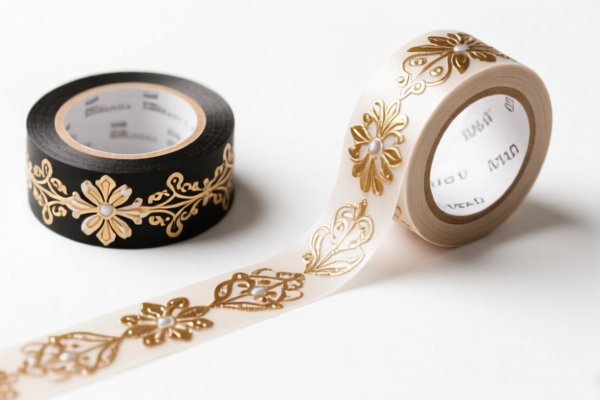

AI Analysis
🎀 Woven Tape & Similar Woven Trimmings (The Textile "Accessories" of Trade)
🌐 HS Code Reference & Customs Clearance Guide | 2026 Latest Tariff Analysis | Professional-Level Clearance Strategy
📌 I. Product Definition: What Are "Woven Trimmings"?
Woven tapes, ribbons, and similar woven trimmings are narrow textiles used for decoration, fastening, reinforcement, or suspension in garments, bags, automotive interiors, and industrial applications. In international trade, they are often underestimated but carry high tariff risks due to specific "Section 301" and "122 Clause" additional tariffs applied to Chinese-origin goods.
Key Characteristics: * Form: Narrow fabric, often with parallel edges (selvedge). * Material: Cotton, Polyester, Nylon, Silk, or blended fibers. * Function: Decorative (ribbons), Functional (seatbelts, straps), or Structural (bias tape).
⚠️ Critical Distinction:
- Plastic-Coated/Impregnated Fabrics: If the base is fabric but coated with PVC or other plastics for waterproofing/structural integrity, it may fall under Chapter 59.
- Pure Woven Trimmings: If it is purely textile (cotton/polyester) without plastic impregnation, it falls under Chapter 58.
📦 II. HS Code Classification Details (2026 Latest Tariff Authority对照)
Based on the provided data, here are the precise classifications for Woven Trimmings and Plastic-Impregnated Fabrics. Note that Chapter 59 items are often misclassified if they contain plastic coatings.
| HS Code | Product Description | Application Scenario | Material/Feature |
|---|---|---|---|
5903.10.20.10 |
Textile fabrics impregnated, coated, covered or laminated with polyvinyl chloride (PVC), other than those of heading 59.02 | Plastic-Coated Fabric: Waterproof tarps, PVC-coated mesh, industrial linings | ✅ PVC Coated/Laminated |
5903.10.20.90 |
Textile fabrics impregnated, coated, covered or laminated with polyvinyl chloride (PVC), other than those of heading 59.02 | Other PVC-Plastic Fabrics: "Other" category fallback for PVC-coated textiles not specified elsewhere | ✅ PVC Coated/Laminated |
5808.10.40.00 |
Woven tape; woven labels, badges, and similar woven articles (of cotton or synthetic fibers) | Cotton/Synthetic Woven Tape: Decorative ribbons, clothing labels, sewing trims | ✅ Pure Textile (Cotton/Poly) |
5806.32.10.95 |
Woven fabrics named 'narrow-woven fabrics', including woven tapestries (width ≤ 30cm), other than goods of heading 58.07 | Narrow Woven Fabric/Ribbon: Synthetic fiber ribbons, decorative braids, narrow decorative bands | ✅ Synthetic Fiber (Narrow) |
5806.32.10.80 |
Woven fabrics named 'narrow-woven fabrics', including woven tapestries (width ≤ 30cm), other than goods of heading 58.07 | Other Narrow Woven Fabric: Fallback "Other" category for synthetic narrow fabrics | ✅ Synthetic Fiber (Narrow) |
🔍 Key Insight:
- If your product is a decorative ribbon or sewing tape, it likely falls under 5808 or 5806.
- If your product is a fabric strip used for industrial purposes with plastic coating, it falls under 5903.
- Misclassification Risk: Declaring a PVC-coated fabric as "woven tape" (5808) to avoid higher tariffs is a major compliance risk.
💰 III. 2026 Latest Tariff Rate Breakdown (Including Additional Duties & Policy Surcharges)
✅ Applicable Country: United States (US)
✅ Country of Origin: China (CN)
✅ Effective Date: Ongoing (Section 301 & IEEPA surcharges apply)
🎯 1. 5903.10.20.10 & 5903.10.20.90 —— Plastic-Impregnated Textile Fabrics (PVC)
These codes apply to fabrics impregnated with Polyvinyl Chloride (PVC).
| Item | Content |
|---|---|
| Base Tariff | 0.0% (Ad valorem) |
| Section 301 Tariff (25%) | +25% (Under USITC Footnote 9903.88.01 for specific Chapter 59 items or general 301 list) |
| "122 Clause" Tariff (IEEPA) | +10% (Specific surcharge targeting certain Chinese textile/plastic hybrid goods under IEEPA authority) |
| Total Tariff Rate | 35.0% |
| Tax Calculation | CIF Value × 35% |
| De Minimis Exemption? | ❌ NO (Not eligible for Section 321 de minimis exemption for high-value/commercial shipments) |
| Legal Basis Path | IEEPA:122-Clause → Section 301: 25% → USITC:5903.10.20.XX |
📌 Explanation:
- Although the base tariff is 0%, the 25% Section 301 tariff applies to most Chinese textile/plastic products.
- The 10% IEEPA "122 Clause" is an additional surcharge often applied to specific categories of Chinese imports deemed to be unfair trade practices.
- Total Impact: 35% total duty. This is a high-cost item for importers.
🎯 2. 5808.10.40.00 —— Woven Tape & Labels (Cotton/Synthetic)
This code applies to purely woven tapes, labels, and decorative trimmings, typically made of cotton or synthetic fibers without plastic impregnation.
| Item | Content |
|---|---|
| Base Tariff | 3.2% |
| Section 301 Tariff (25%) | +25% (Standard Section 301 surcharge for Chinese textiles) |
| "122 Clause" Tariff (IEEPA) | +10% (Additional surcharge under IEEPA) |
| Total Tariff Rate | 38.2% |
| Tax Calculation | CIF Value × 38.2% |
| De Minimis Exemption? | ❌ NO |
| Legal Basis Path | IEEPA:122-Clause → Section 301: 25% → USITC:5808.10.40.00 |
📌 Note:
- Even though it is a "small" item like a label or ribbon, it is not exempt from Section 301 tariffs.
- The 3.2% base is higher than Chapter 59, making the total 38.2%.
🎯 3. 5806.32.10.95 & 5806.32.10.80 —— Narrow Woven Fabrics (Synthetic)
These codes apply to narrow woven fabrics (width ≤ 30cm) made of synthetic fibers (e.g., polyester, nylon ribbons, decorative bands).
| Item | Content |
|---|---|
| Base Tariff | 6.0% |
| Section 301 Tariff (25%) | +25% (Standard Section 301 surcharge) |
| "122 Clause" Tariff (IEEPA) | +10% (Additional surcharge under IEEPA) |
| Total Tariff Rate | 41.0% |
| Tax Calculation | CIF Value × 41.0% |
| De Minimis Exemption? | ❌ NO |
| Legal Basis Path | IEEPA:122-Clause → Section 301: 25% → USITC:5806.32.10.XX |
📌 Important:
- This is the highest tariff rate among the listed codes (41%).
- Do not confuse "Narrow Woven Fabric" (5806) with "Plastic-Impregnated Fabric" (5903). The latter has a 0% base but the same additional tariffs, resulting in a 35% total vs. 41% total.
- Strategic Tip: If your product can be classified as 5903 (plastic-impregnated) rather than 5806 (narrow woven), you save 6% in base tariff, resulting in a 35% total instead of 41%. However, you must prove the plastic impregnation.
🛠️ IV. Customs Clearance Practical Advice (Real-World Pitfall Guide)
✅ 1. Documentation Checklist (Non-Negotiable)
| Document | Required | Purpose |
|---|---|---|
| ✅ Product Composition Analysis | ✔️ | Must specify % of Cotton, Polyester, PVC, etc. |
| ✅ Material Safety Data Sheet (MSDS) | ✔️ | If plastic-impregnated, required for 5903 classification. |
| ✅ Product Photographs | ✔️ | Show cross-section to prove plastic coating (for 5903) or weave structure (for 5806/5808). |
| ✅ Commercial Invoice | ✔️ | Clearly state "Woven Tape" or "Plastic-Impregnated Fabric" – Do NOT use vague terms like "Trim". |
| ✅ Packing List | ✔️ | Include dimensions (width) to distinguish between 5808 (tape) and 5806 (narrow fabric). |
✅ 2. Classification Strategy (Key Mnemonics)
🔥 "Plastic Coating? 5903. Pure Weave? Check Width. 30cm+ is 5808, <30cm is 5806."
| Scenario | Correct HS Code | Tariff | Common Mistake |
|---|---|---|---|
| PVC-Coated Mesh/Tarp | 5903.10.20.10/90 |
35% | Misdeclaring as "Fabric" (5806) → 41% penalty risk |
| Cotton Label/Sewing Tape | 5808.10.40.00 |
38.2% | Misdeclaring as "Plastic" → Wrong code, customs delay |
| Polyester Ribbon (<30cm wide) | 5806.32.10.95/80 |
41% | Misdeclaring as "Woven Tape" (5808) → 38.2% savings missed |
| Nylon Seatbelt Strap | Likely 5903 or 5806 |
Varies | Needs specific technical sheet for classification |
✅ 3. Special Cases & Mitigation
| Situation | Handling Advice |
|---|---|
| Mixed Materials | If it's cotton woven with a plastic backing, it must go to 5903. Do not try to hide the plastic. |
| Gift Sets | "Woven trimmings" in a gift set may still be subject to 35-41% duties. No de minimis exemption for commercial values. |
| Pre-Clearance Ruling | HIGHLY RECOMMENDED. Apply for an Advance Ruling (Type 4) from CBP. The difference between 35% and 41% is significant on high-volume shipments. |
| Country of Origin | Ensure the certificate of origin clearly states China. If it's "Made in Vietnam" but assembled from Chinese components, rules of origin may still attribute it to China. |
🌍 V. Global Market Comparison (2026)
| Market | Recommended HS Code | Est. Tariff (China Origin) | Notes |
|---|---|---|---|
| 🇺🇸 USA | 5903.10.20.10 / 5806.32.10.95 |
35% - 41% | High Section 301 + IEEPA taxes. No de minimis. |
| 🇨🇳 China | 5903.10.20.10 / 5806.32.10.95 |
~0% - 6% | Low import tariffs for domestic consumption. |
| 🇪🇺 EU | 5903.10.20.10 / 5806.32.10.95 |
~0% - 4% | No Section 301 equivalent. But VAT and anti-dumping duties may apply for certain plastics. |
| 🇬🇧 UK | 5903.10.20.10 / 5806.32.10.95 |
~0% - 4% | Post-Brexit tariff schedules similar to EU. |
📌 Conclusion:
The USA is the most expensive market for these goods due to the 35-41% total tariff burden. Importers must optimize classification (e.g., proving PVC coating to use 5903 instead of 5806) to save 6%.
📌 VI. Common Errors & Pitfalls (Lessons Learned)
❌ Error 1: Classifying PVC-Coated Fabric as 5806 (Narrow Woven Fabric)
👉 Consequence: Customs reclassifies to 5903, charges the difference, and issues a penalty. While 5903 base is 0%, the 35% total is lower than 5806's 41%, but the compliance breach is the main issue.
❌ Error 2: Using "De Minimis" for small samples
👉 Consequence: US Customs does not allow de minimis for goods subject to Section 301 or IEEPA tariffs if declared as commercial shipments. Even small shipments must declare duty.
❌ Error 3: Vague Invoice Description ("Textile Trim")
👉 Consequence: CBP flags the shipment for inspection, causing delays and potential audits.
✅ Correct Approach:
"Woven Polyester Ribbon, 25mm Width, Decorative Use, Made in China, HS Code 5806.32.10.95"
OR
"PVC-Impregnated Textile Fabric, Black, for Industrial Use, Made in China, HS Code 5903.10.20.10"
🎯 VII. Conclusion: Precision in Classification Saves Money
🎯 Remember the Formula:
🔹 "Plastic? 5903 (35%). Pure Narrow? 5806 (41%). Pure Tape? 5808 (38.2%)."
🔹 "A 6% difference can save millions on bulk shipments. Verify your material composition!"
📌 Pro Tip:
If your product is not made in China (e.g., Vietnam, India), check for FTA benefits (e.g., ASEAN-Australia FTA, India-US GSP limitations). However, for Chinese origin, the 35-41% tariff is mandatory.
📣 Immediate Action:
📞 Consult a Customs Broker before shipping.
📄 Request a CBP Advance Ruling if your product is borderline between 5903 and 5806.
🚀 Optimize your supply chain to account for these high tariffs in your pricing model.
✨ Professional Clearance Starts with Precise Classification!
💼 Every Percentage Point Counts in Global Trade!
Customer Reviews
About HS Code Classification
The Harmonized System (HS) is an internationally standardized nomenclature developed by the World Customs Organization (WCO) to classify traded products. Over 200 countries use the HS system as the basis for customs tariffs, trade statistics, and import/export regulations.
Each HS code follows a hierarchical structure:
- Chapter (2 digits) — Broad category of goods (e.g., Chapter 84: Machinery and Mechanical Appliances)
- Heading (4 digits) — More specific grouping within the chapter
- Subheading (6 digits) — Internationally standardized breakdown, used by all WCO member countries
- National subdivisions (8-10 digits) — Country-specific extensions for further classification, such as US HTSUS 10-digit codes
Correct HS code classification is essential for smooth customs clearance, accurate duty payment, and compliance with trade regulations. Misclassification can lead to customs delays, overpayment of duties, or penalties.
When importing from CN to US, the applicable tariff rates may include:
- Most-Favored-Nation (MFN) rate — The standard duty rate applied to WTO members
- General rate — Applied to countries without trade agreements
- Trade remedy duties — Additional tariffs such as Section 301 (anti-dumping), Section 232 (national security), or countervailing duties
The information provided on this page is for reference purposes only. For official classification, please consult with your local customs authority or a licensed customs broker.