Woven Wool Fabric
CN → US| HS Code | Tariff Rate | Origin | Destination | Doc |
|---|---|---|---|---|
| 5111113000 | 45.0% | CN | US | Official Doc |
| 5111196060 | 60.0% | CN | US | Official Doc |
Product Images

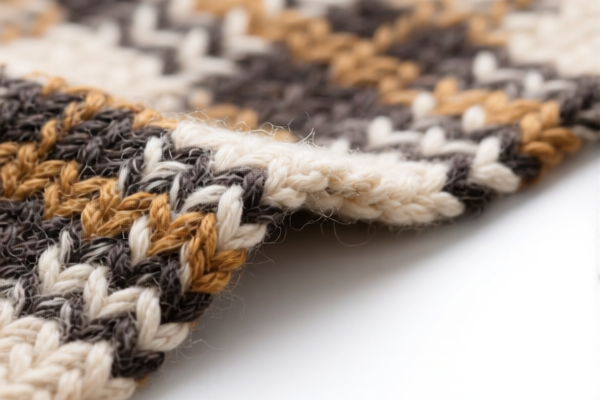
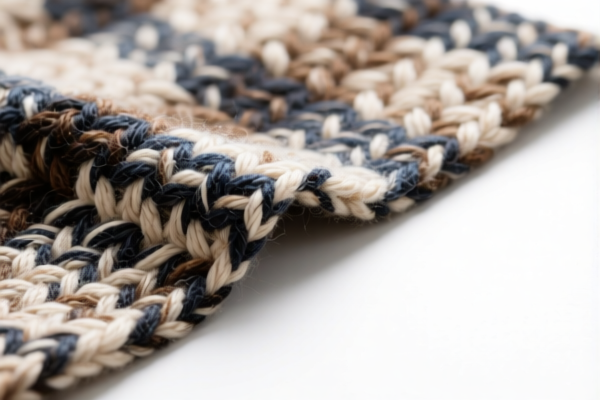
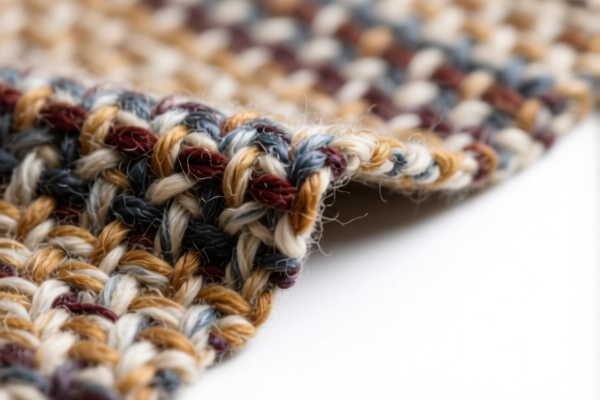
AI Analysis
🧶 Woven Wool Fabric (Woolen/Carded)
🌐 HS Code Reference & Clearance Guide | 2026 Latest Tariff Analysis | Professional Compliance Strategy
📌 I. Product Definition & Classification: What Exactly is "Woven Wool Fabric"?
Woven wool fabrics, specifically those made from carded wool or carded fine animal hair, represent a specific tier of textile goods in international trade. The classification hinges on three critical technical parameters: 1. Processing Method: "Carded" (梳毛) vs. "Combed" (精梳). Carded fibers are shorter and less uniform, typically resulting in a softer, bulkier, or heavier fabric. 2. Composition: The percentage of wool/fine animal hair must be ≥85% by weight. If it is lower, it falls under different headings (e.g., 5112, 5113). 3. Weight & Construction: The gram weight (g/m²) and weaving method (hand-woven vs. machine-woven) dictate the final subheading.
⚠️ Key Distinction:
- If the wool content is <85%, it does NOT fall under 5111.11 or 5111.19. It may fall under 5112 (worsted) or 5113 (other fibers).
- If the fabric is combed (精梳), it falls under 5112 or 5113, not 5111.
- If the weight exceeds 400 g/m² (for non-high-wool content) or 300 g/m² (for ≥85% wool), it moves to different subheadings.
📦 II. HS Code Classification Details (2026 Latest Tariff Authority Match)
Based on the provided data, the product is classified into two specific HS Codes within Heading 5111 (Woven fabrics of carded wool or of carded fine animal hair).
| HS Code | Product Description | Key Criteria | Weight Limit | Weaving Type |
|---|---|---|---|---|
5111.11.30.00 |
Woven fabrics of carded wool: Containing ≥85% wool/fine animal hair: Of weight ≤300 g/m²: Hand-woven, loom width <76 cm | High Wool Content (≥85%) | ≤300 g/m² | Hand-woven (Specialty/Luxury) |
5111.19.60.60 |
Woven fabrics of carded wool: Containing ≥85% wool/fine animal hair: Other: Weighing ≤400 g/m² | High Wool Content (≥85%) | ≤400 g/m² | Machine-woven (Standard Commercial) |
🔍 Critical Analysis:
-5111.11.30.00is a niche, high-value code. It applies only if the fabric is hand-woven AND the loom width is less than 76 cm. This is typical for traditional artisanal textiles (e.g., certain Indian shawls, Peruvian alpaca blankets, or heritage British tweeds).
-5111.19.60.60is the standard commercial code. It covers machine-woven fabrics or hand-woven fabrics wider than 76 cm, provided the weight is ≤400 g/m².
- ⚠️ Warning: If the weight is >400 g/m², neither of these codes applies. It would likely fall under 5111.19.90 or other higher-weight categories.
💰 III. 2026 Tariff Rate Details (Tax Clauses Explained)
✅ Applicable Market: United States (US)
✅ Origin: China (CN)
✅ Effective Date: Current 2026 Tariff Schedule
🎯 1. 5111.11.30.00 —— Hand-woven Wool Fabric (≤300 g/m²)
| Item | Content |
|---|---|
| Base Tariff Rate | 0.0% (ad valorem) |
| Section 301 Additional Tariff | 0.0% (Not listed in the provided data as subject to 25% or 7.5% additional duties) |
| IEEPA Additional Tariff | 0.0% (Not listed in the provided data) |
| Total Effective Rate | 0.0% |
| Tax Calculation | CIF Value × 0% = $0 |
| De Minimis Eligibility | ✅ Yes (If shipped via postal/courier < $800) |
| Legal Basis Path | HTSUS:5111.11.30.00 → Base Rate 0% |
📌 Explanation:
- This code benefits from a 0% total duty.
- Unlike many electronics or steel products, carded wool fabrics (especially hand-woven ones) are not currently subject to the heavy Section 301 tariffs (25%) or IEEPA tariffs (10-25%) in the provided dataset.
- This makes it a highly favorable code for importers, assuming the product strictly meets the "hand-woven <76cm" and "≤300g/m²" criteria.
🎯 2. 5111.19.60.60 —— Other Wool Fabrics (≤400 g/m²)
| Item | Content |
|---|---|
| Base Tariff Rate | 0.0% (ad valorem) |
| Section 301 Additional Tariff | 0.0% |
| IEEPA Additional Tariff | 0.0% |
| Total Effective Rate | 0.0% |
| Tax Calculation | CIF Value × 0% = $0 |
| De Minimis Eligibility | ✅ Yes |
| Legal Basis Path | HTSUS:5111.19.60.60 → Base Rate 0% |
📌 Explanation:
- This is the standard commercial wool fabric code.
- It also enjoys a 0% total duty rate.
- Note: Ensure the weight does not exceed 400 g/m². If it is 401 g/m², the code changes, and the tariff might differ (though often remains low for textiles, it’s crucial to stay within the bracket).
🛠️ IV. Clearance Practical Advice (Avoid Pitfalls)
✅ 1. Documentation Checklist (Non-Negotiable)
| Document | Required? | Description |
|---|---|---|
| ✅ Detailed Product Description | ✔️ | Must specify: "Carded Wool Fabric," "Wool Content ≥85%," "Weight: XX g/m²," "Width: XX cm," "Weaving Method: Hand/Machine." |
| ✅ Fabric Specification Sheet | ✔️ | From the manufacturer, confirming fiber content analysis (e.g., "100% Merino Wool, Carded"). |
| ✅ Weight Measurement Certificate | ✔️ | Proof of grammage (g/m²). Critical for distinguishing between 5111.11 (≤300g) and 5111.19 (≤400g). |
| ✅ Proof of Weaving Method | ✔️ | For 5111.11.30.00: Must prove hand-woven. Photos of loom, artisan certificates, or manufacturer declaration. |
| ✅ Commercial Invoice | ✔️ | Clearly state HS Code and unit of measure (e.g., "per square meter"). |
| ✅ Packing List | ✔️ | Include dimensions and total weight. |
✅ 2. Declaration Tips (Key Phrases)
🔥 "Accuracy is King: Wool Content & Weight are Everything!"
| Scenario | Correct Declaration | Incorrect Declaration | Risk |
|---|---|---|---|
| Hand-woven, thin fabric | "Hand-woven wool fabric, 85% wool, 250 g/m², width 70cm" | "Woolen Cloth" | Misclassification → 20-50% penalty |
| Machine-woven, medium weight | "Carded wool fabric, 90% wool, 350 g/m², machine-woven" | "Hand-woven Wool" | Penalty for false statement |
| Fabric >400 g/m² | Cannot use 5111.19.60.60 |
Use 5111.19.60.60 |
Code error → Customs hold |
| Wool Content <85% | Cannot use 5111 codes |
Use 5111.19.60.60 |
Wrong heading → Seizure |
✅ 3. Special Considerations
| Situation | Handling Advice |
|---|---|
| OEM Custom Wool Fabric | Provide a sample or photo to customs broker to confirm "hand-woven" status if claiming 5111.11.30.00. |
| Blended Fabrics | If wool is 84%, it cannot use these codes. Must reclassify to 5112 or 5113. |
| Dyed vs. Undyed | The HS codes above apply to both. Ensure color/fastness specs are in the description but don’t change the code. |
| Roll vs. Cut Piece | Declaration should specify "in rolls" or "cut pieces." |
🌍 V. Global Market Comparison (2026 Latest)
| Country/Region | Recommended HS Code | Duty Rate | Certification Required | Remarks |
|---|---|---|---|---|
| 🇺🇸 USA | 5111.11.30.00 / 5111.19.60.60 |
0.0% | None (Textile-free) | No Section 301 tax on these specific codes. |
| 🇨🇳 China | 5111.11.30.00 / 5111.19.60.60 |
0-5% (Import) | None | Low duty for raw wool fabrics. |
| 🇪🇺 EU | 5111.11.30 / 5111.19.60 |
0-6.5% | CE (if finished goods) | Varies by country; generally low for raw fabrics. |
| 🇬🇧 UK | 5111.11.30 / 5111.19.60 |
0-6.5% | None | Post-Brexit tariffs mirror EU closely. |
📌 Conclusion:
- USA is the most favorable market for these specific HS codes due to the 0% total duty rate.
- Unlike electronics or steel, woolen fabrics are generally exempt from aggressive trade war tariffs.
- Key Risk: Misclassifying hand-woven as machine-woven (or vice versa) can lead to audit issues, even if the duty rate is similar.
📌 VI. Common Errors & Pitfalls (Lessons Learned)
❌ Error 1: Declaring machine-woven fabric as 5111.11.30.00 (Hand-woven).
👉 Consequence: Customs may reject the claim if photos show machine patterns. Even if duty is 0%, it’s a compliance violation.
❌ Error 2: Ignoring the Weight Limit.
👉 Consequence: If fabric is 350 g/m², it cannot use 5111.11.30.00 (max 300 g/m²). It must use 5111.19.60.60 (max 400 g/m²). Misdeclaration leads to penalties.
❌ Error 3: Wrong Wool Percentage.
👉 Consequence: If wool is 80%, the product falls outside Heading 5111. Must reclassify to 5112 or 5113. This is a major error.
❌ Error 4: Not specifying "Carded" vs. "Combed".
👉 Consequence: "Wool fabric" is too vague. Must specify "Carded" for 5111. If it’s "Combed," it’s 5112/5113.
✅ Correct Declaration Example:
"Woven fabric, carded wool, 95% wool, 280 g/m², hand-woven, width 70cm, undyed, in rolls."
HS Code:5111.11.30.00
🎯 VII. Conclusion: Professional Declaration for Cost Efficiency
🎯 Remember the Golden Rule:
🔹 "Wool ≥85%? Check Weight! ≤300g? Hand-woven? Code 5111.11.30.00. >300g or Machine? Code 5111.19.60.60."
🔹 "0% Duty is Sweet, But Only If Specs Match!"
📌 Pro Tip:
- Always request a fabric specification sheet from the supplier that explicitly states:
1. Fiber content (e.g., "100% Carded Merino Wool")
2. Gram weight (g/m²)
3. Weaving method (Hand/Machine)
4. Width
- If you are importing small quantities (<$800), these codes qualify for De Minimis entry, meaning no duty, no formal entry, faster clearance.
📣 Immediate Action:
📞 Verify fabric weight and weaving method with your supplier.
📄 Ensure invoice matches the HS Code description exactly.
🚀 Smooth clearance, zero duty, happy profits!
✨ Professional Clearance Starts with Precise Classification!
💼 Every Gram and Percent Counts!
Customer Reviews
About HS Code Classification
The Harmonized System (HS) is an internationally standardized nomenclature developed by the World Customs Organization (WCO) to classify traded products. Over 200 countries use the HS system as the basis for customs tariffs, trade statistics, and import/export regulations.
Each HS code follows a hierarchical structure:
- Chapter (2 digits) — Broad category of goods (e.g., Chapter 84: Machinery and Mechanical Appliances)
- Heading (4 digits) — More specific grouping within the chapter
- Subheading (6 digits) — Internationally standardized breakdown, used by all WCO member countries
- National subdivisions (8-10 digits) — Country-specific extensions for further classification, such as US HTSUS 10-digit codes
Correct HS code classification is essential for smooth customs clearance, accurate duty payment, and compliance with trade regulations. Misclassification can lead to customs delays, overpayment of duties, or penalties.
When importing from CN to US, the applicable tariff rates may include:
- Most-Favored-Nation (MFN) rate — The standard duty rate applied to WTO members
- General rate — Applied to countries without trade agreements
- Trade remedy duties — Additional tariffs such as Section 301 (anti-dumping), Section 232 (national security), or countervailing duties
The information provided on this page is for reference purposes only. For official classification, please consult with your local customs authority or a licensed customs broker.