Woven fabrics of man made filaments
CN → US| HS Code | Tariff Rate | Origin | Destination | Doc |
|---|---|---|---|---|
| 5408210030 | 49.9% | CN | US | Official Doc |
| 6304930000 | 49.9% | CN | US | Official Doc |
| 5408210060 | 49.9% | CN | US | Official Doc |
Product Images
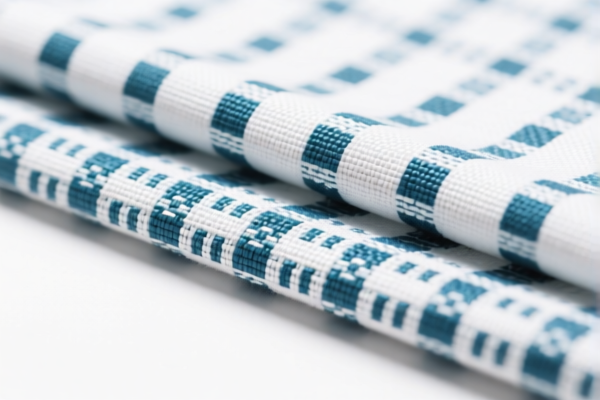
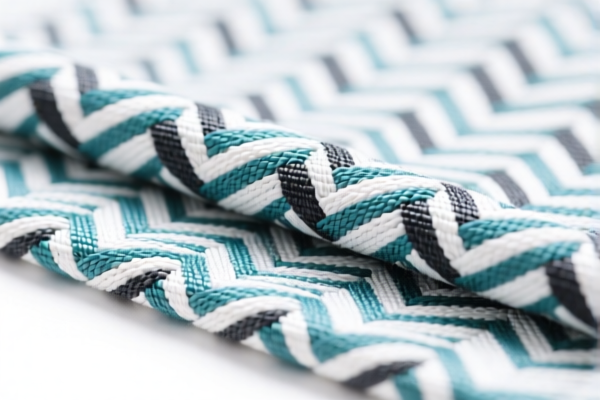
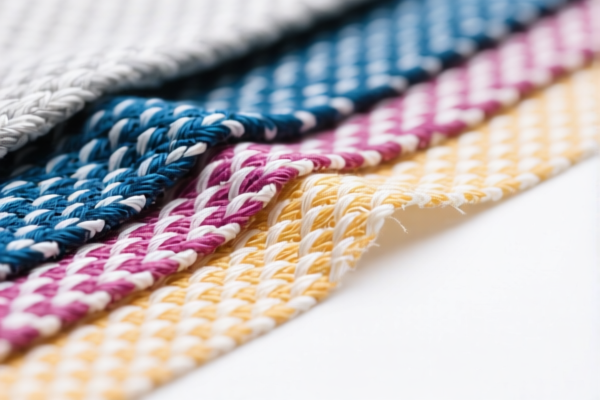
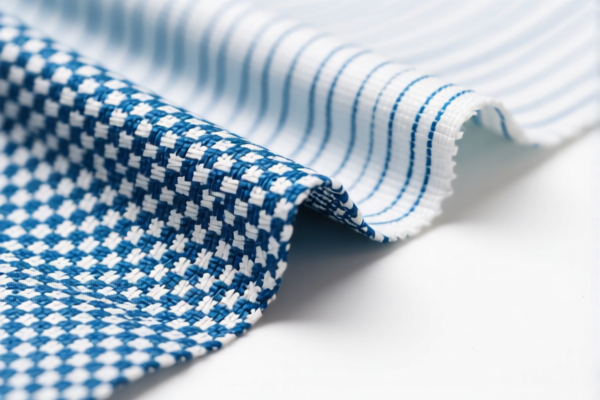
AI Analysis
🧵 Woven Fabrics of Man-Made Filaments (人造长丝家纺/织物)
🌐 HS Code Reference & Customs Clearance Guide | 2026 Latest Tariff Analysis | Professional-Level Compliance Strategy
📌 I. Product Definition & Classification: What Exactly Are "Man-Made Filament Woven Fabrics"?
In international trade, "Woven Fabrics of Man-Made Filaments" refer to textiles constructed from synthetic or artificial continuous filaments (such as polyester, nylon, acrylic, etc.) using weaving techniques. These are distinct from "staple fiber" fabrics (made from short fibers like cotton or wool) or "knitted fabrics."
⚠️ Key Distinction Point:
- Material: Must be Man-Made Filaments (synthetic/semi-synthetic continuous threads). If the product is made from staple fibers (e.g., polyester staple fiber), it falls under different headings (e.g., 52/55). - Structure: Must be Woven (interlaced warp and weft yarns). Knitted, crocheted, or non-woven fabrics are excluded. - Application: The data provided suggests applications in "Home Textiles" (家纺) or general Fabrics. This impacts whether the duty is calculated on the fabric itself or the finished good, but the primary classification relies on material and construction.
📦 II. HS Code Classification Details (Based on Provided Data)
The following HS Codes are matched based on the material (Man-Made Filaments) and application (Home Textiles/Fabrics). All listed codes carry the same tax structure due to similar material classifications under Chapter 54.
| HS Code | Product Description | Matching Logic from Data | Total Tax Rate |
|---|---|---|---|
| 5408.21.00.30 | Woven fabrics of synthetic filament yarn (Man-Made Filament Home Textiles) | Match Basis: "Man-Made Filaments" matches material attribute; "Home Textiles" falls under fabric application scope. | 49.9% |
| 6304.93.00.00 | Other furnishing articles (Man-Made Filament Home Textiles) | Match Basis: "Man-Made Filaments" are synthetic fibers; "Home Textiles" are furnishing articles; fits non-knitted/crocheted synthetic fiber制品 classification. | 49.9% |
| 5408.21.00.60 | Woven fabrics of synthetic filament yarn (Another variant) | Match Basis: "Man-Made Filaments" perfectly match classification requirements; "Home Textiles" form fits woven fabric attributes. | 49.9% |
🔍 Critical Note:
- 5408.21.xx refers to Woven Fabrics made of synthetic filament yarn (excluding sewing thread). - 6304.93 refers to Other Furnishing Articles (like curtains, bedspreadings) made of other textile materials (often interpreted broadly in some contexts if not strictly classified under 54/55/60/62 finished goods). - Tax Implication: Regardless of whether it’s classified as a raw woven fabric (5408) or a furnishing article (6304), the total tariff burden is identical at 49.9% for China-origin goods entering the US market.
💰 III. 2026 Latest Tariff Rate Breakdown (Including Add-ons)
✅ Applicable Country: USA
✅ Country of Origin: China (CN)
✅ Effective Time: 2025/2026 (Current Policy)
🎯 1. General Breakdown for All Listed Codes (5408.21.00.30, 5408.21.00.60, 6304.93.00.00)
| Item | Content |
|---|---|
| Base Tariff | 14.9% (Ad Valorem) |
| Section 301 Tariff (Additional) | +25.0% |
| Section 122 Tariff | +10.0% |
| Total Effective Tax Rate | 49.9% |
| Calculation Basis | CIF Value × 49.9% |
| De Minimis Exemption | ❌ Not Applicable (High tariffs typically void de minimis benefits) |
| Legal Basis Path | USITC:5408/6304 → Section 301: Footnote 3 → Section 122: Executive Order |
📌 Detailed Tax Explanation:
1. Base Tariff (14.9%): This is the standard Most Favored Nation (MFN) rate for woven fabrics of man-made filaments (Chapter 54) or certain furnishing articles (Chapter 63). 2. Section 301 Tariff (+25%): Imposed under US Trade Law Section 301 against Chinese goods. This is a major cost driver for Chinese-manufactured textiles. 3. Section 122 Tariff (+10%): Additional duties imposed under Section 122 of the Trade Expansion Act (often for national security or balance of payments reasons, currently applied to certain textiles/apparel). 4. Cumulative Effect: These taxes are additive. 14.9 + 25.0 + 10.0 = 49.9%. This is a very high effective duty rate, significantly impacting profit margins.
🛠️ IV. Customs Clearance Practical Advice (Pitfall Avoidance Guide)
✅ 1. Documentation Checklist (Essential for Clearance)
| Document | Required | Explanation |
|---|---|---|
| ✅ Commercial Invoice | ✔️ | Must clearly state: "Woven Fabric of Man-Made Filaments" or "Home Textile Item," specifying material composition (e.g., 100% Polyester Filament). |
| ✅ Packing List | ✔️ | Detail weight, quantity, and packaging type. |
| ✅ Certificate of Origin (CO) | ✔️ | Crucial for verifying China origin, which triggers the 49.9% rate. If transshipped, ensure no circumvention of rules. |
| ✅ Product Specification Sheet | ✔️ | Include fabric weight (gsm), weave type, fiber content %, and finish (e.g., dyed, printed). |
| ✅ Bill of Lading (B/L) | ✔️ | Ensure HS codes are pre-agreed with the customs broker. |
✅ 2. Classification Strategy (Key Tips)
🔥 "Material First, Structure Second, Name Precisely!"
| Scenario | Recommended Action | Error to Avoid |
|---|---|---|
| Raw Woven Fabric | Use 5408.21.00.30 or 5408.21.00.60 | Do not classify as 55/52 (staple fibers) if it’s filament. |
| Finished Home Textile (e.g., Curtains) | May use 6304.93.00.00 if applicable | Do not mislabel as "Garment" (Chapter 61/62) which may have different rates. |
| Mixed Material | Check fiber content >50% | If mixed with cotton, classification shifts entirely (e.g., to Chapter 52/55). |
| Knitted Fabric | NOT 5408 | Use Chapter 60 (Knitted/Crocheted). Misclassification leads to severe penalties. |
✅ 3. Special Considerations for "Home Textiles"
- Definition Clarity: "Home Textiles" is a broad term. Customs may inspect whether the product is:
- Raw Fabric (Rolls): HS 5408.
- Finished Goods (Sheets, Pillowcases): HS 6302/6304.
- Risk: If you declare as "Fabric" (5408) but it’s a finished sheet (6302), you may face under-declaration penalties. Ensure the physical product matches the declared form.
- 122 Clause Impact: The 10% Section 122 tariff applies to many textile imports. Verify if your specific subheading is exempt (currently, most 5408/6304 entries are included).
🌍 V. Global Market Comparison (2026)
| Country/Region | Recommended HS Code | Est. Duty Rate (China Origin) | Remarks |
|---|---|---|---|
| 🇺🇸 USA | 5408.21.00.30 / 6304.93.00.00 |
49.9% | High due to Sec 301 + Sec 122. |
| 🇨🇳 China | 5408.21.00 / 6304.93.00 |
Low (0-8%) | Import into China has minimal barriers for raw materials. |
| 🇪🇺 EU | 5407 / 6304 |
~6-12% | No Section 301 equivalents. EORI registration required. |
| 🇬🇧 UK | 5407 / 6304 |
~6-12% | Post-Brexit rates similar to EU. |
| 🇯🇵 Japan | 5407 / 6304 |
~0-10% | Generally favorable for textiles. |
📌 Conclusion:
- USA is the most expensive market for Chinese-made man-made filament woven fabrics due to the叠加 (叠加 =叠加/combined) tariffs. - EU/UK/Japan offer significantly lower duties but require strict compliance with REACH (EU) or chemical safety standards.
📌 VI. Common Errors & Pitfalls (Lessons Learned)
❌ Error 1: Confusing Filament with Staple Fiber
👉 Result: Wrong HS Code (e.g., 5515 instead of 5408).
💡 Fix: Check fiber length. Continuous filaments = 5408. Cut short fibers = 55xx.
❌ Error 2: Misdeclaring Finished Goods as Raw Fabric
👉 Result: Customs seizes goods for misclassification.
💡 Fix: If it’s a finished bedsheet, declare under 6302, not 5408, even if the rate is similar. Accuracy in description is key.
❌ Error 3: Ignoring Section 122
👉 Result: Underpayment of 10%.
💡 Fix: Always add 10% to your cost model for US imports from China in this category.
❌ Error 4: Vague Product Description
👉 Result: Delays in clearance, increased inspection rates.
💡 Fix: Use precise language: "100% Polyester Woven Fabric, 150gsm, Dye-Printed, for Home Furnishings."
🎯 VII. Conclusion: Professional Declaration Saves Money
🎯 Remember the Key Takeaway:
🔹 "49.9% is the baseline for China-origin man-made filament woven fabrics in the US."
🔹 "HS Code 5408 vs. 6304 depends on form (fabric vs. furnishing), but the tax is the same here."
🔹 "Always verify fiber type: Filament (5408) vs. Staple (55xx)."
📌 Pro Tip:
If your supplier is not from China (e.g., Vietnam, India, Bangladesh), the Section 301 (25%) and Section 122 (10%) may not apply, reducing the total duty to just the Base Rate (~14.9%).
Recommendation: Consider supply chain diversification to avoid the 49.9% burden.
📣 Immediate Action:
📞 Consult a licensed customs broker to verify if your specific product qualifies for any exclusions or alternative classifications.
📄 Ensure all documentation explicitly states "Man-Made Filament" and "Woven" to prevent misclassification.
✨ Professional customs clearance starts with precise classification!
💼 Every percentage point of duty saved is pure profit!
Customer Reviews
About HS Code Classification
The Harmonized System (HS) is an internationally standardized nomenclature developed by the World Customs Organization (WCO) to classify traded products. Over 200 countries use the HS system as the basis for customs tariffs, trade statistics, and import/export regulations.
Each HS code follows a hierarchical structure:
- Chapter (2 digits) — Broad category of goods (e.g., Chapter 84: Machinery and Mechanical Appliances)
- Heading (4 digits) — More specific grouping within the chapter
- Subheading (6 digits) — Internationally standardized breakdown, used by all WCO member countries
- National subdivisions (8-10 digits) — Country-specific extensions for further classification, such as US HTSUS 10-digit codes
Correct HS code classification is essential for smooth customs clearance, accurate duty payment, and compliance with trade regulations. Misclassification can lead to customs delays, overpayment of duties, or penalties.
When importing from CN to US, the applicable tariff rates may include:
- Most-Favored-Nation (MFN) rate — The standard duty rate applied to WTO members
- General rate — Applied to countries without trade agreements
- Trade remedy duties — Additional tariffs such as Section 301 (anti-dumping), Section 232 (national security), or countervailing duties
The information provided on this page is for reference purposes only. For official classification, please consult with your local customs authority or a licensed customs broker.