Woven pile fabric (HS 5801901000)
CN → US| HS Code | Tariff Rate | Origin | Destination | Doc |
|---|---|---|---|---|
| 5801902090 | 37.7% | CN | US | Official Doc |
| 5801901000 | 38.7% | CN | US | Official Doc |
| 5802109000 | 44.4% | CN | US | Official Doc |
| 5802101000 | 44.8% | CN | US | Official Doc |
| 5801901000 | 38.7% | CN | US | Official Doc |
Product Images
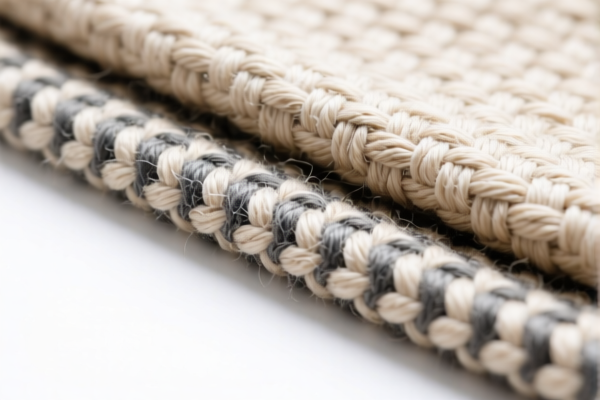
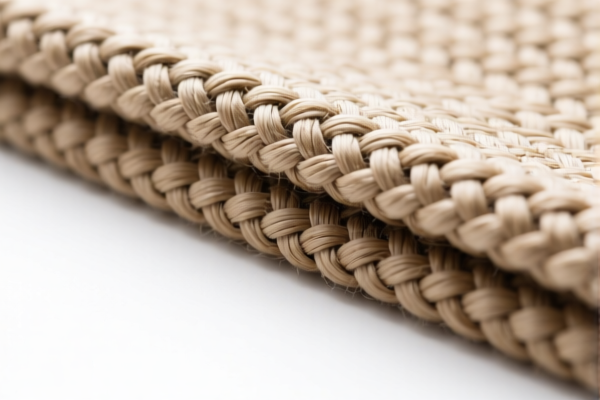
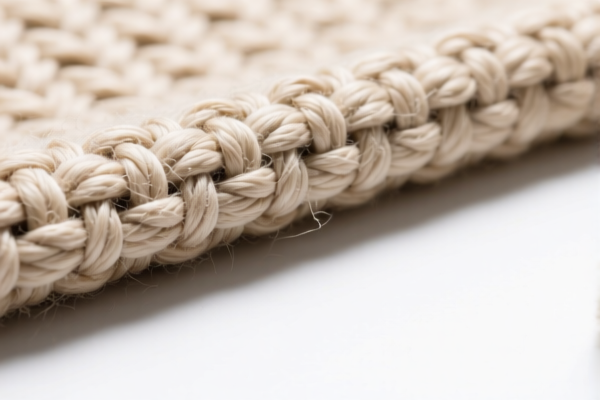
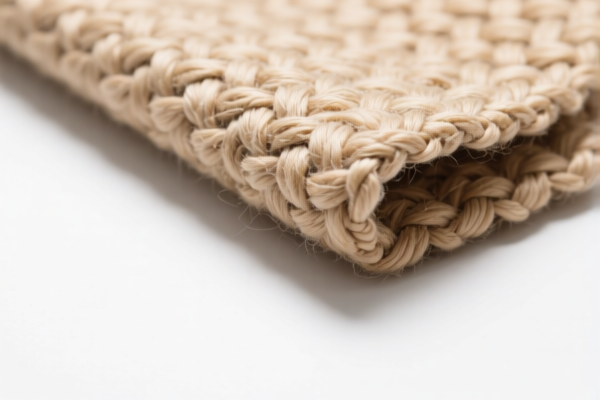
AI Analysis
🧵 Woven Pile Fabrics (HS 5801.90.10.00 & 5801.90.20.90)
🌐 HS Code Reference & Customs Clearance Guide | 2026 Latest Tariff Analysis | Professional Clearance Strategy
📌 I. Product Definition & Classification: What Exactly is "Woven Pile Fabric"?
Woven pile fabrics (HS 5801) are textile materials characterized by raised loops or cut threads on the surface, creating a textured or soft finish. Common examples include velvet, corduroy, terry cloth, and chenille.
In international trade, classification depends heavily on the material composition and specific structure. The data provided highlights two specific sub-categories under Heading 5801 (Woven pile fabrics and chenille fabrics, other than of 5802 or 5806) made from Other Textile Materials (i.e., NOT cotton, wool, or man-made fibers like polyester/nylon if specified otherwise, but here specifically focusing on "Vegetable fibers" or "Other"):
1. Vegetable Fiber Based Pile Fabrics (HS 5801.90.10.00)
* Made from natural plant-based fibers (e.g., jute, sisal, flax/linen blends where applicable, though linen is often classified separately, "vegetable fibers" in HS terms often refers to bast fibers like hemp, jute, ramie).
* Key characteristic: Natural origin, biodegradable, often used for industrial or heavy-duty decorative purposes.
2. Other Textile Materials (HS 5801.90.20.90)
* This is the "catch-all" for pile fabrics made from other fibers not explicitly listed elsewhere (excluding cotton). This could include blends of silk with other fibers, or other natural/synthetic mixes not falling under specific vegetable or cotton headings.
⚠️ Key Distinction Point:
- If the fabric is made from vegetable fibers (e.g., jute velvet, hemp corduroy) → 5801.90.10.00
- If the fabric is made from other textile materials (non-cotton, non-vegetable-specific) → 5801.90.20.90
- Exclusions: Fabrics of Heading 5802 (Towels) or 5806 (Narrow woven fabrics) are NOT included here.
📦 II. HS Code Classification Details (2026 Latest Tariff Authority Comparison)
| HS Code | Product Description | Applicable Scenario | Fiber Type |
|---|---|---|---|
5801.90.10.00 |
Woven pile fabrics: Of other textile materials: Of vegetable fibers, except cotton | Jute velvet, hemp corduroy, sisal-based pile fabrics | ✅ Vegetable Fibers (e.g., Jute, Ramie) |
5801.90.20.90 |
Woven pile fabrics: Of other textile materials: Other Other | Other non-cotton pile fabrics (e.g., silk blends, other natural fibers) | ❌ Other Textile Materials |
🔍 Critical Reminder:
- Cotton pile fabrics are NOT in this list (they fall under 5801.2x or 5801.3x).
- Man-made fiber pile fabrics (polyester/nylon) are NOT in this list (they fall under 5801.1x or 5801.2x).
- These codes are strictly for non-cotton, non-synthetic-man-made fibers, specifically highlighting Vegetable Fibers and Other Materials.
💰 III. 2026 Latest Tariff Rate Details (Including Surcharges, Policy Add-ons)
✅ Applicable Country: United States (US)
✅ Country of Origin: China (CN)
✅ Effective Date: 2025-11-10 onwards (including subsequent imports)
🎯 1. 5801.90.10.00 —— Woven Pile Fabrics, Of Vegetable Fibers
| Item | Content |
|---|---|
| Base Tariff Rate | 0.0% (ad valorem) |
| Section 301 Additional Tariff | 0.0% |
| IEEPA Additional Tariff | 0.0% |
| Total Tax Rate | 0.0% |
| Tax Calculation | CIF Value × 0% = $0 |
| De Minimis Eligibility | ✅ Yes (Generally eligible, as total tax is 0%) |
| Legal Basis Path | HTSUS:5801.90.10.00 → USITC:0% → IEEPA:No Footnote |
📌 Explanation:
- These fabrics enjoy a zero tariff rate.
- No additional Section 301 or IEEPA surcharges apply.
- This makes them highly competitive for import into the US.
🎯 2. 5801.90.20.90 —— Woven Pile Fabrics, Other Other Materials
| Item | Content |
|---|---|
| Base Tariff Rate | 0.0% (ad valorem) |
| Section 301 Additional Tariff | 0.0% |
| IEEPA Additional Tariff | 0.0% |
| Total Tax Rate | 0.0% |
| Tax Calculation | CIF Value × 0% = $0 |
| De Minimis Eligibility | ✅ Yes (Generally eligible, as total tax is 0%) |
| Legal Basis Path | HTSUS:5801.90.20.90 → USITC:0% → IEEPA:No Footnote |
📌 Note:
- Identical tariff treatment to vegetable fiber pile fabrics.
- Both codes fall under the 0% duty bracket for Chinese-origin goods in this specific HS subheading.
- No hidden surcharges apply to these specific non-cotton, non-synthetic pile fabrics.
🛠️ IV. Customs Clearance Practical Advice (Combat Pitfall Guide)
✅ 1. Required Documentation Checklist (None Cannot Be Omitted)
| Document | Mandatory | Description |
|---|---|---|
| ✅ Fiber Content Analysis Report | ✔️ | Must explicitly state "Vegetable Fiber" or "Other Textile Material." Certify no cotton or synthetic man-made fibers are present. |
| ✅ Product Specifications | ✔️ | Describe the pile type (e.g., "cut pile," "loop pile"), weight (GSM), and width. |
| ✅ Commercial Invoice | ✔️ | Clearly state: "Woven Pile Fabric, HS 5801.90.10.00, Made of Vegetable Fibers." |
| ✅ Packing List | ✔️ | Include roll dimensions, weight, and bundle count. |
| ✅ Origin Certificate | ✔️ | Proof of origin is critical for zero-tariff claim. |
| ✅ Photos of Fabric | ✔️ | Show texture, edge, and label to prove it is not towel (5802) or narrow fabric (5806). |
✅ 2. Declaration Tips (Key Mnemonic)
🔥 “Pile is not Towel, Vegetable is Not Cotton, 0% Duty Wins!”
| Scenario | Correct Declaration | Wrong Practice |
|---|---|---|
| Jute Velvet | 5801.90.10.00 |
Misdeclare as Cotton Velvet (5801.2x) → 20%+ tariff |
| Hemp Corduroy | 5801.90.10.00 |
Misdeclare as Synthetic (5801.1x) → 10-15% tariff |
| Silk-Pile Blend | 5801.90.20.90 |
Misdeclare as Wool (5801.4x) → 12% tariff |
| Terry Cloth (Cotton) | NOT 5801 | Misdeclare as 5801 → REJECTED (Should be 5802) |
| Narrow Pile Tape | NOT 5801 | Misdeclare as 5801 → REJECTED (Should be 5806) |
✅ 3. Special Circumstances Handling
| Scenario | Handling Advice |
|---|---|
| Mixed Fiber Content | If the fabric contains >0% cotton, it must be classified under cotton headings (5801.2x). Do not force it into 5801.90. |
| Chenille Fabric | Ensure it is woven. Knitted chenille is excluded (Heading 60). |
| Sample vs. Bulk | Small samples for design review may qualify for de minimis, but bulk imports require full HS declaration. |
| Origin Uncertainty | If the fiber origin is unclear, request a fiber test report from a third-party lab (e.g., SGS, BV) to prove it is "vegetable" or "other" and not cotton/synthetic. |
🌍 V. Global Market Customs Comparison (2026 Latest)
| Country/Region | Recommended HS Code | Tariff (China Origin) | Certification Required | Remarks |
|---|---|---|---|---|
| 🇺🇸 USA | 5801.90.10.00 / 5801.90.20.90 |
0.0% | No special certs | Zero duty, high competitiveness |
| 🇨🇳 China | 5801.90.10.00 / 5801.90.20.90 |
5-13% (Import Duty) | CCC (if applicable) | Import duty applies, but export is free |
| 🇪🇺 EU | 5801.90.10.00 / 5801.90.20.90 |
4-6% (Most Favored Nation) | REACH Compliance | No additional surcharges, but REACH for chemicals |
| 🇬🇧 UK | 5801.90.10.00 / 5801.90.20.90 |
4-6% | UKCA (if applicable) | Post-Brexit rules apply |
| 🇦🇺 Australia | 5801.90.10.00 / 5801.90.20.90 |
5% | No special certs | Standard MFN rate |
📌 Conclusion:
- The USA offers the most favorable tariff (0%) for these specific non-cotton, non-synthetic pile fabrics from China.
- Cotton and Synthetic pile fabrics face higher duties in the US (10-20%+), making this niche segment highly attractive.
📌 VI. Common Errors & Pitfall Guide (Lessons Learned)
❌ Error 1: Misclassifying Cotton Terry as "Woven Pile Fabric"
👉 Consequence: Classified under 5802 (Towels), duty ~7-9%. Wrong code leads to penalties and delays.
❌ Error 2: Misclassifying Polyester Velvet as "Vegetable Fiber"
👉 Consequence: Duty jumps from 0% to 15-20%. Customs will demand fiber test reports, causing delays.
❌ Error 3: Ignoring Narrow Fabric distinction
👉 Consequence: If the fabric is <30cm wide, it may fall under 5806 (Narrow Woven Fabrics), not 5801. Misdeclaration leads to wrong tariff application.
❌ Error 4: Failing to Prove Vegetable Fiber
👉 Consequence: Without proof, customs may default to "Other Textile Materials" (5801.90.20.90) or misclassify as cotton/synthetic.
✅ Correct Practice:
“Jute Velvet Fabric, Woven, Cut Pile, 100% Jute, Width 150cm, HS 5801.90.10.00, Zero Duty”
🎯 VII. Conclusion: Professional Declaration, Cost Savings, Efficiency!
🎯 Remember the Mnemonic:
🔹 “Pile is not Towel, Vegetable is Not Cotton, 0% Duty Wins!”
🔹 “HS Code determines duty, 0% saves thousands, wrong code means penalties!”
📌 Pro Tip:
- Always request a Fiber Content Analysis Report from your supplier to confirm the material is NOT cotton and NOT synthetic man-made fiber.
- For Vegetable Fibers, specify the exact fiber (e.g., Jute, Ramie, Hemp) in the declaration to justify 5801.90.10.00.
- For Other Materials, ensure no cotton/synthetic content exists to justify 5801.90.20.90.
📣 Immediate Action:
📞 Contact a professional customs broker + Provide fiber test report + Apply for Advance Ruling if large volume
🚀 Let your woven pile fabrics clear smoothly, save costs, and boost profits!
✨ Professional clearance starts with accurate classification!
💼 Every dollar of duty saved is pure profit!
Customer Reviews
About HS Code Classification
The Harmonized System (HS) is an internationally standardized nomenclature developed by the World Customs Organization (WCO) to classify traded products. Over 200 countries use the HS system as the basis for customs tariffs, trade statistics, and import/export regulations.
Each HS code follows a hierarchical structure:
- Chapter (2 digits) — Broad category of goods (e.g., Chapter 84: Machinery and Mechanical Appliances)
- Heading (4 digits) — More specific grouping within the chapter
- Subheading (6 digits) — Internationally standardized breakdown, used by all WCO member countries
- National subdivisions (8-10 digits) — Country-specific extensions for further classification, such as US HTSUS 10-digit codes
Correct HS code classification is essential for smooth customs clearance, accurate duty payment, and compliance with trade regulations. Misclassification can lead to customs delays, overpayment of duties, or penalties.
When importing from CN to US, the applicable tariff rates may include:
- Most-Favored-Nation (MFN) rate — The standard duty rate applied to WTO members
- General rate — Applied to countries without trade agreements
- Trade remedy duties — Additional tariffs such as Section 301 (anti-dumping), Section 232 (national security), or countervailing duties
The information provided on this page is for reference purposes only. For official classification, please consult with your local customs authority or a licensed customs broker.