Wrist Strength Ball
CN → US| HS Code | Tariff Rate | Origin | Destination | Doc |
|---|---|---|---|---|
| 3926909905 | 22.8% | CN | US | Official Doc |
| 3926909989 | 22.8% | CN | US | Official Doc |
| 9506910030 | 22.1% | CN | US | Official Doc |
| 9506996080 | 21.5% | CN | US | Official Doc |
Product Images
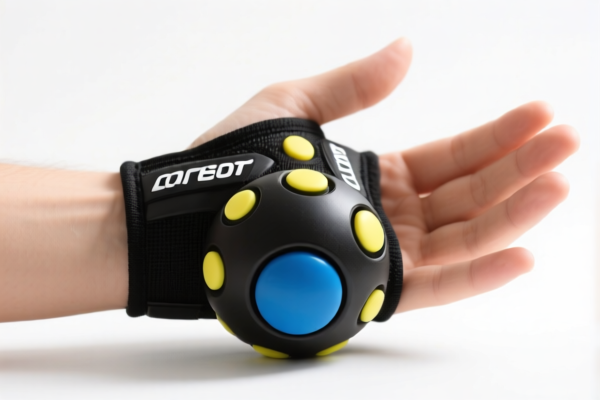
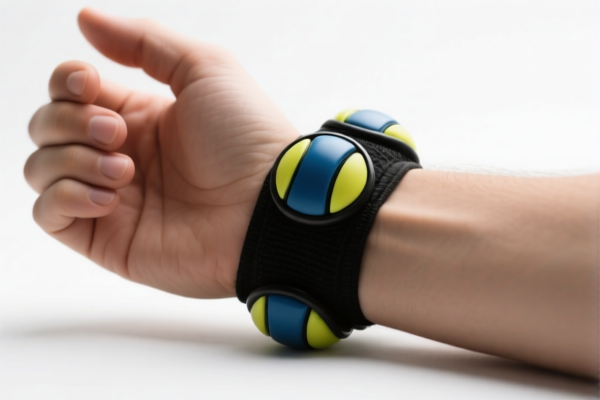
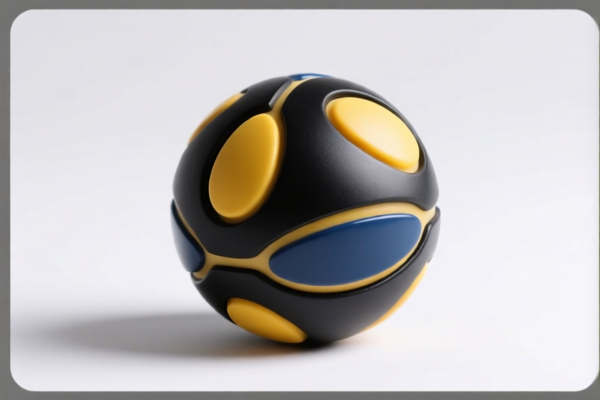
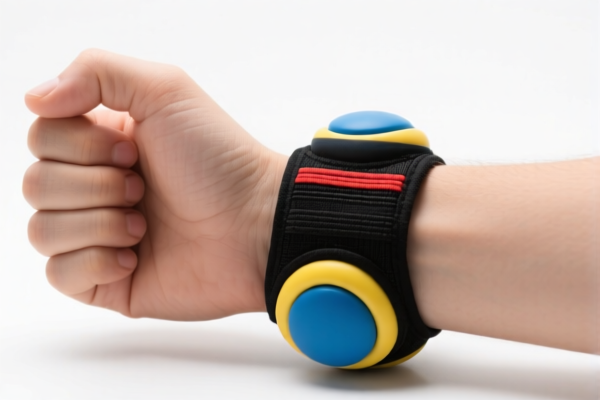
AI Analysis
🤸 Wrist Strength Ball (Wrist Exerciser / Grip Trainer)
🌐 HS Code Reference & Customs Clearance Guide | 2026 Latest Tariff Analysis | Professional Customs Strategy
📌 1. Product Definition and Classification: What is a “Wrist Strength Ball”?
A Wrist Strength Ball (also known as a wrist exerciser, grip trainer, or stress ball with resistance) is a handheld device used for physical therapy, sports conditioning, or general fitness. Its primary function is to improve wrist strength, finger dexterity, and forearm muscle tone through rotational or squeezing exercises.
In international trade, the classification hinges on two factors: 1. Material: Usually rubber, silicone, or plastic. 2. Purpose: Specifically designed for sports/physical education (fitness/wrist conditioning).
⚠️ Key Distinction:
- If marketed primarily as a medical device for rehabilitation (e.g., post-surgery therapy), it may fall under 9019.10 (Mechano-therapy appliances).
- If marketed for general fitness, sports training, or gym use, it is classified as a sports equipment accessory under Chapter 95.
Note: The provided data assumes a general fitness/sports application.
📦 2. HS Code Classification Details (Based on Provided Data)
The following HS Codes are derived from the specific summaries provided in the input data. They reflect different interpretations of the product’s material or precise sports categorization.
| HS Code | Product Description (Based on Input Summary) | Key Justification from Input |
|---|---|---|
| 3926.90.99.05 | Plastic Elastic Band/Strap Category | "Inferred elasticity from name 'elastic'; matches material/shape of plastic elastic bands." |
| 3926.90.99.89 | Other Articles of Plastics/Rubber | "Material matches rubber/plastic; classified as 'other articles' not specifically listed." |
| 9506.91.00.30 | Other Sports Equipment (Wrist Exercise) | "Purpose is general sports/fitness gear (wrist exercise); form is fitness product." |
| 9506.99.60.80 | Other Physical Exercise Apparatus | "Determined as physical training equipment; material assumed rubber/plastic; 'other' category." |
🔍 Critical Analysis:
- Chapters 39 vs. 95:
- HS 3926 treats the item as a plastic/rubber article (general goods).
- HS 9506 treats the item as sports equipment.
- Customs Preference: Generally, if the item is clearly marketed for sports/fitness, Chapter 95 is more accurate. However, if the item is a simple elastic band without specific "sports" labeling, Chapter 39 might be applied. The provided data shows both possibilities.
💰 3. 2026 Latest Tariff Rate Breakdown (Including Surtaxes)
✅ Applicable Country: United States (US)
✅ Origin: China (CN)
✅ Effective Time: Rates include Section 301 and 122 Tariffs as per input data.
🎯 Option 1: Plastic/Rubber Article Classification (HS 3926)
HS Code: 3926.90.99.05 & 3926.90.99.89
| Item | Detail |
|---|---|
| Base Tariff | 5.3% |
| Section 301 Surtax | 7.5% |
| Section 122 Tariff | 10% |
| Total Tax Rate | 22.8% |
| Calculation | CIF Value × 22.8% |
| De Minimis Exemption | ❌ Not Applicable (High tariff rate usually disqualifies from de minimis benefits under current rules) |
| Legal Basis | Base Rate + Trade Act Surtaxes |
📌 Explanation:
- These codes classify the product as a general plastic/rubber good.
- The 22.8% total rate is significant. It includes the base duty, the standard Section 301 surcharge (7.5%), and an additional 122 tariff (10%).
- Note: The input data lists "Steel, Aluminum, Copper Surtax: 50%" separately, which does not apply to plastic/rubber wrist balls.
🎯 Option 2: Sports Equipment Classification (HS 9506)
HS Code: 9506.91.00.30 & 9506.99.60.80
A. 9506.91.00.30 (Other Sports Equipment)
| Item | Detail |
|---|---|
| Base Tariff | 4.6% |
| Section 301 Surtax | 7.5% |
| Section 122 Tariff | 10% |
| Total Tax Rate | 22.1% |
| Calculation | CIF Value × 22.1% |
| De Minimis Exemption | ❌ Not Applicable |
B. 9506.99.60.80 (Other Physical Exercise Apparatus)
| Item | Detail |
|---|---|
| Base Tariff | 4.0% |
| Section 301 Surtax | 7.5% |
| Section 122 Tariff | 10% |
| Total Tax Rate | 21.5% |
| Calculation | CIF Value × 21.5% |
| De Minimis Exemption | ❌ Not Applicable |
📌 Explanation:
- Sports classifications (HS 9506) offer slightly lower tariffs (21.5%–22.1%) compared to general plastic articles (22.8%).
- Why? The base duty for sports equipment (4.0%–4.6%) is lower than for general plastics (5.3%).
- Crucial Warning: The input data mentions "Steel, Aluminum, Copper Surtax: 50%" for HS 9506 codes. This does NOT apply to wrist balls unless the ball contains significant metal parts (e.g., a weighted metal core). For standard rubber/plastic balls, this surcharge is irrelevant.
🛠️ 4. Customs Clearance Practical Advice (Avoid Pitfalls)
✅ 1. Documentation Checklist (Must-Haves)
| Document | Required? | Purpose |
|---|---|---|
| Product Specification Sheet | ✔️ | Must specify: Material (Rubber/Silicone/Plastic), Weight, Diameter, Intended Use (Fitness/Rehab). |
| Product Photos | ✔️ | Show the ball from multiple angles; highlight any branding or "sports" logos. |
| Commercial Invoice | ✔️ | Clearly state: "Wrist Strength Ball, For Sports/Fitness Use, Material: Rubber." Avoid vague terms like "Elastic Band." |
| Origin Certificate (CO) | ✔️ | To confirm Chinese origin and apply appropriate tariffs. |
| Packing List | ✔️ | Detail quantity and net/gross weight. |
✅ 2. Declaration Tips (Key Phrases)
🔥 “Declare by Use, Not Just Material!”
| Scenario | Recommended Declaration | Incorrect Declaration |
|---|---|---|
| Standard Fitness Ball | Wrist Exerciser, Rubber, For Sports Fitness |
Plastic Ball or Elastic Band |
| Medical Rehabilitation | Rehabilitation Wrist Trainer, Medical Device |
Sports Equipment (Risk of misclassification) |
| Toy Version (For Kids) | Plastic Toy Ball, For Play |
Wrist Strength Ball (Could trigger higher scrutiny) |
✅ 3. Special Case Handling
| Situation | Recommendation |
|---|---|
| Weighted Balls | If the ball contains metal weights, ensure the declaration reflects the composite nature. Check if metal surcharges apply. |
| OEM/White Label | Provide brand authorization if using a trademarked name. |
| Material Variance | If made of silicone vs. rubber, the classification remains similar, but material description must be accurate for customs valuation. |
🌍 5. Global Market Comparison (2026 Outlook)
| Market | Recommended HS Code | Est. Tariff (China Origin) | Key Requirements |
|---|---|---|---|
| 🇺🇸 USA | 9506.91.00.30 / 9506.99.60.80 | 21.5% – 22.1% | Section 301 + 122 Tariffs apply. No de minimis. |
| 🇪🇺 EU | 9506.99.90 | ~4.7% (Base) | CE Marking if marketed as medical/rehab. RoHS for electronics (if any). |
| 🇨🇳 China | 9506.99.90 | 5% – 9% | Standard import duties. No surtaxes. |
| 🇯🇵 Japan | 9506.99.00 | 0% – 3.6% | JIS Certification if for medical use. |
📌 Conclusion:
- The USA imposes the highest tariffs due to additional surtaxes.
- Chapter 95 (Sports) is generally more favorable than Chapter 39 (Plastics) for wrist strength balls in the US market.
- Always declare the primary use (Sports/Fitness) to justify HS 9506 classification.
📌 6. Common Errors & Pitfalls (Blood & Tears Lessons)
❌ Error 1: Declaring as "Elastic Band" (HS 3926.90.99.05)
👉 Consequence: Misses the "Sports" benefit. Tax rate 22.8% vs. 21.5%. Small difference, but wrong classification leads to audits.
❌ Error 2: Ignoring the 122 Tariff
👉 Consequence: Unexpected 10% surcharge at customs. Budget planning must include this.
❌ Error 3: Mislabeling as "Medical Device" without proper certifications
👉 Consequence: FDA rejection or customs hold. If it’s for general fitness, do not claim medical benefits.
❌ Error 4: Assuming De Minimis ($800) applies
👉 Consequence: With tariffs >10%, de minimis is often denied for Chinese goods under current enforcement. Expect full duty payment.
✅ Correct Practice:
"Wrist Strength Trainer, 6kg, Silicone Rubber, For Gym Fitness Use, Model WS-100"
🎯 7. Conclusion: Professional Declaration, Cost Optimization!
🎯 Remember the Rule of Thumb:
🔹 "Sports Use Wins Lower Tariffs!" (21.5% vs 22.8%)
🔹 "Declare Material + Purpose Clearly."
🔹 "Budget for 22% Total Duty for US Shipments from China."
📌 Pro Tip:
If you are shipping small quantities (<$800), check current de minimis enforcement policies. Currently, high-tariff items from China may not qualify. For larger shipments, Apply for Advance Ruling to lock in the HS Code (preferably 9506.99.60.80) and avoid disputes.
📣 Immediate Action:
📞 Contact a licensed Customs Broker
📤 Provide Product Specs + Photos
🚀 Ensure Smooth Clearance, Predictable Costs, Zero Surprises!
✨ Professional Clearance Starts with Accurate Classification!
💼 Your Bottom Line Depends on the First Line of Your Invoice!
Customer Reviews
About HS Code Classification
The Harmonized System (HS) is an internationally standardized nomenclature developed by the World Customs Organization (WCO) to classify traded products. Over 200 countries use the HS system as the basis for customs tariffs, trade statistics, and import/export regulations.
Each HS code follows a hierarchical structure:
- Chapter (2 digits) — Broad category of goods (e.g., Chapter 84: Machinery and Mechanical Appliances)
- Heading (4 digits) — More specific grouping within the chapter
- Subheading (6 digits) — Internationally standardized breakdown, used by all WCO member countries
- National subdivisions (8-10 digits) — Country-specific extensions for further classification, such as US HTSUS 10-digit codes
Correct HS code classification is essential for smooth customs clearance, accurate duty payment, and compliance with trade regulations. Misclassification can lead to customs delays, overpayment of duties, or penalties.
When importing from CN to US, the applicable tariff rates may include:
- Most-Favored-Nation (MFN) rate — The standard duty rate applied to WTO members
- General rate — Applied to countries without trade agreements
- Trade remedy duties — Additional tariffs such as Section 301 (anti-dumping), Section 232 (national security), or countervailing duties
The information provided on this page is for reference purposes only. For official classification, please consult with your local customs authority or a licensed customs broker.