Yarn and Textiles
CN → US| HS Code | Tariff Rate | Origin | Destination | Doc |
|---|---|---|---|---|
| 5205 | 0.0% | CN | US | Official Doc |
| 5402 | 0.0% | CN | US | Official Doc |
| 5205 | 0.0% | CN | US | Official Doc |
| 5402 | 0.0% | CN | US | Official Doc |
| 5205 | 0.0% | CN | US | Official Doc |
| 5402 | 0.0% | CN | US | Official Doc |
Product Images
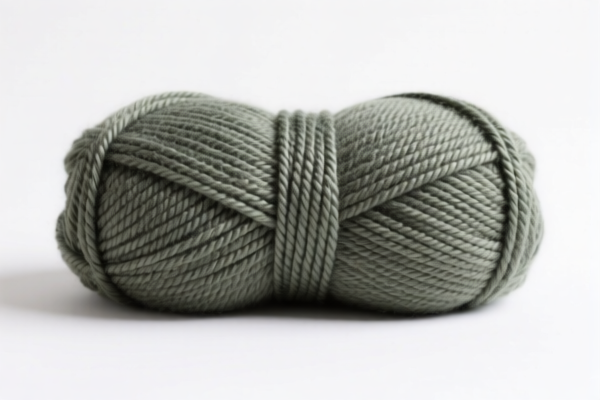
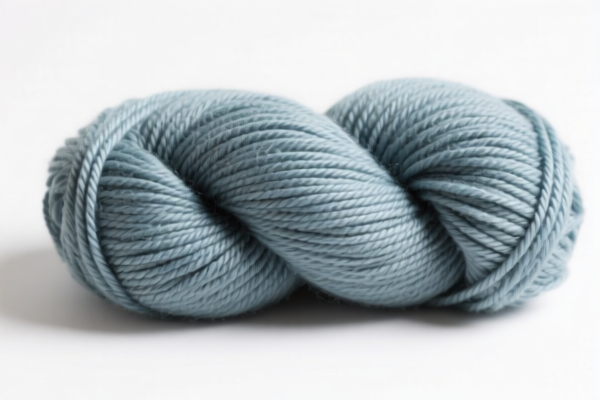
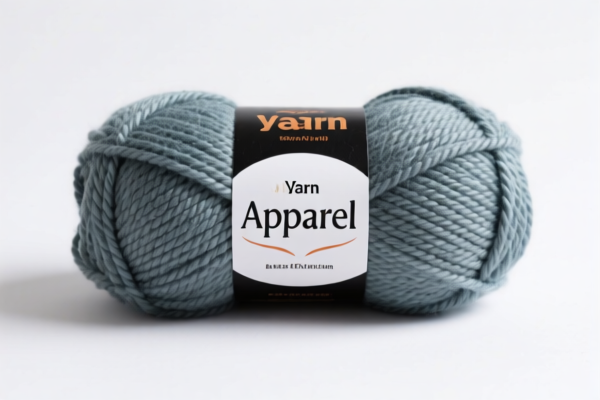
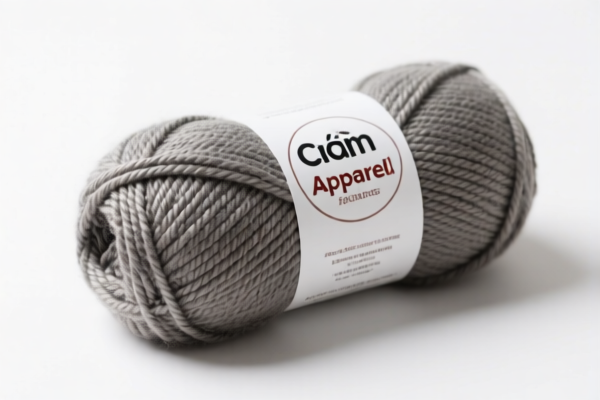
AI Analysis
🧵 Yarn & Textiles: The Fiber Foundation | 2026 Customs Classification & Clearance Guide
🌐 HS Code Reference & Clearance Strategy | Latest Tariff Analysis for Cotton & Synthetic Yarn
📌 I. Product Definition: What Exactly Are You Shipping?
In international trade, "Yarn" is defined as a continuous strand of twisted or untwisted fibers (natural, man-made, or artificial). It is the raw material for knitting, weaving, embroidery, and other textile arts.
The critical distinction in customs classification lies in the material source and whether the yarn is "put up for retail sale" (small consumer packs) or in bulk (industrial/spools).
⚠️ Key Distinction:
- Cotton Yarn: Derived from natural cotton fibers. Falls primarily under Chapter 52.
- Synthetic Filament Yarn: Made from polymers like polyester, nylon, or acrylic. Falls primarily under Chapter 54.
- "Not Put Up for Retail Sale": This phrase is crucial. It means the yarn is on large cones, skeins, or hanks intended for industrial manufacturing, NOT small spools for home knitting enthusiasts.
📦 II. HS Code Classification Details (2026 Latest Tariff Alignment)
Based on the provided data, there are two primary HS Codes involved. Note that while the descriptions overlap in function, they differ strictly by material composition.
| HS Code | Product Description | Material Source | Typical Use Case |
|---|---|---|---|
| 5205 | Cotton yarn, not put up for retail sale (including knitting/crocheting types) | Natural Fiber (Cotton) | Industrial weaving, bulk knitting, denim production, fabric manufacturing. |
| 5402 | Synthetic filament yarn, not put up for retail sale (including knitting/crocheting types) | Synthetic Polymer (e.g., Polyester, Nylon, Acrylic) | Performance fabrics, sportswear, industrial ropes, synthetic textiles. |
🔍 Critical Clarification:
- 5205 applies ONLY to cotton-based yarns.
- 5402 applies ONLY to synthetic filament yarns.
- Blended Yarns: If your yarn is a blend (e.g., 60% Cotton / 40% Polyester), classification depends on weight ratios and specific chapter notes, but often defaults to the synthetic or cotton chapter based on principal material. Always check specific blend rules.
💰 III. 2026 Tariff Rate Analysis: The "Error" Context
✅ Important Note on Tax Data:
The provided data indicates:
"tax_detail": "Failed to retrieve tax information"
"total_tax": "Error"This means specific tariff rates cannot be automatically calculated from this dataset alone. However, this is a common scenario in automated systems when: 1. Dynamic Tariffs: Rates change based on Origin (e.g., USMCA, EU GSP, China Section 301), Trade Policy (Anti-dumping duties), or Specific Yearly Adjustments. 2. Missing Input: The system lacks the Country of Origin and Destination Country to apply preferential or punitive rates.
🎯 Hypothetical Tariff Scenarios (For Educational Purpose)
Since exact rates are "Error," here is how you must interpret the risk:
1. Cotton Yarn (HS 5205)
- Base Duty: Typically ranges from 0% to 12% depending on the country (e.g., 0% for many developing nations, higher for EU/US).
- Risk Factor:
- US: If from China, subject to Section 301 tariffs (potentially +25%).
- EU: May have tariff-rate quotas (TRQs) for cotton yarn.
- Anti-Dumping: Check if your specific country is under anti-dumping duties (e.g., India, Egypt, or China in certain markets).
2. Synthetic Filament Yarn (HS 5402)
- Base Duty: Typically ranges from 0% to 6.5%.
- Risk Factor:
- US: If from China, subject to Section 301 tariffs (+25%).
- Environmental Taxes: Some countries (like EU) may apply carbon border adjustments or plastic taxes if synthetic filaments are non-recycled.
📌 Conclusion on Tax:
Do NOT assume 0% or a fixed rate. The "Error" status requires manual verification based on: 1. Origin Country (Where was it manufactured?) 2. Destination Country (Where is it imported?) 3. Trade Agreements (Free Trade Agreements?)
🛠️ IV. Clearance实操 Advice (Practical Tips for Smooth Customs)
✅ 1. Documentation Checklist (Non-Negotiable)
| Document | Required? | Why? |
|---|---|---|
| Commercial Invoice | ✔️ | Must explicitly state: "Cotton Yarn" or "Synthetic Filament Yarn," NOT "Textile Material" (too vague). |
| Packing List | ✔️ | Specify weight, number of cones/skeins, and gross/net weight. |
| Fiber Content Declaration | ✔️ | Must state % Cotton vs. % Synthetic (if blended). Mislabeling leads to fines. |
| Origin Certificate (CO) | ✔️ | Critical for claiming preferential tariffs (e.g., Form A, Certificate of Origin). |
| Product Specification Sheet | ✔️ | Include: Twist direction (Z/S), count (Nm/Ne), fiber type, dyeing status (white/dyed). |
✅ 2. Common Classification Mistakes & Pitfalls
❌ Mistake 1: Calling "Synthetic Yarn" just "Yarn"
👉 Consequence: Customs may default to the highest duty rate or require additional classification fees.
✅ Fix: Always specify "Synthetic Filament Yarn, Polyester" or "Cotton Knitting Yarn".
❌ Mistake 2: Confusing "Filament" with "Staple"
👉 Consequence:
- Filament (continuous, smooth) → 5402
- Staple (short fibers, spun) → 5510 (Synthetic Staple) or 5206 (Cotton Staple)
👉 Risk: Wrong HS Code → 100% duty penalty + seizure.
✅ Fix: Confirm if your yarn is continuous filament (5402) or spun staple fiber.
❌ Mistake 3: Ignoring "Retail vs. Industrial" Packaging
👉 Consequence: If packaged in small cones for retail, it may fall under Chapter 56 (prepared textile fabrics) or other headings, with different duties.
✅ Fix: Ensure packaging clearly indicates "Industrial/Bulk Use" and "Not for Retail Sale."
✅ 3. Special Notes for 2026
- Sustainability Compliance: The EU and US are tightening rules on recycled content. If your synthetic yarn is recycled, declare it as such (HS Code may differ, e.g., 5402 vs. 5407 for woven fabrics made from recycled yarn).
- US-China Section 301: If exporting from China to the US, both 5205 and 5402 are likely subject to an additional 25% tariff unless exempted (List 4A exclusions). Check current exclusion lists.
- Anti-Dumping Duties: Some countries impose AD duties on specific cotton yarns from certain origins (e.g., India, Pakistan, China). Verify with local customs broker.
🌍 V. Global Market Insights (2026)
| Region | HS Code Focus | Typical Duty (China Origin) | Key Requirement |
|---|---|---|---|
| 🇺🇸 USA | 5205, 5402 | Base + 25% (Sec 301) | Detailed origin proof, FCC (if mixed with electronics), but primarily CBP tariff enforcement. |
| 🇪🇺 EU | 5205, 5402 | 0% - 6.5% (GSP/LDC benefits if applicable) | EPR (Extended Producer Responsibility) for packaging, CBAM if recycled content is low. |
| 🇨🇳 China | 5205, 5402 | 4% - 7.5% | CCC certification (not always for yarn, but for final textile products). |
| 🇮🇳 India | 5205, 5402 | 5% - 10% | Strict fiber content testing, BIS certification may be required. |
📌 VI. Final Checklist for Importers/Exporters
- Confirm Material: Is it Cotton (5205) or Synthetic (5402)?
- Confirm Form: Is it Filament (continuous) or Staple (spun)?
- If Staple Synthetic → 5402 is WRONG, check 5510.
- If Staple Cotton → 5205 is WRONG, check 5206.
- Check Origin: Does your country have a Free Trade Agreement with the destination?
- Verify Tax: Since the system returns "Error," contact a licensed customs broker with the full HS Code, Origin, and Value to get the exact duty calculation.
🚨 Warning: Never ship with "Tax: Error" resolved internally. Always pre-clear with a customs authority or broker to avoid port delays.
🎯 Conclusion: Precision in Yarn Classification
🎯 Key Takeaway:
- Cotton Yarn → HS 5205
- Synthetic Filament Yarn → HS 5402
- Tax is NOT fixed due to origin, trade policies, and dynamic tariffs.
- "Error" in tax data is a signal to manually verify with customs professionals.
📌 Pro Tip:
"Material First, Form Second, Origin Third."
- Get the fiber content right (Cotton vs. Synthetic).
- Get the form right (Filament vs. Staple).
- Then, calculate tariffs based on origin.
📣 Action Required:
📞 Contact your customs broker with:
1. Product Photo
2. Fiber Content %
3. Country of Manufacture
4. HS Code (5205 or 5402)🚀 Avoid Clearance Delays, Penalties, and Surprises!
✨ Accurate Classification Saves Money.
💼 Don't Let "Tax Error" Cost You Profits.
Customer Reviews
About HS Code Classification
The Harmonized System (HS) is an internationally standardized nomenclature developed by the World Customs Organization (WCO) to classify traded products. Over 200 countries use the HS system as the basis for customs tariffs, trade statistics, and import/export regulations.
Each HS code follows a hierarchical structure:
- Chapter (2 digits) — Broad category of goods (e.g., Chapter 84: Machinery and Mechanical Appliances)
- Heading (4 digits) — More specific grouping within the chapter
- Subheading (6 digits) — Internationally standardized breakdown, used by all WCO member countries
- National subdivisions (8-10 digits) — Country-specific extensions for further classification, such as US HTSUS 10-digit codes
Correct HS code classification is essential for smooth customs clearance, accurate duty payment, and compliance with trade regulations. Misclassification can lead to customs delays, overpayment of duties, or penalties.
When importing from CN to US, the applicable tariff rates may include:
- Most-Favored-Nation (MFN) rate — The standard duty rate applied to WTO members
- General rate — Applied to countries without trade agreements
- Trade remedy duties — Additional tariffs such as Section 301 (anti-dumping), Section 232 (national security), or countervailing duties
The information provided on this page is for reference purposes only. For official classification, please consult with your local customs authority or a licensed customs broker.