Yellow Ash Rough Timber
CN → US| HS Code | Tariff Rate | Origin | Destination | Doc |
|---|---|---|---|---|
| 4407950000 | 35.0% | CN | US | Official Doc |
| 4407990000 | 0.0% | CN | US | Official Doc |
Product Images
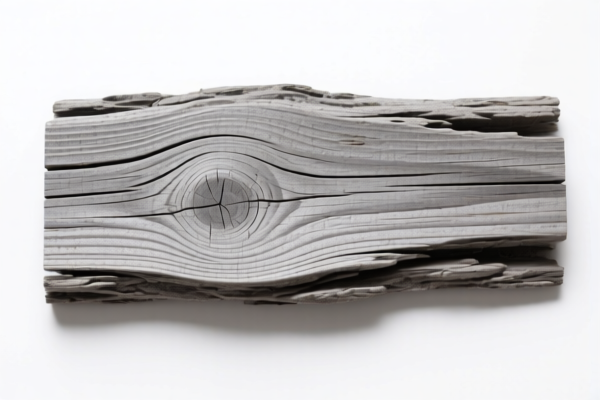
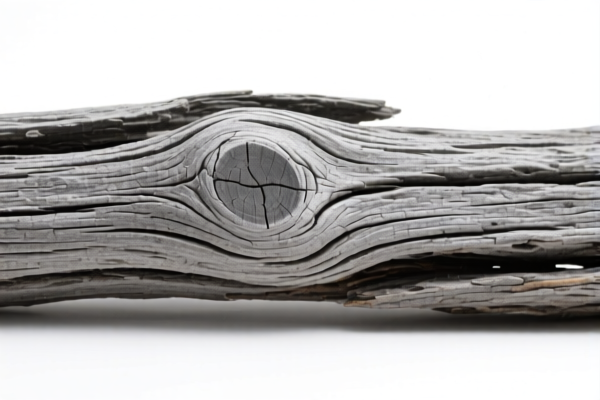
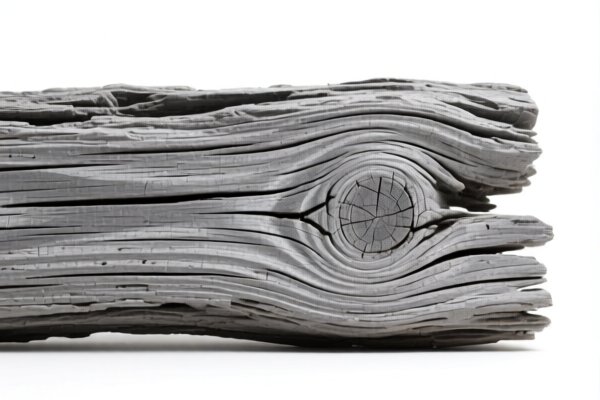
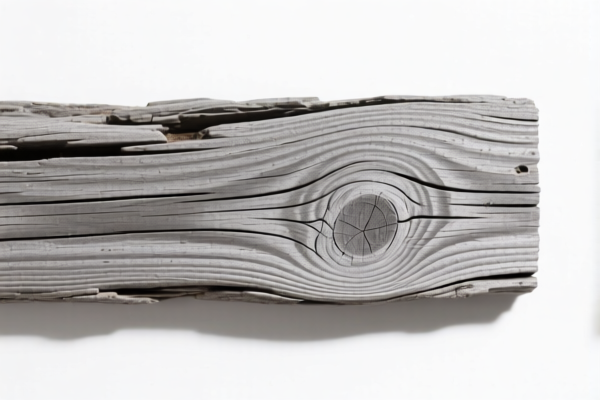
AI Analysis
🌲 Yellow Ash Rough Timber (Fraxinus spp.)
🌐 HS Code Reference & Customs Clearance Guide | 2026 Latest Tariff Analysis | Professional Wood Processing Strategy
📌 I. Product Definition & Classification: What is "Yellow Ash Rough Timber"?
Yellow Ash, commonly referred to as White Ash in trade contexts (Scientific Name: Fraxinus spp.), is a premium hardwood known for its straight grain, high shock resistance, and pale, creamy-white color. In international trade, when the timber is described as "Rough Timber" or "Sawn Wood" with a thickness exceeding 6mm, it falls squarely under Chapter 44 of the Harmonized System (HS).
Key Distinction:
- Rough/Sawn Wood: Processed lengthwise, sliced, peeled, or planed, but not yet made into finished furniture or flooring. Thickness > 6mm.
- Finished Goods: If processed into furniture, flooring, or musical instruments, it would move to Chapters 94 or 44.03/44.07 adjustments. For raw lumber, we focus on HS 4407.
⚠️ Critical Classification Point:
- If the wood is of the genus Fraxinus (Ash) → It is classified specifically under 4407.95.
- If the wood type is unknown or not specifically listed as Ash → It defaults to "Other" under 4407.99.
- Thickness Check: Must be > 6 mm. If ≤ 6 mm, it may fall under HS 4409 (Continuously formed wood, e.g., flooring strips), but "Rough Timber" typically implies structural or semi-finished lumber > 6mm.
📦 II. HS Code Classification Details (2026 Latest Tariff Reference)
| HS Code | Product Description | Applicable Scenario | Specific Wood Type |
|---|---|---|---|
4407.95.00.00 |
Wood sawn lengthwise, sliced or peeled, thickness > 6mm: Other: Of Ash (Fraxinus spp.) | Yellow Ash, White Ash lumber, ash planks, ash beams | ✅ Yes (Fraxinus spp.) |
4407.99.00.00 |
Wood sawn lengthwise, sliced or peeled, thickness > 6mm: Other: Other | Any other hardwood not specifically listed (e.g., Oak, Maple, Walnut, or unknown species) | ❌ No |
🔍 Key Reminder:
- "Yellow Ash" is taxonomically Fraxinus. Therefore, the primary classification is 4407.95.00.00.
- Only if the supplier cannot prove it is Fraxinus (e.g., missing botanical certification) should you consider 4407.99.00.00.
- "Rough" in this context means it has been sawn/peeled but not necessarily finished (e.g., no sanding to aesthetic finish), which still fits 4407.
💰 III. 2026 Latest Tariff Rate Breakdown (Including Additional Duties)
✅ Applicable Country: USA (US)
✅ Origin: China (CN) (Note: Ash timber is commonly exported from North America, but if originating from China or subject to US-China trade terms, the following applies)
✅ Effective Date: Current trade war tariffs remain in effect for 2026.
🎯 1. 4407.95.00.00 —— Sawn Wood of Ash (Fraxinus spp.)
| Item | Content |
|---|---|
| Base Tariff Rate | 0.0% (Ad Valorem) |
| Section 301 Additional Tariff | +25.0% (From USITC Footnote regarding Chinese imports) |
| Total Effective Tariff | 25.0% |
| Tax Calculation | CIF Value × 25% |
| De Minimis Exemption | ❌ Not Applicable (Shipments under $800 may be exempt under Section 321, but large timber shipments usually exceed this or are scrutinized) |
| Legal Basis Path | USITC:4407.95.00.00 → Section 301: Chapter 44 Wood Articles → Footnote 9903.88.01 (if applicable to specific subheadings) |
📌 Explanation:
- The base tariff for Ash wood is 0%, making it competitively neutral in terms of base duties.
- However, the 25% additional tariff under Section 301 applies to most Chinese-origin wood products. This significantly increases landed cost.
- Total Tax: 25.0%. This is a high-cost item for importers from China.
🎯 2. 4407.99.00.00 —— Other Sawn Wood (Non-Ash)
| Item | Content |
|---|---|
| Base Tariff Rate | Standard MFN Rate (Varies, often 0-5%) |
| Section 301 Additional Tariff | Information Not Available / Error |
| Total Effective Tariff | Error / Unknown |
📌 Warning:
- The system returned "Failed to retrieve tax information" for4407.99.00.00. This does not mean it is tax-free.
- "Other" wood products often face different 301 tariff lists. Some may be 25%, some 7.5%, some 0%.
- Risk: Misclassifying Ash as "Other" to avoid the 25% tariff is illegal and subject to severe penalties if botanical evidence (Fraxinus) is found.
- Recommendation: Do not use4407.99.00.00if the wood is Ash. It is a compliance risk.
🛠️ IV. Customs Clearance Practical Advice (Pitfall Avoidance Guide)
✅ 1. Required Documentation Checklist
| Document | Mandatory? | Explanation |
|---|---|---|
| ✅ Commercial Invoice | ✔️ | Must state: "Sawn Wood of Fraxinus spp. (Yellow Ash), Thickness > 6mm" |
| ✅ Packing List | ✔️ | Detail weight, volume (CBM), and number of bundles |
| ✅ Phytosanitary Certificate | ✔️ | Crucial! Wood is subject to ISPM 15 standards. Must show heat treatment or fumigation. |
| ✅ Botanical Certification | ✔️ | Critical for 4407.95.00.00. Provide scientific name (Fraxinus) and common name (Yellow Ash). |
| ✅ Bill of Lading (B/L) | ✔️ | Consistent with invoice and packing list |
| ✅ Fumigation Treatment Label | ✔️ | Physical stamps on wood bundles showing HT (Heat Treatment) or MB (Methyl Bromide) |
⚠️ Key Warning:
- No Phytosanitary Certificate = Seizure or Return!
- Incorrect Species = Misclassification Penalty! Customs may require a lab test to verify if it is Fraxinus.
✅ 2. Declaration Strategy (Key Mantra)
🔥 "Species First, Thickness Check, Phytosanitary Ready, No 'Other' Lie!"
| Scenario | Correct Declaration | Wrong Approach |
|---|---|---|
| Confirmed Ash Wood | 4407.95.00.00 + "Yellow Ash (Fraxinus)" |
Declare as "Hardwood Lumber" → Ambiguous |
| Mixed Wood (Ash + Oak) | Separate HS Codes or declare as "Mixed" (if allowed, but risky) | Declare all as Ash → Fraud risk |
| Thickness ≤ 6mm | Do NOT use 4407. Check HS 4409 (Continuously formed wood) | Use 4407 → Incorrect classification |
| Unknown Species | 4407.99.00.00 + "Hardwood, Species Unknown" |
Declare as Ash → False declaration |
✅ 3. Special Circumstances
| Situation | Handling Advice |
|---|---|
| Import from USA/Canada | If origin is North America, Section 301 tariffs do not apply. Tax may be 0%. Check Certificate of Origin! |
| Import from China | Subject to 25% additional tariff. Plan for higher landed cost. |
| Wood with Pests/Damage | Rejected at border. Ensure ISPM 15 compliance before shipment. |
| Wood for Musical Instruments | Still 4407.95.00.00 if raw. Finished instruments go to Chapter 92. |
🌍 V. Global Market Comparison (2026)
| Country/Region | Recommended HS Code | Tariff (China Origin) | Certification Required | Notes |
|---|---|---|---|---|
| 🇺🇸 USA | 4407.95.00.00 |
25% (Section 301) | Phytosanitary + ISPM 15 | High tariff. Check if US origin for exemption. |
| 🇨🇳 China | 4407.95.00.00 |
Varies (Check latest) | Phytosanitary | Import duties on Ash may be lower. |
| 🇪🇺 EU | 4407.95.00.00 |
0-5% | EUTR (EU Timber Regulation) Compliance | Strict due diligence required. |
| 🇬🇧 UK | 4407.95.00.00 |
0-5% | UK Timber Regulations | Post-Brexit rules apply. |
📌 Conclusion:
- USA is the highest-cost destination for Ash timber from China due to the 25% Section 301 tariff.
- If possible, source Ash from North America or Europe to avoid the 301 tariff.
- Compliance is key: Always provide botanical names and phytosanitary certificates.
📌 VI. Common Mistakes & Pitfalls (Lessons Learned)
❌ Mistake 1: Declaring "Yellow Ash" as "Other Wood" (4407.99.00.00) to avoid scrutiny
👉 Consequence: Customs may reject the declaration, demand lab tests, and impose penalties for misclassification.
❌ Mistake 2: Ignoring Phytosanitary Requirements
👉 Consequence: Cargo held at port, demurrage charges, or destruction of wood due to pest risk.
❌ Mistake 3: Confusing "Rough Sawn" with "Finished Flooring"
👉 Consequence: If the wood is already shaped for flooring (<6mm thickness or profiled), it may be 4409.29.00.00. Misclassification leads to tariff errors.
✅ Correct Practice:
"Sawn Wood of Fraxinus spp. (Yellow Ash), Thickness: 25mm, Surface: Rough-sawn, Heat Treated, ISPM 15 Certified, Origin: [Country]"
🎯 VII. Conclusion: Professional Declaration, Cost Control, Smooth Clearance
🎯 Remember the Mantra:
🔹 "Ash is Fraxinus, Tax is 25% (China), Thickness > 6mm, Phyto is Key!"
🔹 "Don't hide behind 'Other', Botanical Proof Saves the Day!"
📌 Pro Tip:
If your Ash Timber is originating from the USA, Canada, or EU, the Section 301 tariff does not apply. Ensure your Certificate of Origin clearly states the correct country of origin to benefit from 0% additional tariff.
📣 Immediate Action:
📞 Contact your customs broker before shipment.
📄 Ensure Phytosanitary Certificate is issued by the national plant protection organization.
🔍 Verify Botanical Name (Fraxinus) on all commercial documents.🚀 Let your Ash Timber clear customs smoothly, avoid penalties, and protect your margin!
✨ Professional Classification Starts with Accuracy!
💼 Every percentage point of tariff counts!
Customer Reviews
About HS Code Classification
The Harmonized System (HS) is an internationally standardized nomenclature developed by the World Customs Organization (WCO) to classify traded products. Over 200 countries use the HS system as the basis for customs tariffs, trade statistics, and import/export regulations.
Each HS code follows a hierarchical structure:
- Chapter (2 digits) — Broad category of goods (e.g., Chapter 84: Machinery and Mechanical Appliances)
- Heading (4 digits) — More specific grouping within the chapter
- Subheading (6 digits) — Internationally standardized breakdown, used by all WCO member countries
- National subdivisions (8-10 digits) — Country-specific extensions for further classification, such as US HTSUS 10-digit codes
Correct HS code classification is essential for smooth customs clearance, accurate duty payment, and compliance with trade regulations. Misclassification can lead to customs delays, overpayment of duties, or penalties.
When importing from CN to US, the applicable tariff rates may include:
- Most-Favored-Nation (MFN) rate — The standard duty rate applied to WTO members
- General rate — Applied to countries without trade agreements
- Trade remedy duties — Additional tariffs such as Section 301 (anti-dumping), Section 232 (national security), or countervailing duties
The information provided on this page is for reference purposes only. For official classification, please consult with your local customs authority or a licensed customs broker.