Yoga Kneeling Mat
CN → US| HS Code | Tariff Rate | Origin | Destination | Doc |
|---|---|---|---|---|
| 6304920000 | 23.8% | CN | US | Official Doc |
| 4016100000 | 35.0% | CN | US | Official Doc |
| 6304910170 | 23.3% | CN | US | Official Doc |
| 4016990500 | 20.9% | CN | US | Official Doc |
| 3926909989 | 22.8% | CN | US | Official Doc |
Product Images
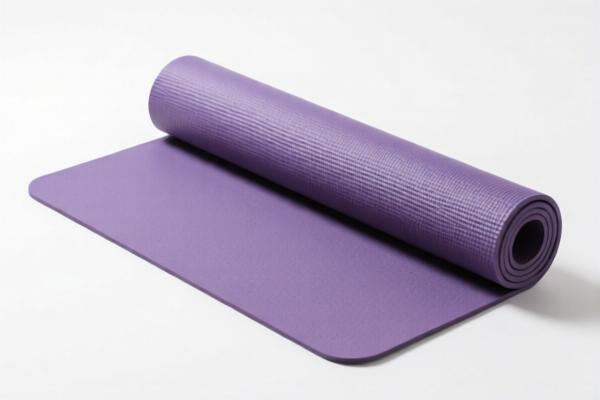

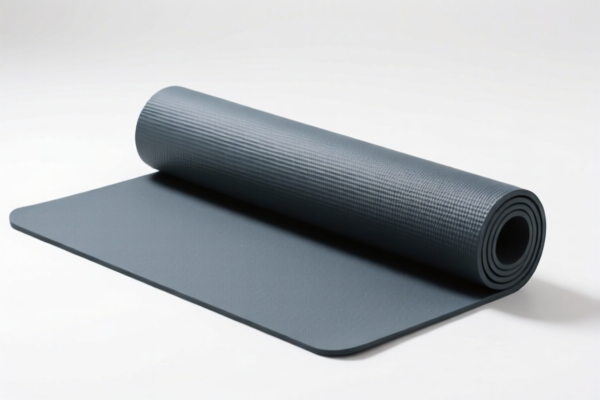
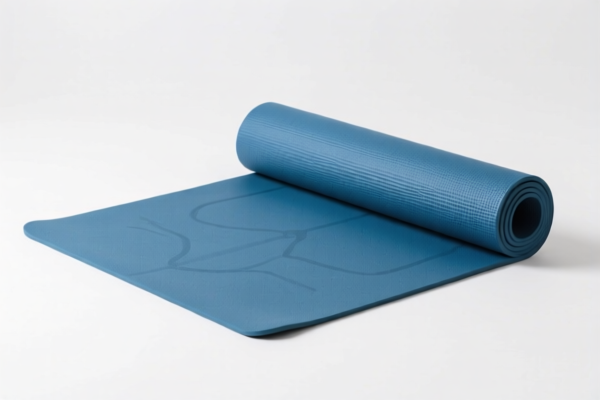
AI Analysis
🧘♀️ Yoga Kneeling Mat (The Ultimate Guide to HS Classification & US Customs Clearance)
🌐 HS Code Reference & Customs Clearance Guide | 2026 Latest Tariff Analysis | Professional Strategy for Importers
📌 One. Product Definition & Classification: What Exactly is a "Yoga Kneeling Mat"?
A Yoga Kneeling Mat (often called a Zafu, Seiza Mat, or Prayer Mat) is a specialized home furnishing or fitness accessory designed to provide cushioning and comfort for the knees during yoga, meditation, or prayer.
In international trade, these products are generally categorized based on their primary material composition and structural integrity: * Textile/Fabric Based: Made of cotton, polyester, or blended fabrics, often stuffed with foam or fiber. These fall under Home Textiles/Furnishings. * Rubber/Plastic Based: Made of solid rubber (EVA, Neoprene, Vulcanized Rubber) or rigid plastic. These fall under Rubber/Plastic Articles.
⚠️ Critical Distinction:
- If the mat is fabric-covered with internal stuffing → It is a Textile/Homeware Item (Chapter 63).
- If the mat is solid rubber or plastic (even if shaped for comfort) → It is a Rubber/Plastic Article (Chapter 40 or 39).
- Do not classify solid rubber mats under textiles, or fabric mats under plastics. Misclassification leads to massive duty penalties!
📦 2. HS Code Classification Matrix (Based on Provided Data)
The following 5 HS Codes are the primary candidates for "Yoga Kneeling Mats" in the US market (2026 Tariff Schedule). Each has distinct material requirements and tax implications.
| HS Code | Product Description | Material/Structure | Total Tax Rate (US) | Primary Basis |
|---|---|---|---|---|
6304.92.00.00 |
Other furnishing articles, of textile materials (Not knitted/crocheted) | Cotton/Fabric/Blends | 23.8% | Base 6.3% + 122 Clauses 7.5% + Section 301 10% |
4016.10.00.00 |
Other articles of vulcanized rubber, cellular (Open-cell) | Solid Rubber/EVA/Neoprene | 35.0% | Base 0.0% + 122 Clauses 7.5% + Section 301 25% |
6304.91.01.70 |
Other furnishing articles, of textile materials (Knitted/Crocheted) | Knitted/Crocheted Fabric | 23.3% | Base 5.8% + 122 Clauses 7.5% + Section 301 10% |
4016.99.05.00 |
Other vulcanized rubber articles (Not cellular/solid block) | Solid Vulcanized Rubber | 20.9% | Base 3.4% + 122 Clauses 7.5% + Section 301 10% |
3926.90.99.89 |
Other articles of plastics (Not specified elsewhere) | PU/EVA/Plastic Composites | 22.8% | Base 5.3% + 122 Clauses 7.5% + Section 301 10% |
🔍 Key Insight:
- Cheapest Option:4016.99.05.00(Solid Rubber) at 20.9%.
- Most Expensive Option:4016.10.00.00(Cellular Rubber) at 35.0% due to the 25% Section 301 tariff.
- Textile Options: Hover around 23.3–23.8%, which are moderate.
💰 3. Detailed Tariff Breakdown (US Market – China Origin)
✅ Applicable Country: United States (US)
✅ Origin: China (CN)
✅ Note: "122 Clauses" refer to Section 301 tariffs; "25%" refers to higher-tier Section 301 duties on specific rubber/plastic goods.
🎯 1. 6304.92.00.00 – Non-Knitted Textile Mats (The Standard Fabric Mat)
| Item | Detail |
|---|---|
| Base Tariff | 6.3% |
| Section 301 Tariff (122 Clauses) | +7.5% |
| Additional 301 Tariff | +10% |
| Total Rate | 23.8% |
| Material Logic | Cotton, polyester, or synthetic blends that are woven (not knitted). Typically filled with foam or fiber batting. |
| Legal Basis | Chapter 63 (Other Made-Up Textile Articles) |
📌 Why this code?
Most commercial yoga kneeling mats are fabric-covered cushions. If the outer layer is woven cotton/polyester and it is not "knitted" (like a sweater), it fits here.
🎯 2. 4016.10.00.00 – Cellular Rubber Mats (The "Spongey" Rubber Mat)
| Item | Detail |
|---|---|
| Base Tariff | 0.0% |
| Section 301 Tariff (122 Clauses) | +7.5% |
| Additional 301 Tariff | +25% |
| Total Rate | 35.0% |
| Material Logic | Vulcanized rubber or EVA foam that is cellular (porous/spongy). This is common in cheap, solid-color EVA yoga blocks or mats. |
| Legal Basis | Chapter 40 (Rubber Articles) |
⚠️ Warning: This is the highest tax bracket for rubber-based mats. Do not classify a solid EVA foam mat here unless you are prepared for 35% duty.
🎯 3. 6304.91.01.70 – Knitted/Crocheted Textile Mats
| Item | Detail |
|---|---|
| Base Tariff | 5.8% |
| Section 301 Tariff (122 Clauses) | +7.5% |
| Additional 301 Tariff | +10% |
| Total Rate | 23.3% |
| Material Logic | Outer shell made of knitted (looped) or crocheted fabric (e.g., wool, acrylic knit). |
| Legal Basis | Chapter 63 (Textile Furnishings) |
📌 Why this code?
If your mat is made of a knitted wool or acrylic cover (common in premium meditation mats), it goes here. Slightly cheaper than woven textiles.
🎯 4. 4016.99.05.00 – Solid Vulcanized Rubber Mats (The Low-Tariff Rubber Choice)
| Item | Detail |
|---|---|
| Base Tariff | 3.4% |
| Section 301 Tariff (122 Clauses) | +7.5% |
| Additional 301 Tariff | +10% |
| Total Rate | 20.9% |
| Material Logic | Solid (non-cellular) vulcanized rubber or similar elastic materials. Not porous foam. |
| Legal Basis | Chapter 40 (Other Rubber Articles) |
🚀 Strategic Advantage:
If you can source or manufacture a solid rubber kneeling pad (not foam/EVA), this is the cheapest option at 20.9%. Ensure it is NOT cellular/porous.
🎯 5. 3926.90.99.89 – Plastic/Composite Mats (PU/EVA Plastics)
| Item | Detail |
|---|---|
| Base Tariff | 5.3% |
| Section 301 Tariff (122 Clauses) | +7.5% |
| Additional 301 Tariff | +10% |
| Total Rate | 22.8% |
| Material Logic | Made of Plastics (PU, PVC, or non-rubber EVA classified as plastic). |
| Legal Basis | Chapter 39 (Plastics and Articles Thereof) |
📌 Why this code?
Some EVA mats are classified as "Plastics" rather than "Rubber" depending on the manufacturing process and chemical composition. If customs deems it plastic, this code applies.
🛠️ 4. Customs Clearance Practical Advice (Avoiding Pitfalls)
✅ 1. Documentation Checklist (Essential for Smooth Clearance)
| Document | Requirement | Purpose |
|---|---|---|
| Product Specification Sheet | ✔️ Required | Must clearly state Material Composition (e.g., "100% Cotton Outer, 50% Polyester Fill") or "Vulcanized Rubber". |
| Material Safety Data Sheet (MSDS) | ✔️ Recommended | For rubber/plastic mats, confirms no hazardous substances. |
| Photos (Clear & Detailed) | ✔️ Required | Show texture: Knitted? Woven? Porous/Spongy? Solid? This determines HS Code. |
| Commercial Invoice | ✔️ Required | Must match HS Code description exactly (e.g., "Textile Yoga Kneeling Mat" vs. "Rubber Kneeling Pad"). |
| Packing List | ✔️ Required | Weight and dimensions for duty calculation. |
| Origin Certificate (CO) | ✔️ If Applicable | For US imports, usually not needed for duty reduction (China origin), but required for compliance. |
✅ 2. Declaration Strategy (Key Mnemonic)
🔥 “Material First, Structure Second, Name Precision, Tax Savings!”
| Scenario | Correct Declaration | Risk if Wrong |
|---|---|---|
| Fabric Mat (Woven) | "Textile Kneeling Mat, Cotton/Polyester Blend" | Misclassify as Rubber → 35% Tax |
| Fabric Mat (Knitted) | "Knitted Textile Meditation Mat" | Misclassify as Woven → Slight tax diff (5.8% vs 6.3%) |
| Solid Rubber Pad | "Vulcanized Rubber Kneeling Pad, Solid" | Misclassify as Cellular Rubber → 35% vs 20.9% Tax |
| EVA/Plastic Mat | "Plastic Yoga Accessory, EVA Material" | Misclassify as Rubber → 22.8% vs 35% Tax |
⚠️ Critical Tip:
- Do not simply declare "Yoga Mat" (which is usually Chapter 95 for sports goods).
- Do not use vague terms like "Cushion". Specify the primary material.
- If the mat is filled (stuffing inside), it is Textile (Ch 63).
- If the mat is solid (one piece of material), it is Rubber (Ch 40) or Plastic (Ch 39).
✅ 3. Special Cases
| Case | Handling Advice |
|---|---|
| Mixed Material (e.g., Fabric Cover + Rubber Base) | Declare based on essential character. If rubber base provides structure, consider 4016.99.05.00. If fabric is dominant, consider 6304.92.00.00. Consult a customs broker. |
| OEM Custom Design | Provide design specs to prove material composition. |
| Sample vs. Bulk | Samples may be exempt under de minimis ($800), but bulk shipments must pay full duties. |
🌍 5. Global Market Comparison (2026)
| Region | Recommended HS Code | Est. Tax Rate (China Origin) | Key Requirement |
|---|---|---|---|
| 🇺🇸 USA | 6304.92.00.00 or 4016.99.05.00 |
20.9% – 23.8% | High scrutiny on "Section 301" compliance. |
| 🇨🇳 China | 6304.99.90.90 |
~10–15% (Import) | CCC Certification may be required for certain foam types. |
| 🇪🇺 EU | 6304.91.00 or 4016.93 |
0–6.5% | CE Marking not always required for yoga mats, but REACH compliance is. |
| 🇬🇧 UK | 6304.91.00 |
0–12% | Post-Brexit rules apply. |
| 🇦🇺 Australia | 6304.91.00 |
5% | Low duties, standard compliance. |
📌 Conclusion:
The US market is the most challenging due to Section 301 tariffs.
Optimal Strategy:
- If you can use Solid Rubber (4016.99.05.00), you save on the 25% penalty.
- If you use Textiles (6304.92.00.00), the rate is stable at 23.8%.
- Avoid Cellular Rubber (4016.10.00.00) if possible, due to the 35% total tax.
📌 6. Common Errors & Pitfalls (Blood & Tears Lessons)
❌ Error 1: Declaring a Solid EVA Foam Mat as "Plastic" (3926) when it is legally "Rubber" (4016).
👉 Consequence: If deemed Rubber, duty jumps from 22.8% to 35% (if cellular) or 20.9% (if solid). Misdeclaration leads to penalties.
❌ Error 2: Declaring a Fabric-Over-Foam Mat as "Plastic" because of the foam inside.
👉 Consequence: Textile mats are Ch 63. Plastic mats are Ch 39. Mixing them up leads to 20%+ duty discrepancies and potential audits.
❌ Error 3: Using "Yoga Mat" as the description without material specs.
👉 Consequence: CBP (Customs and Border Protection) will classify it under the highest applicable rate or hold the shipment for further inspection.
❌ Error 4: Ignoring the "Knitted vs. Woven" distinction for textiles.
👉 Consequence: 6304.91 (Knitted) is 23.3%, while 6304.92 (Woven) is 23.8%. Small difference, but accuracy prevents delays.
✅ Correct Practice:
"Yoga Kneeling Mat, Woven Cotton Outer Shell, Polyester Fiber Fill, 40cm x 30cm, Black, Model YM-100"
OR
"Yoga Kneeling Pad, Solid Vulcanized Rubber, Non-Slip Surface, 35cm x 25cm, Brown, Model YP-200"
🎯 7. Conclusion: Precise Classification, Maximum Savings!
🎯 Remember the Strategy:
🔹 "Textile? Check Knit vs. Weave (23.3–23.8%).”
🔹 "Rubber? Check Solid vs. Cellular (20.9% vs 35%).”
🔹 "Plastic? Only if non-rubber EVA/PU (22.8%).”
🔹 "Never say 'Yoga Mat' alone. Specify Material!"
📌 Pro Tip:
If you are shipping small quantities (<$800), use De Minimis to avoid duties entirely.
For bulk shipments, pre-apply for an Advance Ruling from US CBP if your product has mixed materials.
📣 Immediate Action:
📞 Contact a licensed Customs Broker
📸 Provide clear photos and material specs
🚀 Choose the lowest-tariff HS Code based on TRUE material composition
✨ Professional Clearance Starts with Accurate Classification!
💼 Every Percentage Point Saved is Pure Profit!
Customer Reviews
About HS Code Classification
The Harmonized System (HS) is an internationally standardized nomenclature developed by the World Customs Organization (WCO) to classify traded products. Over 200 countries use the HS system as the basis for customs tariffs, trade statistics, and import/export regulations.
Each HS code follows a hierarchical structure:
- Chapter (2 digits) — Broad category of goods (e.g., Chapter 84: Machinery and Mechanical Appliances)
- Heading (4 digits) — More specific grouping within the chapter
- Subheading (6 digits) — Internationally standardized breakdown, used by all WCO member countries
- National subdivisions (8-10 digits) — Country-specific extensions for further classification, such as US HTSUS 10-digit codes
Correct HS code classification is essential for smooth customs clearance, accurate duty payment, and compliance with trade regulations. Misclassification can lead to customs delays, overpayment of duties, or penalties.
When importing from CN to US, the applicable tariff rates may include:
- Most-Favored-Nation (MFN) rate — The standard duty rate applied to WTO members
- General rate — Applied to countries without trade agreements
- Trade remedy duties — Additional tariffs such as Section 301 (anti-dumping), Section 232 (national security), or countervailing duties
The information provided on this page is for reference purposes only. For official classification, please consult with your local customs authority or a licensed customs broker.