Yoga Pants
CN → US| HS Code | Tariff Rate | Origin | Destination | Doc |
|---|---|---|---|---|
| 6104632011 | 45.7% | CN | US | Official Doc |
| 6112110060 | 32.4% | CN | US | Official Doc |
| 6112120060 | 38.2% | CN | US | Official Doc |
| 6211335030 | 33.5% | CN | US | Official Doc |
| 6211431040 | 33.5% | CN | US | Official Doc |
Product Images
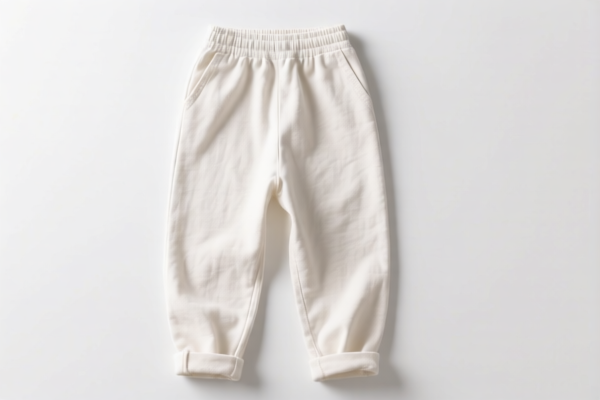
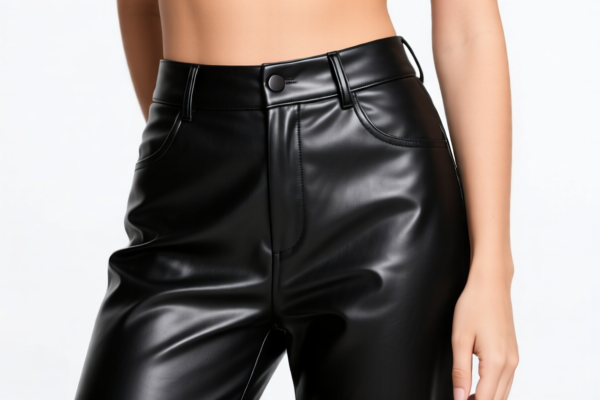
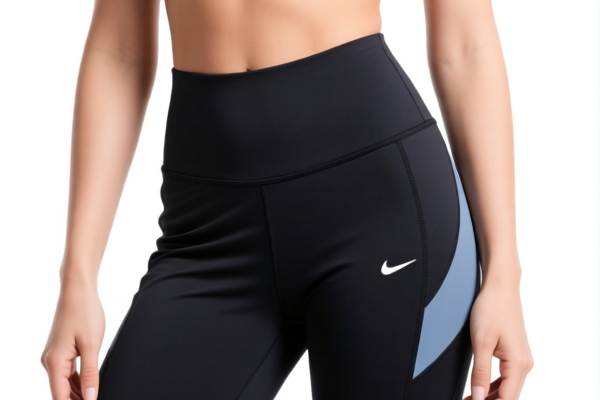

AI Analysis
🧘♀️ Yoga Pants: The Ultimate Global Trade & Customs Guide
🌐 HS Code Reference & Customs Clearance Strategy | 2026 Tariff Analysis | Expert通关 Strategy
📌 Part 1: Product Definition & Classification: Do You Really Know "Yoga Pants"?
Yoga Pants are the cornerstone of the global activewear market, defined by their stretch, flexibility, and suitability for sports and leisure. However, in international trade, a simple "Yoga Pant" can lead to massive tax differences depending on three critical factors: 1. Fabric Composition: Cotton vs. Synthetic vs. Artificial Fiber. 2. Manufacturing Technique: Knitted (Stretch) vs. Woven (Structured). 3. Intended Use & Target: General Women's Wear vs. Dedicated Sports Apparel.
⚠️ Key Classification Distinction:
- "Knitted" (Strand/Yarn based, stretchy): Usually falls under Heading 61 (Knitted Apparel). - "Woven" (Woven cloth, structured): Usually falls under Heading 62 (Woven Apparel). - "Sports-specific": If the product is specifically designed for sports, it may fall under 6112/6211. If it's general fashion wear, it falls under 6104/6211.
📦 Part 2: HS Code Classification Matrix (2026 Authoritative Tariff)
Based on the provided data, here is the precise classification for Yoga Pants, highlighting the massive tax impact of fiber and construction.
| HS Code | Product Summary | Material Type | Fabric Type | Total Tax Rate | Key Tax Components |
| :--- | :--- | :--- | :--- :--- | :--- |
| 6104.63.20.11 | Women's Trousers (Yoga Pants) | Synthetic Fiber | Knitted | 45.7% | 28.2% Base + 7.5% Add'l + 10% Sec 122 |
| 6104.63.20.06 | Women's Trousers (Yoga Pants) | Synthetic Fiber | Knitted | 45.7% | 28.2% Base + 7.5% Add'l + 10% Sec 122 |
| 6112.11.00.60 | Sports Wear (Yoga Pants) | Cotton | Knitted | 32.4% | 14.9% Base + 7.5% Add'l + 10% Sec 122 |
| 6112.12.00.60 | Sports Wear (Yoga Pants) | Synthetic Fiber | Knitted | 38.2% | 28.2% Base + 0.0% Add'l + 10% Sec 122 |
| 6211.33.50.30 | Sports Wear (Yoga Pants) | Synthetic Fiber | Woven | 33.5% | 16.0% Base + 7.5% Add'l + 10% Sec 122 |
| 6211.43.10.40 | Sports Wear (Yoga Pants) | Artificial Fiber | Woven | 33.5% | 16.0% Base + 7.5% Add'l + 10% Sec 122 |
🔍 Critical Insight:
- Cotton vs. Synthetic: Cotton (6112.11) has a lower base tariff (14.9%) but attracts the "Add'l Tax" (7.5%). Synthetic Knitted (6104.63) has a high base tariff (28.2%) but also attracts the "Add'l Tax". - Knitted vs. Woven: Woven sports pants (6211) generally have a lower base tariff (16.0%) compared to general synthetic knitted trousers (6104.63@ 28.2%), making them a cost-saving option if the fabric allows. - The "122 Clause": Every item in this list is subject to an additional 10% tariff (likely referencing specific Section 232 or Section 301 related provisions).
💰 Part 3: 2026 Tariff Rate Deep Dive (USA Import from China)
✅ Target Market: United States (US)
✅ Origin: China (CN)
✅ Context: High Tariff Environment (Section 301 & Section 122/232)
🎯 Scenario A: The "Heavy Hitters" (Synthetic Knitted Women's Trousers)
Codes: 6104.63.20.11 / 6104.63.20.06
Total Tax: 45.7%
| Component | Rate | Legal Basis | Explanation |
|---|---|---|---|
| Base Tariff | 28.2% | Harmonized Tariff Schedule (HTS) | High base rate for synthetic women's trousers. |
| Additional Tax | 7.5% | Section 301 (List 1/2/3/4) | "Section 122" or specific 301 "Add'l Tax" component. |
| 122 Clause Tax | 10.0% | Section 122 / Specific Provision | Mandatory 10% surcharge on specific textile categories. |
| Total | 45.7% | CUMULATIVE | EXTREMELY HIGH - Destroys margin. |
📌 Warning: This category (General Synthetic Knitted Trousers) is the most expensive to import. If your "Yoga Pants" are marketed as "Women's Trousers" rather than "Sportswear," you pay the 45.7% rate.
🎯 Scenario B: The "Sportswear" Advantage (Knitted Cotton)
Code: 6112.11.00.60
Total Tax: 32.4%
| Component | Rate | Legal Basis | Explanation |
|---|---|---|---|
| Base Tariff | 14.9% | Harmonized Tariff Schedule | Lower base for Cotton Sportswear. |
| Additional Tax | 7.5% | Section 301 | Applies to cotton products. |
| 122 Clause Tax | 10.0% | Section 122 | Mandatory surcharge. |
| Total | 32.4% | CUMULATIVE | Moderate-High - Better than synthetic, but still heavy. |
🎯 Scenario C: The "Sweet Spot" (Knitted Synthetic Sportswear)
Code: 6112.12.00.60
Total Tax: 38.2%
| Component | Rate | Legal Basis | Explanation |
|---|---|---|---|
| Base Tariff | 28.2% | Harmonized Tariff Schedule | High base rate (same as women's trousers). |
| Additional Tax | 0.0% | EXEMPT | CRITICAL: No 7.5% add'l tax for this specific sportswear code. |
| 122 Clause Tax | 10.0% | Section 122 | Mandatory surcharge. |
| Total | 38.2% | CUMULATIVE | Savings: 7.5% lower than Scenario A because the "Add'l Tax" is waived. |
📌 Strategy: If possible, classify as
6112.12.00.60(Knitted Synthetic Sportswear) to save 7.5% compared to general women's trousers (6104.63), even though the base tariff is high.
🎯 Scenario D: The Woven Alternative
Codes: 6211.33.50.30 / 6211.43.10.40
Total Tax: 33.5%
| Component | Rate | Legal Basis | Explanation |
|---|---|---|---|
| Base Tariff | 16.0% | Harmonized Tariff Schedule | Significantly lower base for Woven Sportswear. |
| Additional Tax | 7.5% | Section 301 | Applies to woven synthetic/ART. |
| 122 Clause Tax | 10.0% | Section 122 | Mandatory surcharge. |
| Total | 33.5% | CUMULATIVE | Best Value: Lowest total rate if you can use Woven fabric. |
🛠️ Part 4: Practical Customs Clearance Suggestions (Avoid the Pitfalls)
✅ 1. Documentation & Labeling (The "No-Go" Zone)
| Document | Critical Requirement | Why? |
|---|---|---|
| Product Label | Must state "Sportswear" or "Athletic Apparel" | Prevents misclassification as "Women's Trousers" (6104) which triggers the 45.7% rate. |
| Fabric Composition | Must be precise (e.g., "80% Nylon, 20% Spandex") | Determines "Synthetic" vs. "Cotton" vs. "Artificial Fiber". Wrong % = Wrong Code. |
| Construction Type | Explicitly state "Knitted" or "Woven" | 6104/6112 = Knitted; 6211 = Woven. This is the primary split. |
| Marketing Material | Avoid generic "Fashion Pants" | Use "Yoga Pants", "Leggings", "Training Trousers" to support 6112/6211 classification. |
✅ 2. Declaration Strategy (Pro-Tips)
🔥 The Golden Rule: "Define by Sport, Not by Fashion!"
| Situation | Correct Strategy | Risk if Wrong |
|---|---|---|
| Knitted Synthetic | Declare as 6112.12.00.60 (Sportswear). |
Declaring as 6104.63 (Women's Pants) = 45.7% Tax (Loss of 7.5%). |
| Cotton Knitted | Declare as 6112.11.00.60 (Sportswear). |
Cannot avoid the 7.5% add'l tax, but base is lower. |
| Woven Fabric | Declare as 6211.33.50.30. |
Offers the lowest total rate (33.5%) if fabric allows. |
| "Leggings" vs. "Pants" | Use "Leggings" or "Sportswear" in description. | "Trousers" implies 6104. "Leggings" often implies 6112 or 6211. |
✅ 3. Special Case Handling
| Situation | Action |
|---|---|
| Hybrid Fabric (Cotton + Synthetic) | If >50% Synthetic, it falls under Synthetic (6112.12 or 6211.33). If >50% Cotton, it falls under Cotton (6112.11). |
| "122 Clause" Application | Ensure the "122 Clause" (10%) is included in your landed cost calculation. It applies to ALL items in the dataset. |
| Duty Drawback | If re-exporting, check eligibility, though high tariffs make this difficult. |
| Section 301 Exclusions | Check current US Trade Representative (USTR) exclusion lists. Some specific yoga pants codes may have temporary exclusions for the 7.5% add'l tax. |
🌍 Part 5: Market Comparison (Quick View)
| Classification | Base Tariff | Add'l Tax | 122 Clause | Total | Best For |
|---|---|---|---|---|---|
Synthetic Women's Pants (6104.63) |
28.2% | 7.5% | 10% | 45.7% | ❌ Avoid (Highest Cost) |
Synthetic Sportswear (6112.12) |
28.2% | 0.0% | 10% | 38.2% | ✅ Best Knitted Option |
Cotton Sportswear (6112.11) |
14.9% | 7.5% | 10% | 32.4% | ✅ Good for Eco/Fashion |
Woven Sportswear (6211) |
16.0% | 7.5% | 10% | 33.5% | ✅ Best Overall (if Woven) |
📌 Part 6: Common Errors & Lessons Learned
❌ Mistake 1: Calling "Yoga Pants" "Women's Trousers" in the Commercial Invoice.
👉 Result: Customs classifies as 6104.63 → 45.7% Tax instead of 33.5% or 38.2%. Loss: ~7-12% of value.
❌ Mistake 2: Ignoring the "122 Clause" in cost models. 👉 Result: All items in this list carry a mandatory 10% surcharge. Forgetting this leads to under-budgeting.
❌ Mistake 3: Using "Leggings" as a generic term without specifying "Sportswear".
👉 Result: Risk of audit. If the product lacks "sport" functionality (e.g., moisture-wicking, four-way stretch), customs may force 6104 classification.
✅ Winning Strategy:
"Ensure your product description includes 'Knitted/Woven', 'Synthetic/Cotton', and 'Sportswear/Athletic'. Always aim for
6112.12.00.60or6211codes to minimize the total tax burden."
🎯 Conclusion: Precision is Profit
Yoga Pants are a high-volume, low-margin product. In the current tariff environment (USA), a 7.5% difference in tax can make or break your profitability.
🔹 Key Takeaway: Don't let "Yoga Pants" become "Women's Trousers" (
6104). 🔹 Target Code:6112.12.00.60(Knitted Synthetic Sportswear) is the sweet spot for synthetic fabrics (38.2% vs 45.7%). 🔹 Alternative:6211.33.50.30(Woven Sportswear) is the cheapest option (33.5%) if your design allows.
✨ Professional Customs Clearance Starts with the Right HS Code!
💼 Calculate your landed cost with the 122 Clause and 7.5% Add'l Tax included!
📣 Action Required:
📞 Verify your fabric composition.
📄 Update your invoice to explicitly state "Sportswear".
🚀 Re-calculate your margins using the 33.5% - 38.2% range instead of the 45.7% trap.
Disclaimer: This guide is based on the provided 2026 tariff data. Tariff rates are subject to change. Always consult a licensed customs broker before finalizing shipment.
Customer Reviews
About HS Code Classification
The Harmonized System (HS) is an internationally standardized nomenclature developed by the World Customs Organization (WCO) to classify traded products. Over 200 countries use the HS system as the basis for customs tariffs, trade statistics, and import/export regulations.
Each HS code follows a hierarchical structure:
- Chapter (2 digits) — Broad category of goods (e.g., Chapter 84: Machinery and Mechanical Appliances)
- Heading (4 digits) — More specific grouping within the chapter
- Subheading (6 digits) — Internationally standardized breakdown, used by all WCO member countries
- National subdivisions (8-10 digits) — Country-specific extensions for further classification, such as US HTSUS 10-digit codes
Correct HS code classification is essential for smooth customs clearance, accurate duty payment, and compliance with trade regulations. Misclassification can lead to customs delays, overpayment of duties, or penalties.
When importing from CN to US, the applicable tariff rates may include:
- Most-Favored-Nation (MFN) rate — The standard duty rate applied to WTO members
- General rate — Applied to countries without trade agreements
- Trade remedy duties — Additional tariffs such as Section 301 (anti-dumping), Section 232 (national security), or countervailing duties
The information provided on this page is for reference purposes only. For official classification, please consult with your local customs authority or a licensed customs broker.