Yoga Strap
CN → US| HS Code | Tariff Rate | Origin | Destination | Doc |
|---|---|---|---|---|
| 5609004000 | 38.9% | CN | US | Official Doc |
| 3926909989 | 22.8% | CN | US | Official Doc |
| 3926909905 | 22.8% | CN | US | Official Doc |
| 5609003000 | 39.5% | CN | US | Official Doc |
| 6307905020 | 17.5% | CN | US | Official Doc |
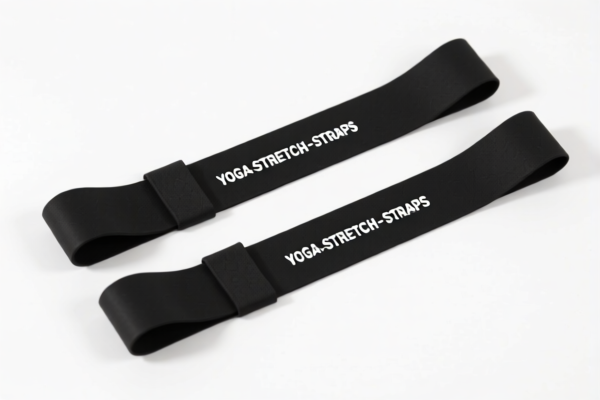
Product Images


AI Analysis
🧘♀️ Yoga Strap (Yoga Band / Yoga Resistance Band)
🌐 HS Code Classification & Customs Clearance Guide | 2026 Updated Tariff Breakdown | Pro-Level Import Strategy
📌 One Product, Multiple Classifications — Why So Many HS Codes?
The Yoga Strap is a versatile fitness accessory used for stretching, alignment, and flexibility training. However, due to its diverse materials (fabric, rubber, TPE, plastic, synthetic fibers) and variable construction (elastic, non-elastic, woven, knitted), it can be classified under multiple HS Codes, each with different tariff rates and legal implications.
⚠️ Critical Insight:
The true classification depends on material composition, physical structure, and intended use — not just the name "yoga strap".
Misclassification leads to overpayment, delays, fines, or seizure.
📦 2026 Official HS Code Breakdown (U.S. Tariff Schedule – China-Origin Goods)
| HS Code | Product Description | Material & Form | Key Reason for Classification |
|---|---|---|---|
5609.00.40.00 |
Yoga straps made from fabric or elastic bands; fits "bands or similar articles" category | Woven fabric, elastic, non-woven | Textile-based band with elasticity; fits 5609.00.40.00 |
3926.90.99.89 |
Yoga straps made from rubber, TPE, or plastic; not specified in more detailed subheadings | Rubber, TPE, synthetic polymers | Plastic/synthetic material, not listed elsewhere → 3926.90.99.89 |
3926.90.99.05 |
Yoga straps made from plastic, rubber, or synthetic fibers; elastic in nature | Plastic, rubber, synthetic fiber | Plastic-made elastic band → fits 3926.90.99.05 |
5609.00.30.00 |
Yoga straps made from man-made fibers (e.g., polyester, nylon) | Synthetic fibers, woven/knitted | Man-made fiber band → falls under 5609.00.30.00 |
6307.90.50.20 |
Yoga straps as "girdles, belts, or similar articles" (non-cotton) | Polyester, rubber, nylon | Belts or straps used for body support; not cotton → 6307.90.50.20 |
🔍 Why So Many Codes?
- Material determines the primary category (textile vs. plastic vs. other)
- Form (elastic, woven, knitted) affects subheading
- Use (fitness, support, stretching) influences interpretation by customs
💰 2026 U.S. Tariff Rates (China-Origin) – Full Breakdown with Legal Basis
✅ Applicable Country: United States (US)
✅ Origin: China (CN)
✅ Effective Date: November 10, 2025 (and ongoing)
✅ Applicable Laws:
- USITC Section 301 (Trade Act 1974)
- IEEPA (International Emergency Economic Powers Act)
- Section 122 of the Trade Act 2018
🎯 1. 5609.00.40.00 — Textile-Based Elastic Bands (Fabric or Elastic)
✅ For: Yoga straps made from fabric, non-woven, or elastic materials
| Item | Detail |
|---|---|
| Base Tariff | 3.9% (ad valorem) |
| Section 301 (USITC) Additional Duty | +25.0% |
| Section 122 (Trade Act 2018) Additional Duty | +10.0% |
| Total Effective Rate | 38.9% |
| Tax Calculation | CIF Value × 38.9% |
| De Minimis Exemption? | ❌ No (denied under U.S. 19 CFR §10.16) |
| Legal Basis Path | IEEPA:9903.01.25 → USITC:5609.00.40.00 → FOOTNOTE:9903.88.01 |
📌 Explanation:
- This code applies to fabric or elastic bands — common in woven yoga straps.
- 25% USITC = 301 Tariff on Chinese goods
- 10% Section 122 = Additional trade restriction under 2018 Trade Act
- Total 38.9% — High-risk category for importers
🎯 2. 3926.90.99.89 — Plastic/Synthetic Material (Rubber, TPE, Not Specified)
✅ For: Yoga straps made from rubber, TPE, or unspecified synthetic materials
| Item | Detail |
|---|---|
| Base Tariff | 5.3% |
| Section 301 (USITC) Additional Duty | +7.5% |
| Section 122 (Trade Act 2018) Additional Duty | +10.0% |
| Total Effective Rate | 22.8% |
| Tax Calculation | CIF × 22.8% |
| De Minimis Exemption? | ❌ No |
| Legal Basis Path | IEEPA:9901.25 → USITC:3926.90.99.89 → FOOTNOTE:9903.88.01 |
📌 Explanation:
- Applies to rubber, TPE, or non-fabric synthetic yoga straps
- Lower base tariff (5.3%), but still high due to 10% Section 122
- No 25% USITC here — only 7.5% due to product type
- Best option if your strap is non-fabric, non-textile
🎯 3. 3926.90.99.05 — Plastic or Rubber Elastic Bands
✅ For: Elastic yoga straps made from plastic, rubber, or synthetic fibers
| Item | Detail |
|---|---|
| Base Tariff | 5.3% |
| Section 301 (USITC) Additional Duty | +7.5% |
| Section 122 (Trade Act 2018) Additional Duty | +10.0% |
| Total Effective Rate | 22.8% |
| Tax Calculation | CIF × 22.8% |
| De Minimis Exemption? | ❌ No |
| Legal Basis Path | IEEPA:9901.25 → USITC:3926.90.99.05 → FOOTNOTE:9903.88.01 |
📌 Explanation:
- Same as 3926.90.99.89 — identical tax treatment
- Applies to elastic plastic bands, common in resistance-type yoga straps
- Do not confuse with textile bands — material is key
🎯 4. 5609.00.30.00 — Man-Made Fiber Bands (Polyester, Nylon, etc.)
✅ For: Yoga straps made from synthetic fibers (polyester, nylon)
| Item | Detail |
|---|---|
| Base Tariff | 4.5% |
| Section 301 (USITC) Additional Duty | +25.0% |
| Section 122 (Trade Act 2018) Additional Duty | +10.0% |
| Total Effective Rate | 39.5% |
| Tax Calculation | CIF × 39.5% |
| De Minimis Exemption? | ❌ No |
| Legal Basis Path | IEEPA:9903.01.25 → USITC:5609.00.30.00 → FOOTNOTE:9903.88.01 |
📌 Explanation:
- Highest tariff among all codes
- Applies to polyester/nylon straps — most common in fitness industry
- 25% USITC + 10% Section 122 = massive burden
- Avoid this code if possible — only if material is confirmed as synthetic fiber
🎯 5. 6307.90.50.20 — Girdles, Belts, or Similar Articles (Non-Cotton)
✅ For: Yoga straps used as body support, girdles, or belts (non-cotton)
| Item | Detail |
|---|---|
| Base Tariff | 0.0% |
| Section 301 (USITC) Additional Duty | +7.5% |
| Section 122 (Trade Act 2018) Additional Duty | +10.0% |
| Total Effective Rate | 17.5% |
| Tax Calculation | CIF × 17.5% |
| De Minimis Exemption? | ❌ No |
| Legal Basis Path | IEEPA:9901.25 → USITC:6307.90.50.20 → FOOTNOTE:9903.88.01 |
📌 Explanation:
- Lowest tariff of all — only 17.5%
- Applies to non-cotton, non-textile belts used for body support
- Best choice if your yoga strap is worn around the body, used for alignment, or resembles a girdle
- Not for stretchable fabric bands — only for supportive, non-elastic straps
🛠️ Pro-Level Customs Clearance Tips (Avoid Costly Mistakes!)
✅ 1. Critical Documentation Checklist
| Document | Required? | Why It Matters |
|---|---|---|
| ✅ Product Specifications | ✔️ | Material, elasticity, fiber type, construction |
| ✅ Material Test Report | ✔️ | Prove if it’s fabric, rubber, TPE, plastic |
| ✅ Product Photos (with label) | ✔️ | Show structure, stitching, material |
| ✅ Commercial Invoice | ✔️ | Must state "Yoga Strap – [Material]" |
| ✅ Bill of Lading | ✔️ | For shipment tracking |
| ✅ Certificate of Origin (CO) | ✔️ | Required for tariff eligibility |
| ✅ Third-Party Test (FCC, CE, RoHS) | ✔️ (if applicable) | Avoid rejection for safety issues |
✅ 2. 申报策略:How to Minimize Tariffs
🔥 "Material First, Use Second, Name Last!"
| Scenario | Recommended HS Code | Why |
|---|---|---|
| Woven polyester strap | 5609.00.30.00 → 39.5% |
High risk — avoid if possible |
| Rubber/TPE strap | 3926.90.99.89 or 3926.90.99.05 → 22.8% |
Best for non-fabric |
| Elastic plastic band | 3926.90.99.05 → 22.8% |
Same as above |
| Textile strap (non-elastic) | 6307.90.50.20 → 17.5% |
Best option if used as body support |
| Fabric strap (elastic) | 5609.00.40.00 → 38.9% |
High tariff — only if no alternative |
📌 Golden Rule:
If the strap is used as a body support (e.g., for back alignment, pelvic support), use6307.90.50.20— lowest tariff.
✅ 3. Avoid These Common Pitfalls
❌ Mistake 1: Using “Yoga Strap” as the product name without specifying material
👉 Result: Customs may classify based on default material → higher tariff
❌ Mistake 2: Claiming "textile" when it’s actually rubber/TPE
👉 Result: Wrong HS Code → overpayment, penalties, or seizure
❌ Mistake 3: Not providing material test reports
👉 Result: Customs may reject or delay shipment — no de minimis
❌ Mistake 4: Assuming all yoga straps are the same
👉 Result: One-size-fits-all申报 → high risk of audit
🌍 Global Market Tariff Comparison (2026)
| Country | Recommended HS Code | Base Tariff | Additional Duties | Total Effective Rate |
|---|---|---|---|---|
| 🇺🇸 USA (China-origin) | 6307.90.50.20 |
0.0% | +7.5% +10% | 17.5% |
| 🇨🇳 China | 6307.90.50.20 |
5% | None | 5% |
| 🇪🇺 EU | 6307.90.50.20 |
0% (if CE) | None | 0% |
| 🇦🇺 Australia | 6307.90.50.20 |
5% | None | 5% |
| 🇯🇵 Japan | 6307.90.50.20 |
0% | None | 0% |
📌 Insight:
- USA is the only market with 10%+ additional duties
- EU, Japan, Australia are much friendlier — ideal for export
🎯 Final Verdict: How to Win the Tariff Game
✅ Best Strategy for U.S. Imports: - If your yoga strap is non-cotton, non-elastic, used for body support → Use
6307.90.50.20→ 17.5% - If it’s rubber/TPE/plastic → Use3926.90.99.89or3926.90.99.05→ 22.8% - Avoid5609.00.30.00and5609.00.40.00unless no alternative🔥 Pro Tip:
Apply for an Advance Ruling (Pre-Clearance) from U.S. Customs before shipment — lock in the correct HS Code and avoid surprises.
📌 Summary: Quick Reference Table
| HS Code | Best For | Tariff | Key Risk |
|---|---|---|---|
5609.00.40.00 |
Fabric/elastic bands | 38.9% | High |
3926.90.99.89 |
Rubber/TPE/Plastic | 22.8% | Medium |
3926.90.99.05 |
Plastic/elastic bands | 22.8% | Medium |
5609.00.30.00 |
Polyester/nylon straps | 39.5% | Highest Risk |
6307.90.50.20 |
Supportive belts (non-cotton) | 17.5% | Lowest Risk ✅ |
🎯 Final Words: Precision Wins Every Time
🔹 "Material > Name > Use" — Always classify by what it's made of, not what it's called.
🔹 "One product, one correct code" — Don’t guess.
🔹 "17.5% vs 39.5% — that’s $20K difference on a $100K shipment!"
📣 Act Now!
📞 Contact a U.S. Customs Broker + Submit product specs + Apply for HS Code Pre-Ruling
🚀 Save thousands, avoid delays, and ship with confidence!
✨ Smart Importing Starts with Smart Classification!
💼 Your profit margin depends on the right HS Code.
Customer Reviews
About HS Code Classification
The Harmonized System (HS) is an internationally standardized nomenclature developed by the World Customs Organization (WCO) to classify traded products. Over 200 countries use the HS system as the basis for customs tariffs, trade statistics, and import/export regulations.
Each HS code follows a hierarchical structure:
- Chapter (2 digits) — Broad category of goods (e.g., Chapter 84: Machinery and Mechanical Appliances)
- Heading (4 digits) — More specific grouping within the chapter
- Subheading (6 digits) — Internationally standardized breakdown, used by all WCO member countries
- National subdivisions (8-10 digits) — Country-specific extensions for further classification, such as US HTSUS 10-digit codes
Correct HS code classification is essential for smooth customs clearance, accurate duty payment, and compliance with trade regulations. Misclassification can lead to customs delays, overpayment of duties, or penalties.
When importing from CN to US, the applicable tariff rates may include:
- Most-Favored-Nation (MFN) rate — The standard duty rate applied to WTO members
- General rate — Applied to countries without trade agreements
- Trade remedy duties — Additional tariffs such as Section 301 (anti-dumping), Section 232 (national security), or countervailing duties
The information provided on this page is for reference purposes only. For official classification, please consult with your local customs authority or a licensed customs broker.