Zinc anode blocks
CN → US| HS Code | Tariff Rate | Origin | Destination | Doc |
|---|---|---|---|---|
| 7901110000 | 36.5% | CN | US | Official Doc |
| 7901200000 | 38.0% | CN | US | Official Doc |
| 8543309040 | 37.6% | CN | US | Official Doc |
| 8543309080 | 37.6% | CN | US | Official Doc |
Product Images
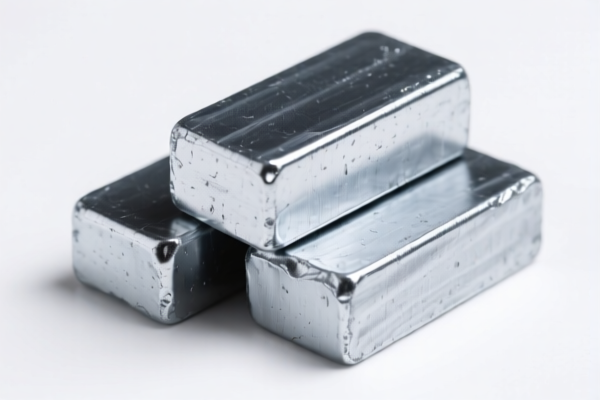
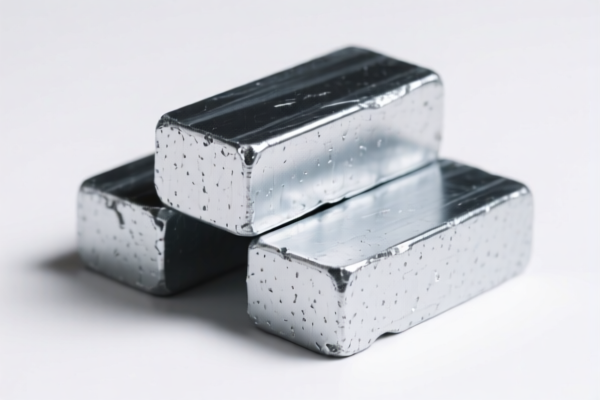
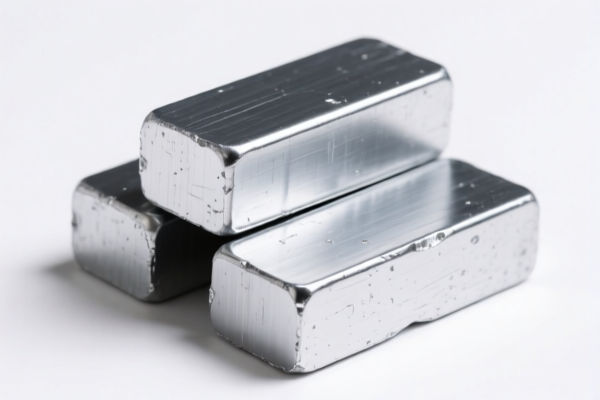
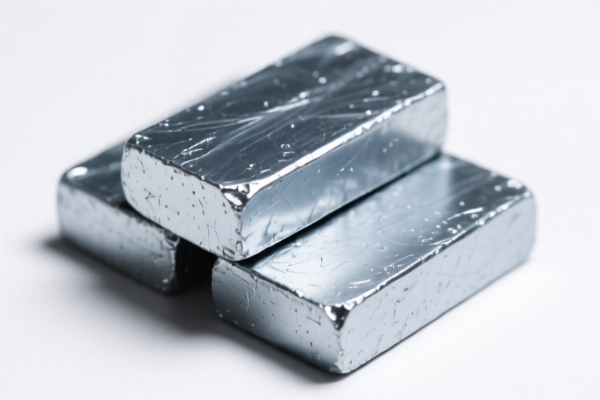
AI Analysis
⚡ Zinc Anode Blocks: HS Code Classification & 2026 Customs Clearance Guide
🌐 HS Code Reference & Clearance Strategy | 2026 Latest Tariff Analysis | Professional Import Compliance
📌 I. Product Definition & Classification: What Exactly Are "Zinc Anode Blocks"?
Zinc anode blocks are essential sacrificial components used in cathodic protection systems, electroplating, and electrolytic processes. In international trade, their classification depends heavily on their material state and functional application.
Primary Categories: 1. Raw Material Form (Unwrought Zinc): Blocks made of pure zinc or zinc alloys, not yet processed into specific machinery parts. 2. Industrial Equipment Parts (Electrolytic/Electroplating): Blocks specifically designed as electrodes or anodes for industrial machinery (e.g., electroplating baths, cathodic protection rigs).
⚠️ Key Distinction Point:
- If the product is simply "unwrought zinc in block form" (raw material) → Classified under Chapter 79 (Zinc and Articles Thereof).
- If the product is a "part of an electrolytic or electroplating apparatus" (functional component) → Classified under Chapter 85 (Electrical machinery and equipment).
📦 II. HS Code Classification Matrix (2026 Latest Tariff Authority)
Based on the provided data, there are four specific HS codes with different tax implications. Here is the detailed breakdown:
| HS Code | Product Description | Applicable Scenario | Classification Logic |
|---|---|---|---|
7901.11.00.00 |
Zinc Anode Blocks (Unwrought, Not Alloyed) | Pure zinc blocks, raw material state | Classified as Unwrought Zinc (Primary Zinc). |
7901.20.00.00 |
Zinc Anode Blocks (Alloyed) | Zinc alloys, mixed metal blocks | Classified as Zinc Alloys. |
8543.30.90.40 |
Parts of Electrolytic/Electroplating Apparatus (General) | Anodes for general electrolytic plants | Classified as Parts of Electrolytic/Electroplating Devices. |
8543.30.90.80 |
Parts of Electrolytic/Electroplating Apparatus (Non-Magnesium) | Anodes for specific electrolytic uses (excluding magnesium) | Classified as Other Parts for electroplating/electrolysis. |
🔍 Critical Note:
- Chapter 79 (7901.xxxx) treats the anode as a raw material (Zinc).
- Chapter 85 (8543.30.xxxx) treats the anode as a machine part (Electrolytic Equipment).
- The choice depends on whether the goods are declared as "Zinc Material" or "Machine Parts."
💰 III. 2026 Detailed Tariff Rate Analysis (Including Surtaxes & Policy Surcharges)
✅ Applicable Country: United States (US)
✅ Origin: China (CN)
✅ Effective Time: Current rates apply (Note: 122-Clause and Section 301 taxes are active)
🎯 1. 7901.11.00.00 —— Unwrought Zinc (Not Alloyed)
| Item | Content |
|---|---|
| Base Tariff | 1.5% |
| Section 301 Surtax | +25.0% |
| Section 122 Tariff | +10.0% |
| Total Effective Rate | 36.5% |
| Tax Calculation | CIF Value × 36.5% |
| De Minimis Exemption | ❌ Not Eligible |
| Legal Basis Path | USITC:7901.11.00.00 → Section 301: Footnote 9903.88.01 → Section 122: Proclamation 9980 |
📌 Explanation:
- Base 1.5%: Standard MFN rate for unwrought zinc.
- +25% Section 301: Retaliatory tariff on Chinese goods.
- +10% Section 122: Tariff on national security grounds (specific to zinc/aluminum).
- Total 36.5%: High duty burden for raw zinc imports.
🎯 2. 7901.20.00.00 —— Zinc Alloys
| Item | Content |
|---|---|
| Base Tariff | 3.0% |
| Section 301 Surtax | +25.0% |
| Section 122 Tariff | +10.0% |
| Total Effective Rate | 38.0% |
| Tax Calculation | CIF Value × 38.0% |
| De Minimis Exemption | ❌ Not Eligible |
| Legal Basis Path | USITC:7901.20.00.00 → Section 301: Footnote 9903.88.01 → Section 122: Proclamation 9980 |
📌 Explanation:
- Base 3.0%: Slightly higher base rate for alloys.
- Total 38.0%: The highest tariff among the listed codes due to the higher base rate.
- Warning: Do not misdeclare alloys as pure zinc to avoid penalties; customs will test composition.
🎯 3. 8543.30.90.40 —— Parts of Electrolytic Apparatus (General)
| Item | Content |
|---|---|
| Base Tariff | 2.6% |
| Section 301 Surtax | +25.0% |
| Section 122 Tariff | +10.0% |
| Total Effective Rate | 37.6% |
| Tax Calculation | CIF Value × 37.6% |
| De Minimis Exemption | ❌ Not Eligible |
| Legal Basis Path | USITC:8543.30.90.40 → Section 301: Footnote 9903.88.01 → Section 122: Proclamation 9980 |
📌 Explanation:
- Base 2.6%: Lower base rate because it’s classified as a "machine part" rather than raw material.
- Total 37.6%: Still very high due to Surtaxes.
- Applicability: For anodes explicitly used as parts of electrolytic/electroplating machines.
🎯 4. 8543.30.90.80 —— Other Parts of Electrolytic Apparatus (Non-Magnesium)
| Item | Content |
|---|---|
| Base Tariff | 2.6% |
| Section 301 Surtax | +25.0% |
| Section 122 Tariff | +10.0% |
| Total Effective Rate | 37.6% |
| Tax Calculation | CIF Value × 37.6% |
| De Minimis Exemption | ❌ Not Eligible |
| Legal Basis Path | USITC:8543.30.90.80 → Section 301: Footnote 9903.88.01 → Section 122: Proclamation 9980 |
📌 Explanation:
- Same Rate as8543.30.90.40: Both subheadings carry the same surtax structure.
- Distinction: This code is for anodes that do not fall under the "General" category of 8543.30.90.40, but are still for electrolytic/electroplating use (excluding magnesium anodes).
🛠️ IV. Customs Clearance Practical Advice (Avoid Pitfalls)
✅ 1. Required Documentation Checklist
| Document | Mandatory? | Notes |
|---|---|---|
| ✅ Commercial Invoice | ✔️ | Must clearly state "Zinc Anode Block" or "Electrolytic Anode." |
| ✅ Packing List | ✔️ | Detail weight, dimensions, and quantity. |
| ✅ Product Specification | ✔️ | Crucial: Specify if it is Unwrought Zinc (7901) or Machine Part (8543). |
| ✅ Material Composition Report | ✔️ | Proof of Zinc content (%) to distinguish between 7901.11 (Pure) and 7901.20 (Alloy). |
| ✅ Certificate of Origin (CO) | ✔️ | Required for Section 301 and 122 calculations. |
| ✅ End-Use Declaration | ✔️ | If using HS 8543, declare it as a part of electrolytic equipment. |
✅ 2. Classification Strategy & Tips
🔥 "Know Your Material, Choose Your Chapter!"
| Scenario | Recommended HS Code | Why? |
|---|---|---|
| Raw Zinc Blocks for Melting | 7901.11.00.00 or 7901.20.00.00 |
Declared as raw material; tax 36.5% or 38.0%. |
| Ready-to-Install Anodes for Plating Line | 8543.30.90.40 or 8543.30.90.80 |
Declared as equipment parts; tax 37.6%. |
| Mixed Alloy Anodes | 7901.20.00.00 |
If not specified as a machine part, defaults to alloy classification. |
⚠️ Key Warning:
- Do not split shipments to avoid tariffs. Customs will assess the principal use.
- If the anode is shaped specifically for a machine (e.g., with mounting brackets), it may favor Chapter 85.
- If it is a simple block, Chapter 79 is more appropriate.
✅ 3. Special Cases
| Case | Handling Advice |
|---|---|
| Magnesium Anodes | ❌ Not Covered: The provided data excludes Magnesium. Check 8543.30.90.10 or other codes for Mg anodes. |
| OEM Custom Shapes | Provide engineering drawings to prove they are "parts" (Chapter 85) if you prefer the 2.6% base rate. |
| Small Samples (< $800) | ❌ No De Minimis: All listed codes are deny_de_minimis. Even small shipments face full duties. |
🌍 V. Global Market Comparison (2026 Update)
| Country/Region | Recommended HS Code | Est. Tariff (CN Origin) | Notes |
|---|---|---|---|
| 🇺🇸 USA | 7901.11.00.00 / 8543.30.90.40 |
36.5% - 38.0% | Includes Section 301 (25%) + Section 122 (10%). |
| 🇨🇳 China | 7901.11.00.00 |
3.0% | Low import duty for raw materials. |
| 🇪🇺 EU | 7901.10.00 |
0% - 1.7% | No Section 301/122 equivalent. |
| 🇬🇧 UK | 7901.10.00 |
0% - 1.7% | Post-Brexit tariff schedule aligns with EU. |
📌 Conclusion:
- The USA is the most expensive market due to trade war tariffs (301 + 122).
- Chapter 79 (Raw Zinc) and Chapter 85 (Parts) have similar total rates (~36-38%), so the choice depends on customs interpretation of the product's nature.
📌 VI. Common Mistakes & Pitfalls
❌ Mistake 1: Declaring Alloy Anodes as Pure Zinc
👉 Result: Customs lab test reveals alloy → Penalty + Back Duties (38% vs 36.5%).
❌ Mistake 2: Using "General Metal Block" as Description
👉 Result: Customs may reclassify to a higher duty code or delay shipment for clarification.
❌ Mistake 3: Assuming De Minimis Applies
👉 Result: Shipments under $800 still face 36.5%+ tax. No exemption!
✅ Correct Declaration Example:
"Zinc Anode Block, Unwrought, 99.9% Pure Zinc, for Cathodic Protection, Model ZAB-100"
🎯 VII. Conclusion: Professional Classification Saves Money!
🎯 Key Takeaways:
🔹 Total Tax Range: 36.5% - 38.0% for US Imports from China.
🔹 Base Rate Difference: Small (1.5% vs 2.6%), but Surtaxes are Fixed (35% total).
🔹 Strategy: Ensure accurate material declaration (Pure vs. Alloy) to avoid penalties.
🔹 No Loopholes: Section 122 and 301 apply universally to these codes.
📌 Pro Tip:
If you are importing large volumes, consider bonded warehouses or FTZ (Free Trade Zone) entries to defer duties, though they are still owed.
Always consult a licensed customs broker for binding rulings if your product is complex.
📣 Action Item:
📞 Prepare Material Certificates + Product Photos
📦 Verify HS Code with your broker before shipment
🚀 Avoid surprises at US Customs!
✨ Precision in Classification = Savings in Cost!
💼 Don't let a 1.5% base rate difference turn into a 38% tax burden.
Customer Reviews
About HS Code Classification
The Harmonized System (HS) is an internationally standardized nomenclature developed by the World Customs Organization (WCO) to classify traded products. Over 200 countries use the HS system as the basis for customs tariffs, trade statistics, and import/export regulations.
Each HS code follows a hierarchical structure:
- Chapter (2 digits) — Broad category of goods (e.g., Chapter 84: Machinery and Mechanical Appliances)
- Heading (4 digits) — More specific grouping within the chapter
- Subheading (6 digits) — Internationally standardized breakdown, used by all WCO member countries
- National subdivisions (8-10 digits) — Country-specific extensions for further classification, such as US HTSUS 10-digit codes
Correct HS code classification is essential for smooth customs clearance, accurate duty payment, and compliance with trade regulations. Misclassification can lead to customs delays, overpayment of duties, or penalties.
When importing from CN to US, the applicable tariff rates may include:
- Most-Favored-Nation (MFN) rate — The standard duty rate applied to WTO members
- General rate — Applied to countries without trade agreements
- Trade remedy duties — Additional tariffs such as Section 301 (anti-dumping), Section 232 (national security), or countervailing duties
The information provided on this page is for reference purposes only. For official classification, please consult with your local customs authority or a licensed customs broker.