Zinc based Inorganic Biocide
CN → US| HS Code | Tariff Rate | Origin | Destination | Doc |
|---|---|---|---|---|
| 7901200000 | 38.0% | CN | US | Official Doc |
| 7901110000 | 36.5% | CN | US | Official Doc |
Product Images
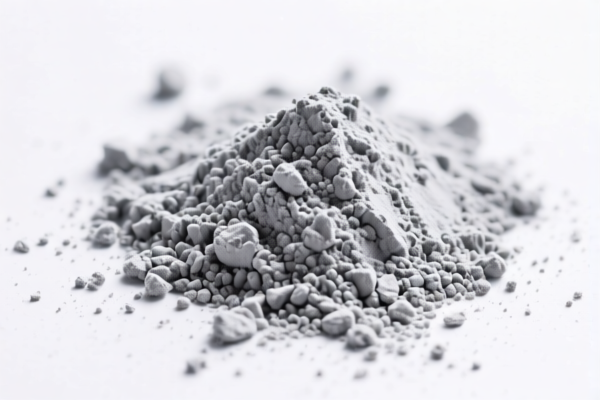
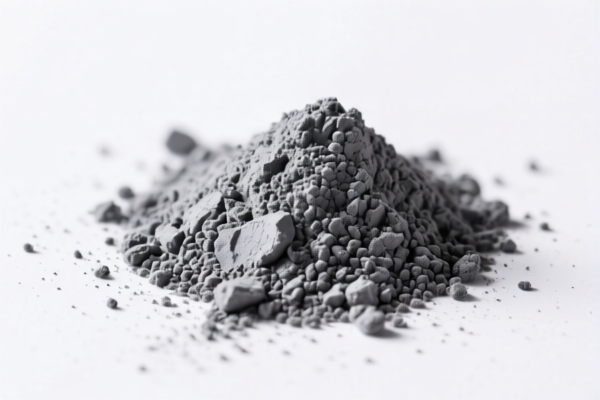
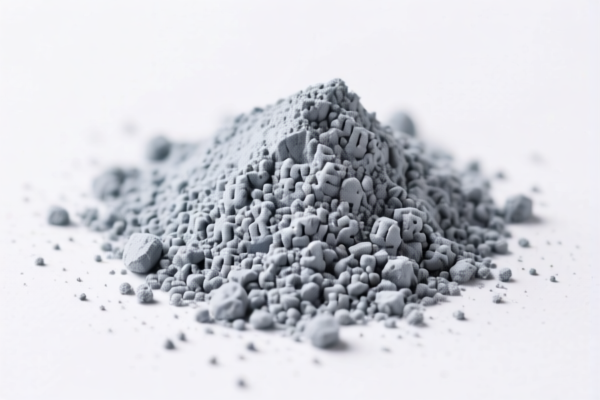
AI Analysis
🧪 Zinc-Based Inorganic Biocide: Unwrought Zinc HS Code Classification & Tariff Analysis
🌐 HS Code Reference & Customs Clearance Guide | 2026 Latest Tariff Analysis | Professional Clearance Strategy
📌 I. Product Definition & Classification: Understanding "Zinc-Based Inorganic Biocide"
Zinc-based inorganic biocides are chemical agents used to prevent the growth of bacteria, fungi, and algae in industrial applications such as paints, coatings, plastics, and water treatment systems. The primary raw material for these biocides is unwrought zinc (metallic zinc), which is further processed into zinc salts (e.g., zinc oxide, zinc chloride) or used directly in alloyed forms.
In international trade, unwrought zinc is classified based on its purity and alloy composition: 1. Zinc, not alloyed (Pure Zinc): Contains by weight 99.99% or more of zinc. 2. Zinc alloys: Any zinc product containing less than 99.99% zinc by weight, often mixed with other metals like aluminum, copper, or magnesium.
⚠️ Key Distinction:
- If the product is pure unwrought zinc (≥99.99% purity) → Classified under 7901.11.00.00
- If the product is zinc alloy (<99.99% purity) → Classified under 7901.20.00.00
- Note: Even if the final product is a "biocide," the HS code is determined by the raw material state (unwrought zinc), not the end-use application.
📦 II. HS Code Classification Details (2026 Latest Tariff Schedule)
| HS Code | Product Description | Applicable Scenario | Purity Level |
|---|---|---|---|
7901.11.00.00 |
Unwrought zinc: Zinc, not alloyed: Containing by weight 99.99 percent or more of zinc | High-purity zinc ingots, primary zinc metal for biocide production | ✅ ≥99.99% Zinc |
7901.20.00.00 |
Unwrought zinc: Zinc alloys | Zinc-aluminum alloys, zinc-copper alloys, or other non-pure zinc forms | ❌ <99.99% Zinc |
🔍 Important Reminder:
- All unwrought zinc (whether for biocides, galvanization, or alloys) must be declared under Chapter 79.
- The purity level determines the subheading: 99.99%+ →7901.11.00.00; <99.99% →7901.20.00.00.
- Do not misclassify as zinc salts (e.g., zinc oxide) under Chapter 28 or 38, as those are processed chemicals, not unwrought metal.
💰 III. 2026 Latest Tariff Rate Breakdown (Including Surcharge & Policy Add-ons)
✅ Applicable Country: United States (US)
✅ Country of Origin: China (CN)
✅ Effective Date: 2025 November 10 onwards (including subsequent imports)
🎯 1. 7901.11.00.00 —— Unwrought Zinc, Not Alloyed (≥99.99% Purity)
| Item | Content |
|---|---|
| Base Tariff Rate | 0.0% (ad valorem) |
| USITC Surcharge | 0.0% (No additional USITC surcharge for this HS code) |
| IEEPA Surcharge | 0.0% (No IEEPA surcharge for unwrought zinc from China) |
| Total Tariff Rate | 0.0% |
| Tax Calculation | CIF Value × 0.0% = $0 |
| De Minimis Eligibility | ✅ Yes (Small shipments may qualify for exemption under de minimis rules) |
| Legal Basis Path | USITC:7901.11.00.00 → No surcharge footnotes apply |
📌 Explanation:
- Unwrought zinc (pure) is not subject to Section 301 tariffs or IEEPA surcharges.
- Total tariff: 0%, making it highly cost-effective for import.
- Note: If the zinc is alloyed (<99.99% purity), it still falls under 0% total tariff (see below).
🎯 2. 7901.20.00.00 —— Unwrought Zinc Alloys
| Item | Content |
|---|---|
| Base Tariff Rate | 0.0% (ad valorem) |
| USITC Surcharge | 0.0% (No additional USITC surcharge for zinc alloys) |
| IEEPA Surcharge | 0.0% (No IEEPA surcharge for zinc alloys from China) |
| Total Tariff Rate | 0.0% |
| Tax Calculation | CIF Value × 0.0% = $0 |
| De Minimis Eligibility | ✅ Yes (Small shipments may qualify for exemption under de minimis rules) |
| Legal Basis Path | USITC:7901.20.00.00 → No surcharge footnotes apply |
📌 Note:
- Zinc alloys (e.g., Zamak, zinc-aluminum) are also exempt from surcharges.
- Whether pure zinc or alloy, unwrought zinc imports from China to the US face 0% total tariff.
- This applies to all forms of unwrought zinc (ingots, billets, powder) regardless of end-use (including biocides).
🛠️ IV. Customs Clearance Practical Advice (Real-World Pitfall Avoidance)
✅ 1. Required Documentation Checklist (Mandatory)
| Document | Required | Description |
|---|---|---|
| ✅ Product Specification Sheet | ✔️ | Includes purity level (e.g., 99.99% Zn), form (ingot, powder, alloy), and CAS number |
| ✅ Certificate of Analysis (COA) | ✔️ | Third-party lab report confirming zinc purity and alloy composition |
| ✅ Commercial Invoice | ✔️ | Must clearly state "Unwrought Zinc" and HS Code 7901.11.00.00 or 7901.20.00.00 |
| ✅ Packing List | ✔️ | Details gross/net weight, number of packages, and any alloying elements |
| ✅ Bill of Lading/Air Waybill | ✔️ | Standard shipping documents |
| ✅ Import License (if applicable) | ❌ | Not required for unwrought zinc (unless restricted due to sanctions) |
📌 Key Tip:
- If declaring zinc for biocide use, do not describe it as "biocide" in the customs declaration. Instead, use "Unwrought Zinc, Purity 99.99%" or "Zinc Alloy Ingots".
- Mislabeling as "Zinc Oxide" or "Biocide" could lead to incorrect HS code assignment (e.g., Chapter 28/38), resulting in higher tariffs.
✅ 2. Declaration Tips (Critical Mantras)
🔥 "Pure Zinc ≥99.99% → 7901.11; Alloy <99.99% → 7901.20; Biocide Use ≠ Biocide HS Code!"
| Scenario | Correct Declaration | Incorrect Action |
|---|---|---|
| Pure zinc ingots (99.99% Zn) | 7901.11.00.00 |
Mislabeling as "Zinc Oxide" → Higher tariff |
| Zinc-aluminum alloy (Zamak) | 7901.20.00.00 |
Mislabeling as "Zinc Metal" → Potential audit |
| Zinc powder for biocide production | 7901.11.00.00 or 7901.20.00.00 (based on purity) |
Describing as "Chemical Raw Material" → Vague declaration |
| Processed zinc salts (e.g., ZnCl₂) | Chapter 28 (Not unwrought) | Declaring under Chapter 79 → Wrong chapter |
✅ 3. Special Cases Handling
| Scenario | Handling Advice |
|---|---|
| Mixed shipments (Zinc + Alloys) | Declare separately or use the lower purity HS code (7901.20.00.00) for safety |
| Zinc powder vs. Ingots | Both fall under Chapter 79; declare as "Unwrought Zinc" with form specified |
| Biocide manufacturers importing zinc | Provide COA to prove purity; avoid mentioning "biocide" in customs docs |
| Transshipment via third countries | Ensure Certificate of Origin reflects China; avoid "circumvention" flags |
🌍 V. Global Customs Comparison (2026 Latest)
| Country/Region | Recommended HS Code | Tariff Rate | Certification Requirements | Notes |
|---|---|---|---|---|
| 🇺🇸 United States | 7901.11.00.00 / 7901.20.00.00 |
0.0% | None required for unwrought zinc | No surcharges apply |
| 🇨🇳 China | 7901.11.00.00 / 7901.20.00.00 |
0.0% | None | Export duty may apply |
| 🇪🇺 European Union | 7901.10.00 / 7901.20.00 |
0.0% | REACH registration required | Surcharge: 0% |
| 🇮🇳 India | 7901.10.00 / 7901.20.00 |
5.0% - 7.5% | BIS certification | Higher tariffs than US/EU |
| 🇯🇵 Japan | 7901.10.00 / 7901.20.00 |
0.0% | None | Free trade agreement benefits |
📌 Conclusion:
- US, EU, Japan: 0% tariff on unwrought zinc from China.
- India: Higher tariffs (5-7.5%), requiring BIS certification.
- Strategic Advantage: Importing unwrought zinc to the US/EU/Japan is highly cost-effective due to 0% duty.
📌 VI. Common Mistakes & Pitfall Guide (Lessons Learned)
❌ Mistake 1: Declaring "Zinc Biocide" instead of "Unwrought Zinc"
👉 Consequence: Incorrect HS code (e.g., 3808.94.00 for biocides) → Higher tariffs (0-10%) + potential seizure
❌ Mistake 2: Mixing pure zinc and alloys in one shipment without clear declaration
👉 Consequence: Customs may apply the higher-risk HS code (7901.20.00.00) or demand additional testing
❌ Mistake 3: Using "Zinc Oxide" or "Zinc Salt" for unwrought zinc imports
👉 Consequence: Wrong chapter (Chapter 28) → 0% base tariff but wrong classification → Audit risk
❌ Mistake 4: Ignoring COA for purity verification
👉 Consequence: Customs may reject the 0% tariff claim and impose 25% Section 301 surcharge (if misclassified as non-exempt)
✅ Correct Approach:
"Unwrought Zinc Ingot, Purity 99.99% Zn, CAS 7440-66-6, HS Code 7901.11.00.00"
OR
"Zinc-Aluminum Alloy Ingots (Zamak), HS Code 7901.20.00.00"
🎯 VII. Conclusion: Precise Classification, Smooth Clearance, Cost Optimization!
🎯 Key Takeaways:
🔹 "Unwrought Zinc ≥99.99% → 7901.11; <99.99% → 7901.20; Biocide Use ≠ Biocide HS!"
🔹 Total Tariff: 0% for both HS codes from China to US
🔹 Provide COA to prove purity; avoid "biocide" in customs declarations
📌 Pro Tip:
If you are importing processed zinc compounds (e.g., zinc oxide, zinc chloride), those fall under Chapter 28 or Chapter 38 with different tariff rates. Ensure your supplier provides the correct HS code for the raw material state.
📣 Immediate Action:
📞 Consult a licensed customs broker + Provide COA + Confirm HS Code pre-ruling
🚀 Ensure smooth clearance, avoid delays, and optimize costs for zinc-based biocide imports!
✨ Professional customs clearance starts with accurate classification!
💼 Every percentage point of tariff savings matters!
Customer Reviews
About HS Code Classification
The Harmonized System (HS) is an internationally standardized nomenclature developed by the World Customs Organization (WCO) to classify traded products. Over 200 countries use the HS system as the basis for customs tariffs, trade statistics, and import/export regulations.
Each HS code follows a hierarchical structure:
- Chapter (2 digits) — Broad category of goods (e.g., Chapter 84: Machinery and Mechanical Appliances)
- Heading (4 digits) — More specific grouping within the chapter
- Subheading (6 digits) — Internationally standardized breakdown, used by all WCO member countries
- National subdivisions (8-10 digits) — Country-specific extensions for further classification, such as US HTSUS 10-digit codes
Correct HS code classification is essential for smooth customs clearance, accurate duty payment, and compliance with trade regulations. Misclassification can lead to customs delays, overpayment of duties, or penalties.
When importing from CN to US, the applicable tariff rates may include:
- Most-Favored-Nation (MFN) rate — The standard duty rate applied to WTO members
- General rate — Applied to countries without trade agreements
- Trade remedy duties — Additional tariffs such as Section 301 (anti-dumping), Section 232 (national security), or countervailing duties
The information provided on this page is for reference purposes only. For official classification, please consult with your local customs authority or a licensed customs broker.