Zipper Folder
CN → US| HS Code | Tariff Rate | Origin | Destination | Doc |
|---|---|---|---|---|
| 4820300020 | 35.0% | CN | US | Official Doc |
| 4820300040 | 35.0% | CN | US | Official Doc |
| 3923900080 | 38.0% | CN | US | Official Doc |
| 4202322000 | 55.0% | CN | US | Official Doc |
| 4202329900 | 52.6% | CN | US | Official Doc |
Product Images


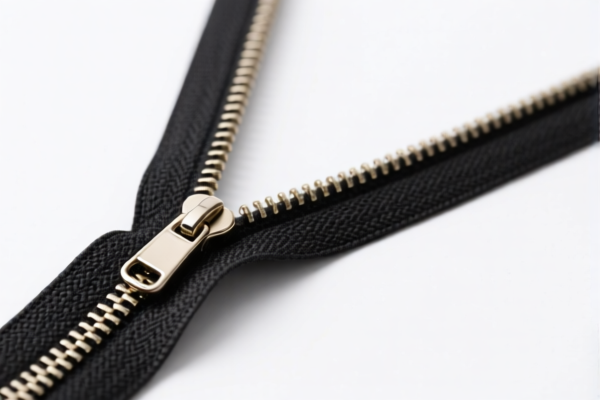
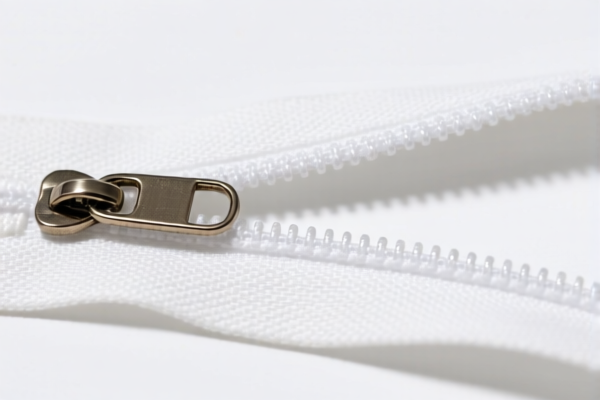
AI Analysis
📂 Zipper Folders (Paper & Plastic Document Organizers)
🌐 HS Code Reference & Customs Clearance Guide | 2026 Latest Tariff Analysis | Professional Entry Strategy
📌 Part 1: Product Definition & Classification Logic: Do You Really Understand "Zipper Folders"?
Zipper folders are versatile stationery items used for storing, organizing, and transporting documents. In international trade, they are classified differently based on their primary material and function. There is no single HS Code; the correct classification depends on whether the folder is made of paper/cardboard or plastic/textiles, and how it is constructed.
⚠️ Key Classification Distinction:
- If made of paper/cardboard → Classified under Chapter 48 (Paper Products).
- If made of plastic → Classified under Chapter 39 (Plastics) or Chapter 42 (Articles of Leather/Plastic Sheets).
- Critical Point: Misclassification leads to severe tariff penalties (up to 55% vs. 35%). Always verify material composition before declaring!
📦 Part 2: HS Code Classification Details (2026 Latest Tariff Authority Cross-Reference)
| HS Code | Product Description | Material | Key Classification Logic |
|---|---|---|---|
4820.30.00.20 |
Paper Zipper Folders (Loose-leaf/Folder Category) | Paper/Cardboard | Classified as paper stationery/artifacts. Fits logic for loose-leaf binders/folders. |
4820.30.00.40 |
Other Paper/Plastic Zipper Folders | Paper or Plastic | Classified as "Other folders." Material may be paper or plastic-coated. |
3923.90.00.80 |
Plastic Zipper Folders (Storage/Packaging) | Plastic | Plastic articles not elsewhere specified. Used for storage/packaging of documents. |
4202.32.20.00 |
Plastic Surface Zipper Pouches (Pocket/Purse Type) | Plastic Sheets | Exterior surface made of plastic sheets. Designed to be carried in pockets or handbags. |
4202.32.99.00 |
Textile Zipper Folders (Pocket/Purse Type) | Textile Materials | Exterior surface made of textile materials. Fits container shape for handbags/pockets. |
🔍 Important Note:
- Paper vs. Plastic: Paper folders (4820.xxxx) generally have lower base duties than plastic/textile counterparts (3923.xxxxor4202.xxxx).
- Function Matters: If the zipper folder is designed specifically as a "pouch" to be carried in a handbag (like a small wallet), it may fall under Chapter 42 (4202.32), which incurs significantly higher tariffs due to the "accessory/luggage" logic.
💰 Part 3: 2026 Latest Tariff Rate Details (Including Surcharges & Policy Add-ons)
✅ Applicable Country: USA (US)
✅ Origin: China (CN)
✅ Effective Date: Post-2025 (Includes Section 301 & IEEPA surcharges)
🎯 1. 4820.30.00.20 & 4820.30.00.40 —— Paper-Based Zipper Folders
| Item | Content |
|---|---|
| Base Tariff | 0.0% (Ad Valorem) |
| Section 301 Surcharge | +25.0% (From USITC Footnote 9903.88.01 / HTSUS Chapter 48) |
| IEEPA Surcharge | +10.0% (Against Chinese/HK products, effective Nov 10, 2025) |
| Total Tariff Rate | 35.0% |
| Tax Calculation | CIF Value × 35% |
| De Minimis Eligibility | ❌ No (Denied for Section 301 goods) |
| Legal Basis Path | IEEPA:9903.01.24 → USITC:4820.30.00 → FOOTNOTE:9903.88.01 |
📌 Explanation:
- Although the base duty is 0%, the 25% Section 301 tariff is mandatory for Chinese origin.
- The 10% IEEPA tariff is a new layer on top of Section 301 for most consumer goods from China.
- Total 35% is high for stationery but lower than plastic/textile alternatives.
🎯 2. 3923.90.00.80 —— Plastic Zipper Folders (Storage Items)
| Item | Content |
|---|---|
| Base Tariff | 3.0% |
| Section 301 Surcharge | +25.0% |
| IEEPA Surcharge | +10.0% |
| Total Tariff Rate | 38.0% |
| Tax Calculation | CIF Value × 38% |
| De Minimis Eligibility | ❌ No |
| Legal Basis Path | IEEPA:9903.01.24 → USITC:3923.90.00 → FOOTNOTE:9903.88.01 |
📌 Note:
- Plastic folders are classified as "Plastic articles for packing."
- The base duty is 3%, plus 35% in surcharges = 38%. Slightly higher than paper folders.
🎯 3. 4202.32.20.00 —— Plastic Surface Pouches (Pocket/Handbag Type)
| Item | Content |
|---|---|
| Base Tariff | 20.0% |
| Section 301 Surcharge | +25.0% |
| IEEPA Surcharge | +10.0% |
| Total Tariff Rate | 55.0% |
| Tax Calculation | CIF Value × 55% |
| De Minimis Eligibility | ❌ No |
| Legal Basis Path | IEEPA:9903.01.24 → USITC:4202.32.20 → FOOTNOTE:9903.88.01 |
📌 Warning:
- This code treats the folder as a luggage/accessory item (like a wallet or clutch).
- The base duty is 20%, making this the most expensive classification.
- Avoid this code unless the product is explicitly marketed/sold as a fashion accessory/pouch.
🎯 4. 4202.32.99.00 —— Textile Surface Pouches (Pocket/Handbag Type)
| Item | Content |
|---|---|
| Base Tariff | 17.6% |
| Section 301 Surcharge | +25.0% |
| IEEPA Surcharge | +10.0% |
| Total Tariff Rate | 52.6% |
| Tax Calculation | CIF Value × 52.6% |
| De Minimis Eligibility | ❌ No |
| Legal Basis Path | IEEPA:9903.01.24 → USITC:4202.32.99 → FOOTNOTE:9903.88.01 |
📌 Note:
- Similar to4202.32.20, but made of textile (e.g., nylon, canvas).
- Base duty 17.6% + 35% surcharges = 52.6%.
- Also considered a "luggage/accessory" item.
🛠️ Part 4: Customs Clearance Practical Advice (Battle-Tested Pitfall Guide)
✅ 1. Preparation Checklist (Missing Documents = Delays)
| Document | Mandatory? | Explanation |
|---|---|---|
| ✅ Product Specification Sheet | ✔️ | Must specify material (Paper vs. Plastic vs. Textile). |
| ✅ Product Photos (Clear) | ✔️ | Show zipper, interior, exterior material texture. |
| ✅ Commercial Invoice | ✔️ | Clearly state "Paper Zipper Folder" or "Plastic Document Pouch." Avoid vague terms like "Accessory." |
| ✅ Packing List | ✔️ | Standard import requirement. |
| ✅ Material Composition Proof | ✔️ | If disputed, customs may require mill certificates or material test reports. |
✅ 2. Declaration Strategy (Key Mantras)
🔥 "Material is King, Function Defines Code!"
| Scenario | Correct Declaration | Wrong Action |
|---|---|---|
| Standard Office Zipper Folder (Paper) | 4820.30.00.20 / 4820.30.00.40 |
Declaring as "Plastic Pouch" → 38% or 55% |
| Clear Plastic Document Sleeve | 3923.90.00.80 |
Declaring as "Paper Folder" → Incorrect classification risk |
| Fashion Zipper Pouch (Carry-in Bag) | 4202.32.20.00 / 4202.32.99.00 |
Declaring as "Stationery" → Underpayment Penalty! |
| Mixed Material (Paper inside, Plastic outside) | Likely 3923.90.00.80 or 4202.32.xxxx |
Guessing → High risk of audit |
📌 Critical Tip:
- If the zipper folder is primarily for office use and not marketed as a fashion accessory, argue for Chapter 48 (4820) or Chapter 39 (3923).
- If the product is small, decorative, and designed to fit in a handbag, customs may insist on Chapter 42 (4202), triggering 52-55% tariffs. Design intent matters!
✅ 3. Special Cases Handling
| Situation | Handling Advice |
|---|---|
| OEM Custom Zipper Folders | Provide design drawings showing "office use" vs. "fashion use" to support 4820 or 3923 classification. |
| Plastic-Coated Paper Folders | Classify as Paper (4820) if paper is the essential character, or Plastic (3923) if plastic dominates. Check USITC rulings. |
| Zipper Folders with Logos | Ensure branding does not make it look like a "luggage tag" or "accessory." |
| Bulk Import vs. Retail | Bulk imports should clearly state "Stationery/Office Supplies" on invoice. |
🌍 Part 5: Global Market Clearance Comparison (2026 Latest)
| Country/Region | Recommended HS Code | Tariff (China Origin) | Certification | Notes |
|---|---|---|---|---|
| 🇺🇸 USA | 4820.30.00.20 |
35% | No special certs | 38-55% for Plastic/Textile. High risk of misclassification. |
| 🇨🇳 China | 4820.30.00.20 |
0-2% | CCC (if applicable) | Low duty. No Section 301. |
| 🇪🇺 EU | 4820.30.00 |
0% | CE (if electrical) | No major surcharges. |
| 🇬🇧 UK | 4820.30.00 |
0% | UKCA | Post-Brexit rules align with EU generally. |
| 🇦🇺 Australia | 4820.30.00 |
5% | ACCC | Free Trade Agreement (ChAFTA) may apply. |
| 🇯🇵 Japan | 4820.30.00 |
0-3% | PSE (if applicable) | Generally low duty. |
📌 Conclusion:
- USA is the most challenging market due to Section 301 + IEEPA surcharges.
- Paper folders (4820) are the safest and cheapest option for US export (35% total).
- Plastic/Textile folders (3923/4202) are expensive (38-55%) and risky if misclassified.
📌 Part 6: Common Errors & Pitfall Guide (Blood & Tears Lessons)
❌ Error 1: Declaring a Plastic Zipper Folder as "Paper Folder" (4820)
👉 Consequence: Customs inspection reveals plastic → Reclassification to 3923 or 4202 + Penalty + Back Taxes!
❌ Error 2: Declaring a Fashion Pouch as "Stationery" (4820)
👉 Consequence: Customs argues it's a "luggage accessory" → Reclassification to 4202 (55% tariff) → Massive Underpayment!
❌ Error 3: Vague Description "Zipper Bag" on Invoice
👉 Consequence: CBP requests clarification → Delay in Clearance + Storage Fees.
❌ Error 4: Ignoring IEEPA Surcharges
👉 Consequence: Only paying 25% (Section 301) → Missing 10% IEEPA → Audit Trigger.
✅ Correct Approach:
"Paper Zipper Folder, Office Use, 9.5x12 inches, Kraft Paper Material, Model ZF-001"
OR
"Plastic Document Sleeve, Clear PVC, 9x12 inches, Storage Purpose, Model PS-001"
🎯 Part 7: Conclusion: Precision Saves Money!
🎯 Remember the Mantra:
🔹 "Paper is 35%, Plastic is 38%, Fashion Pouch is 55%!"
🔹 "Don't let 'Zipper Folder' fool you. Material defines cost!"
🔹 "Section 301 + IEEPA = 35%+ Tax for Chinese Goods."
📌 Pro Tip:
- If your zipper folders are originating from Vietnam, Thailand, or Malaysia, you may avoid IEEPA/Section 301 surcharges (subject to specific rules of origin).
- Apply for Advance Ruling from CBP if unsure about the material characterization.
📣 Immediate Action:
📞 Consult a licensed customs broker.
📸 Provide clear photos and material specs.
📝 Declare accurately: "Paper" or "Plastic" or "Textile" – never just "Folder."
🚀 Clear customs smoothly, reduce costs, and boost profits!
✨ Professional Clearance Starts with Accurate Classification!
💼 Your Cost Is Only As High As Your Declaration!
Customer Reviews
About HS Code Classification
The Harmonized System (HS) is an internationally standardized nomenclature developed by the World Customs Organization (WCO) to classify traded products. Over 200 countries use the HS system as the basis for customs tariffs, trade statistics, and import/export regulations.
Each HS code follows a hierarchical structure:
- Chapter (2 digits) — Broad category of goods (e.g., Chapter 84: Machinery and Mechanical Appliances)
- Heading (4 digits) — More specific grouping within the chapter
- Subheading (6 digits) — Internationally standardized breakdown, used by all WCO member countries
- National subdivisions (8-10 digits) — Country-specific extensions for further classification, such as US HTSUS 10-digit codes
Correct HS code classification is essential for smooth customs clearance, accurate duty payment, and compliance with trade regulations. Misclassification can lead to customs delays, overpayment of duties, or penalties.
When importing from CN to US, the applicable tariff rates may include:
- Most-Favored-Nation (MFN) rate — The standard duty rate applied to WTO members
- General rate — Applied to countries without trade agreements
- Trade remedy duties — Additional tariffs such as Section 301 (anti-dumping), Section 232 (national security), or countervailing duties
The information provided on this page is for reference purposes only. For official classification, please consult with your local customs authority or a licensed customs broker.