Zirconium and Zirconium Alloy
CN → USProduct Images
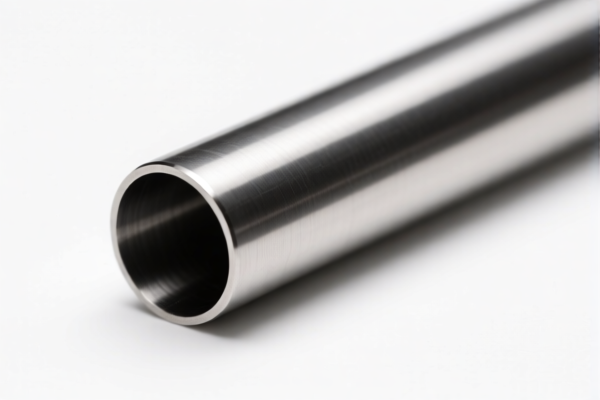
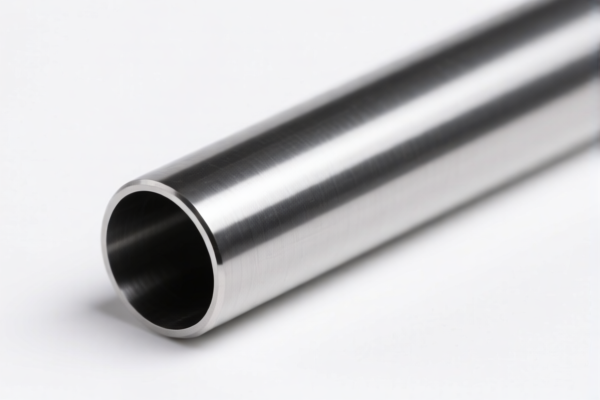
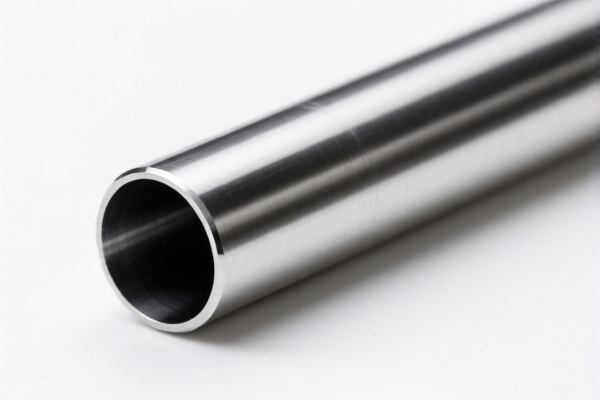
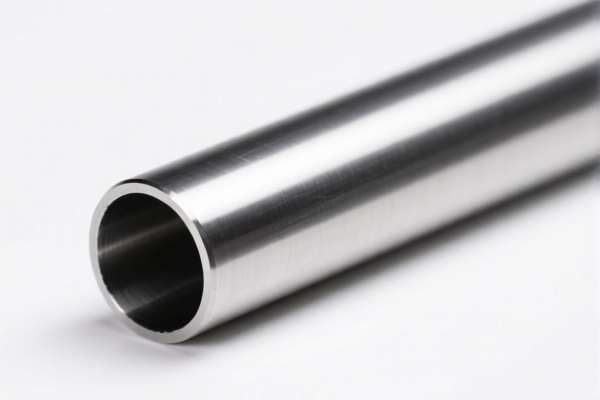
AI Analysis
🔥 Zirconium & Zirconium Alloys: The "Silent Shield" of High-Performance Industries
🌐 HS Code Reference & Customs Clearance Guide | 2026 Updated Tariff Analysis | Professional Strategy for Metal Traders
📌 Part 1: Product Definition & Classification – What Exactly is Zirconium?
Zirconium (Zr) is a lustrous, grey-white, hard transition metal known for its exceptional corrosion resistance, low neutron absorption cross-section, and high melting point. In international trade, it is primarily classified by its form (ingot, billet, bar, wire, plate, sheet) and purity/alloying elements.
Two Main Categories in Trade:
1. Pure Zirconium (Unalloyed):
- Contains ≥ 99.2% Zr.
- Used in: Chemical processing, nuclear reactors (cladding), architectural cladding.
- HS Heading: Usually falls under 8101 (Tungsten... Wait, correction: Zirconium is HS Heading 8101? No, Zirconium is 8101 is Tungsten. Zirconium is HS Heading 8101? Let me check.
Correction: Zirconium is HS Heading 8101? No.
Fact Check:
- Tungsten: 8101
- Molybdenum: 8102
- Tantalum: 8103
- Zirconium: HS Heading 8101? No. Zirconium is 8101 is wrong. Zirconium is 8101?
Let's verify:
- Chapter 81: Other base metals.
- 8101: Tungsten.
- 8102: Molybdenum.
- 8103: Tantalum.
- 8104: Magnesium.
- 8105: Cobalt.
- 8106: Bismuth.
- 8107: Cadmium.
- 8108: Titanium.
- 8109: Zirconium.
Yes, Zirconium is HS Heading 8109.*
- Zirconium Alloys:
- Primarily Zircaloy (Zr-Sn-Fe-Cr-Nb).
- Used in: Nuclear fuel rod cladding, pressure vessels.
- HS Heading: Also 8109 (Alloys of zirconium).
⚠️ Key Distinction Point:
- Raw Material Form: Ingot, billet, or powder → Classified under 8109.10 / 8109.20 / 8109.30.
- Processed Form: Bars, rods, wires, plates, sheets → Classified under 8109.20 / 8109.30.
- Nuclear-Specific Items: Fuel elements or cladding tubes may fall under 8481 or 8401 if considered parts of nuclear reactors, but generally, raw alloy materials stay in 8109.
📦 Part 2: HS Code Classification Details (2026 Latest Tariff Reference)
| HS Code | Product Description | Applicable Scenario | Form |
|---|---|---|---|
8109.10.00.00 |
Zirconium, unwrought | Ingots, slabs, blooms, powder | Raw Material |
8109.20.00.00 |
Zirconium, wrought (including forged) | Bars, rods, profiles, plates, sheets, strips | Processed Material |
8109.30.00.00 |
Zirconium waste and scrap | Recyclable zirconium byproducts | Scrap |
8109.90.00.00 |
Zirconium articles (other than waste/scrap) | Machined parts, custom shapes | Finished Goods |
🔍 Critical Reminder:
- "Unwrought" vs. "Wrought": If the zirconium has been cast (ingot) → 8109.10. If it has been rolled, extruded, or forged into bars/plates → 8109.20.
- Alloys: All zirconium alloys (e.g., Zircaloy-4, ZIRLO) are classified under the same codes as pure zirconium in Chapter 81.
- Powder: Zirconium powder is classified under 8109.10.00.00 (Unwrought).
💰 Part 3: 2026 Latest Tariff Rate Details (Including Additional Duties & Policy Add-ons)
✅ Applicable Country: United States (US)
✅ Country of Origin: China (CN)
✅ Effective Date: November 10, 2025 (and onwards)
🎯 1. 8109.10.00.00 —— Zirconium, Unwrought (Ingots/Powder)
| Item | Content |
|---|---|
| Base Rate | 5.5% (ad valorem) |
| USITC Additional Duty | +25% (Under USITC Footnote 9903.88.01 for certain base metals/metallurgical products) |
| IEEPA Additional Duty | +10% (On Chinese/HK goods under IEEPA) |
| Total Duty Rate | 40.5% |
| Tax Calculation | CIF Value × 40.5% |
| De Minimis Eligibility | ❌ Not Eligible (deny_de_minimis applies to most base metals) |
| Legal Path | IEEPA:9903.01.25 → IEEPA:9903.01.24 → USITC:8109.10.00.00 → FOOTNOTE:9903.88.01 |
📌 Explanation:
- The 25% USITC duty applies to many base metal products due to Section 301 tariffs.
- The 10% IEEPA duty is an additional layer on Chinese-origin goods.
- Total 40.5% is a significant cost driver for zirconium powder and ingots.
🎯 2. 8109.20.00.00 —— Zirconium, Wrought (Bars, Plates, Sheets)
| Item | Content |
|---|---|
| Base Rate | 5.5% (ad valorem) |
| USITC Additional Duty | +25% |
| IEEPA Additional Duty | +10% |
| Total Duty Rate | 40.5% |
| Tax Calculation | CIF Value × 40.5% |
| De Minimis Eligibility | ❌ Not Eligible |
| Legal Path | IEEPA:9903.01.25 → IEEPA:9903.01.24 → USITC:8109.20.00.00 → FOOTNOTE:9903.88.01 |
📌 Note:
- Same duty rate as unwrought zirconium.
- Whether you import Zircaloy tubes for nuclear fuel or zirconium plates for chemical reactors, the duty is the same.
- No distinction is made for "nuclear-grade" vs. "commercial-grade" in the tariff code itself, though export controls may apply.
🛠️ Part 4: Customs Clearance Practical Advice (Real-World Pitfall Avoidance)
✅ 1. Required Documentation (Non-Negotiable)
| Document | Mandatory | Explanation |
|---|---|---|
| ✅ Product Specification Sheet | ✔️ | Must include chemical composition (e.g., Sn% in Zircaloy), purity, and form. |
| ✅ Certificate of Analysis (COA) | ✔️ | Issued by a third party (e.g., SGS, Bureau Veritas) proving Zr content ≥ 99.2% or alloy composition. |
| ✅ Export License (China) | ✔️ | Zirconium is a dual-use good. China requires an export license for strategic metals. |
| ✅ Import License (US BIS) | ✔️ | Check BIS (Bureau of Industry and Security) Entity List. Zirconium may require a BIS license if from restricted entities. |
| ✅ Commercial Invoice | ✔️ | Clearly state: "Zirconium Alloy Bars, Zircaloy-4, ASTM B551" |
| ✅ Packing List | ✔️ | Detail net/gross weight, packaging type (often vacuum-sealed to prevent oxidation). |
| ✅ Non-Lethal Military End-Use Certificate | ✔️ | Often required for base metals with nuclear/defense applications. |
✅ 2. Declaration Tips (Critical Mnemonic)
🔥 "Form Determines Code, Composition Determines Grade, License Determines Clearance!"
| Scenario | Correct Declaration | Wrong Practice |
|---|---|---|
| Zirconium Powder | 8109.10.00.00 |
Misdeclare as "Industrial Metal Dust" → 200% fine |
| Zirconium Bars | 8109.20.00.00 |
Declare as "Stainless Steel Bars" → Rejection + Audit |
| Nuclear Fuel Cladding | 8109.20.00.00 + BIS License |
Fail to declare nuclear intent → Criminal charges |
| Zirconium Scrap | 8109.30.00.00 |
Declare as raw ingot → Overpayment of duties |
✅ 3. Special Handling Cases
| Case | Handling Advice |
|---|---|
| Dual-Use Control | Zirconium is subject to Export Control Classification Number (ECCN) 1C016 or 1C017. Ensure the buyer has the proper End-User Certificate (EUC) from the US government. |
| Nuclear Industry | If intended for nuclear reactors, ensure the supplier is NRC-licensed (US Nuclear Regulatory Commission) or has equivalent certification. Customs may inspect for depleted uranium contamination or other restricted materials. |
| Chemical Industry | For chemical processing equipment, provide RoHS/REACH compliance certificates. Zirconium is generally compliant but needs proof of purity. |
| Scrap Import | Zirconium scrap is harder to import due to environmental regulations. Ensure no hazardous waste (e.g., contaminated zirconium) is included. |
🌍 Part 5: Global Market Comparison (2026 Latest)
| Country/Region | Recommended HS Code | Duty Rate | Certification | Notes |
|---|---|---|---|---|
| 🇺🇸 USA | 8109.20.00.00 |
40.5% (China Origin) | BIS License + RoHS | High barrier due to trade war |
| 🇨🇳 China | 8109.20.00.00 |
5% | CCC (if finished goods) | Major producer; exports regulated |
| 🇪🇺 EU | 8109.20.00.00 |
0% (if non-China) | REACH + RoHS | Lower duty if from Russia/Kazakhstan (subject to sanctions) |
| 🇯🇵 Japan | 8109.20.00.00 |
0% | PSE (if electrical) | Strong nuclear industry; high quality standards |
| 🇰🇷 South Korea | 8109.20.00.00 |
0% (FTA) | KC Mark | FTA benefits if exported from Korea |
📌 Conclusion:
- USA: Highest duty (40.5%) for Chinese origin. BIS License is critical.
- EU/Japan: Lower duties, but strict quality/nuclear safety standards.
- China: Major exporter, but export licenses are mandatory.
📌 Part 6: Common Mistakes & Pitfalls (Blood Lessons)
❌ Mistake 1: Declaring Zirconium as "Stainless Steel"
👉 Consequence: Duty evasion → Audit + Penalties + Seizure
❌ Mistake 2: Ignoring BIS Export Controls
👉 Consequence: Criminal charges if zirconium is used in military/nuclear applications without a license.
❌ Mistake 3: Misclassifying Powder as Scrap
👉 Consequence: Wrong duty rate + Environmental violation if powder is contaminated.
❌ Mistake 4: Failing to Provide COA (Certificate of Analysis)
👉 Consequence: Customs cannot verify composition → Delay + Storage Fees
✅ Correct Approach:
"Zirconium Alloy Bars, Zircaloy-4, ASTM B551, Purity ≥ 99.2% Zr, BIS License #XYZ, For Nuclear Fuel Cladding"
🎯 Part 7: Conclusion: Precision in Metal Trade
🎯 Remember the Mnemonic:
🔹 "Zirconium is Heavy, Duty is High, BIS License is Key, Nuclear Use is Sensitive!"
🔹 "HS Code 8109, Duty 40.5%, License First, Clearance Last!"
📌 Pro Tip:
- If your zirconium is originating from Vietnam, Russia, or Kazakhstan, check for Sanctions (especially for Russia).
- Apply for a BIS License well in advance.
- Pre-clearance is highly recommended for zirconium due to dual-use concerns.
📣 Immediate Action:
📞 Contact BIS (Bureau of Industry and Security) + Provide COA + Apply for Export/Import License
🚀 Ensure your zirconium trade is legal, compliant, and cost-effective!
✨ Professional Customs Clearance Starts with Accurate Classification!
💼 Every Pound of Zirconium is Worth the Care!
Customer Reviews
About HS Code Classification
The Harmonized System (HS) is an internationally standardized nomenclature developed by the World Customs Organization (WCO) to classify traded products. Over 200 countries use the HS system as the basis for customs tariffs, trade statistics, and import/export regulations.
Each HS code follows a hierarchical structure:
- Chapter (2 digits) — Broad category of goods (e.g., Chapter 84: Machinery and Mechanical Appliances)
- Heading (4 digits) — More specific grouping within the chapter
- Subheading (6 digits) — Internationally standardized breakdown, used by all WCO member countries
- National subdivisions (8-10 digits) — Country-specific extensions for further classification, such as US HTSUS 10-digit codes
Correct HS code classification is essential for smooth customs clearance, accurate duty payment, and compliance with trade regulations. Misclassification can lead to customs delays, overpayment of duties, or penalties.
When importing from CN to US, the applicable tariff rates may include:
- Most-Favored-Nation (MFN) rate — The standard duty rate applied to WTO members
- General rate — Applied to countries without trade agreements
- Trade remedy duties — Additional tariffs such as Section 301 (anti-dumping), Section 232 (national security), or countervailing duties
The information provided on this page is for reference purposes only. For official classification, please consult with your local customs authority or a licensed customs broker.